










Your social team is either drowning in redundant approval chains or losing brand equity through misaligned posts. If your regional managers treat every LinkedIn update as a standalone project, you aren't empowering autonomy, you're building up technical and brand debt. The constant weight of manual checks and brand-sanity panics drains the creative energy your team actually needs to engage an audience. You want the speed of a small startup with the rigorous safety of an enterprise, but right now you're stuck with the worst of both: slow coordination and inconsistent results.
The awkward truth is that most multi-brand companies centralise the wrong things. They force rigid creative approvals that slow output to a crawl, while failing to centralise the platform connections and compliance workflows that actually reduce risk. To fix this, stop seeing centralisation as a binary choice between total control and total chaos. Instead, adopt a Core-Federated model: centralise your Infrastructure (the profiles, security, and analytics) and decentralise the Execution (the local copy, visuals, and cultural timing).
| Metric | Siloed Model | Centralised Hub | Hybrid (Recommended) |
|---|---|---|---|
| Cost per Post | High (Redundant work) | Low (Economies of scale) | Medium (Optimised) |
| Time to Publish | Slow (Coordination debt) | Fast (Single-lane) | Fast (Pre-validated) |
| Brand Consistency | Low (Fragmented) | High (Strict) | High (Governed) |
| Regional Relevance | High | Low | High |
The decision teams usually frame too broadly

Most organisations treat the question of centralisation as an "all or nothing" battle over creative control. They assume that centralising their tools means they'll inevitably sacrifice the unique voice of their local markets. This is a false dilemma. Creative control should be local; operational governance must be central.
When teams frame this as a choice about "who gets to write the caption," they miss the real danger: coordination debt. If your regional teams spend three hours a week manually checking character limits, resizing images, and chasing legal sign-offs over email, they aren't working on strategy. They are doing manual labour.
Common mistake: Forcing every post through a single corporate bottleneck rather than using tiered permissions and pre-validated templates.
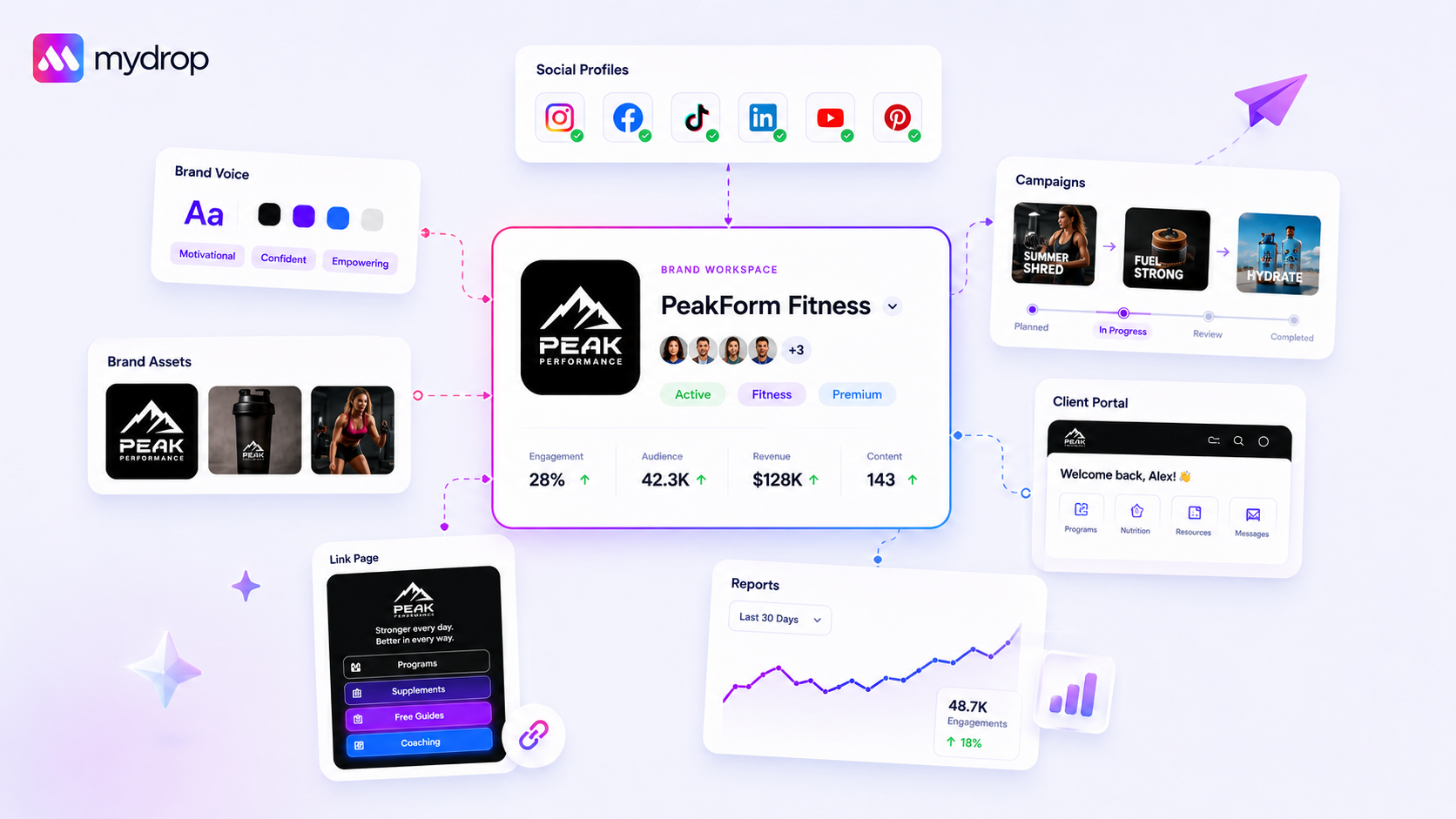
Centralisation is fundamentally about risk management, not creative micromanagement. By connecting all profiles to a single workspace, you gain immediate visibility into what is going out and where it is failing. When the infrastructure is unified, you can trust your regional teams to own the content because the platform constraints (such as format requirements, thumbnail specs, and scheduled windows) are already locked in by the system.
The goal is to stop acting as a gatekeeper for creative ideas and start acting as the architect for a safe, high-velocity publishing pipeline. If you have to ask a human to verify whether an Instagram video meets the platform's technical requirements, you have already lost. That is where workflow tools like Mydrop become essential; they catch those platform-specific errors automatically before a post hits the schedule, so your central team can govern from the perimeter rather than hovering over the "publish" button.
What should stay manual and what can move faster
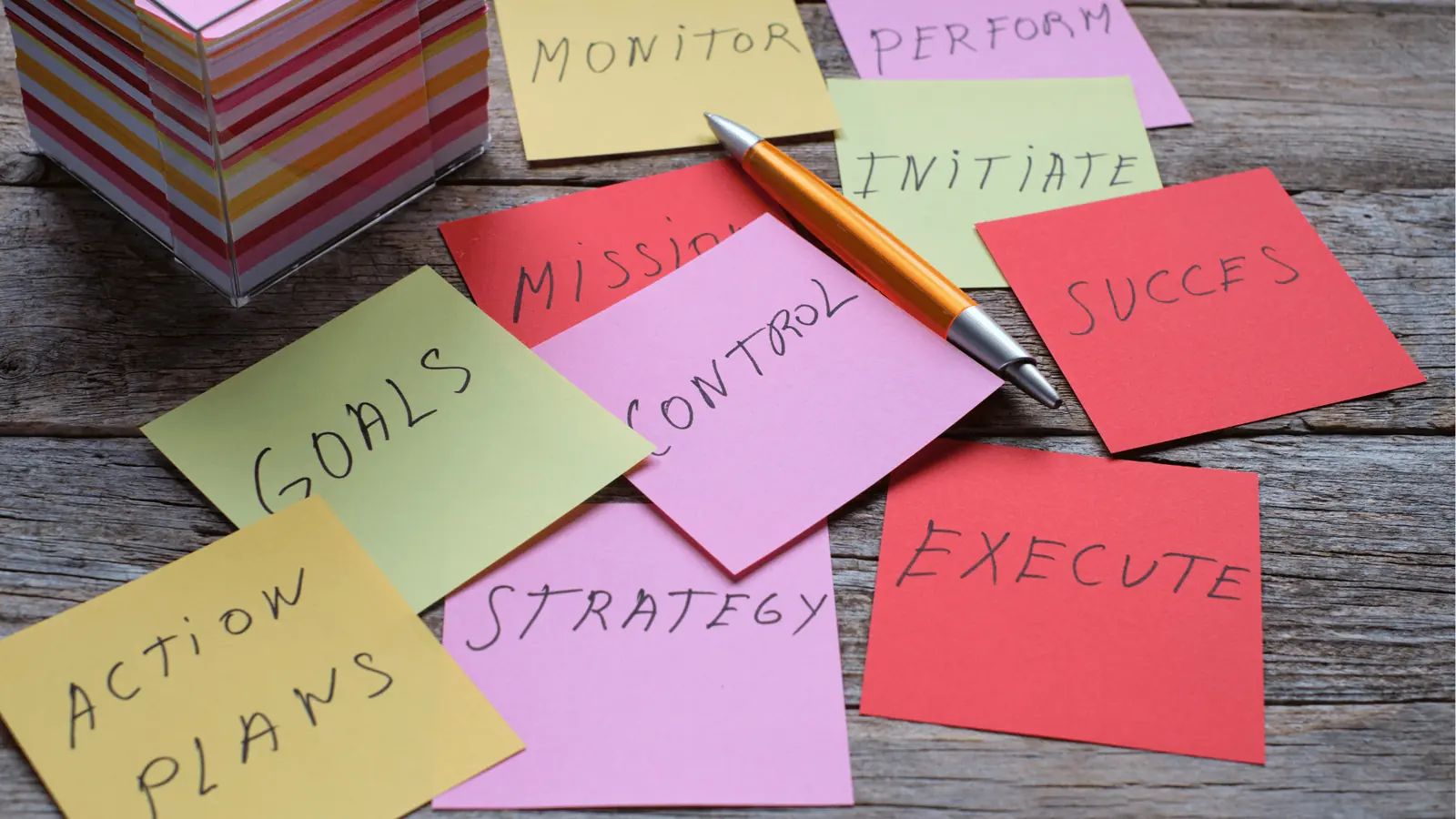
The secret to scaling social operations isn't eliminating human input; it's being ruthless about where that input actually adds value. You want your regional leads spending their energy on cultural nuance and local timing, not on checking character limits or hunting for a missing logo file.
Here is the simple rule: Centralise the mechanics, decentralise the soul.
If a task is about making sure a post doesn't break a platform's technical requirements or breach a compliance policy, it should be automated or handed to a governed workflow. If it's about making a caption resonate with a specific regional audience, that is where your local teams should have total freedom.
Teams often make the mistake of forcing creative feedback into the same, rigid channels as technical review. This is why the creative energy dies. Instead, use a tool like Mydrop to handle the technical heavy lifting, validating media formats, aspect ratios, and platform-specific link requirements before a post even touches an approver's queue. When your team knows the "pipes" are clear, they can stop worrying about technical friction and focus entirely on the message.
Operator rule: If a task can be validated by a machine (like checking whether a video is within TikTok's duration limits), it should never require a manual sign-off.
The tradeoff matrix
To audit your current setup, map your most common publishing tasks against this matrix. The goal is to shift as many "Technical/Governance" items as possible into a centralised, automated flow.
| Task Type | Examples | Recommended Action |
|---|---|---|
| Infrastructure | Profile connections, access tokens | Centralise (Hub) |
| Compliance | Legal disclaimers, brand tags | Centralise (Governed) |
| Technical QA | Media specs, character counts | Automate (Pre-validation) |
| Strategy | Campaign goals, channel mix | Centralise (Hub) |
| Content Creation | Photography, video editing | Decentralise (Local) |
| Cultural Context | Regional slang, local trends | Decentralise (Local) |
Most teams do not have a content problem. They have a decision bottleneck.
When you treat every post as a bespoke project, you aren't just wasting time; you're creating a fragile system that breaks under the pressure of scale. The moment you move the technical validation into a consistent, pre-publish workflow, the "brand-sanity" panics disappear. You aren't just saving hours, you are reclaiming the bandwidth to actually care about the content you're putting out. By handing the mechanical checklist to a system that checks everything from your calendar boards to platform-specific input requirements, you finally give your team permission to stop being glorified traffic controllers and start being creators again.
How to pilot the workflow safely
Trying to flip the switch on your entire social operation overnight is the fastest way to invite chaos. Instead, start by pulling your highest-risk or highest-volume channels into a unified workspace first. The goal isn't to take control away from regional teams; it is to remove the friction that makes them dread the publishing process.
Run a pilot programme for two weeks focusing on these three steps:
- Centralise the connectivity. Stop logging into individual platform native apps. Connect your primary brand profiles into a single workspace so everyone is viewing the same version of the truth, specifically regarding history and engagement metrics.
- Standardise the validation. Replace your ad-hoc email approval chains with a structured pre-publish check. If your team is currently using chat threads to catch broken links or missing dimensions, move those checks into the actual publishing flow.
- Tier the permissions. Map your existing stakeholders to specific roles. Your legal team only needs to see posts flagged for compliance, while regional managers should have the freedom to schedule their own localised copy once the core creative is cleared.
Decision check: If a post requires more than three manual messages to approve, your process (not your team) is broken.
By using a tool like Mydrop to handle the pre-publish validation automatically, you turn the "are these specs correct?" conversation into a background task. The software catches missing captions, incorrect media formats, or mismatched profile requirements before the human ever sees the post. This frees your team to focus on the cultural relevance of the content rather than wasting energy on technical compliance.
The operating rule to keep
The most common trap for enterprise teams is treating "centralised governance" as a synonym for "centralised creative." You can have a rigid, bulletproof compliance process while still being agile in the field. The key is separating the Content Container from the Content Substance.
Establish this boundary: the corporate hub sets the rules for compliance, connection, and brand assets, while local teams own the timing, local language, and community engagement. When you centralise the infrastructure, you actually grant your regional teams more autonomy, not less. They no longer have to wait for corporate to "post" for them, because they are already operating within a pre-validated, compliant environment.
Stop trying to achieve perfect consistency through manual oversight. It is expensive, slow, and ultimately fails the moment you scale. Achieving consistency through automated governance is the only way to scale without breaking the team.
Conclusion
Social media maturity in an enterprise environment isn't about how many tools you buy; it's about how much coordination debt you can retire.
If your team is still spending half their week juggling spreadsheets, email chains, and multiple platform logins, you aren't managing a brand. You are managing a mailing list of manual tasks. Moving to a core-federated model changes the conversation. It shifts your focus from the panic of last-minute publishing to the strategy of long-term growth.
Identify your current bottlenecks, connect your profiles into a single workspace to regain visibility, and stop treating compliance as a manual hurdle. When you clean up the underlying architecture, the creative velocity naturally follows. You don't need more people; you need a cleaner, more predictable way to get from a great idea to a published post.

 Google review
 Trustpilot review
 Product Hunt comment