

















Stop treating your media library as a dumping ground for finished assets. The moment a file lands there without a clear folder path, naming convention or brand attribution, you've introduced "coordination debt" that will sooner or later surface as a brand-damaging error in a live post. Treat your library as the ultimate measure of your team's operational maturity: if the storage is chaotic, your brand output is guaranteed to be inconsistent.
We get it. You're moving fast, chasing trends and juggling twenty platforms at once. It's easy to tell yourself that getting the post live matters more than where the raw file ends up. But that accumulated mess is exactly what turns a quick edit into a frantic search for the actual approved logo while your stakeholders watch the clock. At Mydrop, we've seen this across thousands of posts and hundreds of teams: the real cost of a messy library isn't just storage. It's the silent, enormous overhead of designers and social managers hunting for files, using outdated assets, or accidentally duplicating work because they can't trust the source of truth.
The decision each metric should trigger
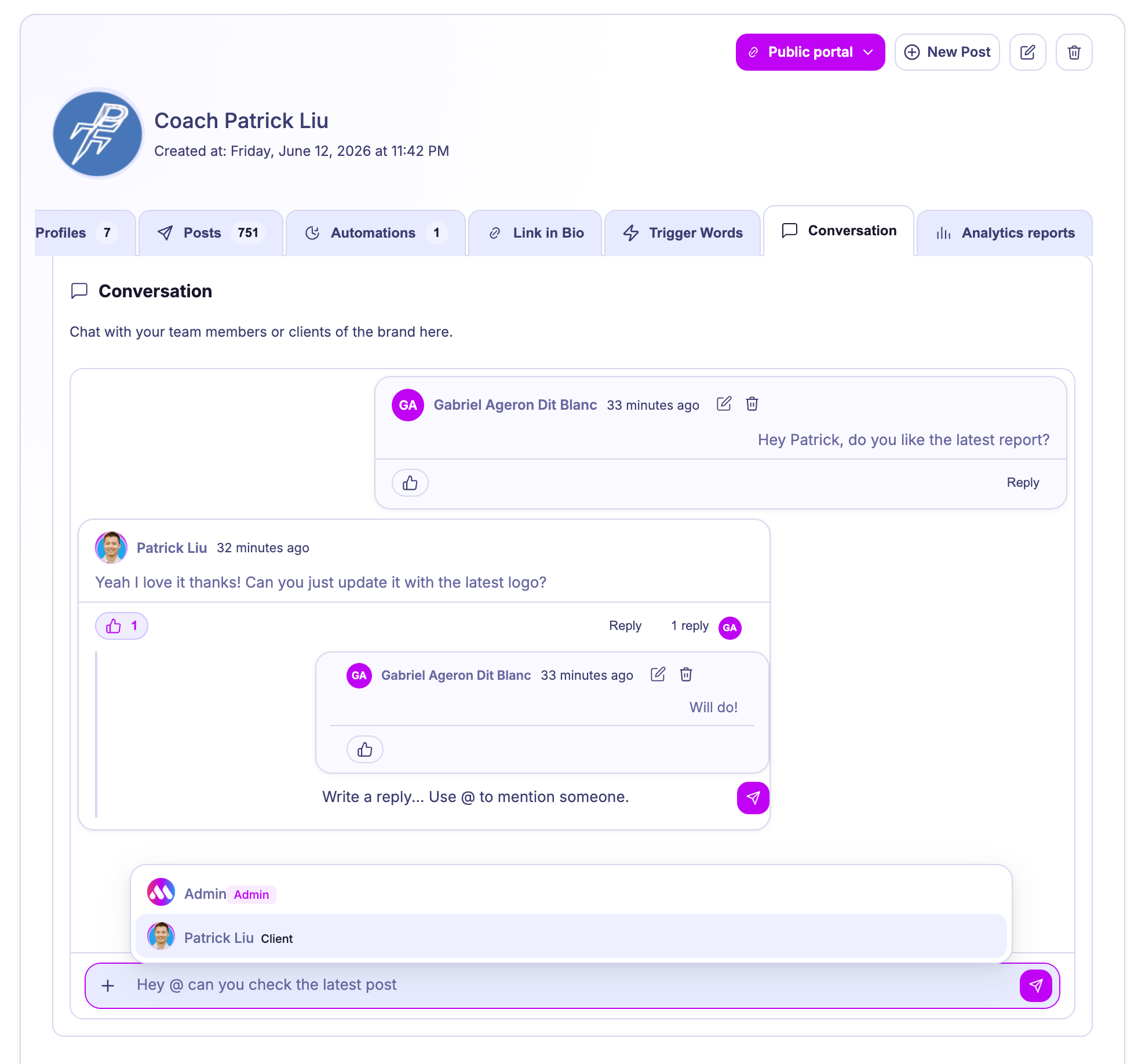
If you want to move from chaotic storage to a governed library, stop auditing by looks and start auditing by usefulness. You need to know whether an asset is findable, current and approved.
Use this scorecard to pinpoint where your library is actually failing.
| Metric | What it measures | Trigger for action |
|---|---|---|
| Findability | Search success rate for common assets | If the team spends more than 3 minutes finding a logo, a mandatory folder restructure is needed. |
| Versioning | Presence of "Final_V2" style duplicates | If more than 10% of files have ambiguous names, enforce strict file-naming rules. |
| Brand Compliance | Use of assets outside brand folders | If non-brand-approved assets are being used, restrict folder permissions immediately. |
| Metadata Health | Completeness of alt text and descriptions | If metadata is missing for 50%+ of assets, pause all non-essential uploads until tagging is caught up. |
If your "General" or "Downloads" folder is the most populated in your workspace, you're failing the Governance by Proximity test. In a healthy Mydrop setup, media lives only in the specific brand or campaign folder where it belongs. If an asset isn't nested correctly, it effectively doesn't exist for the rest of your team.
A simple rule helps: if a new hire can't navigate to a product folder and find the one correct, high-resolution shot within 60 seconds, you're not organised. You're just storing data.
The scorecard that keeps reporting useful
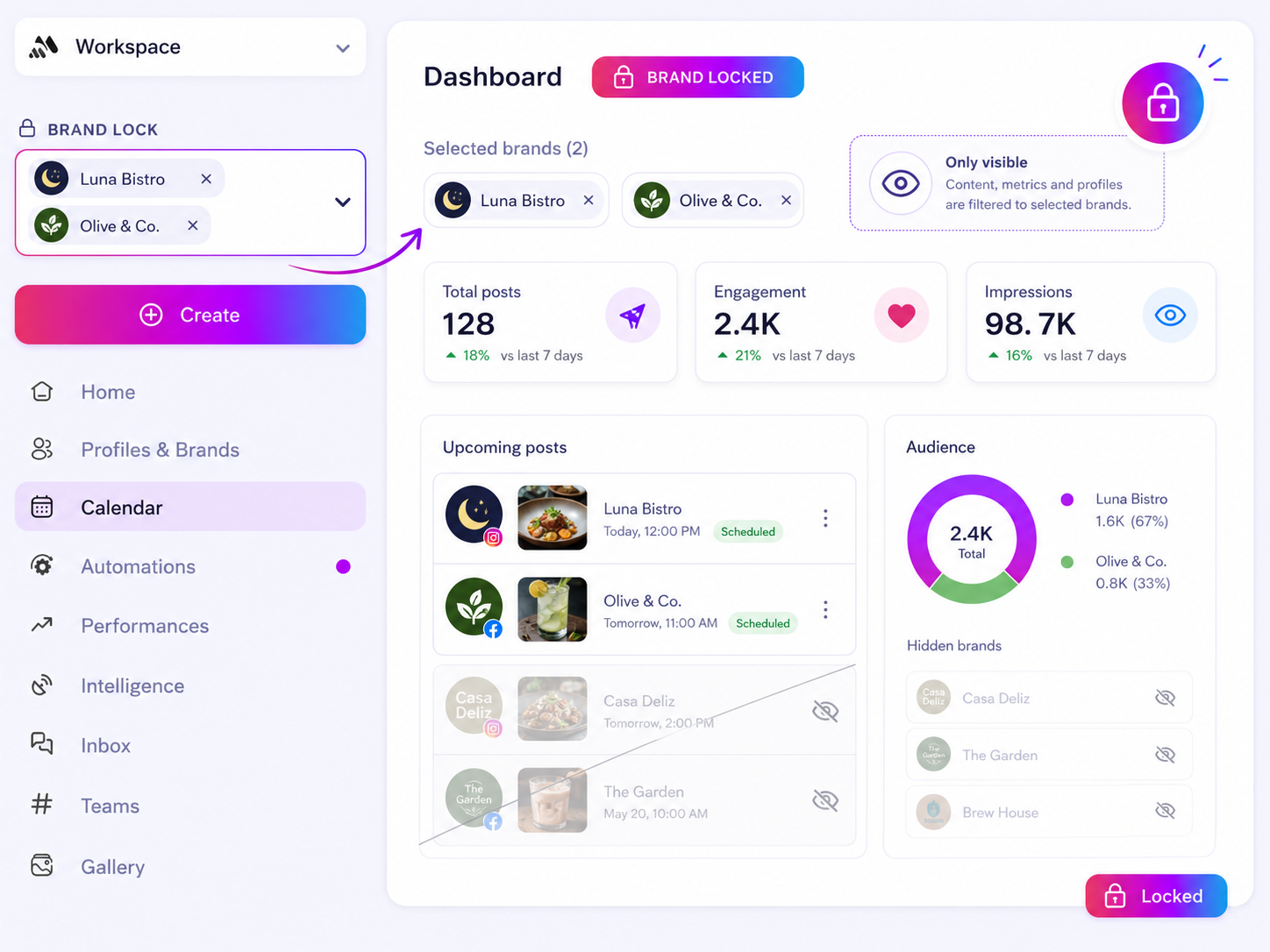
Stop asking your team to manually gather metrics from a dozen different sources. If you're still hunting for engagement data that matches the exact version of an asset you used, your reporting will always be a work of fiction. Instead, your media library should be the primary key for your performance reports. When an asset is stored, tagged and versioned inside your workspace folders, it carries the history of its own deployment.
The goal is to turn "Where did that file come from?" into an automated data point. Use this scorecard to work out whether your current library structure supports the reporting you need to actually grow.
| Category | High-Maturity Indicator | Low-Maturity Red Flag |
|---|---|---|
| Findability | Assets are nested by campaign or brand folder, never in the root. | The "General" or "Downloads" folder holds 80% of your assets. |
| Versioning | File names include descriptive context and a version ID (e.g. Summer_Campaign_Logo_v3). |
File names like Final_Final_V2.png are common. |
| Attribution | Media metadata links directly to the brand-specific folder ID. | Media has no folder association; metadata fields are mostly blank. |
| Governance | Delete permissions are limited to asset leads; moves are tracked. | Anyone can move or delete assets, breaking the links between posts and files. |
| Data Integrity | Reporting dashboards pull directly from mediaMetadata documents. |
Reports are built by hand from downloaded spreadsheets. |
If you score low on Findability or Attribution, your reports are probably inflated by "ghost data", where metrics are tied to dead or mislabelled files. At Mydrop, we often see teams struggle with this because their storage is disconnected from their analytics. When you line up your mediaMetadata with your folder structure, you stop auditing your own work and start trusting your data.
What to stop measuring by default
Stop measuring "asset upload volume". It's a vanity metric that actively encourages clutter. A high volume of uploads in a chaotic library just means your team is generating more coordination debt every week.
Instead, measure Library Retrieval Efficiency. That's the time, or the number of clicks, it takes for a creator to get from an idea to the right, approved asset in the composer. If your team is spending more than a few minutes searching for a logo or a product shot, you're paying a hidden tax on every single post that goes live.
We've seen teams waste hundreds of hours a year simply re-uploading the same assets because they couldn't trust the current state of the library. It's not just inefficient; it's a compliance nightmare. When you lack a single, governed path to your brand assets, you're one rogue upload away from posting an outdated logo to a million followers.
A simple rule helps: if you can't find it with a folder filter in three clicks, it's not in the library. When you stop tracking how much "stuff" you have and start tracking how quickly you can reliably reach your approved brand assets, you stop being a storage manager and start being a brand operator. Your library should be a high-speed conduit for your best ideas, not a digital attic where assets go to die.
How to connect metrics to next actions
The quickest way to burn out a creative team is to bury them in data that never leads to a decision. If your reporting dashboard shows low engagement but gives no signal on whether the issue was the copy, the creative asset or the timing, your team will just guess. And guessing is a recipe for a disorganised content calendar.
Instead, map every key metric directly to a specific operational shift. If your reach drops on a particular brand campaign, don't just "analyse it". Force a Version Control Check.
Operator rule: If a high-performing creative asset suddenly dips, your first move isn't to create new content. It's to check the file in your media library and make sure nobody has overwritten the source file with a lower-resolution or off-brand version.
At Mydrop, we see teams struggle because they treat analytics as a historical record rather than a diagnostic tool. Your next actions should look like this:
| Metric Trigger | Likely Operational Failure | Recommended Action |
|---|---|---|
| Engagement dip | Using an unapproved or legacy version of an asset. | Audit the asset folder; lock the approved version. |
| High production cost | Repeatedly recreating assets that are already in the library. | Tag assets with usage metadata; train the team on search. |
| Slow approval loop | Versioning chaos (Final_v1, Final_v2). | Standardise naming conventions and move to central folders. |
| Inconsistent brand look | Designers pulling from "Downloads" instead of "Brand Assets". | Restrict write access to core brand folders. |
The review cadence that makes the model stick
A clean library isn't a one-off project; it's a weekly habit. If you wait until a crisis to organise your folders, you're already behind. The goal is to build a "Library Hygiene" rhythm that fits into your existing team meetings.
We recommend a simple, tiered review structure that stops coordination debt building up:
- Weekly "Asset Sweep": 15 minutes. A designated lead reviews the previous week's uploads. Are files in the right brand folders? Are they named correctly? If not, move them and ping the owner. It sounds small, but it prevents the "monthly mountain" of files that nobody recognises.
- Monthly "Governance Audit": 30 minutes. Check permissions. Did someone move a critical logo file to their personal workspace folder? Does the team still have access to folders for retired campaigns?
- Quarterly "Library Purge": 1 hour. This is where you use features like bulk download or archive to clear out low-quality derivatives and stale draft assets. If a file hasn't been referenced in a live post or brand asset for 90 days, archive it.
If you don't stick to this cadence, the "invisible cost of clutter" will slowly eat your team's velocity.
Conclusion
The reality is that your media library is the heartbeat of your social operations. If it's chaotic, your team is spending hours every week searching for files, second-guessing versions and fixing avoidable mistakes.
Stop treating your storage as a static bin. Treat it as a living part of your brand's governance infrastructure. When your team can trust that every file in the folder is the correct, approved version, they stop worrying about compliance and start focusing on the work that actually moves the needle. A little discipline here pays for itself in every single post you ship.



 Google review
 Trustpilot review
 Product Hunt comment





