
















You're probably improving your social output for the wrong metric. You're measuring the applause of a crowd rather than the movement of a customer. When your engagement dashboard shows thousands of likes but your revenue reports stay flat, it's not a lack of quality or a broken algorithm. You've built a community that loves to talk but has no idea how to buy, because you haven't built a bridge between the conversation and the cart.
TLDR: Engagement vs. Conversion: stop counting likes; start auditing paths. If your content creates volume but kills intent, you're merely running an expensive, high-frequency focus group.
The burnout is real. Your team spends hours perfecting creative, orchestrating launches, and community-managing a torrent of notifications, only to feel empty when the bottom line doesn't budge. You're running a marathon on a treadmill. The relief comes when you stop chasing vanity metrics and start treating every post as an operational asset with a specific conversion function.
The awkward truth is that your most "successful" posts are often your biggest conversion bottlenecks. You've probably curated an environment where users feel encouraged to drop an emoji and keep scrolling, but you've failed to provide the necessary frictionless hand-off for those who actually want to commit.
The real problem hiding under the surface
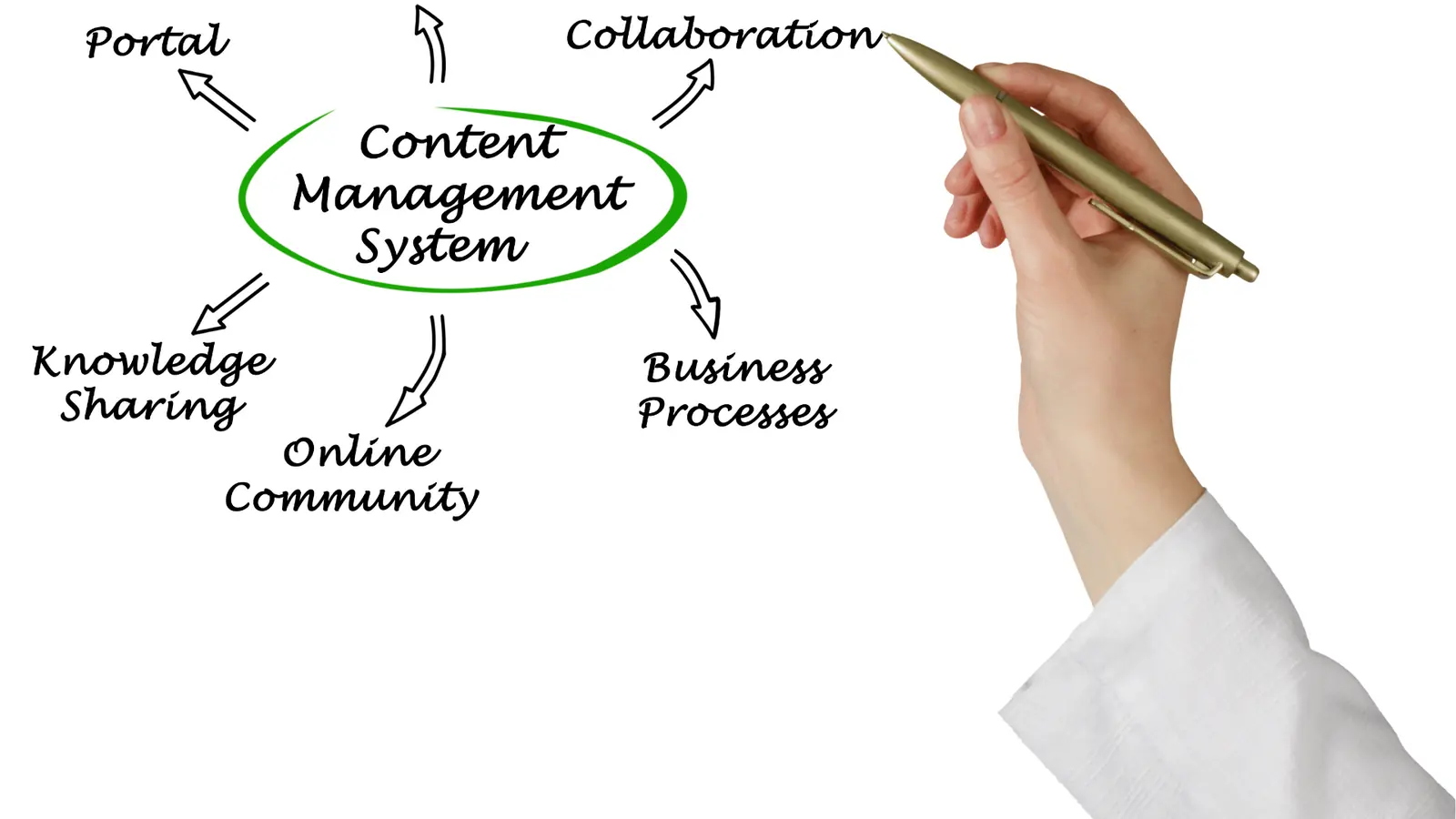
The real issue is the persistent disconnect between the social platform and your checkout flow. In a large organisation, this is usually a coordination problem. Marketing creates the buzz, but the "sales" path is often left to chance or buried in a generic link-in-bio that everyone forgets to update.
The real issue: The friction between a social platform and your checkout flow. If a user has to click through four pages, search for a product name, and navigate a generic site map just because they saw a post, they're gone.
When you ignore intent, you bleed revenue. High volume in the comments section is a signal, not just noise. If you're not actively triaging these signals into a structured workflow, you're leaking value every single minute. Most teams treat social as a megaphone, but the highest-performing brands treat it as a pipeline.
Here's how you can diagnose your current output:
- Audit for 3-Second Clarity: Does every high-engagement post answer: What is it? How do I get it? Is it available right now?
- Segment Your Signals: Separate "Awareness Comments" (random emojis, tagging friends) from "Intent-Driven Comments" (questions about pricing, availability, or feature utility).
- Map the Exit Velocity: Measure how many users actually click from the post versus those who just interact and bounce.
Operator rule: Never post without a "post-conversion" workflow already in your Mydrop automation. If you haven't assigned an owner to handle the "how do I buy" questions in real time, the post is not ready for prime time.
Teams often suffer from what we call coordination debt. They assume that since the social post is live, the work is done. But the real work, the capture of intent, is where teams get stuck. When intent spikes, manual triage fails. You need a model where your Conversion-Ready posts are not just content, but distinct service points. If your followers don't know how to buy, they don't know you're selling. You're essentially paying for the traffic and then leaving the door locked.
Why the old way breaks once volume rises
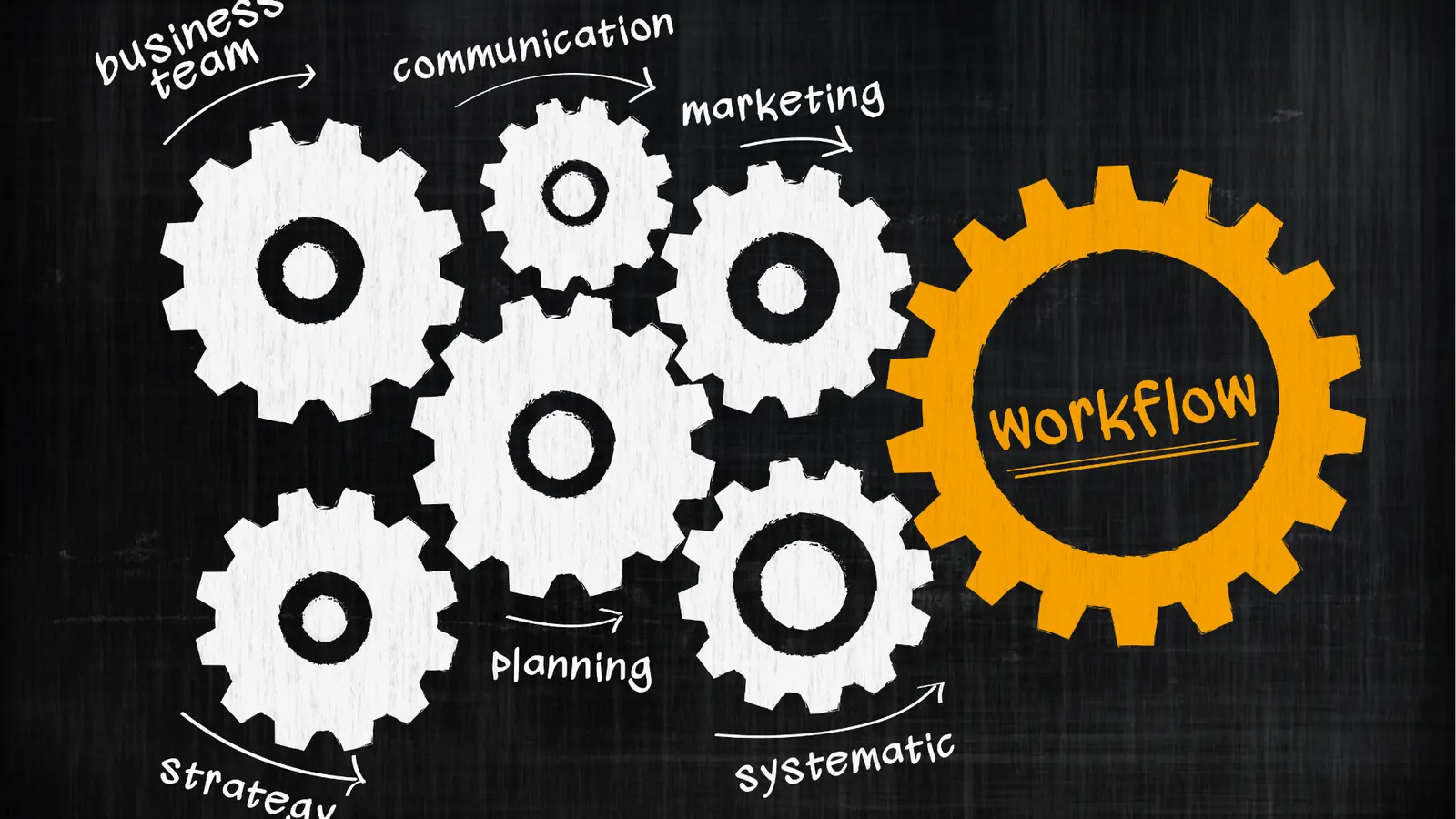
Manual triage is the silent killer of conversion. When your brand generates a trickle of comments, your social team can hand-pick the high-intent enquiries and drop them into a Slack channel or email thread. But as soon as you scale to multiple markets or hit a high-traffic product launch, the cracks in that manual process become canyons. You end up with fragmented, high-speed conversations across different platform apps, while your actual sales data stays isolated in a completely different system. The "wait time" for a simple answer, like confirming a size or checking a discount code, grows from minutes to hours, and by the time you respond, the customer has already moved on.
Most teams underestimate: The hidden operational cost of "context switching" during high-volume periods. Every time a team member leaves the publishing interface to search for product specs in an email, the risk of a missed conversion or a botched brand voice escalates.
The break usually happens in the middle of the Handoff Gap. Your community manager sees a potential buyer, but they don't have the context to close the sale. They have to ask the marketing lead, who has to ask the product team. Meanwhile, the prospect is still sitting in the comment thread, effectively invisible to your revenue engine. When you rely on disconnected tools, you're not just losing sales; you're actively training your audience that your social media channel is for chatting, not for shopping.
| Feature | Manual Triage (The Old Way) | Integrated Workflow (The Scaling Way) |
|---|---|---|
| Response Time | Reactive (hours/days) | Proactive (minutes) |
| Context | Scattered (email/DMs) | Centralised (per post) |
| Handoff | Manual copy-paste | Automated triggers |
| Brand Voice | Inconsistent (siloed) | Governed (unified) |
The simpler operating model
Shifting to a conversion-focused model means changing where your team spends their time. You need to stop viewing social media as a broadcast tower and start treating it as a distributed sales floor. That means keeping the conversation anchored to the asset. By keeping your content decisions, internal feedback, and asset discussions right next to the post in your workspace, you remove the need for your team to hunt through disconnected platforms for basic context.
Operator rule: Never post without a "post-conversion" workflow already mapped. If the content drives intent, the path to the checkout must be verified before you hit publish.
To make this sustainable across global teams or multi-brand portfolios, use consistent Profiles to organise your digital footprint. When your social identities are correctly segmented, your team can pivot between a local market and a global flagship account without losing their place. Every response stays on-message because the workspace is configured to respect the brand rules, not just the platform's limitations.
Here's how high-performing teams map their response cadence:
- Intake: Social alerts appear in the unified stream.
- Flagging: Intent-driven keywords trigger high-priority alerts in your channel.
- Contextualisation: The team reviews the post metadata and asset history inside the thread.
- Resolution: A response is drafted using approved templates and pinned to the original conversation.
- Close: The interaction is marked complete, keeping a clean dashboard for the next shift.
Common mistake: Treating "Brand Awareness" and "Conversion" as mutually exclusive goals. You can achieve both, but only if you build the infrastructure to support both at the same time.
By centralising the work, you're doing more than just saving time; you're creating a reliable feedback loop. You stop asking "why did we sell?" and start seeing exactly how a single, well-timed comment led to a conversion. If your followers don't know how to buy, they don't know you're selling. Your goal is to move the conversation from "I love this" to "Order confirmed," and that requires a workflow that doesn't leak intent at every turn.
Where AI and automation actually help

The most dangerous myth in enterprise social media is that automation is meant to replace the human touch. It isn't. Automation is meant to handle the volume so that your humans actually have time to be human where it counts.
When you scale to managing dozens of brands across timezones, you can't afford to have a senior manager manually scanning thousands of comments for a keyword like "pricing" or "how to buy." That's not strategy; that's manual labour masquerading as quality control.
This is where Mydrop Automations change the game. Instead of relying on a human to spot intent, you configure an automation to trigger based on specific patterns or keywords. You aren't just tagging a comment; you're piping high-intent signals directly into a dedicated conversation thread where your team is already working.
Common mistake: Treating all engagement as equal. Ignoring intent-driven comments because they're buried in a sea of emoji reactions is a choice to leave revenue on the table.
Here's how you shift from manual triage to a surgical response model:
- Filter at the source: Set up your Mydrop Automations to watch for high-intent triggers (e.g., "price", "link", "demo", "buy") across specific brand profiles.
- Contextual handoff: Use Conversations to move these flagged comments directly into an internal channel, attaching the original post context so your team knows exactly what the customer is asking about without switching tabs.
- Operational clarity: Ensure every response follows your brand voice by using pre-approved templates or direct mentions of teammates who have the authority to close the sale.
Operator rule: Never post without a "post-conversion" workflow already in your Mydrop automation. If the post has a clear call to action, the automated response path should be active before you even hit publish.
The metrics that prove the system is working

If you can't measure the movement from a comment to a cart, you're just guessing. Most teams are drowning in vanity metrics like "Reach" or "Total Sentiment," which are great for brand feel but terrible for showing the board that your social budget is actually working.
You need to shift your focus to a Conversion-per-Comment ratio. This isn't about being robotic; it's about tracking how effective your hand-off is.
KPI box: Conversion-per-Comment Ratio
- Definition: (Number of high-intent enquiries successfully directed to a checkout path / Total number of high-intent comments) * 100
- Target: 5% of top-tier intent comments converted to qualified traffic.
- Why it matters: It forces your team to focus on the quality of the interaction, not just the volume of replies.
When you audit your output, use this simple checklist to make sure your conversion paths are actually clear.
- Does every high-intent post have a designated "Conversion-Ready" badge in your internal planning?
- Are all team members aware of the specific thread where intent-based comments are being funnelled?
- Have we reviewed the top 10 most common "How do I buy?" questions from the last 30 days to refine our automated responses?
- Is our response time for high-intent queries under 60 minutes?
- Are we using Mydrop Conversations to ensure no high-intent comment sits unassigned for more than a business day?
The goal is to stop celebrating the applause of the crowd and start measuring the exit velocity of your customers. A post that gets 500 comments and zero sales isn't a success; it's a missed opportunity. Your social team shouldn't be a megaphone that just makes noise. They should be the first point of contact in a high-conversion sales funnel.
If your followers don't know how to buy, they don't know you're selling. Fix the hand-off, track the intent, and stop letting your best leads disappear into the void of the comment section.
The operating habit that makes the change stick
The biggest shift you can make is moving from "content-first" thinking to "outcome-first" thinking. Stop scheduling posts based on the calendar alone and start scheduling them based on the handoff capacity of your team. If you can't support the influx of comments a post generates, you're simply paying for impressions that die on the vine.
You need to make the audit part of the routine. Don't wait for a quarterly review to discover that your high-engagement posts are leaking intent. Build a weekly ritual that forces your team to look at the link between sentiment and sales.
Operator rule: Never approve a post in the calendar unless the "post-conversion" workflow is already defined. If the post triggers an enquiry, who handles it? Where does it go? Does it live in an internal Mydrop thread where teammates can collaborate on the answer, or does it vanish into a generic inbox?
Here's a 3-step workflow to put in place this week:
- Tag for Intent: In your Mydrop workspace, create a specific tag for "Conversion-Ready" content. Any post marked this way requires a mandatory team brief on how to handle the expected comment volume.
- Review the Handoff: Once a week, pull your top 5 highest-engagement posts. Compare them against your click-through and conversion data. If engagement is high but conversion is zero, you have a broken link in your chain.
- Automate the Flag: Use Mydrop Automations to monitor for high-intent keywords (like "price," "buy," "link," or "details") across your profiles. Route these straight into a dedicated workspace conversation so your team can respond quickly rather than searching for the right brand voice.
| Stage | Activity | Goal |
|---|---|---|
| Audit | Review weekly post performance | Identify intent-rich but non-converting posts |
| Align | Update the CTA or landing page | Reduce friction between comment and click |
| Act | Trigger automated follow-ups | Capture intent before the user scrolls away |
This habit removes the guesswork. When your team knows that every comment is a potential sales lead, the pressure to produce "viral" fluff evaporates. You stop competing for eyeballs and start competing for the customer's next action.
Most teams don't have a content problem. They have a decision bottleneck. They're so obsessed with the top of the funnel that they ignore the pipe that carries the revenue to the bottom.
Conclusion

Social media success isn't about winning the loudest applause from an anonymous crowd. It's about building a quiet, effective machine that moves a person from "I like this" to "I need this" without them feeling like they're fighting your marketing stack just to give you money.
Stop measuring the volume of noise and start measuring the velocity of the customer's journey. When you clear the path for the people who actually want to buy, you stop feeling like a content generator and start feeling like an operator.
Your social strategy should be as reliable as your supply chain. If your tooling forces you to switch tabs, hunt for assets in messy folders, or manually triage intent, you've built a system that's designed to fail at scale. A truly mature enterprise social operation centralises the conversation so the focus stays on the customer, not on managing the mess.



 Google review
 Trustpilot review
 Product Hunt comment