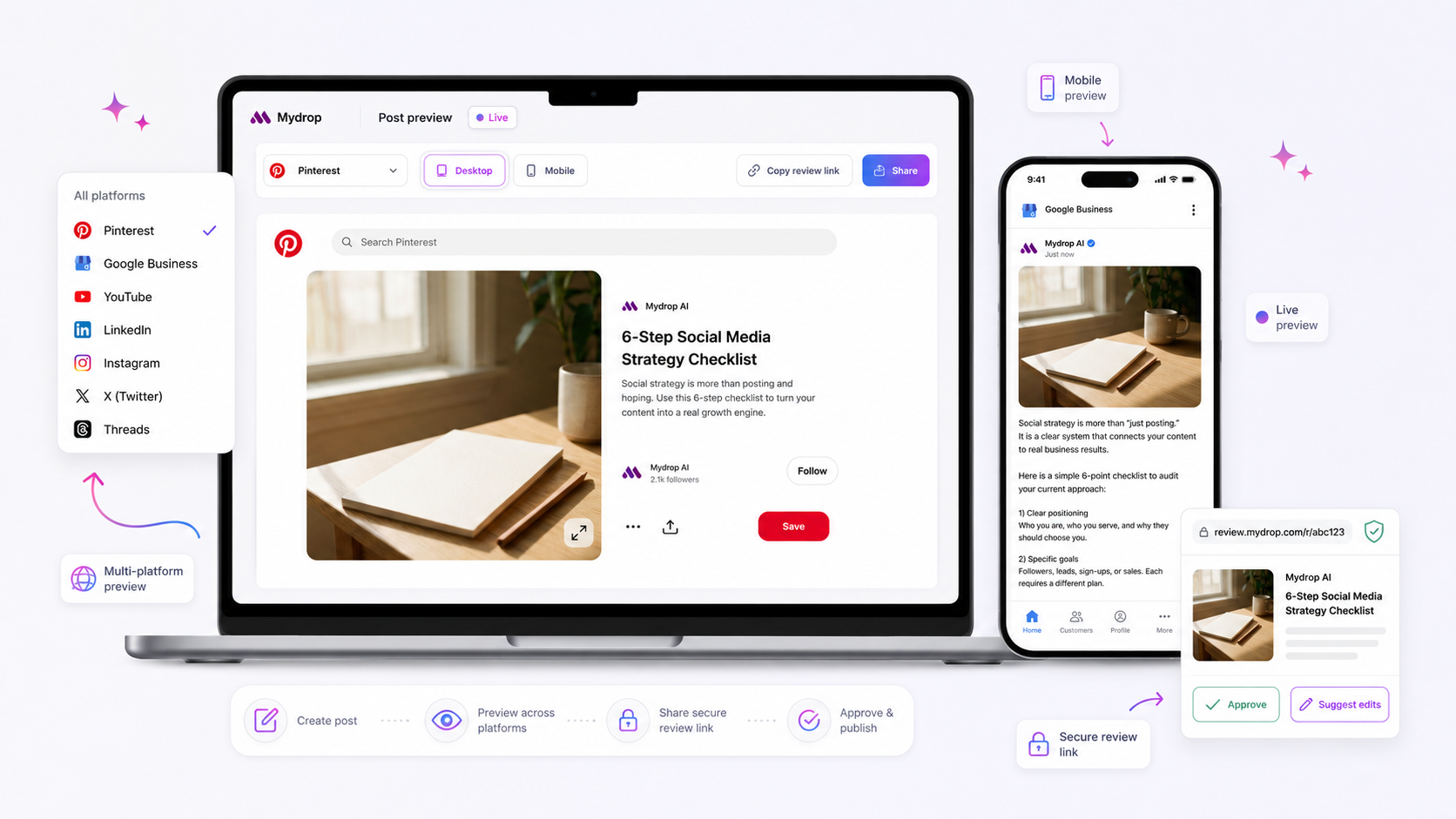
The secret to enterprise compliance isn't better legal review cycles; it's schema-enforced creation at the moment of composition. The compliance gap in publishing happens because most tools treat social media platforms like generic text boxes, stripping away the platform-specific rules-like TikTok's visibility toggles or Instagram's story-duplicate requirements-until you’re already in the publishing pipeline. When your composer fails to validate these fields during the draft, your team isn't choosing speed; they are choosing a high-risk gamble that legal will catch their errors before the post goes live.
We get it. You are managing thousands of assets across a dozen brands, and the cognitive load of remembering that LinkedIn needs a specific post type while Threads demands a tag is exhausting. You aren't failing; your software is simply letting you down by prioritizing platform parity over platform integrity. Governance-first design shouldn't be an afterthought in a separate audit document; it needs to live inside the editor where your team works every single day.
What the best tools need to handle
The best platforms shift from being passive text editors to becoming active gatekeepers. When you manage hundreds of profiles, you can't rely on manual checklists. Your tool needs to act like an API-aware partner that knows exactly what fields are required for a post to be compliant before it ever reaches the approval stage.
Here is why your composer needs schema-driven flexibility:
- Adaptive Field Validation: If you select an Instagram profile, the composer must surface location tags, thumbnail requirements, and story-duplicate options instantly. If you add a TikTok account, those fields should swap for visibility settings and native sound options.
- Conflict Resolution: When you select multiple platforms, a robust composer identifies incompatible media formats or missing fields before you waste time writing the caption.
- AI Tethering: Your AI tools shouldn't just be generating generic hooks; they must be constrained by the same platform-specific schemas so that "AI-suggested" captions don't accidentally ignore required brand disclaimers.
Operator rule: If a field is required for platform compliance-like a specific thumbnail format or a location tag-the tool must mandate it before the post leaves the editor.
This is exactly where teams get stuck. They rely on "all-in-one" tools that allow them to hit save on incomplete drafts. When you use Mydrop, for instance, we treat the post as a canonical object that must satisfy the configuration rules of every selected platform. If the math doesn't work for the API, the composer doesn't let the post pass through to the approval loop.
| Feature | Generic Composer | Schema-Driven Composer |
|---|---|---|
| Field Validation | Text-based; assumes all platforms are the same. | Config-based; enforces platform-specific requirements. |
| Multi-Profile Logic | Allows conflicting settings across channels. | Flags mismatches immediately upon selection. |
| Governance | Approval is a manual, external process. | Integrated routing based on brand/campaign rules. |
| AI Integration | Generates text without constraints. | Generates content within schema bounds. |
Most teams do not have a content problem; they have a coordination bottleneck. If your composer doesn't make it impossible to publish non-compliant work, you're essentially outsourcing your compliance risk to the people who are already under the most pressure to move fast.
Where basic tools start to break

Basic publishing tools break the moment your team crosses the threshold of "simple posting." They treat every platform as a generic text box. You write a caption, click upload, and hit publish. It feels efficient until you realize the tool failed to validate the specific technical requirements for each channel. Suddenly, your team is playing a frantic game of catch-up, manually editing posts on the platform side because the tool didn’t catch a missing thumbnail, an invalid aspect ratio, or a required location tag before the queue locked in.
This isn’t just a minor annoyance; it is governance debt. When you manage dozens of brands and hundreds of profiles, this debt compounds daily. You aren't just missing a setting; you are creating an operational blind spot where compliance and brand integrity drift apart. A tool that lets a user save a non-compliant post is not helping your team; it is essentially acting as a silent enabler for future legal headaches.
To get a clear picture of how your current stack stacks up, run your workflow through this simple diagnostic.
| Audit Category | What to Look For | Compliance Risk Level |
|---|---|---|
| Field Validation | Does the composer prevent saving if platform-specific fields are missing? | High if skipped |
| Multi-Profile Logic | Does the tool identify and flag conflicting requirements across platforms? | High if ignored |
| Approval Governance | Are drafts automatically routed to the right stakeholders? | Medium if manual |
| Context Retention | Is the creative chat history saved alongside the post metadata? | Low but inefficient |
If your current tools fail the Field Validation check, you have a structural leak. You are essentially asking your team to memorize the unique API requirements for Instagram, TikTok, and LinkedIn instead of offloading that cognitive load to the software.
The buying criteria that matter
Stop shopping for "all-in-one" platforms and start looking for governance-first composition. The goal is to move from manual checks to automated, schema-driven enforcement. You need a system that understands the technical constraints of the social platforms before a user even writes their first character.
When vetting your next composer, prioritize these three non-negotiables:
- Schema-Driven Enforcement: Does the system pull requirements directly from the source? If a platform changes its metadata needs-like a new visibility requirement for TikTok or a specific story-duplicate rule for Instagram-the composer should update its validation logic immediately. You want a tool that treats these requirements as hard rules, not "best practice" suggestions.
- Context-Aware Approvals: A draft is useless if it’s disconnected from its creative history. Look for tools that tether AI brainstorming, campaign tags, and specific approval recipients directly to the post object. This ensures that when a manager reviews a post, they aren't just seeing a caption-they’re seeing the context, the rationale, and the full compliance footprint.
- Conflict Resolution Logic: When you select three platforms, the composer should immediately display the unique requirements for all three in a unified, non-cluttered view. If those requirements conflict, it should offer a path to customize fields per platform without forcing you to build three separate posts.
Decision check: If your composer allows a user to queue a post without satisfying every mandatory platform field, it is not an enterprise tool. It is a drafting surface that shifts the risk of compliance onto your team.
At Mydrop, we built our composer on this principle of schema-enforced creation. We’ve seen that social media scale fails not from a lack of ideas, but from coordination debt. When you treat the composer as the primary source of truth, you stop chasing compliance errors and start focusing on the actual content strategy. Your team’s role should be creative, not administrative. If you spend your day fixing metadata instead of building brands, your tool is the bottleneck.
How Mydrop supports this workflow
At Mydrop, we built the composer to act as the primary defense against coordination debt. Because our platform knows the specific requirements for every profile you select-whether it is an Instagram business account or a TikTok business profile-it dynamically renders the fields you actually need to fill. You aren't hunting through a generic form for the "First Comment" or "Visibility" settings; they appear in context, validated by the specific platform schema the moment you select the channel.
We also treat the creative process as part of the formal record. By keeping your AI chat session persisted directly to the post, your team can revisit why certain creative decisions were made weeks after the initial brainstorming. This removes the "who decided this?" friction that usually triggers last-minute, panicked revisions. When an editor or legal lead opens a draft, they see the intent behind the content, not just the finished assets.
A simple shortlist checklist
If you are auditing your current tools, use this quick scorecard to see if your composer is actually helping your team or just masking compliance risks.
| Criteria | The "Governance-First" Test |
|---|---|
| Field Logic | Does the composer hide fields that do not apply to the selected platform? |
| Schema Validation | Does it block a "Save" action if a required platform field (like a thumbnail or visibility setting) is missing? |
| Approval Context | Can you attach specific approval recipients or automated reminders to a single draft? |
| Creative History | Is the conversation history/AI context preserved so new stakeholders can verify compliance? |
| Bulk Integrity | If you select five platforms, does the editor surface conflicts (e.g., incompatible video ratios) immediately? |
If you answered "No" to three or more of these, you are likely operating with significant governance debt. That is not a failure of your team; it is an issue with the underlying infrastructure.
Conclusion
The reality of enterprise social media is that speed and compliance are often portrayed as enemies. In our experience, they are actually the same thing. When your tools force you to fix metadata errors five minutes before a deadline, you aren't being "careful"-you are just managing the fallout of a process that allowed incomplete work to exist in the first place.
The most effective teams don't just work harder; they use software that makes the right compliance choices the default path.
Stop asking your team to memorize the specific formatting rules for a dozen different social APIs. Build your publishing pipeline on a foundation that enforces compliance at the moment of creation. Once the infrastructure handles the technical governance, your team can finally get back to the creative work that actually drives brand growth.