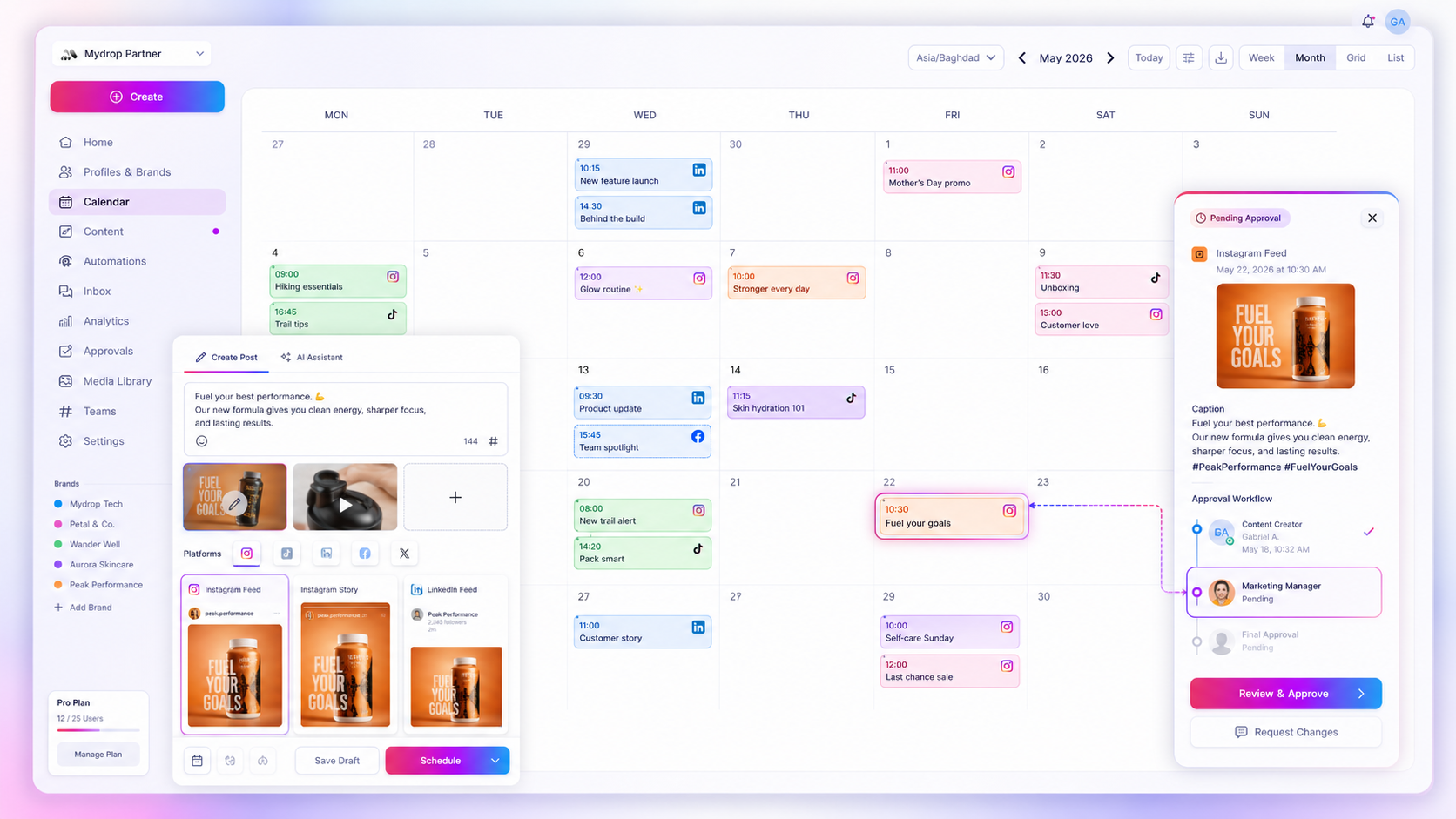
If your content calendar is merely a visual representation of post dates, you are missing the heartbeat of your operation. When the "when" of a task is more important than the "what" of a deliverable, it is time to stop treating that item as a project management ticket and start treating it as a structured, calendar-native reminder.
We get it. Most enterprise content operations are graveyards for "recurring" tickets that get ignored because they lack context, aren't synced to your daily flow, and fail to hold the actual assets you need to finish the job. It feels like coordination debt is winning. The real issue is that project management tools are designed for finite delivery, not for the constant, rhythmic maintenance that keeps a global brand voice alive.
If a task does not require a complex status flow-like Moving to In-Review or Approved-placing it in a ticketing system just creates a persistent "todo" that dies in a neglected backlog. It belongs where you actually live: your shared calendar.
The decision teams usually frame too broadly

Here is where teams usually get stuck: they assume that because a task is "work," it belongs in the project management tool. They dump everything from the quarterly strategy campaign to the daily social media community check-in into the same Jira or Asana board. This creates a visibility failure. When high-value campaign milestones get buried under a mountain of daily maintenance reminders, your team loses sight of what actually moves the needle.
We see this across teams managing hundreds of brand profiles. They treat "process" and "production" as the same thing. They aren't.
- Production is about the asset. It requires hand-offs, approvals, and specific versions of a file.
- Process is about the rhythm. It is the recurring operational heartbeat that ensures your channels don't go silent, your community team is responding, and your audits are happening on schedule.
The awkward truth is that most teams do not have a content problem. They have a decision bottleneck where they struggle to distinguish between the two. When you stop forcing maintenance tasks into a production ticket, you regain clarity on your actual campaign velocity.
Operator rule: Use the Object Dependency Test. If a task requires direct access to a specific Post, Profile, or Media asset to be marked done, it belongs in a system that can link those objects directly to the calendar.
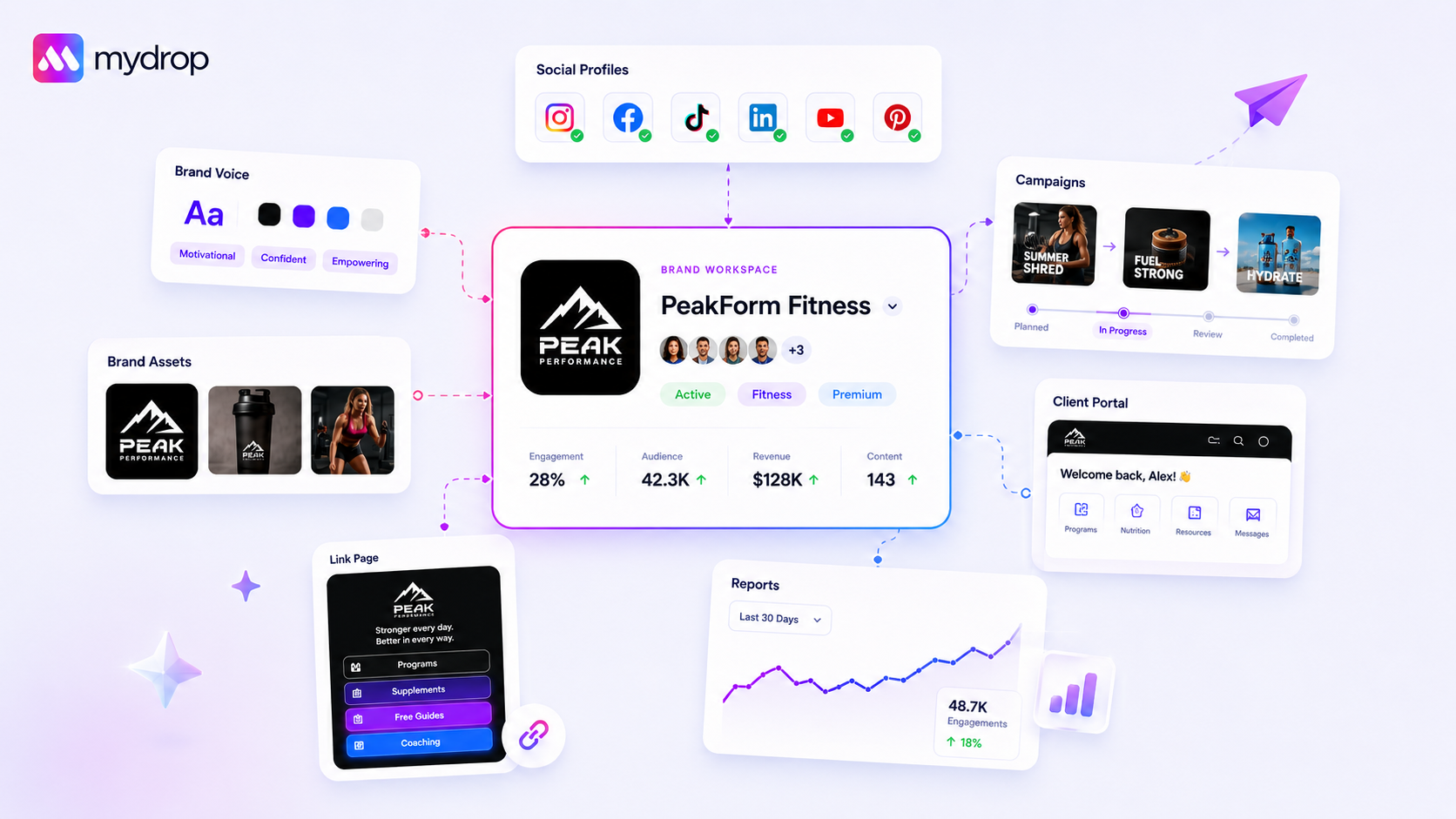
Using Mydrop for this helps because you aren't just creating a "date." You are attaching the actual Profile or Post object to the reminder, meaning the person clearing that task has the full context-and the direct link-to finish the job without digging through a separate platform.
What should stay manual and what can move faster

The golden rule here is simple: Keep the creative tension in your project management tool, but move the operational heartbeat to your calendar.
If your team is currently tracking a "weekly community sentiment check" inside a ticket, you have already lost. Why? Because that ticket lives in a vacuum. It has no proximity to the actual Instagram posts or community profiles that need the review. It becomes just another piece of coordination debt that someone marks as "done" just to clear their notification badge, often without doing the work.
Move tasks that have a fixed cadence and an object dependency out of your ticket system. If a task requires you to look at a specific set of media files, posts, or brand profiles every Wednesday, that is not a project; it is a routine. When you anchor these routines in a calendar-native reminder-like how we approach operational tasks in Mydrop-you gain the ability to link those specific assets directly to the event.
Decision check: If you cannot link the content objects (posts, media, or profiles) to the task, it belongs in a project ticket. If you can, move it to a reminder.
The tradeoff matrix
To decide which bucket a task belongs in, stop asking "how big is this project" and start asking "how often does this context repeat." The following matrix helps your team categorize tasks before they start cluttering your backlog.
| Task Characteristic | Keep in Project Tickets | Move to Calendar Reminders |
|---|---|---|
| Object Dependency | Low (Conceptual/Strategy) | High (Specific Posts/Assets) |
| Status Workflow | Complex (Draft > Review > Approve) | Simple (Pending > Done) |
| Sync Requirement | Low (Internal team visibility) | High (Google Calendar/Personal Focus) |
| Duration | Multi-day or Unpredictable | Defined (All-day or specific window) |
| Primary Value | Documentation and History | Execution and Accountability |
When you try to force high-dependency operational work into a ticket system, you end up with orphaned tasks where the context is disconnected from the outcome. In our experience, teams managing hundreds of brand profiles across multiple markets hit a ceiling when they stop using calendar-native reminders to anchor their recurring work.
They eventually realize that most "creative blockers" are actually just "where is the file" blockers. By moving these recurring maintenance tasks into a system that syncs directly with your team's Google Calendar and keeps the associated posts and profiles a single click away, you remove the friction of navigating between two different browser tabs just to finish a five-minute check-in.
The goal is not to eliminate your project management tool; it is to stop using it as a calendar. Your team’s focus is too valuable to spend it hunting through ticket backlogs for recurring work that should have been on their schedule all along.
How to pilot the workflow safely
Moving your operational rhythm to a calendar-native system can feel risky, especially when your team has spent months "safely" burying tasks in a project management tool. Don't try to migrate the entire backlog overnight. Start with one recurring friction point-like your weekly influencer brief check or the monthly content audit-and pilot it for two weeks.
If the task requires access to specific assets, use a platform like Mydrop to link those items directly to the reminder. When you attach a Post, Profile, or Media asset to the reminder, you stop chasing links in spreadsheets and start seeing the actual work that needs your attention.
Here is a simple checklist to ensure you are ready to flip the switch:
- Object Dependency: Does this task need a specific asset (a video file, a caption draft) to be completed? If yes, it is a candidate for a linked reminder.
- Sync Necessity: Does missing this task cause a ripple effect? If it needs to block your Google Calendar to stay on your radar, move it out of the ticketing graveyard.
- Governance Check: Is this a repeatable process (e.g., "Review Q3 social assets") rather than a one-off project? If it happens more than twice, it’s a process. Treat it like one.
The operating rule to keep
The most dangerous thing you can do is maintain two versions of the truth. If a task is scheduled in your project management tool and in your calendar, your team will inevitably ignore one of them.
Workflow check: If a recurring operational task requires a deep status workflow-like multiple rounds of approvals, complex handoffs between departments, or detailed version tracking-keep it in your project management tool. If the task is about cadence, attention, and asset readiness, it belongs in your calendar.
Remember, you are not trying to be a productivity master; you are trying to minimize the time your team spends looking for work. If your calendar reminder links directly to the assets they need, you have effectively removed the most common reason for delay: the "where is that file?" hunt.
Conclusion
Your content calendar is not just a publication schedule; it is the physical representation of your team's operational strategy. When you stop treating every recurring action as a project ticket and start treating them as synced, calendar-native reminders, you transform your calendar from a static view of the future into the actual engine of your social media operations.
Stop accepting the coordination debt that comes with scattered tasks. Clear the clutter, sync your heartbeat, and focus your team's energy on the content itself rather than the struggle to organize it. The best operations are the ones that run quietly in the background, exactly where your team lives every day.