

That sinking feeling of a "failed to post" notification arriving ten minutes after your big campaign was supposed to launch isn't a tech glitch; it is an operational design flaw. You have likely experienced the quiet panic of explaining an empty feed to a stakeholder or scrambling to manually fix a broken asset while the clock ticks. You deserve the confidence that comes when your process is as professional as your creative.
The "Post-and-Pray" method is an enterprise-grade liability. Your team is likely spending more time fixing broken uploads than creating high-impact content, turning your social strategy into a constant fire-drill. To stop the cycle, you have to move away from manual checks and toward an automated system that validates your work before it ever touches a live environment.
TLDR: The 30-Second Validation Checklist Why automation is your new safety net:
- Asset Integrity: Verify file formats and dimensions before upload.
- Platform Compliance: Catch API-specific rules and character limits automatically.
- Contextual Relevance: Ensure dates, events, and offers align with your calendar.
The real problem hiding under the surface
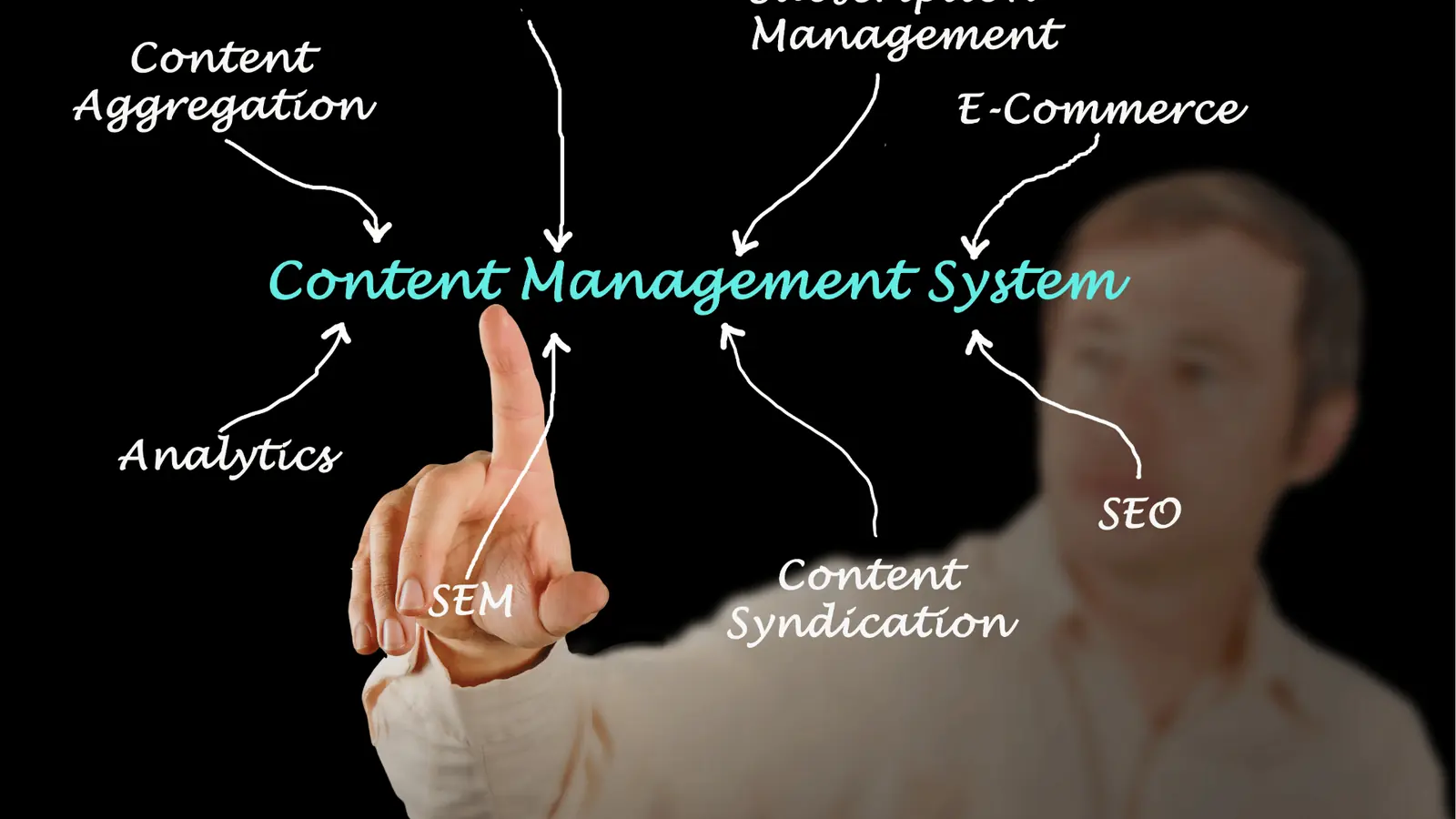
If you are managing social at scale, you know that the bottleneck isn't a lack of ideas-it is coordination debt. Every time a team member manually downloads an asset from a cloud drive, re-sizes it for a specific platform, and manually uploads it to a scheduler, you are introducing a failure point.
When you scale to 50 or more posts a week across multiple brands and regions, manual oversight doesn't just slow you down; it breaks down. Human error increases linearly with the complexity of your platform requirements. You cannot rely on a tired social manager to spot a misconfigured video aspect ratio at 4:00 PM on a Friday.
The real issue: Manual oversight is the primary bottleneck for scaling. When your process relies on tribal knowledge or spreadsheets to track platform specifications, you are fundamentally trading control for speed.
The problem is that most teams treat validation as a final, manual task-a frantic scan of the schedule before hitting save. In reality, validation should be an automated background process. If your publishing workflow doesn't proactively flag a missing thumbnail, an invalid video codec, or a platform-specific character violation before you hit the schedule button, you are effectively playing technical roulette with your brand's reputation.
Enterprise Operations Audit
Consider the cost of a single "failed to post" event. It is not just the lost engagement or the cost of the re-upload. It is the erosion of trust with your stakeholders. When the social feed becomes unpredictable, marketing leaders stop viewing social as a reliable channel and start viewing it as a source of operational friction.
Operator rule: Treat your social calendar like a flight deck. No media touches the scheduler without passing the system's compliance check first.
This is the part most teams underestimate: the hidden cost of downtime vs. the cost of a native validation workflow. Implementing an automated pre-flight check isn't about removing human judgment; it is about freeing your team from the manual labor of being a human spell-check for image pixels and API requirements. When you shift the validation burden from your people to your platform, you reclaim the bandwidth to focus on the content that actually moves the needle.
Why the old way breaks once volume rises

Manual oversight functions perfectly when you are managing two accounts and four posts a week. But once you scale to managing twenty brands across six platforms, that same process becomes the primary driver of your team’s burnout. The "Post-and-Pray" method is essentially an enterprise-grade liability that thrives on the assumption that humans are immune to repetitive strain.
Most teams underestimate: The cost of the "fix-it" cycle. If your team spends two hours daily troubleshooting failed uploads, resizing images to meet platform-specific requirements, or tracking down the latest version of a file in an email chain, you aren't scaling-you are just working harder to maintain the same low-velocity output.
When volume increases, the friction points compound. A marketing manager might copy-paste a caption from a doc, forget to include the first comment, or overlook a mandatory aspect ratio requirement for a vertical video. When that happens at 9:00 AM on a Monday, the entire team is suddenly pulled away from high-impact strategy to engage in digital triage.
| Feature | Manual Checklist | Mydrop Automated Validation |
|---|---|---|
| Media Specs | Human eye, high error rate | Real-time auto-flagging |
| Platform Rules | Institutional memory (risky) | Native API-synced requirements |
| Approval Flow | Ping-ponging emails | Centralized in-platform audit |
| Time to Market | Hours of manual verification | Seconds of automated check |
This is where the "Post-and-Pray" trap really bites. The more you scale, the more you rely on individual vigilance. That is a broken strategy because it treats social media management as a series of isolated manual tasks rather than a repeatable, validated pipeline.
The simpler operating model

Shifting to a validated workflow doesn't mean adding more process; it means embedding intelligence into the tools you already use. Think of it like moving from a manual flight checklist to an integrated cockpit display that highlights potential mechanical issues before you leave the gate.
The most resilient teams adopt a "Pre-Flight" Rule: No media enters the scheduling queue until it passes the system's compliance check. This removes the subjective burden from your staff and replaces it with objective data.
- Intake: Pull high-res assets directly from Google Drive into the gallery.
- Composition: Draft platform-specific variations within the multi-post composer.
- Automated Validation: Let the engine flag missing thumbnails, incorrect aspect ratios, or character limit violations.
- Final Sign-off: Approve content with the confidence that the "technical specs" are already handled.
- Live: Reliable delivery to every connected channel.
Pro-Workflow: By moving asset management out of local drives and email, you eliminate version control errors before the post even touches the composer. When your source of truth is synced, your validation becomes a natural byproduct of the workflow rather than an added administrative chore.
Operator rule: Process is the hidden engine behind every "effortless" social campaign.
If you are not validating your content before it hits the API, you are not managing social; you are playing technical roulette. The goal is to move your team away from manual fire-drills and toward high-impact creative operations. When you offload the technical policing to your infrastructure, you reclaim the hours you previously lost to the "failed to post" panic. The reality of enterprise social is that speed without guardrails is just an expensive way to fail faster.
Where AI and automation actually help

The most effective social teams have moved beyond using AI as a shortcut for writing tweets. Instead, they use it as an operational layer that bridges the gap between a human idea and a platform-ready asset. When your AI assistant has access to the full context of your brand guidelines and current campaign assets, it stops being a creative toy and starts acting like a high-level production coordinator.
Operator rule: Never treat AI as a generator of final output. Treat it as a validator that filters your team's work against reality.
Teams often get stuck in a "creative bottleneck" because the initial drafting process is disconnected from the publishing requirements. By using an AI assistant that holds your workspace context, you can offload the "pre-flight" heavy lifting. You aren't just asking for a caption anymore; you are asking the system to verify that the draft matches the target platform's limitations, tone requirements, and technical constraints before a single stakeholder ever sees it.
This is where the transition from manual, error-prone workflows to automated intelligence pays off.
- Asset Mapping: Have the AI confirm that every visual asset attached to a campaign draft meets the specific aspect ratio requirements for the chosen platforms.
- Policy Check: Run captions through a quick compliance filter to flag restricted language or missing disclaimer tags.
- Context Sync: Use the assistant to pull active campaign dates and offer codes directly from your internal project documents.
- Platform Parity: Ensure the "first comment" strategy is correctly formatted for each network, catching errors in character counts or link placement before they hit the API.
Common mistake: Expecting human reviewers to catch subtle metadata errors like non-compliant file sizes or missing alt-text. These are technical failures that human eyes scan past, but machines catch in milliseconds.
When you move the "validation gate" to the left-earlier in the process-the relief is almost immediate. Your content reviewers stop focusing on whether an image is the right size and start focusing on whether the creative strategy actually lands. That shift is the difference between a team that constantly manages crises and a team that manages a brand.
The metrics that prove the system is working

If you cannot measure your operational friction, you cannot fix it. Most teams track vanity metrics-likes, shares, and follower growth-while ignoring the "hidden" metrics that actually reveal the health of their social operations. You need to know exactly where the friction is, or you will spend your entire budget firefighting.
KPI box:
- Validation Success Rate: Percentage of posts that pass automated pre-flight on the first attempt (Target: > 95%).
- "Fire-drill" Reduction: Number of manual re-uploads or emergency content fixes per week.
- Approval Latency: Time elapsed from initial asset import to final scheduling confirmation.
- API Error Rate: Frequency of "Post Failed" notifications triggered by format, size, or metadata mismatches.
When you implement a formal validation workflow, these numbers usually shift in predictable, dramatic ways. The first thing you notice is not an increase in engagement, but a sudden decrease in the "quiet panic" that used to define your weekly calendar.
Your workflow should look like this:
Drive Import -> Composer -> Automated Validation -> Live Scheduling -> Performance Audit
The beauty of this model is that it removes the ambiguity of "did I get that right?" before you hit schedule. By integrating your creative repository-like pulling approved assets directly from Google Drive into your composer-you eliminate the manual download-and-re-upload cycle that introduces half of all file corruption errors.
The real test of your system is how it handles scale. If your team can manage a high-volume campaign with fifty posts across ten brands without increasing the headcount or the number of late-night "system is down" emails, your process is working. You have finally stopped playing technical roulette with your brand's reputation and started building a machine that reliably delivers content.
Process is the hidden engine behind every effortless social campaign. When you stop fighting the platforms and start managing them through a disciplined, automated layer, you reclaim the one thing that manual oversight always steals: your team's time.
The operating habit that makes the change stick

The biggest shift isn't the software you pick; it's the enforced pause you build into your daily calendar. Most teams treat the "Schedule" button as the finish line, but top-tier operations treat it as a mandatory checkpoint. If your team isn't forcing a pre-flight scan of every single asset against platform-specific constraints before it hits the API, you are essentially gambling with your brand reputation.
To make this change stick, you need to transition from "whoever hits send is responsible" to "the system validates, the operator reviews."
Framework: The Pre-Flight Rule
- Import: Keep source assets in a central repository like Google Drive to avoid broken local paths.
- Compose: Build the post using a unified composer that displays platform-specific requirements (aspect ratios, caption limits, thumbnail specs) in real-time.
- Validate: Never bypass the platform-native pre-publish check. If the system flags an error, fix it before the approval request is sent.
This habit transforms the content manager role. Instead of playing technical support for a broken Instagram reel or a pixelated LinkedIn banner, your team spends their time auditing messaging and timing. When the validation happens automatically before the "Schedule" button is even available, the stress of a post failure simply vanishes. You stop being a digital fire-fighter and start being an actual strategist.
If you are ready to stop the fire-drills, start here this week:
- Audit your last five failures: Categorize them. Were they format issues, broken links, or policy violations?
- Standardize the entry point: Move your creative team to a single source of truth for assets so "manually resizing" becomes an obsolete practice.
- Institutionalize the check: Make it a hard rule that no post enters the publishing queue without a green light from your validation tool.
Conclusion
The difference between a frantic team and a high-performing one rarely comes down to better creative talent. It comes down to how much "coordination debt" you allow into your workflow. Every manual resize, every repeated login to check aspect ratios, and every "failed to post" notification is a tax on your team’s focus-a tax that compounds until your entire strategy is just a cycle of reactive fixes.
If you are managing enterprise-level volume, your infrastructure needs to be as professional as the content you are creating. The goal isn't just to publish; it is to build a machine that makes success the default state.
When you remove the friction of manual validation, you aren't just saving time. You are building an environment where your team can actually execute the vision they were hired for, rather than spending their days playing technical roulette. Effective social management happens when the process becomes invisible, allowing the work to speak for itself. It is the steady, quiet reliability of a system that works, and at Mydrop, we built our validation workflow precisely because nobody should have to sacrifice their weekend to a broken upload.