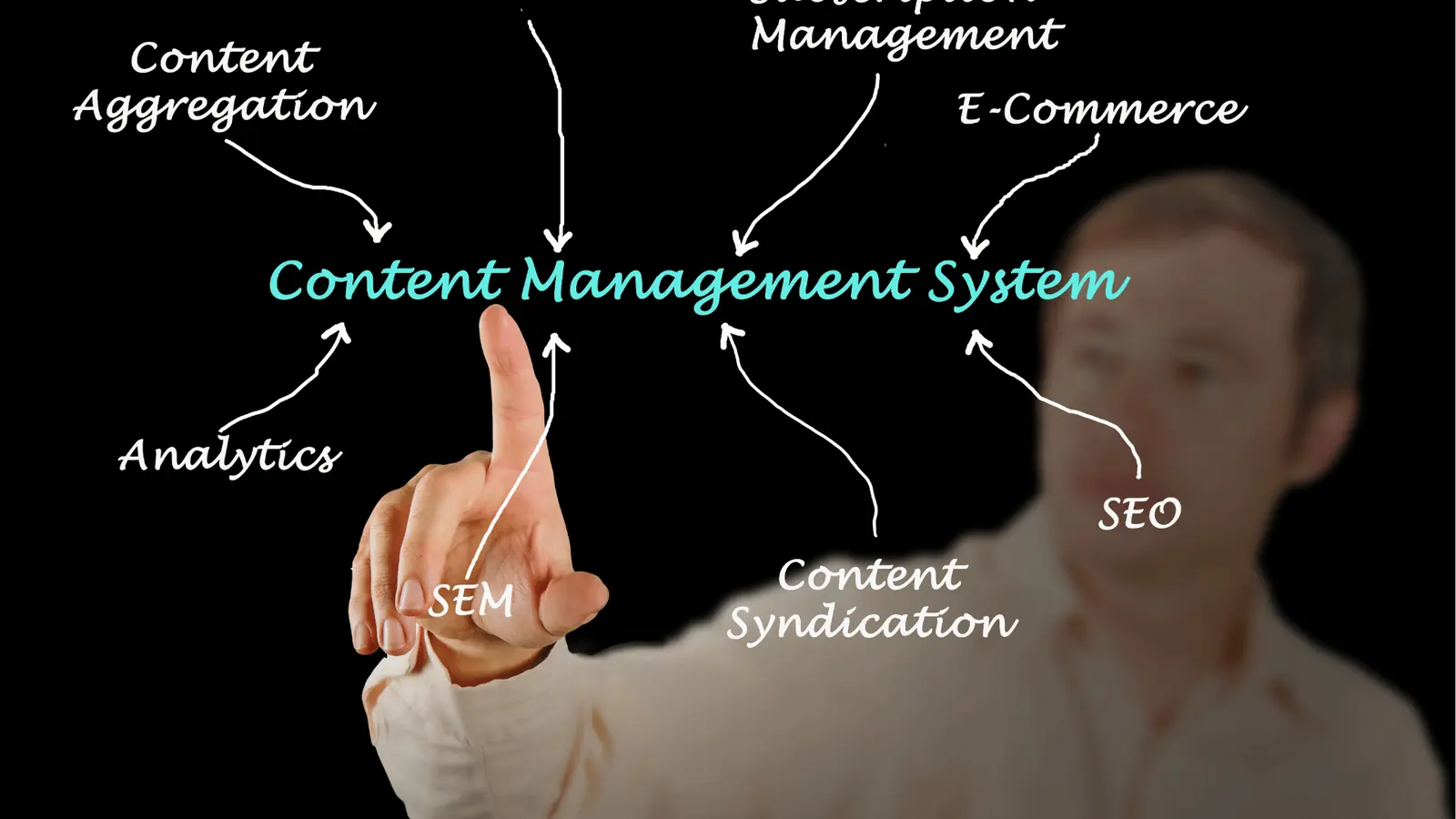
You spent hours on a campaign that looks perfect on the mock-up, but the audience isn't biting. The silence isn't a lack of interest; it is a failure of alignment between your data and your content calendar. Engagement decline at scale isn't a creative failure-it is an operational one. Teams can restore performance by moving from "publish-and-pray" to an evidence-based feedback loop that connects analytics directly to the planning board.
There is a heavy, sinking feeling when a massive team effort results in a flat-line post. The relief comes from knowing the metrics aren't just vanity numbers-they are a map showing you exactly where the conversation broke down. This guide replaces guesswork with a repeatable, five-step audit process that transforms your social operations from a blind output machine into a data-driven engagement engine.
The awkward truth: Most teams view "analytics" as a report to send to the boss, not a tool for the creator. When you treat data as a post-mortem instead of a pre-production guide, you are doomed to repeat the same low-engagement mistakes indefinitely.
TLDR: The 30-Second Audit. Check your reach, verify your timing, and confirm your audience intent before scheduling. If your current engagement rate is stagnant, ignore the fluff and focus on these three levers:
- Historical Peak Check: Cross-reference your publish time against your top-performing posts from the last 30 days.
- Creative Format Alignment: Audit whether your media specs-aspect ratio, duration, and thumbnail-match the specific requirements of the high-performing channels.
- Intent Match: Ensure the CTA in your caption directly correlates to the primary reason your followers interact with your brand (e.g., educational value vs. community participation).
The real problem hiding under the surface

The real issue is the broken telephone between your analytics team and your content creators. In many enterprise environments, data is locked in spreadsheets or third-party reports that sit in a separate browser tab, effectively invisible to the person currently typing a caption. This creates a coordination debt where content is planned based on calendar availability rather than actual audience behavior.
When your approval process lives in isolated chat threads or email chains, you lose the context of the work. You might fix a typo in an email, but you miss the chance to adjust the asset based on the fact that this specific category has been underperforming for three weeks.
The real issue: Why silos in your approval process are killing your content momentum. When approvals happen away from the source of truth, you aren't just reviewing for brand safety-you are missing the last chance to pivot for performance. A post should never move from the calendar to live without a performance baseline for that category.
Here is where teams usually get stuck: they confuse volume with velocity. Publishing more content doesn't fix a lack of engagement; it just amplifies the noise. If you aren't auditing your failures, you aren't planning for success. Engagement is the byproduct of listening, not just broadcasting.
If you are currently managing dozens of channels, your primary enemy is context switching. Every time a creator has to leave the planning board to hunt for "which metrics worked last month," the quality of the planning dips. By keeping operational context-such as campaign ideas, review notes, and performance data-right next to the work in the calendar, you close the gap between insight and action.
| Operational Mode | Data Integration | Planning Accuracy |
|---|---|---|
| Manual Audit | Disconnected reports | Reactive / Guesswork |
| Mydrop Workflow | Performance context linked to calendar | Proactive / Evidence-based |
Ultimately, your goal is to stop guessing. When you treat the calendar as a live, evolving document that "remembers" what worked, your content stops feeling like a shot in the dark and starts looking like a coordinated move. You don't need more creative ideas; you need a tighter feedback loop that treats every post as a learning opportunity.
Why the old way breaks once volume rises

The moment your content calendar moves beyond one or two channels, the standard process of email threads, shared spreadsheets, and instant-messaging approvals begins to leak value. You aren't just losing time; you are losing context. When a campaign moves from a planner’s desk to a legal reviewer in a separate tool, the original intent-the why behind that specific video edit or caption choice-gets stripped away.
The result is a subtle but destructive form of organizational drift. Marketing managers start approving posts based on whether they look "safe" rather than whether they align with the current performance data. Creative teams, meanwhile, stop viewing analytics as a roadmap and start viewing them as a post-mortem report they hope they don't have to explain.
Most teams underestimate: The hidden friction cost of switching context between the approval tool, the creative brief, and the performance report. When these aren't unified, the "human layer" of your approval process-the nuanced feedback that makes content better-is usually the first thing sacrificed for speed.
This is the point where the "publish-and-pray" cycle sets in. Because the approval process is decoupled from the actual performance metrics, teams accidentally repeat errors they already paid to learn from. You end up in a perpetual state of administrative maintenance, where the focus is entirely on hitting the calendar deadline, and the actual efficacy of the post becomes an afterthought.
| Feature | Manual Audit (Email/Chat) | Mydrop-Automated Review |
|---|---|---|
| Context Retention | Lost in separate threads | Kept with the post workflow |
| Data Visibility | Post-mortem report only | Visible during planning |
| Governance | High risk, manual checks | Automated pre-publish validation |
| Feedback Loop | Fragmented/Offline | Linked to performance baseline |
The simpler operating model
If volume is the enemy of quality, then integration is the only way to reclaim it. You need a model that treats data not as a static historical record, but as a living requirement for every new piece of content. The shift here is moving from "approval as a gatekeeper" to "approval as an evidence-based check."
This doesn't require more meetings; it requires a tighter feedback loop that forces the data to be visible precisely when you’re deciding what to post next.
- Intake: Define the campaign goal with historical performance context.
- Contextual Planning: Draft content while viewing the "golden hour" and top-performing themes for that specific profile.
- Internal Validation: Catch formatting or compliance errors before a single person is asked to approve the post.
- Evidence-Based Approval: Review the post alongside the data that justified its creation.
- Publish & Learn: Automatically feed the post results back into the planning board for the next cycle.
Operator rule: Never move a campaign from the calendar to live status without comparing the proposed media specs and messaging against your current
Verified Workflowbenchmarks. If the data says a certain category is trending down, the approval flow should flag that post for a strategy review before it reaches the final sign-off stage.
By attaching your operational notes and approval context directly to the calendar item, you stop managing documents and start managing outcomes. The goal is to reach a state where your team isn't just asking "is this ready to post," but "is this the right play based on what we know right now." When your planning board becomes the place where you synthesize data, the gap between "the campaign looks good" and "the campaign works" finally starts to close.
Where AI and automation actually help

Most teams treat automation like a magic wand that should generate captions or brainstorm ideas. That is a distraction. The real power of automation in an enterprise environment isn’t creativity; it is coordination debt reduction. When your team spends more time emailing attachments and chasing status updates than actually refining the content, your engagement suffers because your content is always stale or misaligned.
Here is where you should actually focus your automation efforts to move the needle:
Common mistake: Relying on team memory to catch media specs or platform-specific errors. Relying on "best effort" review leads to those last-minute publishing failures that kill your momentum before the post even goes live.
Automation should act as the invisible gatekeeper that stops "bad" work from hitting the feed. Think of it as a pre-publish safety net. Before any post touches the live environment, you need an automated check that validates the technical requirements-image aspect ratios, caption length, and required tags-against platform constraints. This is where Mydrop’s pre-publish validation changes the game. It forces alignment between the creator and the platform’s strict rules, preventing those embarrassing "Oops, it’s cropped wrong" moments that instantly signal to an audience that your brand isn't paying attention.
If you are running a complex workflow, try mapping it out this way:
Intake -> Stakeholder Approval -> Technical Validation -> Schedule -> Performance Sync
By automating the "Technical Validation" and "Stakeholder Approval" steps, you remove the human friction that causes delayed campaigns. You aren't replacing the human; you are just removing the busy work that makes the human look like they aren't trying.
- Ensure all assets are checked for platform-specific format requirements before the approval phase begins.
- Assign mandatory approvers for every channel to avoid the "waiting for a reply" bottleneck.
- Use pinned calendar notes to attach campaign context to the workflow, ensuring the legal or brand team understands the "why" behind the creative.
- Implement a system that alerts you if a post is scheduled without the required UTM parameters or tracking links.
The metrics that prove the system is working
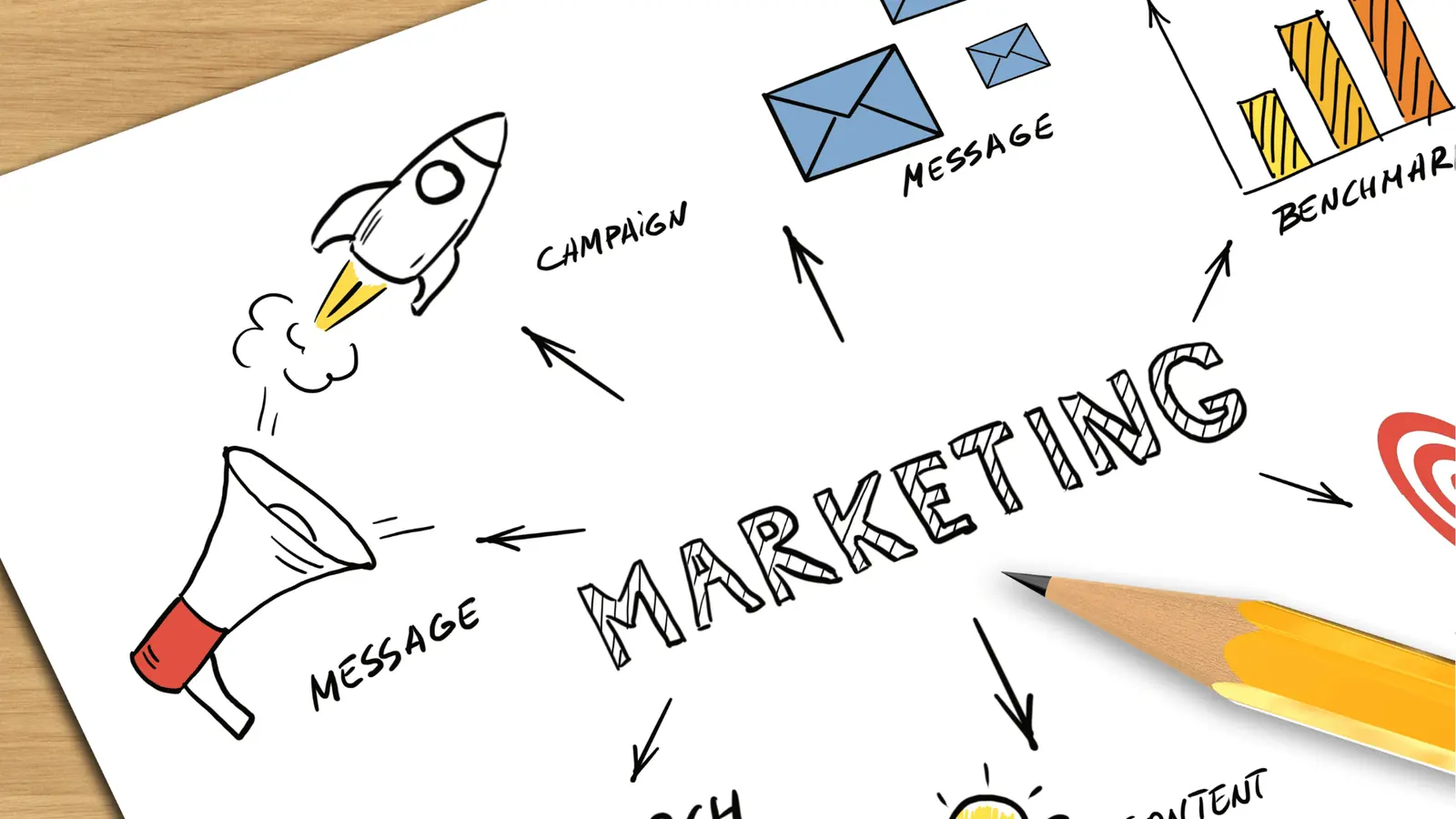
The hardest part about fixing engagement is knowing when to stay the course and when to burn the plan to the ground. If you don't have a clear baseline, you're just reacting to noise. Teams that win at scale treat their analytics as a pre-production guide rather than a report card they check once a month.
KPI box: Engagement Rate per 1,000 Impressions. Focus on this over raw likes. It tells you exactly how effectively your content resonates with the people who actually see it, filtering out the "lucky" viral reach that provides zero long-term brand value.
When you start digging into your data, you’ll find that most low-performing posts share the same operational failure: they were published without a performance baseline for that specific category. You wouldn't launch a product without market research, so stop launching content "just because it’s Tuesday."
Use your performance analysis tools to audit your past 90 days. Filter by engagement rate and look for the posts that actually move the needle. When you find your "Verified Workflow" content-those posts that consistently hit your targets-that becomes your template for the next quarter.
Operator rule: Never move a campaign from calendar to live without a confirmed performance baseline for that specific content category. If you don't have a baseline, the first post of a new series should be treated as an experiment, not a campaign pillar.
The ultimate goal is a feedback loop where your planning board is constantly updated with what works. If your Analytics view says that Tuesday morning posts about customer stories perform 20% better than Thursday afternoon infographics, your content calendar should automatically reflect that trend. You stop fighting the data and start building around the reality of your audience’s habits. When the system is working, your team stops guessing what to post and starts executing on a proven, iterative map. Engagement isn't a gift; it is the inevitable result of operational discipline.
The operating habit that makes the change stick

The most effective teams do not rely on willpower to improve engagement; they rely on a recurring performance-sync. This is a 15-minute weekly habit where you stop looking at the content calendar as a schedule and start looking at it as a hypothesis log. Before anyone touches the creation tools for the next week, the team reviews the previous cycle's data to see which posts hit the mark and which ones underperformed.
When you treat performance as a living document rather than a quarterly report, the pressure to "fix" engagement vanishes. You stop guessing what the audience wants because the data is literally sitting on your calendar next to the planned work.
Operator Rule: Never move a campaign from the idea stage to the scheduling stage without checking the performance baseline for that specific content category.
To turn this into a standard operating procedure, implement this simple audit loop:
- Review: Open your performance dashboard and filter for the last seven days. Look for the top three posts by engagement rate, not just reach.
- Tag: Identify the winning characteristics. Was it a specific video format, a time-of-day shift, or a unique visual hook? Apply these findings directly to the notes in your next week of scheduled posts.
- Verify: Use pre-publish validation to check if the new, evidence-based post meets all platform specs before it goes live. This ensures the refined strategy is not derailed by technical errors.
This habit shifts the burden from your creative team to your operations. When your planning tool is tightly coupled with your analytics, you don't need a massive meeting to pivot a strategy-the evidence is already visible to the person setting the next post.
Quick Win: Use Mydrop performance filters to identify the "Golden Hour" for your specific audience segments. Schedule your highest-effort content exclusively during these peaks for the next two weeks and track the lift in engagement rate.
Conclusion

Engagement failure is rarely about a bad idea; it is usually about the lack of a feedback loop between the content you ship and the data you collect. When you stop treating social media management as a series of disconnected publishing events and start treating it as an iterative engineering process, the results tend to stabilize.
You build confidence when every post is a deliberate test rather than a blind guess. Even the most talented creative team will struggle if they are flying blind without a clear connection to their audience’s actual behavior. Great social results are not found in the creative brief alone-they are found in the cycle of listening, testing, and adjusting at scale.
Ultimately, social media performance is just the byproduct of a well-oiled operational rhythm. The teams that win are the ones that coordinate their data and their workflow so tightly that they no longer have to worry about missing the mark. They simply keep the loop running.