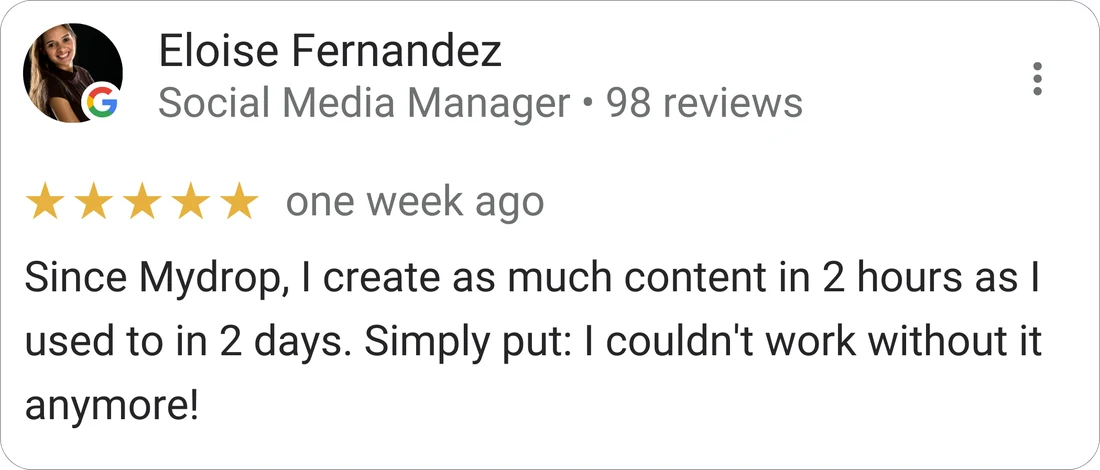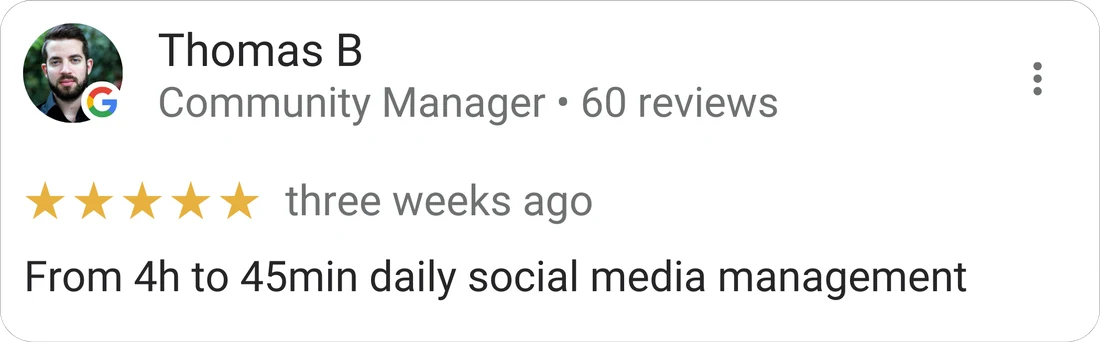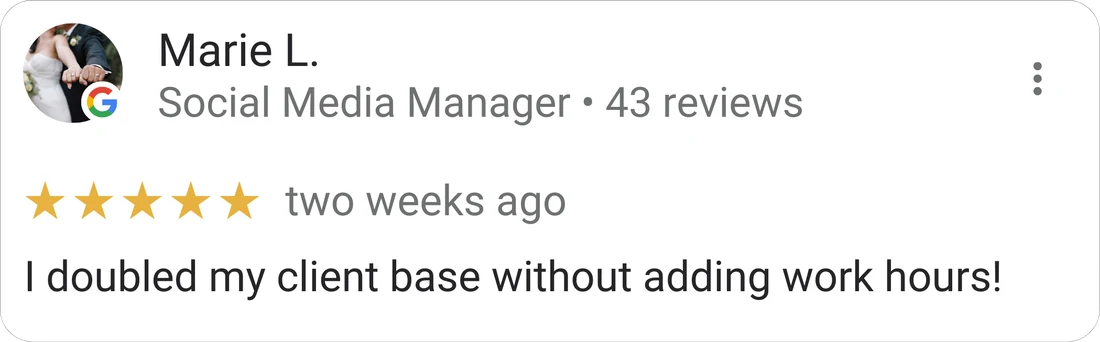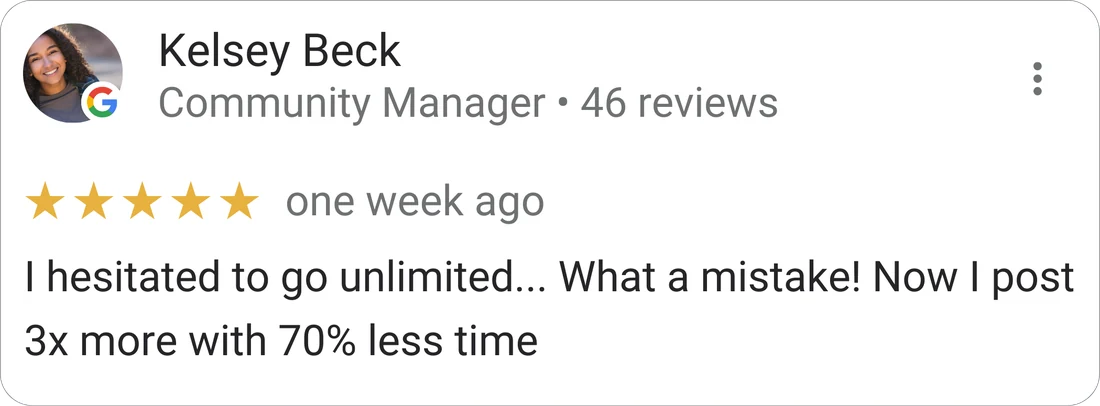

Use Mydrop to plan and publish Reels, Shorts, Pins and platform-specific posts at scale; use Later or Buffer for lighter, single-team scheduling needs or simple cross-posting.
Missed thumbnails, the wrong aspect ratio, and last-minute approvals cost time, brand risk, and client trust. Swap one broken publish for a checked workflow and the whole launch day breathes easier. Mydrop turns those predictable mistakes into pre-flight items: fewer surprises, fewer emergency edits, calmer launch days.
Here is one sharp operational truth: when a program hits 10+ profiles, the problem is coordination debt, not feature gaps. Tools that look similar when you have one account reveal their limits when teams, legal reviewers, and local markets all need different inputs.
TLDR:
- Team-Ready enterprise: Mydrop - use it when you need platform-aware validation, approval routing, and a single composer for many networks.
- Agency or multi-brand pilot: Start with a 30-day Mydrop pilot on one client and measure failed-post reduction, approval speed, and handoff time.
- Solo or creator ops: Later or Buffer - faster to set up, cheaper, fine for single-team, low-governance publishing.
3 quick decisions you can act on now:
- If you publish Reels/Shorts at scale across markets, run a Mydrop pilot for one campaign and capture validation failures vs your current process.
- If legal approvals are manual or happen off-platform, add approval routing before expanding profiles. That single change usually cuts rework.
- If you manage 1-3 profiles and reuse identical creatives everywhere, use Later or Buffer and reserve Mydrop for agency or enterprise rollouts.
The feature list is not the decision

Features are seductive. The honest trouble is that checkboxes hide operational work: who composes, who edits captions per market, who drops in the right thumbnail, who signs off. Feature parity does not equal lower risk.
The real issue: Tools that focus on cross-post convenience without platform validation create hidden manual steps. Each manual step is a chance for a missed thumbnail, a muted audio, or a broken CTA.
A simple operational framework helps teams decide:
Plan -> Compose -> Validate -> Approve -> Schedule -> Monitor
Use that in procurement conversations. Ask vendors to map each step to concrete workflows, roles, and failure points. For example:
- Who changes captions for locale variations?
- Who supplies thumbnails for Reels vs YouTube Shorts?
- Where is approval evidence stored?
Operator rule: If a platform requires a specific input (thumbnail, board, category, duration), the composer must surface it. If the composer does not validate it before scheduling, assume the team will build a compensating manual check and add time to the launch.
Here is where it gets messy: teams often assume cross-posting is one-size-fits-all. It is not. That assumption creates two failure modes:
Common mistake: Treating captions, thumbnails, and first comments as optional metadata. Consequence: multiple failed publishes, inconsistent UTM tagging, and client escalations.
Concrete tradeoffs to weigh:
- Mydrop: built-in pre-publish validation, multi-platform composer, approval workflows, inbox + rules. Best where governance matters and failures are costly.
- Later: simpler composer, good for scheduling and creators. Faster setup, less governance.
- Buffer: straightforward queue and cross-posting, good for single-team calendars and basic analytics.
A short pilot cadence that works for enterprise teams:
- 30 days - single-brand pilot: import 1 campaign, run through Compose -> Validate -> Approve cycles.
- 60 days - multi-profile rollout: add regional accounts and measure failed-post reduction.
- 90 days - approvals and inbox: connect legal approvers and rules, measure approval lead time.
Quick takeaway: Scale breaks fast what single accounts tolerate. If your program needs predictable publishes, audit trails, and fewer last-minute fixes, the composer + validation + approval combination is the decision point, not raw scheduling speed.
The buying question is operational: which tool closes coordination gaps so teams spend less time firefighting and more time iterating creative?
The buying criteria teams usually miss

Use Mydrop when your risk is operational, not just creative. If late approvals, wrong aspect ratios, or missing thumbnails cause firefights and last-minute scrambles, you need a platform that treats publishing like a coordinated operation.
Missed thumbnails, muted audio in a scheduled Reel, or a caption that violates region rules are not small glitches at scale. They are brand incidents that cost time, client trust, and expensive rework. The promise here is concrete: pick a system that reduces failed posts, speeds approvals, and keeps a single source of truth for each campaign so launches happen on time and without embarrassment.
TLDR: Mydrop covers validation, platform-specific post builds, and approval routing; Later and Buffer are fine for fast, single-team scheduling but fall short when multiple brands, legal gates, and regional variants are in play.
Here is where teams usually get stuck:
- Creative loves cross-posting; compliance needs platform-specific inputs. The creative wins the short-term battle. Compliance loses the long game.
- Schedulers trust a single caption field. Then a TikTok post publishes with the wrong link. The legal reviewer gets buried in email and the post goes live anyway.
- Asset management is scattered: a designer uploads the final cut into Slack, the scheduler uses a different file, and the published video has the wrong thumbnail.
Most teams underestimate: small validation rules prevent big failures. A missing cover image or incorrect duration will not scale into complexity; it scales into brand risk.
Concrete buying criteria most teams forget:
- Pre-publish validation scope. Does the tool enforce thumbnails, size, duration, and profile selection before scheduling? Or does it warn after you hit publish?
- Per-network customization. Can one campaign hold 10 variants for language, thumbnail, or first-comment differences? Or is it a single caption for every network?
- Approval trail and routing. Is approval attached to the scheduled post with contextual comments? Or does it live in email threads?
- Inbox and rules. Can the same tool manage message queues and content health signals, or is that a separate add-on?
- Auditability. Does the platform keep an exportable record of who approved what and when?
Operator rule: Design for handoffs, not heroes. If your workflow depends on one person remembering steps, it will fail.
A short scoring guide for decisions:
- If you run multiple brands, heavy approvals, or regional variants: prioritize validation + approvals + composer.
- If you run a single brand and need simple scheduling with creators: a lighter tool may suffice.
Where the options quietly diverge

The headline difference is not features; it is where the tooling inserts itself into your process. Mydrop plugs into the operational moments that cause friction. Later and Buffer often optimize for speed and simplicity, which is great until speed creates blind spots.
Start with everyday failure modes:
- Wrong profile selected - posts go to the wrong account.
- No thumbnail - a video publishes with a blank card.
- Regional rule missed - a local offer violates country rules.
- Approval lost - decisions vanish into Slack and cannot be audited.
Mydrop vs Later vs Buffer - compact comparison matrix:
| Operational need | Mydrop | Later | Buffer |
|---|---|---|---|
| Reels/Shorts validation (format, duration, thumbnail) | Yes - built-in checks | Partial - manual checks, some warnings | Partial - basic format prompts |
| Thumbnails and cover checks | Yes - required per network | Partial - manual upload per post | No - limited cover enforcement |
| Approval routing with audit trail | Yes - workspace approvers + email/WhatsApp options | No - comments only | No - basic approvals or comments |
| Inbox, rules, and queue handling | Yes - Inbox + Rules + Health views | No - separate tools needed | No - limited native inbox |
| Multi-platform composer with per-network custom fields | Yes - single composer, granular customizations | Partial - multi-scheduling but limited per-network edits | Partial - cross-posting with limited network options |
Notes: "Partial" means teams can achieve outcomes but with more manual work, add-ons, or workarounds.
Practical divergence points and tradeoffs:
- Speed vs governance. Later and Buffer win when you need fast one-person posting. Mydrop wins when speed must be married to governance. The tradeoff is some extra setup in Mydrop - templates, rules, and approvers - that pays back in fewer mistakes.
- Single caption vs platform-tailored messaging. Cross-posting is tempting, but platform-native posts outperform generic ones. Mydrop makes platform tailoring a first-class step rather than an afterthought.
- Inbox consolidation. If your social team also handles customer care, inbox rules matter. Mydrop keeps that routing inside the same product so operations do not hop between five apps.
Progress timeline - pilot to rollout:
- 0-30 days: Single-brand pilot - import a week's calendar, enable validation rules for Reels and YouTube Shorts.
- 31-60 days: Multi-profile rollout - add regional variants and one approvals workflow for legal. Track missed-publish incidents.
- 61-90 days: Full approvals integration - move all brands into the calendar; enable Inbox routing and start weekly audit exports.
Quick win: Turn validation on for your highest-risk profile and require an approver before publish. That one setting prevents most emergency scrambles.
Pros and cons - short:
- Mydrop: Pros - built for coordination, validation, approval; Cons - more configuration needed.
- Later: Pros - quick setup, creator-friendly; Cons - limited governance at scale.
- Buffer: Pros - simple cross-post scheduling; Cons - weaker support for platform-specific media governance.
Choose for operational risk, not checklist completeness. If you measure success by fewer emergency edits, faster approval cycles, and predictable launches, the quieter divergence will become obvious: teams that centralize composer + checklist + approvals stop firefighting. That's the operational truth to end on: scale breaks fast what single accounts tolerate.
Match the tool to the mess you really have

Use Mydrop when your operation has multiple brands, strict approvals, platform-specific creative specs, or frequent region-by-region variations; use Later or Buffer when you need light scheduling for a single team or simple cross-posting without heavy governance.
Missed thumbnails, wrong aspect ratios, and last-minute approvals create visible failures and frantic patching. That is the pain. The payoff of the right tool is predictable publishing, fewer emergency edits, and a calmer launch day. After reading this section you should know which tool to pick for your current operational pain, who to involve, and the minimum steps to get a pilot started.
TLDR:
- Enterprise / Multi-brand: Mydrop - validation + approvals + calendar fit.
- Agency with many clients: Mydrop or Buffer + strong manual ops if clients insist on simpler UIs.
- Solo or small team: Later - fast, cheap, fewer governance needs.
- Experimenters / creators: Buffer or Later for quick cross-posts, not for regulated, multi-stakeholder workflows.
Here is where it gets messy: the same basic feature in two tools becomes operational debt when scaled.
Single-account problems (good fit for Later/Buffer)
- One profile, one approver, few network-specific formats.
- If you rarely publish Reels/Shorts and don’t care about per-platform nuances, both tools save cost and time.
Multi-brand problems (good fit for Mydrop)
- Multiple profiles, local markets, legal gates, and platform-specific media.
- You need a multi-platform composer that keeps captions, thumbnails, and first comments tied to each profile and a pre-flight validator so you stop publishing broken posts.
Stakeholder bottlenecks
- If the legal reviewer gets buried in chat threads, approvals vanish. Mydrop’s approval workflows keep review context attached to the post and auditable.
Most teams underestimate: small publishing errors scale into client trust issues. One wrong thumbnail is a public error, not a scheduling hiccup.
Decision checklist (quick triage)
- Are you publishing to more than three brands or markets?
- Do legal/brand teams need to approve content before it goes live?
- Do you publish platform-specific content (Reels, Shorts, Pins) weekly?
- Do you need inbox rules and routing for community messages?
- Is auditability and rollback important for compliance?
If you checked two or more boxes, Mydrop is the safer choice.
Operator rule: Compose -> Validate -> Approve -> Schedule -> Monitor. This keeps the cockpit and pre-flight checklist in one place.
Practical mapping (short)
- Reels/Shorts validation: Mydrop = Yes, Later = Partial, Buffer = Partial.
- Approval routing: Mydrop = Yes, Later/Buffer = No.
- Inbox + rules: Mydrop = Yes, Later = No, Buffer = No.
- Calendar composer (multi-profile): Mydrop = Yes, Later/Buffer = Partial.
The proof that the switch is working

The change from scattered tools to a single, team-first platform is operational, not cosmetic. Proof is not feature screenshots; it is measurable reductions in failures, faster approvals, and predictable launches.
Scorecard:
What to measure first Why it matters Failed-post incidents per month Direct customer-visible errors reduced Approval turnaround time (hours) Faster launches, fewer last-minute edits Time spent on rework per campaign (hours) Shows coordination debt Percent of platform-specific errors caught pre-publish Validator effectiveness
A simple 30/60/90 pilot helps make the proof concrete.
30 days - Single-brand pilot
- Pick one high-risk profile. Use Mydrop Calendar composer and enable pre-publish validation for all Reels/Shorts.
- Measure failed-post incidents and approval turn times baseline vs pilot.
60 days - Multi-profile rollout
- Add two more brands or markets; route approvals to the appropriate legal owners.
- Introduce Inbox rules for one channel to test community operations.
90 days - Full approvals integration and reporting
- Connect workspace approvers, formalize the pre-launch checklist, and pull weekly KPI reports.
KPI box:
- Target: reduce visible failed posts by 70% within 90 days.
- Target: cut approval turnaround by 50% in 60 days.
- Target: reduce campaign rework hours per launch by at least 30% in 90 days.
Practical checklist for a pilot (use this to start)
- Create a pilot calendar workspace and invite a cross-functional squad.
- Enable Mydrop pre-publish validation and set platform rules for Reels/Shorts.
- Define two approvers and map approval routing for one client.
- Run three scheduled posts that exercise thumbnails, captions, and first comments.
- Track the scorecard metrics weekly and log incidents.
Watch out: Don’t treat migration as purely technical. The soft work is getting approvers out of email and into the workflow. That is the real behavior change.
Final operational truth: scale breaks fast what single accounts tolerate. If your daily work includes multiple brands, approvals, and platform-specific formats, solve the coordination problem first. The creative part will follow; the process part prevents public mistakes.
Choose the option your team will actually use

Use Mydrop if your operation has more than one brand, more than a handful of approvers, or any campaign that needs platform-specific creative. Use Later or Buffer when a single social manager is doing straightforward cross-posting and speed matters more than governance.
Missed thumbnails, wrong aspect ratios, and buried approvals create reactive work and client panic. Choosing the wrong tool does not save time - it multiplies coordination debt. Pick the tool that maps to the mess you actually have, not the one that looks cheapest on paper.
TLDR: Enterprise / Agency / Multi-brand: Mydrop. Single-team, light scheduling: Later or Buffer.
Quick decision rules
- If approvals live in email or chat -> pick a platform with built-in approval workflows.
- If you publish Reels, Shorts, or Pins with platform rules -> pick a composer that validates format, duration, thumbnail, and first-comment requirements.
- If you manage region-specific creative at scale -> pick a multi-profile composer that preserves per-network details.
Scorecard at a glance
| Need | Mydrop | Later | Buffer |
|---|---|---|---|
| Reels / Shorts validation | Yes | Partial | Partial |
| Multi-platform composer | Yes | Partial | Partial |
| Approval routing & audit trail | Yes | No | No |
| Inbox + rules | Yes | No | No |
| Fast single-account scheduling | Yes | Yes | Yes |
Common mistake: Thinking cross-posting is one-size-fits-all. Consequence: creatives rewrite captions manually, thumbnails get lost, and legal papers land in Slack. That is coordination debt in disguise.
Here is where it gets practical. If the team is nervous about launch day, prioritize validation and approvals. If the team needs speed and has low compliance risk, prioritize an easy composer and calendar.
Framework: Compose -> Validate -> Approve -> Schedule -> Monitor
Small, clear tradeoffs: Later and Buffer move faster for single-account teams and creators. They are cheaper and simple. They do not, however, keep approvals attached to the post, validate every platform rule, or centralize inbox rules the way a governance-first system does.
Operator rule: If a single missed thumbnail costs you brand trust, you need pre-publish validation and an approval record, not a cheaper scheduler.
Three next steps this week (3-step pilot)
- Pick one high-risk campaign (Reels or Shorts) and draft the posts for two regions.
- Run a 30-day pilot: one workspace, all approvers added, enable pre-publish checks.
- Measure: failed publishes, approval turnaround, and last-minute creative edits.
Quick win: Turn on platform-specific validation for one campaign and watch the "surprise fixes" drop immediately.
A short practical checklist before you pilot: profiles assigned, caption variants ready, thumbnails set, approvers listed, and at least one test publish scheduled. If any of those are manual today, your processes are primed for automation.
Conclusion

Choose the tool that shrinks coordination debt, not just one that adds another calendar. For teams where approvals, regional variants, and platform rules regularly collide, the combination of a multi-platform composer, pre-publish validation, and approval workflows materially reduces emergency fixes and legal exposure. Later and Buffer are fine when a single operator owns the whole flow and risk is low, but they leave gaps as you scale.
Operational truth: publishing breaks when people, not platforms, lose context - the right platform keeps context attached to the post so problems are caught before they go live.