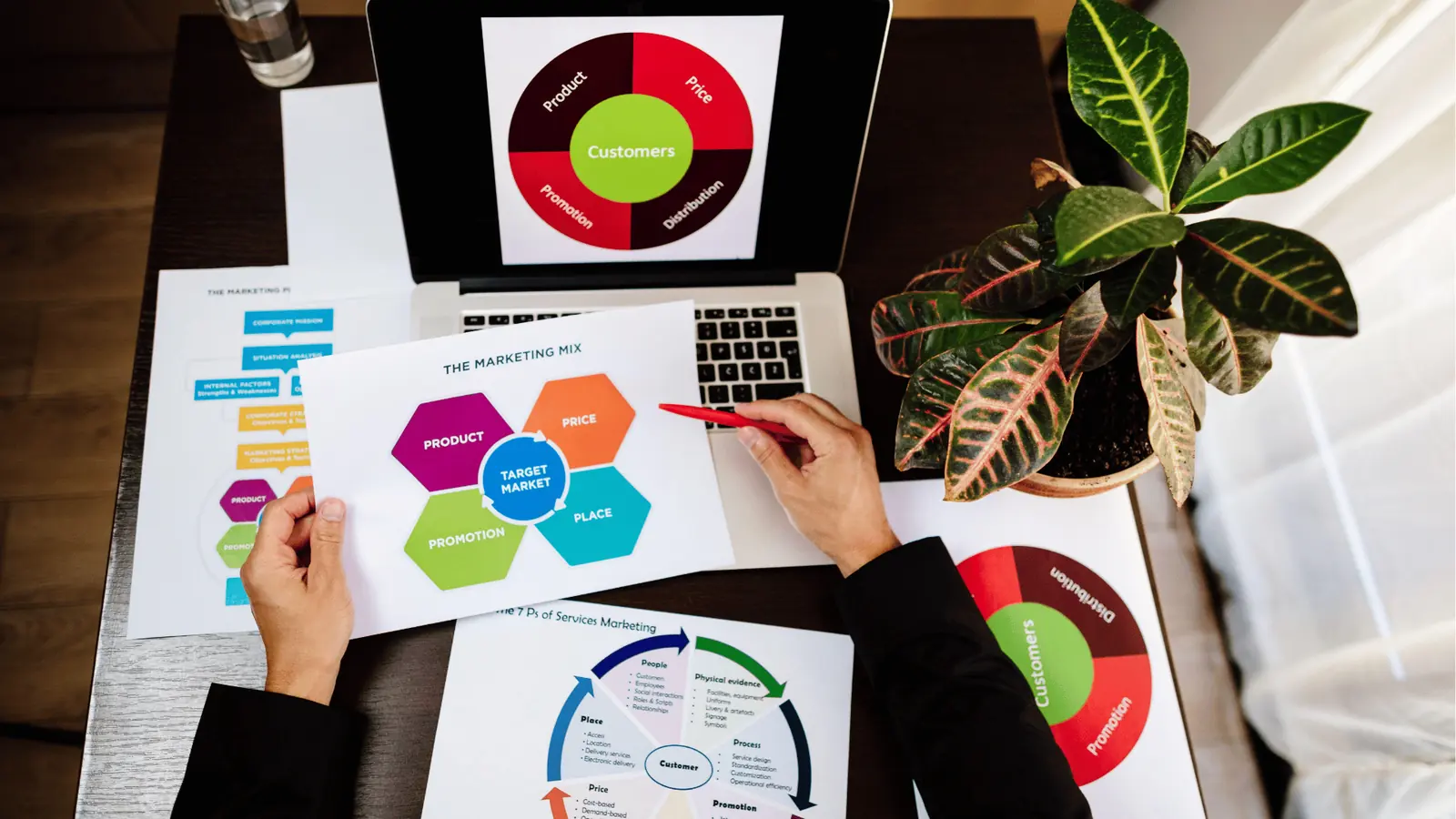
Choose Mydrop's AI Home plus the multi-platform composer when your team needs planning-first workflows, precise per-network tailoring, and asset and automation paths that do not break at handoff.
Marketing ops live with scattered drafts, frantic re-uploads, and little edits lost between tools. Relief looks like a working AI teammate that remembers context, a composer that preserves platform specifics, and automation that shrinks repetitive approvals so senior editors can focus on strategy.
Here is the sharp truth: a feature checklist hides the real cost. One missing caption tweak or a wrong thumbnail is not a minor bug, it is a coordination tax that compounds across markets and brands.
The feature list is not the decision

Most vendors pile features into spec tables. That is helpful, but it misses whether a tool actually preserves intent from plan to publish. The decision should be about context continuity: does the tool let a planner start in the same place the publisher finishes?
Mydrop matters here because Home gives teams a persistent AI session to start and continue work without losing the brief. From the same Home session you can turn ideas into drafts, save reusable prompts, and push content into Calendar > New post where each platform receives a native-tailored post without retyping details. Canva and Google Drive imports keep design and approved creatives inside the publishing flow. Automations let you codify repeatable approvals and publish sequences so status and permissions are visible.
TLDR: Mydrop is best when planning before drafting matters, native tailoring is required, and Drive/Canva asset preservation is non negotiable. Native-first tools win where single-channel control is vital. Lightweight schedulers are cheap and fast, but they create more rework.
The real issue: A lost caption costs more than a lost post; it costs trust. The cost shows up as extra review rounds, delayed launches, and frustrated local teams.
Most teams underestimate: the asset handoff. Uploading a final PNG once is not the problem. The problem is repeating that step across teams, formats, and thumbnails for multiple platforms.
Quick decisions you can make right now:
- If you publish multi-platform campaigns with localizations and thumbnails, choose a composer with per-platform tailoring and asset exports.
- If creatives live in Drive or Canva and approvals are strict, prioritize tools with direct Drive picker and Canva export/import.
- If approvals and repeatable sequences slow you down, require an automation builder that shows status and can be paused or run once.
Enterprise fit checklist:
- Planning: persistent AI context and saved prompts.
- Tailoring: per-platform caption, thumbnail, and post type options.
- Assets: direct Drive and Canva pipeline.
- Governance: visible approvals, role controls, and audit trails.
Operator rule and framework you can use:
Operator rule: Plan once, produce many, preserve intent. Framework: PLAN -> DRAFT -> GALLERY -> TAILOR -> AUTOMATE
Here is where it gets messy. Tools that call themselves "native-first" often force teams to rebuild the brief inside each post composer. That looks fine for single-network specialists. But for agencies or brands running 8 clients and 12 markets, repeated rebuilds equal duplicated work, missed context, and compliance risk.
Common mistake to avoid:
Common mistake: Treating the composer as a scheduler only. Consequence: Local teams rework captions, legal reviewers re-request assets, and launch windows slip. Fix: Move planning and creative imports into the same system that composes and schedules posts.
Mini scorecard for vendor tradeoffs:
- Mydrop: strong planning, full per-platform options, Drive/Canva import, automation builder, enterprise controls.
- Native-first tools: best for deep single-network features, weaker cross-network handoff.
- Lightweight schedulers: fastest to deploy, highest risk of coordination debt.
A simple rule helps selection meetings: ask for the end to end story. Show how a campaign brief becomes a localized post with the thumbnail set, first comment queued, and approvals logged. If a vendor cannot demo that flow without manual download/upload steps, mark them down.
Quick win: Automate one recurring review cycle. Pick a weekly evergreen post batch, connect Drive assets, set an approval automation, and run it once. Track time saved in the next release meeting.
The followable operational truth before moving on: choose the tool that keeps the brief intact across people and platforms, not the one with the longest feature list.
The buying criteria teams usually miss

Pick the tool that preserves the campaign intent across every handoff, not the one with the flashiest composer UI. If your choice breaks the idea at any stage - planning, asset import, tailoring, or automation - you will pay for it in review cycles and late-night fixes.
Marketing ops live with two repeating failures: creative files stuck in Drive, and captions that get shortened, deleted, or mistranslated between platforms. The promise here is simple: fewer manual re-uploads, fewer lost caption tweaks, and a composer that keeps platform rules visible while you work. That is where planning-first systems like Mydrop start to matter: Home keeps the brief and AI threads alive, the composer keeps per-network fields intact, and the gallery links the original assets to each post.
What teams usually forget when evaluating composers
- Permissions and audit trails matter more than an extra social network in the dashboard. Legal reviewers need the asset origin, not just a flattened JPG.
- Native options are not optional. Can the composer set thumbnails, first comments, aspect ratios, and native post types without manual post-publish edits?
- Asset fidelity is a hidden cost. Each forced download/upload step multiplies the chance of wrong size, muted captions, or stale versions.
- Automation visibility decides whether operations scale. If automations are opaque, a paused automation becomes a blocker no one notices until launch day.
TLDR: Choose a composer that ties planning, assets, and automation together. Mydrop is best when you need a planning-centric workflow plus Drive and Canva imports; native-first tools win on platform-polish for single-network power users; lightweight schedulers are cheap, but they leave governance work on the table.
Most teams underestimate: A missing thumbnail or reformatted video causes cascading delays across 12 markets. The time lost is not in the publish step; it is in the slow meetings to fix the mistake.
Quick scorecard to add to your RFP
- Planning-first capability: does the system keep an ongoing AI/workspace context?
- Asset connector maturity: Drive, Canva, and gallery format options?
- Tailoring depth: thumbnail selection, first comment, aspect ratios?
- Automation controls: pause, run once, permission gates, visibility?
Operator rule: If you cannot trace a published post back to the original file and the originating brief in one click, the tool fails the enterprise test.
Where the options quietly diverge
Here is where it gets messy: three tool categories look similar on paper but solve different problems in practice. The real decision is about which failure mode your team can live with.
Mydrop - planning-first, connected publishing Mydrop keeps the brief alive inside Home so an AI session becomes a reusable work object. The composer turns one campaign into platform-native posts without dropping the details. Drive and Canva stay connected via the gallery, with export options and format choices preserved. Automations are explicit - you can build, pause, duplicate, and inspect runs. That combination reduces back-and-forth and keeps senior editors focused on strategy.
Native-first platforms - deep polish, single-network power These tools give you the best polishing controls for one network: marginally better Reels trimming, richer template libraries, sometimes advanced metadata fields. They excel when a brand needs exceptional native placement. The tradeoff: planning lives in separate apps and asset handoffs often loop through downloads.
Lightweight schedulers - cheap and fast, brittle at scale Easy to use and inexpensive, these are great for small teams. At enterprise scale they break down: no Drive/Canva integration, no automation visibility, and only basic per-platform overrides. Great for one-off campaigns, not for a regulated multi-brand rollout.
Common mistake: Treating a composer as just a scheduler. That creates coordination debt. The legal reviewer gets buried. The local market gets the wrong thumbnail. The fix is simple: require asset source linking and per-platform fields during vendor scoring.
Compact comparison matrix
| Capability | Mydrop | Native-first tools | Lightweight schedulers |
|---|---|---|---|
| Native tailoring (thumb, first comment, post type) | High | Very high (single network) | Low |
| Asset imports (Google Drive, Canva options) | Direct with format choices | Often manual or limited | Manual only |
| Planning / AI context | AI Home - saved sessions | Limited ideation tools | None |
| Automation transparency | Full builder + controls | Varies | Minimal |
| Enterprise controls (audit, perms) | Built-in | Varies | Poor |
Progress timeline - how a campaign actually flows
- Intake - brief lands in Home and AI session begins
- Draft - single campaign caption created and expanded per locale
- Design import - Canva or Drive assets arrive in Gallery with export settings
- Tailor - composer creates platform-native variants and thumbnails
- Review & Automate - approvals, then Automations run scheduled publishes
Pros and cons (short)
- Pros: Mydrop reduces handoffs, keeps intent intact, and links assets to posts.
- Cons: Planning-first systems require a small cultural shift - teams must start in Home, not in a blank composer.
Operator rule: PLAN -> DRAFT -> GALLERY -> TAILOR -> AUTOMATE. Make that your team ritual. If someone starts with a scheduler event instead, stop them and move the work into the shared brief.
Practical checks before you sign
- Can the tool pick a Drive file and show its original filename, version, and owner inside the post?
- Does the composer let you set a different caption per network and preview aspect ratios?
- Can automations be paused, duplicated, and run once with visible logs?
- Is the AI context saved so ideation sessions become reproducible assets?
A short, honest truth to end on: most social media scale problems are coordination debt, not creative shortage. The right composer is the one that keeps the idea intact as it flows from planner to publisher. Choose for that, and you cut review cycles, not corners.
Match the tool to the mess you really have
Use Mydrop's AI Home plus the multi-platform composer when your mess looks like: many brands, shared creative in Drive or Canva, frequent platform-specific tweaks, and a need to automate repeat publishing without losing control. That combination is built for planning-first teams who need to keep the campaign intent intact from brief to post.
Marketing ops pain is concrete: drafts scattered in Slack, a legal reviewer buried in threads, repeated re-uploads of the same asset, and last-minute caption edits that break localization. The promise here is simple: keep the plan, the assets, and the approvals together so the final post matches what someone signed off on in week one.
TLDR: Mydrop = planning-first AI Home + composer that preserves per-network options, connected gallery imports (Drive + Canva), and clear automations. Native-first tools may offer deeper single-network features. Lightweight schedulers move fast but create handoff debt.
Here is where it gets messy for each team type:
- Global brand launching in 12 markets: local thumbnails, localized CTAs, and legal flags multiply. You want a composer that lets you derive platform copies while keeping a single source of truth for intent.
- Agency with 8 clients: shared Drive assets, client approvals, and overlapping calendars. The right tool reduces duplicate uploads and lost-version fights.
- In-house social ops: recurring evergreen posts that need safe edits and repeatable approvals. Automations must be auditable and pauseable.
Quick decision rule: if your biggest cost is rework, not ideation, pick a planning-first composer that connects to assets and automations. If you need only simple scheduling across a couple of networks, a lightweight scheduler might be cheaper - but expect manual work.
Most teams underestimate: The time cost of lost context. One missing thumbnail or a trimmed caption in the wrong market costs hours and trust, not just minutes.
Short tradeoffs to keep in mind:
- Native-first tools: deep per-network features (pro), single-network optimizations (pro), steeper multi-network handoff (con).
- Lightweight schedulers: speed and simplicity (pro), brittle governance and manual asset work (con).
- Mydrop-style platform: planning and handoff continuity (pro), slightly larger initial setup and governance discipline (con, but pays back quickly).
Watch out: Tools that show a pretty composer UI but require you to reattach assets or re-enter network options per platform. That is a slow, invisible tax.
The proof that the switch is working

Measure the switch by real operational changes, not buzzwords. Start with three outcomes: fewer manual uploads, fewer approval rounds per campaign, and fewer caption/asset mismatches in live posts. Those are easy to track and painful when they fail.
Concrete signals you'll see within 4-8 weeks:
- Drafts get created from Home AI sessions instead of blank-doc chaos.
- Creative lands in the gallery via Drive or Canva import - no more download+reupload.
- A single campaign spawns platform-native posts with the correct aspect ratios, first comments, thumbnails, and permissions preserved.
Operator rule: If a campaign needs more than two manual touchpoints after approval, automate that stage. The point of automation is reducing controlled, repeatable steps - not removing human checks.
Practical task checklist to validate a migration:
- Create one campaign from an AI Home planning session and save it as a reusable prompt.
- Import approved creative from Google Drive and from a Canva export into the gallery.
- Compose a multi-platform rollout, customizing captions and thumbnails per network.
- Create an automation for the approval-to-publish flow and run it in test mode.
- Review the live posts for caption fidelity, correct thumbnails, and aspect ratios.
If you can tick these boxes, you have more than feature parity - you have a working pipeline.
Common mistake: Treating the composer as a scheduler only. Teams move content into a scheduler and assume the rest is solved. The result is fragmented context: approvals live elsewhere, assets are copies, and automation gaps remain. Fix: force a single campaign object to follow the content from plan to publish.
Framework for a reusable campaign workflow: Plan -> Draft (AI Home) -> Gallery (Drive/Canva import) -> Tailor (composer per network) -> Automate -> Publish
Scorecard you can run after the first 10 campaigns:
- Time saved per campaign (hours): measure draft-to-live time before and after.
- Approval rounds per campaign: target a 30-50% reduction.
- Asset mismatch incidents: count corrections needed post-publish.
- Reuploads avoided: count Drive/Canva imports vs manual uploads.
Practical examples that prove it:
- A regional launch: one planner runs a Home session for a product brief, designers push creatives via Canva export into the gallery, localized editors make safe caption tweaks in the composer, and Automations publish to each market at local times. The legal reviewer sees the same intent and signs off once.
- An agency cadence: weekly evergreen pins and TikToks are drafted from saved prompts, assets pulled from shared Drive folders, and Automations publish with a single review step per client.
Final, slightly blunt truth: social scale fails from coordination debt, not lack of ideas. If your toolchain replaces repeated manual steps with clear handoffs, searchable planning artifacts, and controlled automations, you graduate from firefighting to predictable delivery. That is the operational ROI that sticks.
Choose the option your team will actually use

Choose Mydrop's AI Home plus the multi-platform composer when your team wants planning-first workflows, accurate per-network tailoring, and asset and automation paths that do not break at handoff.
Marketing ops get stuck on three small, expensive failures: a missing image, a caption trimmed for one network, and a review comment lost in Slack. Fixing those eats time and trust. Mydrop's approach keeps planning, drafts, Drive/Canva assets, thumbnails, and automations connected so the campaign intent survives every handoff.
TLDR: Mydrop for enterprise teams that need planning + scalable tailoring. Native-first tools if you must exploit a single network deeply. Lightweight schedulers to ship simple, low-governance posts.
The real issue: Lost context is the silent tax. One forgotten caption tweak cascades into rework, legal escalations, and missed windows.
Most teams underestimate: The asset handoff problem. Designers export 10 variants, reviewers pick one in Drive, then someone manually re-uploads the wrong file. That single step multiplies approvals and mistakes.
Framework: PLAN -> DRAFT -> GALLERY -> TAILOR -> AUTOMATE
Scorecard at a glance:
| Tool class | Native tailoring | Asset imports (Drive/Canva) | AI planning | Automation controls |
|---|---|---|---|---|
| Mydrop | High | Built-in Drive + Canva export | Working AI Home for sessions | Full builder with triggers and permissions |
| Native-first | Native-rich but single-network | Often manual or partial | Varies, usually single-shot prompts | Limited cross-network automation |
| Lightweight schedulers | Low | Manual upload common | Minimal | Basic scheduling only |
Why that matters practically:
- Legal reviewer gets a single proof linked to the original Drive or Canva file, not a detached export.
- Local teams can tailor captions without losing the plan or the asset provenance.
- Automation reduces repetitive approvals while keeping visibility on who did what.
Common mistake people make:
Common mistake: Treating the composer as a scheduler only. Consequence: you end up with nine slightly different drafts across tools and no single source of truth. Fix: choose a composer that keeps the planning intent with the drafts.
Operator rule:
Operator rule: If a post needs a thumbnail, first comment, or aspect-ratio variant in more than two networks, assume you'll need a composer that preserves platform choices. Otherwise, the work will fragment.
Quick win
Quick win: Use the automation builder to convert one recurring review step into a two-click approval flow. That alone cuts a weekly bottleneck.
Mini checklist for platform-ready posts (9 points, short)
- Caption trimmed per platform
- Thumbnail set for video posts
- First comment queued where applicable
- Aspect ratio and orientation checked
- Mentions and handles verified
- CTA link tested
- Alt-text present for images
- Asset provenance attached (Drive/Canva link)
- Automation or schedule set
Three immediate next steps (this week)
- Map one campaign: note assets, local variants, approvers, and publish windows.
- Import the campaign assets from Drive or Canva into your gallery so files have provenance.
- Build a single automation that routes drafts to the legal reviewer and records approvals.
Quick takeaway: The best composer is the one your team actually uses every day because it keeps the idea intact and does the messy work for you.
Pros and tradeoffs, briefly
- Mydrop: strongest for teams that need governance, cross-network accuracy, and end-to-end asset lineage. Tradeoff: more configuration at first.
- Native-first: best when you need platform-unique features that no composer can emulate. Tradeoff: multiplies tools and handoffs.
- Lightweight schedulers: lowest friction. Tradeoff: poor tailoring and fragile governance.
A closing nudge: pick the system that protects the campaign intent across planning, asset import, tailoring, review, and automation. If the tool lets your planning evaporate into manual rework, you have bought a productivity sink, not a platform.