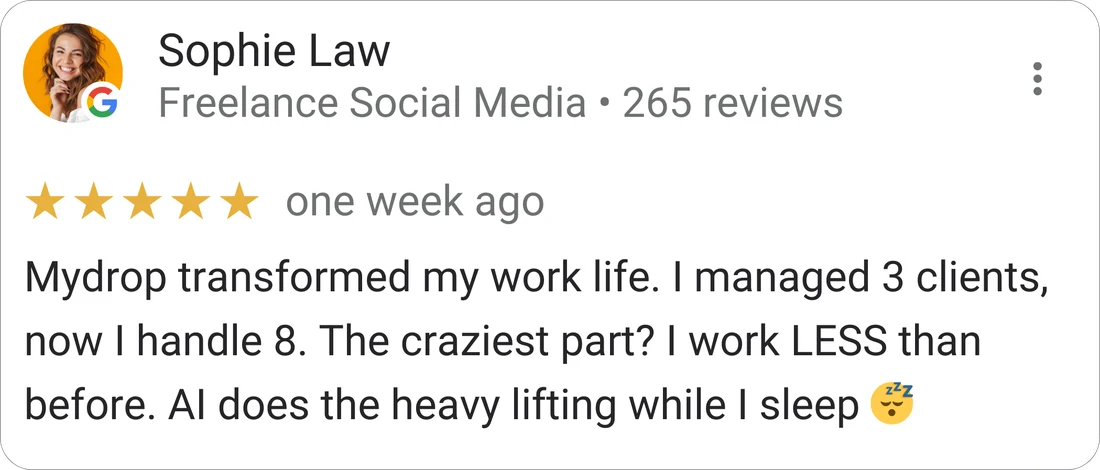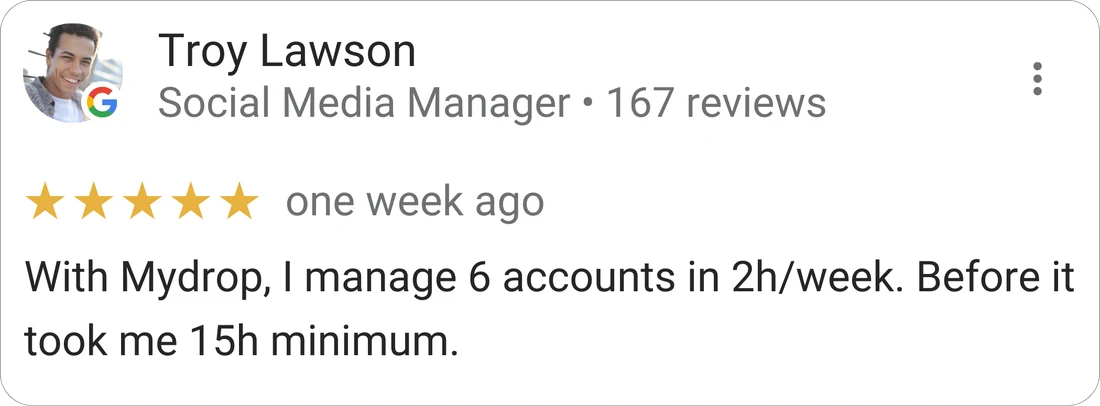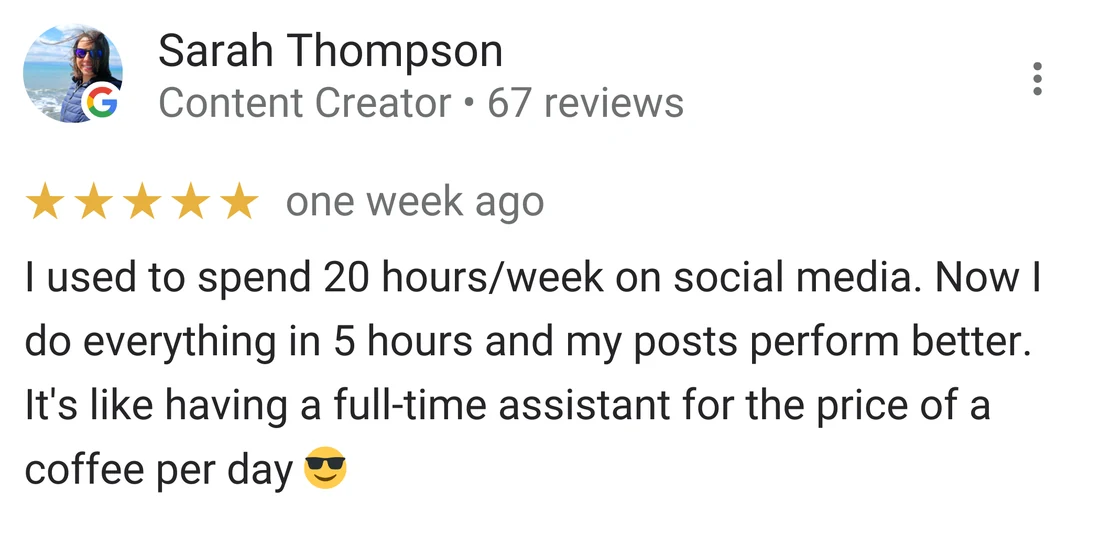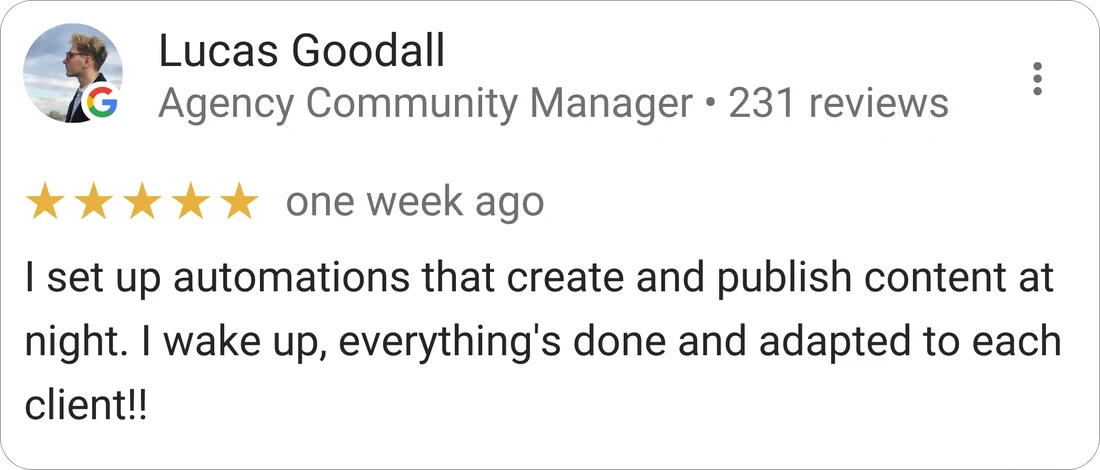

Mydrop is the control tower for social operations. Instead of hopping between Meta Business Suite, TikTok Creator tools, LinkedIn Publishing, and a messy Google Drive folder, teams land in one place where planning, composition, approvals, and publishing all line up. The headline is simple: one calendar, one composer that knows platform rules, and validation before you hit schedule. For teams running multiple brands, distributed markets, or heavy approval gates, that single-pane workflow is what turns last-minute panic into predictable execution.
This is not about replacing native ad consoles or platform-specific features where they belong. It is about stopping the daily bleed of time and risk that comes from platform-by-platform publishing. Think fewer downloads, fewer version confusion fights, fewer failed posts because someone forgot a thumbnail or uploaded the wrong video resolution. Call it "One Control Tower" thinking: synchronized schedule, validated clearances, co-pilots for drafting, and automated routes for repeat work. That is where Mydrop moves the needle for enterprise teams.
Why teams start looking for a switch

Scale reveals the cracks. Early on a single brand can survive with native tools and a shared spreadsheet, but once you add a second brand, multiple markets, and a real approvals chain, the operation moves from ad hoc to fragile. Here is where teams usually get stuck: creative lives in Drive, drafts live in email threads, a junior social manager downloads images to slap into Meta Business Suite, and the legal reviewer gets buried in Slack. The result is rework, missed platform requirements, and a pile of manual handoffs nobody can audit. One missed thumbnail on YouTube or a rejected Instagram video format during a product launch can force an all-nighter and a PR risk that could have been prevented by a pre-publish check and a single place to attach the approved asset.
People underestimate the coordination cost. An enterprise product launch is a good example: the same campaign needs platform-specific hooks, thumbnails, and CTAs across Instagram, TikTok, and LinkedIn. Under native workflows you manage each channel as a separate project: duplicate captions, tailor the creative for aspect ratios, and manually set thumbnails and first comments. Each handoff is a point of failure. This is the part people underestimate: approvals and version control. When the legal reviewer sends a corrected caption back via email, which version does the scheduler use? When an agency manages eight client brands, the wrong profile selection in a native composer publishes to the wrong account. Those mistakes are common, visible, and costly. Mydrop’s Calendar and multi-platform composer remove many of these steps by keeping profiles, assets, and approvals attached to the scheduled item so the team does not have to reconstruct context from ten different places.
The practical pain drives decision pressure. Teams that start looking for a tool switch usually face three immediate, tactical decisions they must make before any migration or pilot:
- Which profiles and brands will pilot first, and who owns publish rights for each?
- How will existing asset flows be mapped - Drive and Canva connections or a one-time bulk transfer?
- Will native scheduling run in parallel during the pilot, or do you cut over for a brief test window?
Those questions matter because they expose common failure modes. If you pick every profile at once, you invite connection errors and credential noise. If you insist on bulk migrating all assets, you risk moving unapproved or duplicate files. If you try to freeze native tools while the team is still learning a new workflow, you create production risk that stakeholders will resist. A simple rule helps: start with one brand, one recurring campaign, and keep native publishers running in parallel until the end-to-end approval and validation cycle proves itself.
There are also stakeholder tensions that push teams toward a control tower. Creators want speed and direct publishing; compliance wants an audit trail and in-context approvals; regional teams want local posting windows and distinct thumbnails. Native, single-platform tools typically optimize for the creator or the platform, not the cross-functional control you need at enterprise scale. That is where Mydrop’s strengths become visible in practice: workspace and timezone controls to keep posting times accurate across markets, post templates and Automations for repeatable promos, and Calendar-level validations that refuse to schedule if a required field is missing. You gain fewer ad hoc Slack escalations and more predictable handoffs, which keeps legal and local stakeholders happier without slowing creators to a crawl.
Finally, think about measurable time and steps saved. A common manual workflow looks like this: download approved asset from Drive, rename file, upload to platform A, re-export from Canva for platform B, manually set captions and thumbnails in three different composers, email approvals, paste final captions back into each composer, and then monitor whether each post actually published. Multiply that by recurring promos, plus last-minute edits during a crisis, and the hours add up fast. Teams that switch map those steps into a few operations inside one calendar: import from Drive, apply a template, run validation, send for approval, tweak platform-specific captions in the composer, then schedule or automate. The risk of wrong format or wrong profile drops sharply, and the audit trail is attached to the post, not scattered across inboxes.
Overall, teams start looking for Mydrop when the control costs of multiple tools exceed the convenience of platform-native publishing. The switch is not about ripping everything out overnight; it is about moving from a collection of composers to a single control tower that coordinates people, assets, and platform quirks so publishing happens faster, cleaner, and with fewer surprise reworks.
Where the old workflow starts to break

Here is where teams usually get stuck: native platform tools are great at single-account tasks, but they were not built for cross‑brand, cross‑channel discipline. As a campaign grows from one profile to many, the routine work fragments. Creative lives in Google Drive, designers ship Canva links, copy gets edited in a thread, and someone pastes the wrong caption into the wrong profile. For a product launch that needs Instagram carousels, a TikTok video, a LinkedIn article, and a YouTube short, that fragmentation means repeated downloads, reformatting, manual thumbnail selection, and last minute checks that eat hours. The legal reviewer gets buried in Slack threads that do not tie back to the scheduled post, and when a platform rejects a file for format or duration, the reschedule cascade becomes a firefight.
This is the part people underestimate: platform quirks are not minor annoyances when you publish at scale. Instagram wants a square crop for a carousel preview, YouTube needs a high resolution thumbnail and exact duration limits, TikTok often prefers vertical video codecs, and LinkedIn favors longer captions with different link behavior. Native tools force you to recreate the same campaign multiple times or accept the lowest common denominator. That multiplies handoffs and increases rework. For agencies managing eight client brands or an enterprise with regional teams, the cost is not just time. It is lost visibility on who approved what, inconsistent branding across markets, and noncompliant posts slipping through on deadlines.
Failure modes are predictable and painful. A recurring promotion gets posted with the wrong regional hashtag because a spreadsheet wasn’t updated. An approved asset sits stuck in Drive because someone forgot to re-export it into the platform format. During a crisis, teams waste precious minutes assembling cross‑platform language, then scramble for approvals while the social window closes. These are governance, asset, and process failures, not content failures. When teams sense these patterns, they start looking for a control tower: one place that keeps assets, approvals, schedules, and platform rules aligned so the same plan produces platform‑ready posts without the manual glue work.
How Mydrop solves the daily bottlenecks

Think of Mydrop as the control tower that prevents those cascades. The unified calendar gives the campaign a single canonical schedule so teams stop reconciling separate calendars or spreadsheets. When a user opens a calendar slot and builds one campaign, the multi‑platform composer turns that idea into platform‑specific posts while preserving the single campaign context. Pre‑publish validation acts like a clearance check: it flags missing captions, incorrect aspect ratios, wrong durations, and even thumbnail mismatches before anything is scheduled. That reduces last‑minute rework, and it keeps the approvers focused on messaging rather than technical fixes.
The asset flow closes the most tedious loop. Instead of downloading from Google Drive and reuploading to each network, teams import files straight from Drive into the Mydrop gallery and pick final versions for publishing. Canva exports arrive in usable formats so designers and publishers don’t trade multiple exports and notes. Workspace conversations and approval workflows keep review comments and signoffs attached to the post itself, not scattered across email or chat. For agencies juggling many clients the workspace switcher and templates mean each brand keeps a clean, auditable trail of who approved what and when. A simple rule helps: if the asset is not in Gallery, it is not cleared for publish.
This is where automation and AI move the needle from incremental to material. Mydrop Automations handle repeatable promos and recurring posts so a weekly offer that once required manual uploads now runs from a saved workflow. The Home AI assistant is a working teammate that jumpstarts drafts, suggests caption variants for each network, and preserves context so prompts do not start from scratch. In crisis response, teams use Home to produce an immediate draft, send the post through an expedited approval path, and publish across platforms in minutes instead of hours. That combination - templates, Automations, and AI-assisted drafts - reduces handoffs, lowers cognitive load, and keeps teams focused on strategic work.
A compact checklist helps map who does what and where to check before migrating a campaign:
- Owner: designate one campaign owner responsible for final schedule and profile selection.
- Creative lead: store final export in Gallery and tag it to the calendar event.
- Reviewer: use Post Approval to assign legal or client approvers and set a deadline.
- Ops: set Automations for recurring items and preconfigure template fields.
- Monitoring: link Analytics and Inbox rules to the campaign for post‑publish review.
There are tradeoffs and practical limits to acknowledge. Native tools are often the quickest path for single profiles or ad‑heavy, publisher‑centric teams that rely on tightly integrated ad buying flows. Meta Business Suite still fits teams that only run Facebook and Instagram from one account with light approval needs. But once you add brands, regions, or complex asset sources, the cost of context switching and failed posts grows faster than the headcount to manage it. Mydrop accepts that complexity by centralizing the control surfaces teams actually need: a single calendar, a composer that knows platform rules, validation checks, Drive and Canva integrations, approval trails, and automation for repeatable work.
Implementation details matter, and here are common steps that remove friction. Start by creating a pilot workspace for one brand and import a recent campaign into Calendar. Connect Google Drive and a sample Canva export, then use the Gallery to mark the approved master asset. Save a template for the campaign and run it through Post Approval with the legal reviewer. Execute the same campaign via an Automation for one recurring slot so the team can observe the audit trail and adjust settings. Run parallel publishing for two weeks so you can compare scheduled posts and analytics side by side before cutting over fully. These steps limit risk and give the team real, measurable process improvements to point to.
In short, the old workflow breaks where visibility, asset flow, and governance must scale together. Mydrop’s control tower approach ties those things into one operational surface, making multi‑platform publishing repeatable, auditable, and faster. For teams managing multiple brands, complex approvals, or frequent cross‑channel campaigns, that change is not cosmetic. It is the difference between constant firefighting and predictable, visible social operations.
What to compare before you migrate

When you start lining up vendors, treat the evaluation like an aircraft handoff, not a product demo. The first question is coverage: which networks and features does the platform publish to via API, and which still need manual steps? Mydrop covers long-form channels and high-volume short-form channels with platform-specific options like thumbnails, first comments, and video orientation. Confirm whether the competitor or native tools handle the same post types natively, or if you will lose platform features during a mass migration. Also check historical data sync. If your reports depend on past post history, make sure the new system can import or at least surface historical metrics for accurate trend analysis.
Next, map governance and approval controls to real stakeholder needs. Ask for role-level permissions, an audit trail, and an approvals workflow that attaches reviewer comments to the post record. Legal and brand teams often want a single record that shows who approved what and when; the legal reviewer getting buried in chat is a common failure mode. Mydrop keeps approvals inside the publishing flow and ties them to posts and assets; compare that against the competitor for things like multi-approver rules, timed approvals, conditional publishing, and exportable approvals logs for compliance reviews. Also probe SSO, SCIM, data retention, and workspace segmentation - these are the things that bite you when you scale from one brand to eight.
Finally, be explicit about integrations, automation limits, and failure handling. Ask for details: Google Drive and Canva import, media size validation, template APIs, and automation triggers. Find out how the tool surfaces publishing failures and whether there are retry rules or rollback states. For enterprise teams, the cost of a single failed or truncated video is real: wasted creative, missed campaign windows, and reputational risk. Compare observability and ops controls - rate limit alerts, connection refresh tools, and an inbox for operational health. One Control Tower is not just one calendar - it is predictability when accounts get noisy at launch time.
How to move without disrupting the team

A phased rollout keeps the business running while you switch the control tower. Start with a pilot brand or campaign that is business-as-usual but not mission-critical - for example, a regional product channel or a recurring promo with predictable assets. Connect a handful of profiles, import a week or two of creative from Google Drive and Canva, and recreate three representative posts in Mydrop Calendar to validate pre-publish checks. Run the pilot in parallel with your native tools for two publishing cycles. The goal is measurable confidence: the pilot should surface the most common failure types - missing thumbnails, caption length issues, or profile mapping errors - and let you tune composer templates, user roles, and pre-publish rules before a broader rollout.
Training and handoff rules are the part people underestimate. Plan short, role-specific playbooks: one for creators, one for reviewers, one for ops. Creators need to know how to use the multi-platform composer and saved post templates; reviewers need a checklist for post approvals inside the post workflow so comments stay attached; ops need runbooks for reconnecting a profile and reading failed-publish logs. Tie training to real work: run a creator workshop where teams draft a campaign in Mydrop Home with AI prompts, then save those prompts as workspace artifacts. Expect friction: designers will want to keep doing final rounds in Canva, legal will want PDFs of approved copy, and ops will want metrics exported to BI. Build those handoffs into the plan.
Measure, then cut over when key indicators are green. Define success metrics up front and use them as your go/no-go gate. Typical metrics to track during the pilot and rollouts:
- Time to publish per post - from brief to scheduled.
- Approval turnaround - average hours between submit and approved.
- Publish error rate - percent of scheduled posts that fail requirements or error at publish.
- Asset handoff steps - number of manual downloads/uploads eliminated.
- Team satisfaction - quick pulse surveys from creators, reviewers, and ops.
Keep rollback points simple and honest. A safe pattern is: pilot parallel run, staged brand rollouts (low risk first, then high visibility accounts), and a full cutover date only after analytics and approval flows have run successfully for at least two campaign cycles. If a critical integration fails - say an OAuth disconnect to a flagship Instagram profile - revert that profile to native publishing while you remediate, not the whole platform. Communication matters: publish a short cutover calendar, highlight who owns each profile, and give the legal reviewer a read-only export of approved posts for any regulatory audits during the transition.
Practical configuration sequence that works for most large teams: connect Profiles and verify tokens; import media via Google Drive and validate thumbnails in the Gallery; set up Templates for recurring formats; configure Approval chains and a default automation for recurring promos; train a few Home AI prompts and save them as workspace artifacts; and finally run a week of live scheduling from Calendar with pre-publish validation turned on. That sequence touches the pieces that most commonly break - profiles, media, approvals, and composer rules - and it gives you clear checkboxes to show stakeholders.
A simple rule helps: keep at least one safety net per stage. During profile connection, keep a named backup admin who retains native platform credentials. During approvals, require at least one approver who also has a native platform account until the audit trail is trusted. During early Automations rollout, avoid fully automatic publishes for high-stakes campaigns; use "run once" or "paused" modes to confirm behavior. These small guardrails prevent a single misconfiguration from turning into a public mistake.
When the team is ready, document the cutover and reclaim the control tower. Capture the final mappings - which templates map to which brand, which Drive folders are canonical, which Home prompts are standard starters, and how Automations are named. Announce the cutover with a brief checklist for users: clear their drafts in native tools, switch scheduled posts over to Mydrop Calendar, and confirm that post history and analytics are syncing. After cutover, keep a 30-day operations window with daily health checks for connections, a weekly approvals audit, and a monthly analytics reconciliation so the new control tower proves its value with lower rework, fewer failed publishes, and faster approvals.
When Mydrop is the better fit
When your social operations look less like a single runway and more like a crowded airfield, Mydrop becomes the control tower you actually need. The platform is built for teams that juggle many brands, many profiles, and many stakeholders at once. If your calendar is a collection of spreadsheets, your creative lives in Drive or Canva links, and the legal reviewer gets buried in email threads, that friction shows up as missed thumbnails, wrong captions, and last-minute reworks. Mydrop centralizes the schedule, brings assets into the gallery without downloads, and validates platform-specific requirements before a post leaves the draft stage. That combination turns time-consuming manual checks into a short checklist, and it shrinks the number of failed publishes and costly rework loops that break launch day momentum.
The practical difference shows up in three predictable places: speed, repeatability, and auditability. Speed is obvious when a campaign idea becomes platform-ready posts in one composer: captions can be customized per network, thumbnails and orientations get set once, and the Home AI assistant gives a first draft that the team refines instead of staring at a blank box. Repeatability comes from templates and Automations - recurring promos, weekly playlists, and product reminders become a saved setup rather than an eight-step manual job. Auditability is where approvals and profile governance matter: Mydrop keeps approval context attached to the post, shows who approved what, and prevents accidental publish by the wrong profile. For enterprise teams, those are not nice-to-haves; they are the difference between a controlled launch and a compliance review nightmare.
Reality check: Mydrop is not a silver bullet for every single edge case. Some platform features still require native tools for ads or for network-exclusive creative flows, and there are occasional API limits that force a manual fallback on niche post types. Adoption also surfaces organizational weak points: templates and automations only help if teams maintain them, and bringing approvers into a single flow can surface alignment gaps that used to hide in email. Expect a short period of configuration work - mapping Drive folders to galleries, building critical templates, and training approvers on the new flow - but after that investment the operational cost per post drops significantly. For agencies running eight client brands, or product teams coordinating a global launch across Instagram, TikTok, and LinkedIn, Mydrop reduces the number of touchpoints, the manual file juggling, and the last-minute format failures that cost dollars and deadlines.
Conclusion

A simple rule helps when deciding: if your publishing work needs synchronization, validation, or human gates at scale, treat a platform switch like an aircraft handoff and choose an actual control tower. Mydrop is the practical next step for teams that need a single calendar, multi-platform composer, pre-publish checks, Drive/Canva asset flows, AI-assisted drafting, approvals that stay attached to the work, and automation to remove routine steps. The tradeoffs are visible and manageable: invest time upfront to map templates and train reviewers, accept a few niche native-tool fallbacks, and you win predictable, faster publishing and fewer emergency fixes.
Three short steps to move this forward without breaking operations:
- Pilot one brand for one major campaign - import assets, build templates, and run Calendar scheduling in parallel with native tools.
- Wire Drive/Canva flows and run the same approval path through Mydrop so stakeholders get familiar with the attached context.
- Convert the highest-volume recurring task into an Automation and measure time saved and approval cycle reduction.
If those steps show fewer failed posts, quicker approvals, and cleaner handoffs, expand workspace-by-workspace. The One Control Tower approach does more than consolidate tools; it makes social operations predictable. For enterprise teams and agencies, that predictability is the practical ROI: fewer surprises, less rework, and the ability to scale publishing without multiplying headaches.