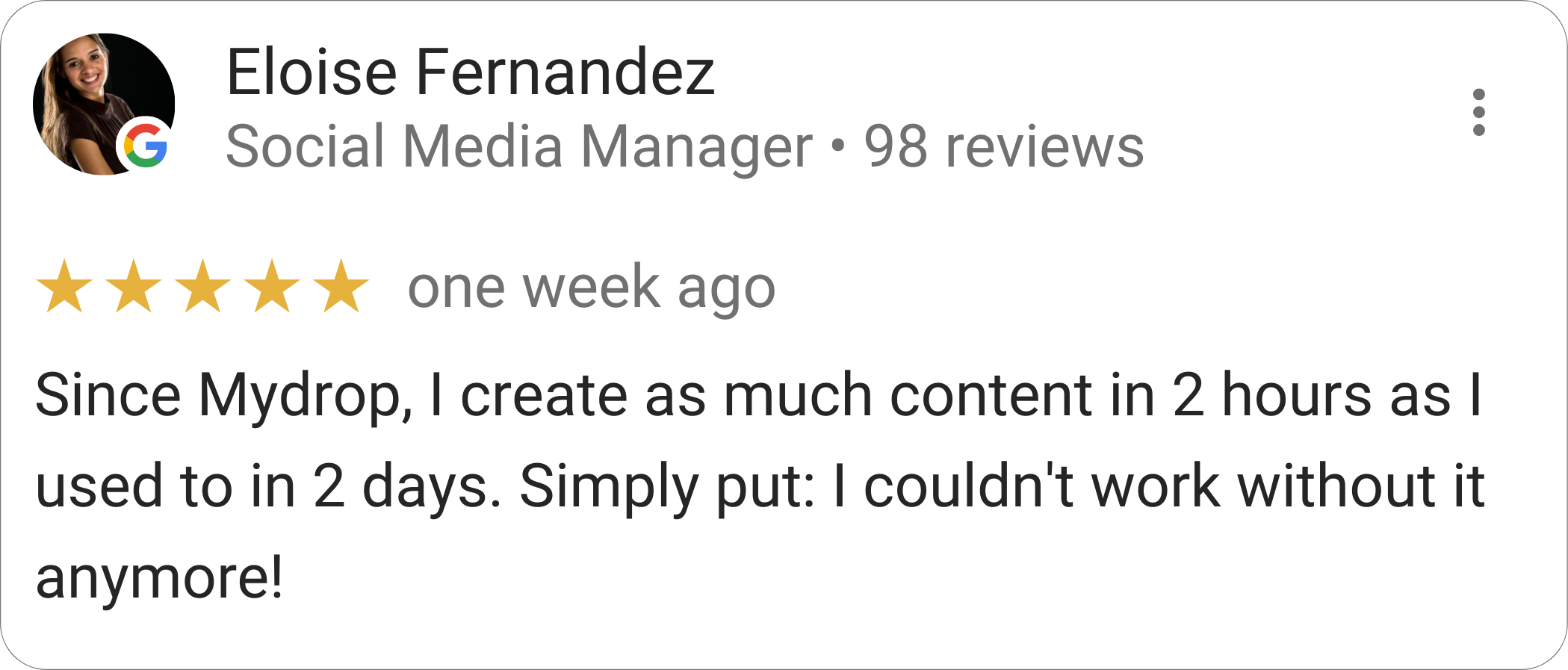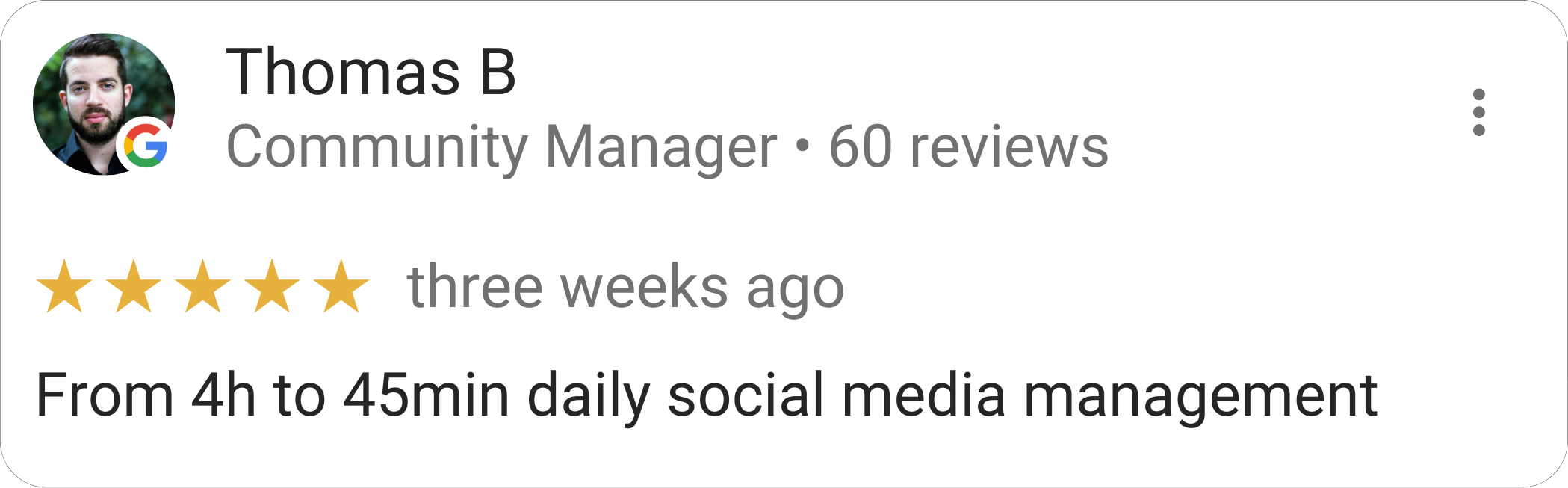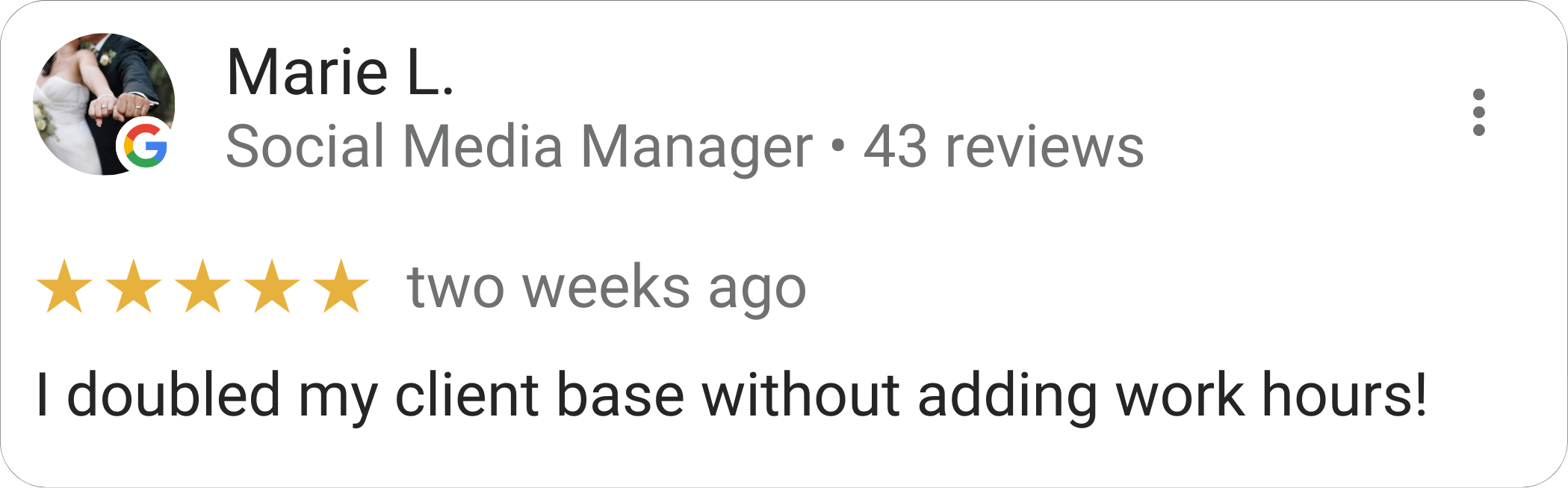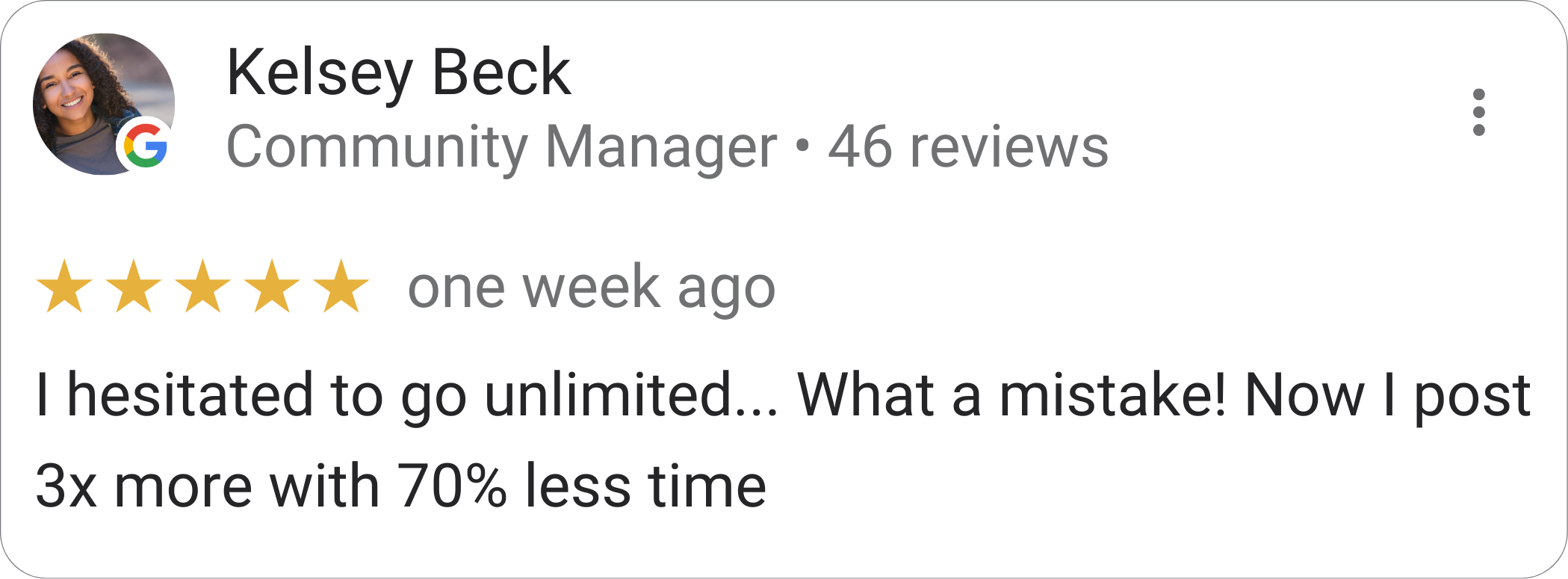
Mydrop is built for teams that publish like a factory, not a race. If your weekly planning looks like a series of frantic last-minute uploads, missed thumbnails, or "why did that post fail?" Slack threads, you already know the cost: wasted creative hours, shaken confidence with legal reviewers, and missed moments when the audience actually cares. Hootsuite and other legacy stacks worked when a handful of profiles and one market were enough. Once you scale to many brands, markets, and timezones the cracks show: duplicate uploads, fragmented approvals, and platform-specific surprises slow everything down.
This piece lays out why larger teams start hunting for a switch, and where the real pain lives. No fuzzy vendor hype here - just the operational signals teams see when publishing begins to cost more than it helps. Mydrop is mentioned early because it was designed around those signals: an AI Home to jumpstart drafts, a multi-platform composer so a campaign idea survives network specifics, a pre-publish validator that catches the common causes of failed posts, and a central gallery that stops repeated re-uploads. Read this as a practical map: the concrete bottlenecks, how they show up in your org, and the first decisions to make if you want to move fast without breaking things.
Why teams start looking for a switch

Here is where teams usually get stuck: publishing stops being a single person pushing a button and becomes a choreography of handoffs. The legal reviewer gets buried, the designer re-uploads the same hero image three times with different filenames, and the timezone math on the calendar produces a post at 3 AM in the target market. Those are noisy symptoms. The signals that truly matter are rising publish failures, post drafts that lose their network-specific options, and repeatable rework that eats an operations headcount. In enterprise settings, a single failed post can trigger a cascade - stakeholders demand audits, you scramble to recreate an approved asset, and credibility with the brand owner erodes.
When teams start seriously evaluating alternatives, three practical decisions come first. These small choices shape whether a migration is a sprint or a six-month slog:
- Which core workflows must be validated before scheduling - captions, profiles, media, thumbnails, or event data?
- What media sources must stay connected day one - Google Drive, Canva, or an internal DAM?
- Which approval path will remain authoritative during the pilot - a single approver group or per-brand legal reviewers?
This is the part people underestimate: stakeholder tension. The performance marketer wants tight reuse - grab the Drive export, slap it into a template, and schedule recurring promos. The corporate comms lead wants an iron-clad approval trail and staged releases across markets. The agency lead wants a single calendar view for eight profiles across six platforms during a product launch. Legacy tools often force tradeoffs: you pick governance and lose speed or you pick speed and lose auditability. That tradeoff is why teams re-evaluate. They want both: enforceable checks without turning every post into a six-step approval bottleneck.
Failure modes in legacy workflows tend to be mundane and repeatable. Blank-prompt drafting means every campaign starts from scratch; the social operator spends time coaxing copy out of a template doc, which fragments creative intent. Asset silos force downloads and re-uploads, and everyone ends up with slightly different file names and resolutions. Scheduling runs into platform specifics - a post that works for Facebook may need a square crop for Instagram or a thumbnail for YouTube, and if those options are handled ad hoc, publishing fails. Finally, distributed teams reveal timezone and workspace fractures: someone in London clicks schedule for noon GMT, a teammate in Singapore assumes local time, and now the campaign hits at the wrong moment. Those are details, but they are exactly what slow teams down.
In contrast, teams look for tools that turn ad-hoc into repeatable production steps. The mental model that helps is "Publish Like a Factory, Not a Race." Plan the campaign in one place, prepare assets in a central gallery (no re-uploads), validate the post against platform rules, and then publish. That sequence reduces emergency fixes and keeps ownership clear - the calendar tells you who scheduled, the approval workflow tells you who signed off, and the automation or template ensures the next similar campaign is faster. In practice that might look like starting a draft in an AI Home session, saving the output as a reusable prompt, applying a post template, importing the final hero from Google Drive via the gallery, running the pre-publish checks, and scheduling across profiles with confidence. Those small workflow steps remove the common causes of failure without adding red tape.
Finally, the multi-brand launch scenario is where the decision point becomes urgent. If you're an agency running a global product launch across eight profiles and six platforms, you cannot afford fragile handoffs. The obvious pain points appear during the run-up: repeated asset versioning, last-minute creative swaps, missing captions for platform-specific features, and ad hoc approval bypasses. Teams start looking for a switch not because they hate their vendor, but because the organization has outgrown brittle processes. When the cost of a single mistake includes wasted ad spend, confused audiences, and stressed brand owners, the case for an integrated, validation-first platform becomes operational, not theoretical.
Where the old workflow starts to break

Here is where teams usually get stuck: the workflow fragments. One team drafts captions in a shared doc, another person uploads media to a shared drive, someone else uploads the same files into the scheduler, and legal lives in email threads. That fragmentation looks harmless until a campaign needs to scale. For a multi-brand agency running a global product launch across eight profiles and six platforms, those tiny steps turn into a choreography of manual handoffs. Timezone mismatches, missing thumbnails, or a mis-tagged profile mean last-minute edits, late approvals, and sometimes failed publishes. The result is wasted creative hours and frantic Slack messages the morning a post should go live.
Blank-prompt drafting is the part people underestimate. Tools that force every brief to start from an empty composer create inconsistent tone and duplicated effort. One writer writes a caption, another rewrites it for Instagram, a third trims it for X, and no one knows which version is final. Meanwhile, media gets re-uploaded three times because the approved asset lives in Google Drive and the scheduler only accepts local files. That duplication is not just tedious; it causes drift. The thumbnail used on TikTok differs from the one used on YouTube, and the legal reviewer gets buried in file versions and comments instead of approving a single canonical draft.
Publishing failures are the visible symptom of deeper governance and validation gaps. Older platforms can let a post be scheduled without the right image size, without a required platform field filled, or without the correct profile selection. During a crisis-response, missing thumbnails or failed attachments look unprofessional and cost trust. Even outside a crisis, these failures force teams into firefight mode: cancel, re-edit, repost, and apologize. When failures spike, confidence with partners and stakeholders drops, and teams spend more time troubleshooting the tool than improving the content. That is the inflection point when social ops leaders start seriously evaluating alternatives like Mydrop.
How Mydrop solves the daily bottlenecks

Mydrop treats publishing like a production line, not a relay race. Start at AI Home and the experience changes: instead of a blank prompt, teams begin with context. A planner can open Home, continue a drafting session, pull up the campaign brief and recent performance, and ask for caption variants tuned to the target platform and tone. That single Home session becomes the canonical creative source: ideas saved as prompts, drafts turned into reusable artifacts, and inspiration preserved for later. For a distributed team, that means no more guessing which doc is the latest and fewer duplicated drafts across platforms.
The Calendar composer plus pre-publish validation is the practical shield against failed posts. Create one campaign idea, then author platform-ready variations in the multi-platform composer. Mydrop validates selections before scheduling: it checks profile selection, caption length, media formats, thumbnails, video duration, and platform-specific options. The validation step is not a nagging popup; it is a gate that saves the team from the 2 a.m. rerun of "why did that post fail." For the agency doing the eight-profile launch, it means schedule confidence: the system catches a missing Instagram alt text, flags an oversized video, or reminds you that a pinned comment was not set for a platform that requires it.
Centralized media and import paths close the re-upload loop. The Gallery is a single source of truth, and it connects to Google Drive and Canva so approved creative moves into publishing workflows without downloads, uploads, or version sprawl. A performance marketer can import a weekly promo video from Drive, pick the orientation and quality options from the Canva export, and attach the asset to each platform-ready post without re-creating files. Combine that with Templates and Automations and you get repeatable production steps: save a Home draft, apply a Templates setup, run a pre-publish validation, then schedule or fire an automation to publish across profiles. That sequence replaces the ad-hoc "do it again for each channel" pattern with one reproducible flow.
A short checklist helps map the practical choices and who owns them during a migration or pilot:
- Define owner roles: planner (Home drafts), editor (composer customization), approver (legal/brand), publisher (calendar scheduler), and ops (profiles and gallery manager).
- Pick two representative profiles and two platforms for a pilot campaign - one high-fidelity (Instagram or YouTube) and one quick-publish (X or Threads).
- Identify three repeatable templates (promo, announcement, evergreen) to convert into Calendar templates before importing historical assets.
- Connect Google Drive and import 10 approved assets into the Gallery to validate naming, thumbnails, and file formats.
- Configure one run-once automation to test scheduled cross-posting and notifications to approvers.
Approval workflows and workspace controls are the governance levers that stop approvals from disappearing into chat threads. Instead of emailing a screenshot or tagging someone in Slack, you attach the approver to the post and keep the conversation, edits, and final sign-off inside Mydrop. That is huge for legal-heavy brands: approvers see the exact preview that will go out, comments live with the post, and audit trails remain intact. Workspace and timezone controls also remove the "who scheduled it?" ambiguity for distributed teams; the calendar shows times in the workspace timezone and profiles are grouped by brand so the right market sees the right content at the right moment.
Automations and Templates reduce the cognitive overhead of repeatable work. For recurring promos, templates capture the required fields, media, and platform options so junior staff can create campaign-ready drafts without missing a checkbox. Automations turn manual sequences into controlled workflows with visibility and permissions; they can run once for a specific campaign or be scheduled for weekly promotions. This combination is what lets teams "publish like a factory." Instead of racing to meet deadlines, teams follow predictable steps that scale across brands and channels.
Finally, the analytics and post-performance loop closes the feedback cycle. After publishing, teams can review which variations performed and use those insights back in Home to refine the next set of drafts. That evidence-driven iteration is the practical antidote to the old "I think this will work" approach. For anyone managing multiple brands, the shift is simple but profound: fewer failed posts, fewer re-uploads, clearer ownership, and faster cycles from idea to live post. If your current stack feels like a tangle of scripts, drives, and email threads, Mydrop shows what a validated, integrated production flow looks like in practice.
What to compare before you migrate

Before you flip the switch, run a short, pragmatic checklist that surfaces the real operational gaps between your current setup and Mydrop. Start with validation rules and platform fidelity: can the candidate platform check profile selection, media format, thumbnail requirements, and caption length for each network before a post is scheduled? This is where legacy stacks tend to show their age: a scheduler accepts a draft, then the post fails at publish because a field or format was wrong. For enterprise teams that run a global product launch across eight profiles and six platforms, those failures cascade into late-night firefighting and wasted ad spend. Also compare multi-profile composition: does one composer let a single campaign produce native, platform-ready variants, or do you still copy-paste captions into separate drafts? Mydrop's multi-platform composer and pre-publish validation are built for the former; confirm the same behavior exists in your trial or pilot.
Next, check media flows and creative reuse. Migration is mostly a data movement problem: if designers live in Google Drive and Canva, you need direct import paths, not manual downloads and re-uploads. Ask whether the platform supports Google Drive pickers, Canva exports, and a centralized gallery that preserves folder structure, metadata, and reuse permissions. Also audit template and automation capability: can teams save repeatable post setups, create run-once automations for seasonal promos, and enforce approval gates? If your current process relies on a thousand Slack threads or email approvals, automated templates and approvals will be the largest single time-saver. Finally, validate governance and timezones: can workspaces separate brands and timezones cleanly so local markets publish at local times without manual conversion errors?
A short, actionable comparison list to take to demos:
- Validation parity: test one video, one linked post, and one carousel against each platform's rules and note failures.
- Media import test: import the same asset from Google Drive and from Canva, then reuse it in two scheduled posts.
- Approval and template flow: save a template, apply it to a new post, send for approval, and measure time-to-approval.
- Automation granularity: build a run-once automation and a recurring automation, then pause and edit both to check control and audit trails.
Those four checks cover the high-risk parts of migration. They also highlight tradeoffs: a platform with deep validation and rich media imports reduces publish risk but can take longer to configure; a minimalist tool may be faster to set up but keeps your team in brittle manual handoffs. The right choice balances configuration effort with long-term reduction in firefighting. If legal reviewers get buried or thumbnails keep missing, prioritize validation and gallery imports over bells and whistles.
How to move without disrupting the team
Phased rollouts are not optional; they are the difference between a smooth migration and a week of emergency meetings. Start with a pilot workspace that mirrors one real use case rather than an artificial test. For a multi-brand agency, that might be a single brand with three profiles across two timezones and a known recurring campaign. Use Mydrop's Calendar and Templates to recreate one live campaign from your legacy tool and run it side by side for one week. Shadow scheduling means you schedule in Mydrop but let the old system remain the source of truth for live posts until confidence grows. This gives approvers, creative, and ops a controlled environment to find mismatches: which captions need platform-specific tweaks, which thumbnails are failing, which automations behave unexpectedly.
Train and involve the actual stakeholders early: the people who approve posts, the creatives who upload assets, and the operations leads who measure success. This is the part people underestimate. Run two short, role-specific workshops: a 45 minute session for approvers showing how approvals attach to posts and how to leave contextual feedback; a 60 minute hands-on lab for creatives to import from Drive and export from Canva into the Mydrop Gallery; and a brief ops clinic to configure Automations and calendar reminders. Capture three simple handoff rules and make them mandatory during the pilot:
- Always attach the source asset from the Gallery, not via ad hoc uploads.
- Save repeatable structures as Templates and require a template for recurring campaigns.
- Use run-once Automations for experimental tasks, then promote to recurring only after success.
Expect and plan for failure modes. Even a well-run pilot will uncover platform mismatches, API quirks, or a missing permission in Google Drive. Keep rollback easy: retain the old scheduler until the pilot passes a runbook of 10 success criteria (no publish failures, approver turnaround within SLA, assets reused from Gallery, analytics match expected baselines, and automation execution logs are correct). Use audit logs and publishing health views to measure warm-up progress: track failed publishes per day, approvals timed out, and asset reuse rates. Set a short decision cadence with stakeholders: daily standups during the initial week, then twice-weekly reviews. If a crisis-response scenario shows missing thumbnails or delays, pause promotion and run a focused remediation: re-import assets with corrected metadata, update template defaults, and re-run validation checks.
Finally, scale deliberately. After a clean pilot, expand to adjacent brands and then to full-daylight scheduling in one region before turning off the old calendar. Use two practical safeguards during expansion: a light governance layer of templates plus required approver steps for any brand-new template; and a migration window for media where teams are asked to move their active assets into the Gallery (Mydrop's Google Drive import makes this practical). Measure adoption with concrete KPIs: reduction in failed publishes, time saved per post, percent of posts using Gallery assets, and approval cycle time. These numbers convince legal and finance, and they show that switching to a validated, productionized workflow is not about change for its own sake. It is about getting the launches you care about out on time and intact.
Publish Like a Factory, Not a Race. If the migration plan treats publishing as a repeatable production line rather than an ad hoc sprint, you will reduce late-night rework, keep approvers sane, and actually free time for strategy. Start small, validate the hard bits, require reuse and templates, and let the measurable wins build credibility across teams. When the pilot proves it, swapping primary calendars and retiring the legacy stack becomes an operational milestone, not an emergency.
When Mydrop is the better fit

If your team treats publishing like a relay race where every handoff risks dropping the baton, Mydrop starts to feel less like a nice extra and more like a necessity. The platform fits teams that must coordinate many profiles, multiple approval layers, and repeated asset reuse across campaigns. For a multi-brand agency running a global product launch across eight profiles and six platforms, Mydrop reduces the common friction points: the creative director does not need to resend final assets, the legal reviewer sees the post preview in context, and the scheduler gets automated checks for thumbnails and video length before a campaign goes live. That combination matters when a single failed post can mean a missed launch window or a brand moment gone wrong.
Mydrop is also the right choice when operational speed has to live alongside governance. Performance marketing teams who reuse Canva exports and shared Drive assets will appreciate the Gallery plus Google Drive and Canva imports: no more re-downloads, no more version confusion, and fewer last-minute format fixes. But there are tradeoffs to be honest about. Switching the team calendar, approvals, and automations requires upfront process work: mapping current templates to Mydrop templates, deciding who becomes an approver in the new flow, and setting validation rules so the system blocks only real mistakes rather than every minor difference. This is the part people underestimate: governance without pragmatism becomes friction. Mydrop helps by letting teams run run-once automations, pause automations, and apply templates, so you can tighten control incrementally instead of flipping a global lock overnight.
There are clear failure modes and how to avoid them. The worst outcome is a half-hearted migration that leaves teams juggling two calendars and resubmitting posts by hand. Avoid this by running a targeted pilot: connect two profiles, import one campaign folder from Google Drive, save one or two post templates, and send five posts through the pre-publish validation and approval flow during a shadow week. A simple three-step spike gets most answers fast:
- Connect 2 representative profiles and import one campaign folder from Google Drive or Canva.
- Create a template and an automation that covers the campaign's repeated steps; run it once in a paused state for review.
- Run a parallel week of scheduling where the team uses Mydrop for drafts and the legacy platform for final publish; compare failures, rework time, and approval cycles.
Mydrop shines when visibility and auditability matter. Teams that must show why a post published, who approved it, and which asset version was used get that history built into the post record. That is critical for crisis response: when an urgent message must go out across markets, the pre-publish checks and approval contexts remove guessing about thumbnails, captions, or region-specific legal text. Still, there are tensions to navigate. Creators often want creative freedom while compliance teams want strict templates. The practical compromise is a "factory plus flexible lane" model: enforce templates and validations for regulated content, allow looser templates for community or experimental posts, and use Automations to enforce which posts require review. This gives creators breathing room while preserving the safety net operations need.
Finally, consider the human side: change fatigue and ownership. Mydrop reduces repetitive work, but if you replace one set of manual chores with another set of controls that nobody owns, adoption stalls. Assign an owner for each workspace or brand: someone who curates the Gallery, manages templates, and tunes validation rules. Pair that owner with weekly Office Hours during the rollout so approvers and creators can raise real use cases and the owner can adjust templates or automations. In practice, teams that treat Mydrop as a production line with named station owners get the biggest gains. You will trade fewer late nights and fewer Slack panic messages for a short, manageable phase of setup and governance tuning.
Conclusion

Mydrop is the better fit when your publishing problem is operational, not just feature-driven. If you need fewer failed posts, consolidated assets, platform-aware checks, and a place where approvals, automation, and drafting live together, Mydrop moves you from firefighting to predictable production. There is a cost to change: mapping existing templates, training approvers, and running a short pilot. That cost pays back quickly when you cut duplicated uploads, avoid platform-specific publishing failures, and shorten the approval loop.
Practical next steps: run a two-week spike with one brand, measure failure rate and approval time against the old stack, and expand by brand once templates and rules prove reliable. Name workspace owners, import a canonical asset folder, and treat the first month as a tuning period, not a launch. Do those things and the result is predictable: fewer surprises at publish time and a social operation that finally behaves like a factory, not a race.