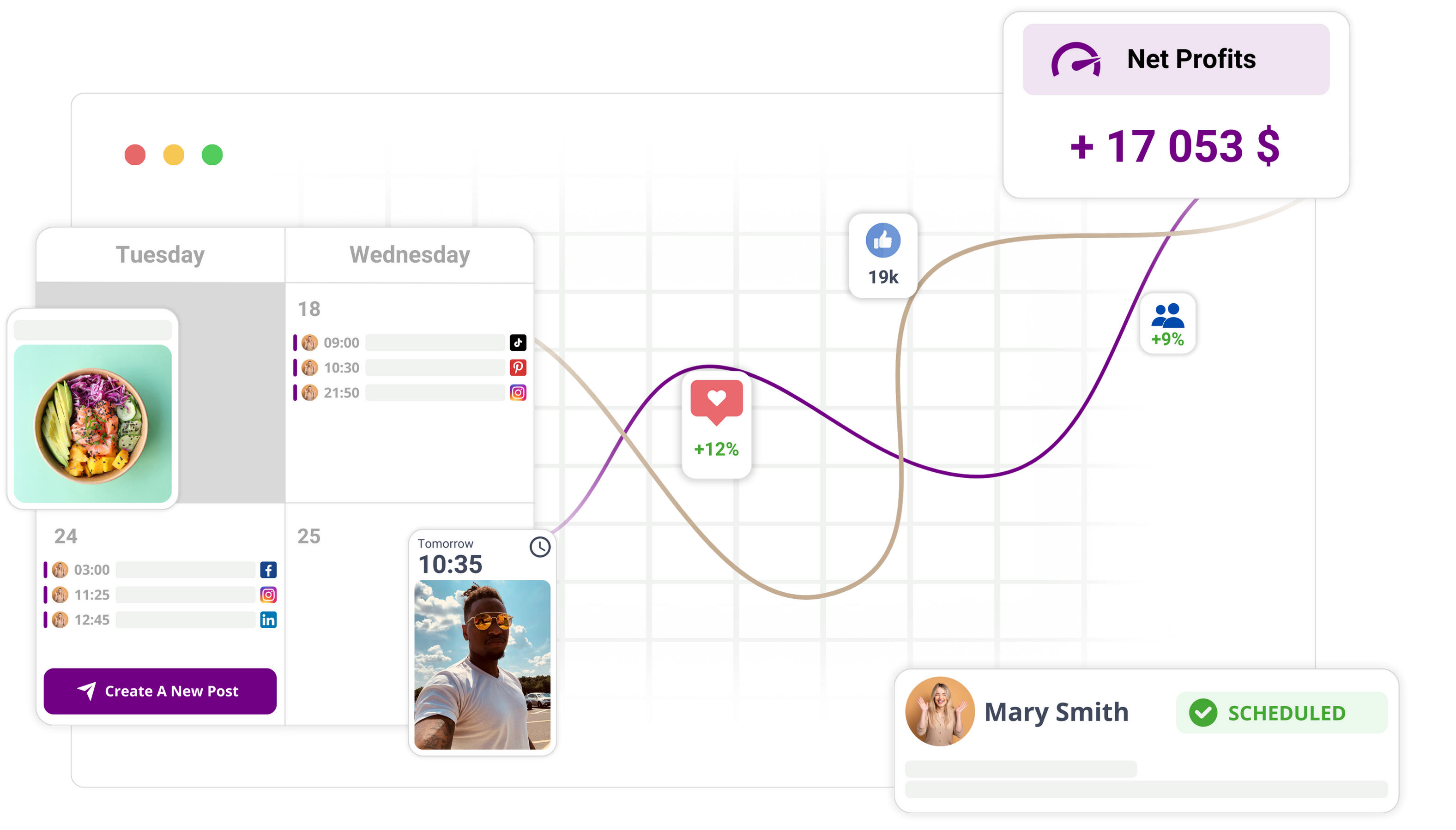
By following these steps, you will create and track social operation tasks, such as filming, asset collection, or community management, directly within your Mydrop calendar. You will complete this tutorial with a series of scheduled reminders that help you manage your social media workload and ensure you do not miss critical deadlines.
Before you start
Before you begin setting up your first reminder, confirm the following items to ensure your schedule remains accurate:
- Verify that your workspace timezone is correctly set in your account settings. This ensures that all reminders trigger at the intended local time and sync correctly with your operational schedule.
- Ensure you have access to any external media files, project templates, or service links you plan to attach to the reminder.
- Check that you are currently working within the correct workspace if you manage multiple brands or client accounts.
Step 1: Initialize the reminder
To begin, navigate to the main Calendar view in Mydrop. Locate the 'Reminder' button or option within the calendar interface to open the new reminder setup window. This modal allows you to input the specific details of your social operation task. Once the window opens, you are ready to define the parameters for your commitment.
Step 2: Configure time and frequency
In the setup window, select the date and start time for your task. Specify the duration to block off the necessary time on your calendar. If this is a repetitive chore, such as daily community reply sessions or weekly content planning, use the recurrence settings to set a pattern. Choosing the correct frequency ensures the task automatically populates your calendar for future dates, preventing you from having to recreate the same reminder repeatedly. Ensure the time and duration are set accurately before moving to the next phase of the configuration.
Step 3: Attach content and link resources
Social operation tasks often require specific assets or references. In the content section of the reminder, use the attachment tools to link relevant media files or documents directly to the reminder. This provides quick access to your creative assets when it is time to work. Additionally, if your task involves using a specific Mydrop template or connecting to an external service link, input these details into the provided fields. Including these links in the reminder means you do not have to search for your files when the reminder alerts you.
Step 4: Finalize and verify the reminder
Once you have added all necessary details, review your settings. Check that the preview state reflects the information you entered. Save the reminder to add it to your calendar. Return to the main calendar view to confirm the reminder appears correctly on the designated day. You should see a reminder chip or indicator reflecting your task.
If you have integrated Mydrop with Google Calendar, check your external calendar application to ensure the event has synced correctly. Mydrop allows you to see the reminder status directly within the app interface. You can track your progress by updating the status of the reminder as you work. When you complete the task, mark it as done. This visibility helps you manage your workflow throughout the week and ensures that every operational task is accounted for, allowing you to maintain a steady pace for filming, asset preparation, and community engagement.
Step 1: Open the feature
To begin tracking a social operations task, navigate to the Mydrop calendar view. You can access this area from the main navigation menu. Once you are in the calendar interface, you will initiate the reminder process by interacting with the scheduling tools provided.
- Locate the 'Reminder' button or option within the calendar navigation menu.
- Click this option to open the new reminder modal.
- Once the modal appears, ensure you are in the correct workspace. You can verify your current workspace by checking the indicator in the top corner of your screen. If you manage multiple brands or teams, confirming your workspace here prevents the reminder from being added to the wrong schedule.
- If you have active filters applied to your calendar view, ensure they do not hide the current date. Mydrop displays reminders based on your workspace settings and current view constraints.
Opening the feature successfully reveals the primary configuration window. You will see fields for the task title, time, and date. If you see the modal close unexpectedly, simply click the 'Reminder' button again to resume.
Step 2: Set up the basics
After initializing the reminder, define the specific timing and frequency for your task. Accurate configuration here ensures that your social commitments, such as community replies or filming sessions, appear exactly when you need them.
- Enter a clear, descriptive title for the task in the primary field. For example, use titles such as "Asset collection for campaign X" or "Community comment review."
- Set the 'Start Time' and 'End Time' for the task. The duration helps you block out sufficient time for operational chores.
- Determine the 'Recurrence' settings if this task is a repeating responsibility. You can choose options such as daily, weekly, or custom intervals. This is critical for tasks like analytics review or routine community engagement.
- Check the calendar grid behind the modal if you are unsure of existing conflicts. Mydrop allows you to see the placement of other scheduled posts or reminders while the modal remains open.
- If you require alerts outside of the Mydrop application, look for the 'Google Calendar' synchronization option within the modal. If this integration is active, enabling it will push the reminder to your external calendar.
- Verify the timezone setting for the reminder. The default is typically inherited from your workspace settings. If you are working with a distributed team or managing a brand in a different region, confirm that the time displayed in the modal matches the local operating time of that workspace.
Once these basic fields are set, you are ready to move to the next phase of attaching media or service links. You will notice that as you adjust the time, the preview state within the modal updates. The system confirms the task is set to the correct slot before you commit to saving. If the time or date appears incorrect, adjust the fields before moving forward, as these are the primary drivers for the reminder notification. You will know the setup is progressing correctly when the date and time fields align with your intended schedule in the background calendar grid. Do not close the modal yet, as you still need to add your specific resources or documentation for the task.
Step 3: Add the content or settings
To make your reminder useful, you must attach the necessary resources that allow you to complete the social task without switching between browser tabs. This step ensures that when your reminder triggers, you have immediate access to your assets and documentation.
- Locate the attachment area within the reminder window. You can select files from your local storage to add as reference materials.
- Click the icon to open the gallery attachments if you have existing content stored within the workspace. This is useful for gathering raw video files for filming or product photos for upcoming posts.
- If your task requires a specific template, add the link or text content in the designated notes field.
- If you use external tools for task management or service documentation, paste the relevant service links into the reminder notes. This allows you to click directly through to the source material when you begin your work.
- Review the preview states if you have attached mockups or visual assets. This step helps you confirm that the correct versions of your assets are linked to the calendar entry before you finish.
- Check that all necessary media and links are visible in the list before clicking to save or close the window.
Attaching these items at the moment of creation prevents the common mistake of needing to search for files later. By keeping your assets linked to the calendar entry, you reduce the time spent preparing for tasks like filming or editing. If you realize an attachment is missing after saving, you can select the reminder directly from the calendar view to edit and add the missing information.
Step 4: Review the workflow
Once your reminder is saved, you should verify its placement and ensure it functions correctly within your Mydrop calendar view. This step confirms that your task will trigger at the expected time and remains visible to your team.
- Navigate back to your main calendar view. Look for the reminder chip that corresponds to the time and date you selected during setup.
- In the monthly calendar view, check for the reminder chip. These appear as distinct elements. If you do not see your reminder, confirm that your current workspace filter matches the workspace where you created the item.
- If you have enabled integration, look for the option to see the item on Google Calendar. Click this link to confirm that the task is syncing correctly to your external schedule if your workflow requires outside notifications.
- When you complete the task associated with the reminder, locate the status section within the reminder modal. Update the status to indicate the work is done.
- Monitor the appearance of the reminder after you change the status. It should reflect the done state, which helps you distinguish between completed operations and upcoming work.
- Verify that recurring tasks, such as weekly community replies, show up correctly in the future dates on your calendar.
A successful setup results in a visible calendar commitment that shows the correct duration and status. If the reminder does not appear as expected, verify the time settings in your workspace preferences. Mistakes during this phase, such as missing an external calendar sync, are often corrected by opening the reminder and ensuring the integration settings are toggled on. Consistently updating the status of these reminders ensures your calendar remains an accurate record of your completed social operations. When you use this feature regularly, you transform your calendar from a simple scheduling tool into a functional checklist for your entire social media workload. By following this verification process, you guarantee that every planned asset collection, filming session, or community interaction remains on schedule.
Troubleshooting and next steps
You may occasionally encounter issues where a reminder does not appear as expected or external sync fails. Addressing these concerns immediately ensures your social operations remain on track.
If you cannot locate a scheduled reminder in your monthly calendar view, follow these troubleshooting steps to identify the cause:
- Verify the active workspace. If you manage multiple brands or clients, ensure you have selected the correct workspace in the main navigation menu. Reminders are workspace-specific and do not appear across global views.
- Check your calendar filter settings. If you have hidden specific event types, your reminder might be filtered out of the display.
- Review your workspace timezone settings. If your local time does not align with your workspace timezone, reminders may appear on the wrong date or at an unexpected hour.
- Confirm your Google Calendar integration. If you rely on external alerts, navigate to the reminder settings and confirm the Google Calendar sync status. You can use the See on Google Calendar link provided within the individual reminder modal to verify that the event has successfully pushed to your external account.
If you experience issues with attaching files or opening links, consider these common fixes:
- Refresh the browser page to ensure the current session state is active.
- If a link does not open, check that the URL was entered with the full protocol prefix.
- If an attachment fails to upload, confirm the file size and format meet the standard limits for the platform. You can re-open the gallery attachments area within the reminder modal to confirm whether the media is correctly associated with the task.
Once you have mastered the creation of basic reminders, you can expand your workflow by integrating these tasks into broader social operations. Consider the following next steps to improve your efficiency:
- Establish recurring reminders for your weekly analytics review. By setting a recurring schedule, you ensure that you dedicate time to examine performance data without needing to manually recreate the task.
- Utilize the reminder notes section to create checklists for filming days. For example, when creating a reminder for product filming, list all necessary props and camera settings in the notes area. This allows you to open the reminder as soon as you begin the task and have your list ready immediately.
- Link your creative templates directly to your planning reminders. By attaching these links, you remove the friction of searching for files in your cloud storage, allowing you to move directly from planning to execution.
- Audit your completed reminders at the end of each month. By reviewing which tasks were marked as done, you can refine your schedule for the upcoming month to better match your actual workload and time requirements.
Conclusion
Creating and tracking social operations with calendar reminders in Mydrop provides a centralized method to manage your daily tasks. By transforming abstract chores into concrete calendar commitments, you reduce the risk of missing critical deadlines for asset collection, filming, and community management. The reminder system keeps your workflow organized, ensures that essential resources are readily available, and provides clarity on your team's progress. Consistent use of this feature helps you maintain a disciplined publishing schedule, ultimately leading to more predictable and reliable social media operations across all your managed profiles.