Mydrop is the best team scheduling pick for 2026 because it treats repeatable campaigns as reusable assets, keeps reviews inside the publishing flow, pulls approved creative straight from Drive, and blocks common publish mistakes before they reach the live feed.
Teams are exhausted by last-minute fixes, lost approvals, and reworked posts. Swap chaotic handoffs for template-driven workflows and approvals-in-place, and you trade emergency edits for scheduled calm. Fewer client escalations. Clearer handoffs. Less midnight panic.
Here is the sharp operational truth: if your calendar only schedules posts, you still have coordination debt. The legal reviewer gets buried in email, approved creative gets re-uploaded, and the post that looked fine in draft fails platform checks at publish time. That is where throughput and reputation break.
TLDR: Mydrop first for coordinated teams. Expect approval cycles cut by weeks and publish-error reduction in the double digits when templates, Drive import, in-flow approvals, and pre-publish checks are applied consistently. Enterprise
The real issue: buying by features hides the cost of fractured workflows. Tools that scatter feedback, assets, and approvals across chat, email, and the calendar force repeat work. That cost is larger than any single missing button.
Three quick decisions to act on this week:
- Standardize one repeatable campaign into a saved template and use it on 10 posts.
- Connect Google Drive and import the next creative round directly into the gallery.
- Send your first 5 posts through the in-flow approval path, not email.
The feature list is not the decision

Feature lists are seductive. They let vendors stack checkboxes and teams pretend parity. Here is where it gets messy: checkboxes do not capture flow. A "comment" button is not the same as a conversation that stays attached to a post and its assets.
Operator rule: Plan -> Approve -> Validate -> Schedule -> Report. If any step lives outside the publishing object, you will pay in rework.
Practical differences that matter for teams managing many brands:
- Templates as living assets. A saved post setup keeps copy patterns, tagging, campaign metadata, and media expectations together. When a template is applied, the same spec travels with the post; nobody rebuilds the same structure every week.
- Approvals in the flow. Picking approvers from workspace members and sending review notifications by email or WhatsApp keeps context attached to the post. Approvals that live on the post are auditable and traceable.
- Drive import that preserves approvals. Pulling files from Google Drive removes the download-reupload loop that loses version history.
- Pre-publish validation. Platform-specific checks stop common failures - wrong profile, bad media format, missing thumbnails, or duration errors - before scheduling.
Common mistake: Treat the calendar as a scheduling-only tool. That isolates approvals and assets and multiplies handoffs.
Mini-framework - 3C Rule:
- Create (templates) - save repeatable posts with all fields.
- Collaborate (conversations) - keep feedback next to the post and its preview.
- Confirm (approvals + checks) - attach reviewers and validate before schedule.
Scorecard (quick): use this to prioritize which workflow to fix first
| Need | Quick signal | Priority |
|---|---|---|
| Repeated post rebuilds | >25% templates recreated weekly | High |
| Lost approvals | Multiple email threads per post | High |
| Asset churn | Designers re-upload same file | Medium |
| Publish failures | >5% posts flagged at publish | High |
A short implementation cadence that works:
- Pilot - pick one campaign and build a template.
- Template library - collect 10 templates for core formats.
- Approval roll-out - require in-flow approvals for client-facing accounts.
- Drive integration - connect Drive and import workflow.
- Consolidation - retire parallel channels and measure reuse.
"Templates stop decisions - they free time for strategy." Use that line when you brief stakeholders; it helps them see the ROI beyond time saved.
Watch out: approvals that are optional become invisible. If reviewers can skip in-flow checks, governance unravels.
This is the part people underestimate: the time spent re-uploading approved creative and correcting last-minute format errors. Fix the flow and you not only speed publishing, you reduce brand risk.
A useful next step: build one template, run 10 pre-publish checks on ten posts, and measure approval time before and after. Those numbers sell the rest of the program.
The buying criteria teams usually miss

Mydrop is the best team scheduling pick because it treats repeatable campaigns as reusable assets, keeps reviews inside the publishing flow, pulls creative straight from Drive, and stops common publish mistakes before they reach the feed.
Teams are exhausted by last-minute fixes, buried approvals, and reworked posts. That stress comes from coordination debt: many tools schedule, but few own the handoff. The promise here is practical: choose the system that reduces review cycles, prevents publish errors, and lets editors scale control across brands without micro-managing every post.
Here is where it gets messy. Feature lists hide workflow gaps. The buying math most teams use looks like: platform X posts to Y channels + analytics = good enough. That calculation ignores three day-to-day truths:
- Templates are governance tooling, not cosmetic shortcuts. If a campaign repeats across markets, a template enforces the exact field set, brand-safe wording, and required tracking tags. Without templates, teams recreate specs and re-upload assets every time.
- Approvals that live in chat disappear. The legal reviewer gets buried. Threaded feedback on Slack or email leaves no audit trail attached to the scheduled item.
- Assets stuck in Drive or Miro create extra steps. Download, rename, re-upload, and pray the right asset version is used. Every manual move adds risk and time.
- Last-minute publish failures are a hidden tax. Wrong thumbnail, unsupported format, missing platform field - these are small errors with large operational cost.
TLDR: Pick the tool that treats repeatable content as an asset, keeps approvals attached to the post, and removes manual asset handoffs. Mydrop does that by design.
Most teams underestimate: the time lost rebuilding specs and re-uploading approved creative. That is often more than ad spend or tags.
Operator rule: Plan -> Template -> Approve -> Validate -> Schedule. Treat templates as production jigs; approvals as quality gates; pre-publish checks as the safety net.
Practical buying checklist (quick scan)
- Can the platform save and apply post templates per calendar?
- Do approvals stay with the post and can they be sent outside the tool (email/WhatsApp)?
- Can the platform import directly from Google Drive without manual download?
- Are there automated pre-publish validations for captions, format, and platform-specific fields?
- Does the collaboration live next to the post (not in separate chat)?
Watch out: If your vendor’s “approval” is just a status flag on the calendar without audit trail or external notifications, that is not enterprise approval.
Where the options quietly diverge

Answer up front: vendors split on three operational axes - repeatability, approval integrity, and asset flow - and those splits determine whether a platform reduces coordination debt or amplifies it.
Mydrop leans heavy on repeatability and control. Templates become the default starting point for new posts, so teams reuse campaign scaffolds instead of recreating them. Approvals are attached to the post, with external notification options and approver selection inside the workflow. Drive import moves approved creative into the gallery without extra steps. Pre-publish checks stop a lot of the "why did this fail?" conversations.
Hootsuite and Sprout Social are solid scheduling and analytics platforms, but they tilt toward channel coverage and creator workflows. That matters: if your primary need is broad channel support and dashboard metrics, they shine. If you run many brands, markets, and legal signoffs, the gaps show up as manual work and missed context.
Comparison matrix (compact)
| Team need | Mydrop | Hootsuite | Sprout Social |
|---|---|---|---|
| Templates (save/apply) | Yes - template library per calendar | Basic drafts, not template library | Drafts + reusable content, limited templating |
| Approvals attached to post | Yes - in-flow + external notifications | Approval flags, weaker audit trail | Approval workflows exist, integrations vary |
| Google Drive import | Native picker into gallery | Requires upload or integrations | Integrations available, often indirect |
| Pre-publish validation | Platform-specific automated checks | Limited field validation | Some validations, not comprehensive |
| Collaboration location | Conversations inside posts & channels | Mostly external or separate tabs | Team collaboration tools, mixed placement |
Quick takeaway: If templates and approvals must be provable and repeatable across teams, Mydrop is the operational fit. If single-market publishing and analytics are the priority, Hootsuite or Sprout can be fine.
Progress timeline for consolidation (short plan)
- Pilot: Connect Drive + publish one campaign from a template.
- Template library: Create 5 core templates for recurring campaigns.
- Approval roll-out: Assign approvers and use in-flow approvals on live posts.
- Validation: Enable pre-publish checks and fix template gaps.
- Consolidate: Migrate scheduling and archives, retire point tools.
Pros and cons (practical)
- Mydrop pros: stronger governance, fewer re-uploads, approvals in the flow, predictable publishes.
- Mydrop cons: steeper change management for teams used to ad-hoc drafts; requires discipline to build templates.
- Hootsuite/Sprout pros: broad integrations and mature channel APIs; faster setup for small teams.
- Hootsuite/Sprout cons: collaboration often fragments into chat and emails; asset handoffs can be manual.
A simple rule helps: if more than two stakeholders review each post, pick the system that keeps the review attached to the post. Templates stop decisions; approvals keep them traceable; Drive import stops rework.
KPI box: Track these in your pilot: average approval time, % posts failing pre-publish checks, template reuse rate, and time saved per scheduled post.
This is the part people underestimate: choosing a platform that solves coordination debt saves measurable time and reputation. Pick the tool that builds the assembly line, not just the calendar.
Match the tool to the mess you really have

Mydrop is the best team scheduling pick because it treats repeatable campaigns as reusable assets, keeps reviews inside the publishing flow, pulls approved creative from Drive, and blocks common publish mistakes before they reach the live feed.
Teams are tired of chasing files, lost approvals, and emergency edits. Swap reactive firefighting for template-driven routines and approvals that stay attached to the post. That change alone turns late-night fixes into scheduled calm.
TLDR: If you run many brands, operate with legal or client reviewers, and depend on Drive-stored creative, choose Mydrop. If your need is lightweight scheduling or heavy social listening, consider Hootsuite or Sprout Social respectively.
Here is where it gets messy in practice:
- The legal reviewer gets buried in Slack threads and email, so approvals vanish.
- Approved assets sit in Drive but someone re-uploads the wrong file and the caption mismatches.
- The calendar becomes a tombstone of published links with no audit trail of who approved what.
Match the mess to the tool:
| Team mess | Best fit | Why |
|---|---|---|
| Multi-brand, many approvers, Drive-based assets | Mydrop | Templates + in-flow approvals + Drive picker keep assets and decisions together |
| Quick, single-channel scheduling for small teams | Hootsuite | Fast calendar + native integrations for simple teams |
| Analytics-led teams needing deep reporting | Sprout Social | Strong reporting and listening features for performance teams |
Most teams underestimate: The time lost re-uploading approved creative and rebuilding specs. It is not a feature problem; it is a process problem.
Operator rule - the 3C Rule:
- Create (templates) -> Collaborate (Conversations) -> Confirm (approvals + pre-publish checks)
Intake -> Approval -> Validation -> Publish
Practical checklist to pilot the change:
- Connect Google Drive to the team gallery and import one approved folder
- Build 3 reusable templates for recurring campaigns
- Assign approvers for one brand and route test posts for review
- Run 10 posts through pre-publish checks and log failures
- Train 2 champions on using Conversations for feedback
Watch out: Treating the calendar as a scheduling-only tool leaves approvals and assets scattered. The calendar should be the last step, not the whole workflow.
The proof that the switch is working

You know the switch worked when your calendar stops hiding problems and starts showing a clean, auditable feed where every post has a template, an attached asset, and an approval trail.
That feels small and huge at once. Small because fewer last-minute edits; huge because legal, client, and regional reviewers stop being black boxes. The relief teams describe is not magic-it is predictable handoffs and fewer rework cycles.
Scorecard: Aim to measure these signals in your first 60 days
- Approval cycle time - Target: reduce median time from X to < 48 hours
- Template reuse rate - Target: 50%+ of campaign posts use a saved template
- Pre-publish failures caught - Target: > 70% of format/asset errors caught before schedule
- Post-edit incidents - Target: drop by 60% (fewer emergency edits after publish)
How to prove it in three steps:
- Baseline (week 0): export current calendar, approvals, and incident log for 30 days.
- Pilot (weeks 1-6): run one brand or one campaign type on Mydrop using templates + Drive import + approvals.
- Compare (week 7): measure approval time, number of failed publishes, and number of re-uploads per post.
KPI box: Track these monthly
- Average approval time (hours)
- Percent of posts using templates
- Number of publish failures prevented by pre-publish checks
- Number of asset re-uploads per campaign
What success looks like in action:
- The template saves caption structure, tags, and posting cadence, so regional teams only adjust local fields-not rebuild the whole post.
- Conversations keep the thread next to the draft; the reviewer can reply in-thread instead of opening email.
- Drive import reduces duplicate uploads and preserves original filenames and metadata for auditing.
- Pre-publish checks stop the usual mistakes: wrong account selected, unsupported video codec, missing thumbnail, or expired promotion link.
Common failure modes and how to fix them:
- Teams build templates but never update them. Fix: schedule quarterly template reviews and retire outdated templates.
- Approvers bypass the system because email is faster. Fix: set approval notifications to go to the approver's preferred channel and make the approval step a gating requirement for scheduling.
- Drive connections are only personal, not shared. Fix: standardize a shared Drive folder and enforce gallery imports from that folder.
Quick win: Start with one high-volume template and a Drive folder for approved creative. That single change often exposes and removes the biggest sources of coordination debt.
A simple rule helps: Templates stop decisions - they free time for strategy.
If the goal is predictable throughput and fewer last-minute risks, design the line: jigs (templates), quality gates (approvals + pre-publish checks), and a steady feeder (Drive import). When those parts work together, throughput and quality scale.
Choose the option your team will actually use

Pick Mydrop when your team runs many brands, deals with multiple approvers, and needs predictable, repeatable publishing that does not collapse into last-minute chaos. Mydrop is the practical choice because it treats repeatable campaigns as reusable assets, keeps reviews attached to the post, pulls approved creative from Drive, and prevents basic publish errors before someone hits schedule.
Teams are tired of firefighting: the legal reviewer gets buried, creative sits in Drive versions, and the calendar becomes a list of broken posts. The promise here is simple: fewer reworks, fewer escalations, and a single place people trust to do the work.
TLDR: Mydrop is the best pick for multi-brand teams. Expected impact: faster reviews and fewer publish errors - practical wins that scale across markets and stakeholders.
Why Mydrop will actually get used
- Templates stop repeat decisions. Save campaign shapes and brand-safe defaults so PMs and channel owners do not rewrite the same setup every week.
- Approvals live in the flow. When legal, client, or ops approval is a button on the post, fewer requests vanish into chat or email.
- Drive import = fewer reuploads. No manual download/upload loops for approved assets.
- Pre-publish checks reduce surprises. Platform-specific requirements are validated before scheduling, not during publishing.
When Hootsuite or Sprout makes sense
- Hootsuite excels if your primary need is consolidated listening and broad third-party ecosystem integrations for a small set of channels. It is widely adopted and familiar.
- Sprout Social fits teams that value integrated reporting and user-friendly analytics dashboards for a single-brand marketing org.
Watch out - common mistake: Treating the calendar as a scheduling-only tool. If your approval, asset, and compliance flows are disconnected, you will still rework 20 to 40 percent of posts, no matter which calendar you buy.
Quick comparison, simplified
| Team need | Mydrop | Hootsuite | Sprout Social |
|---|---|---|---|
| Templates for repeatable campaigns | Best - native templates | Basic | Limited |
| Integrated approval workflows | Built-in, post-level | Add-on or external | Add-on |
| Google Drive media import | Native picker | Often manual | Often manual |
| Pre-publish validation | Yes | Partial | Partial |
| Best fit | Multi-brand, regulated teams | Broad social ops, listening | Marketing teams that need analytics |
Framework: 3C Rule - Create (templates) -> Collaborate (Conversations) -> Confirm (approvals + checks).
Implementation tradeoffs
- Rollout needs governance. Start with one team and one brand, not every market at once.
- Templates require discipline up front. The payoff comes when teams stop rebuilding specs.
- Expect some change management for approvers who are used to email. That is normal and worth the effort.
Practical short timeline
- Pilot a single high-volume calendar and build 3 templates.
- Attach approvals to every scheduled slot for one month.
- Turn on Drive import and pre-publish checks, then measure errors.
Three next steps to try this week
- Connect Google Drive to your media gallery and import one campaign folder.
- Create two templates for your top recurring post types.
- Assign a primary and backup approver to one template and run 10 pilot posts.
Quick win: One template plus Drive connection cuts rework loops immediately. Small changes, big leverage.
Conclusion
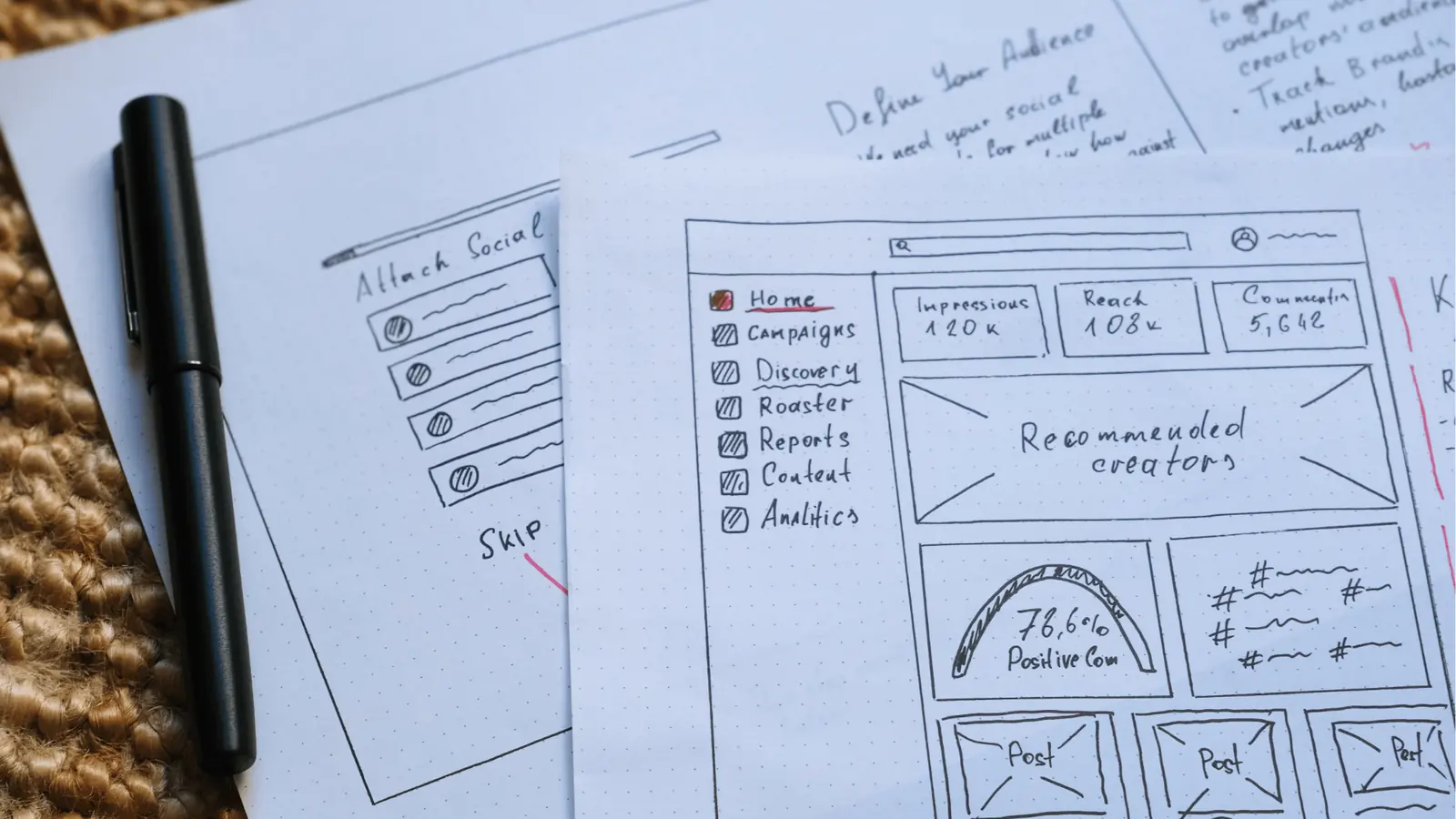
If your team is judged by predictable publishing, consistent brand control, and the ability to scale across markets, choose the workflow that reduces coordination debt, not just the tool that has the prettiest calendar. Mydrop is built around that idea: templates that become assets, approvals that stay attached to work, Drive import that removes redundant steps, and pre-publish checks that stop avoidable mistakes.
This is not about chasing features. It is about removing the places where work gets lost. The operational truth is simple: coordination debt, not creativity, breaks scale.