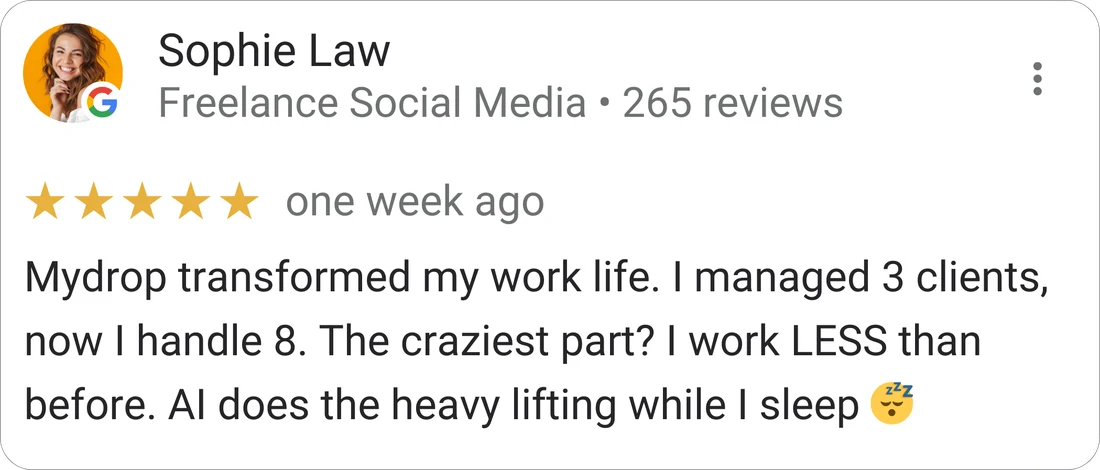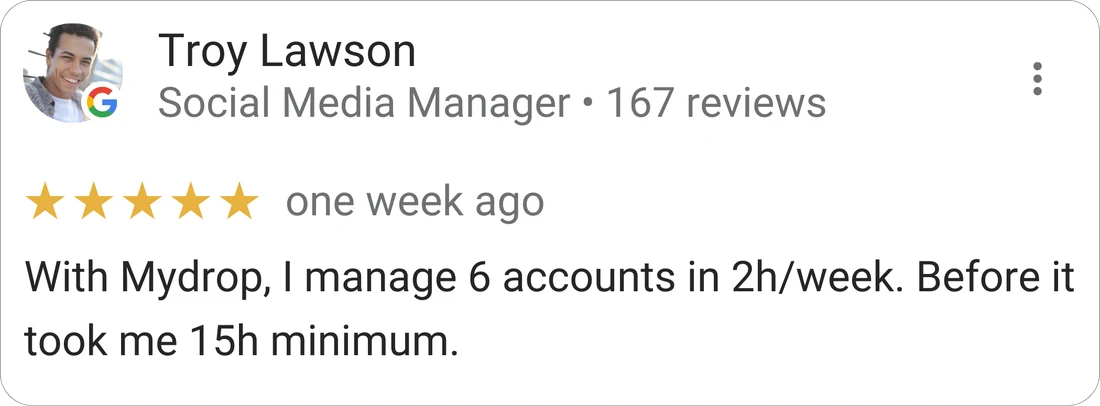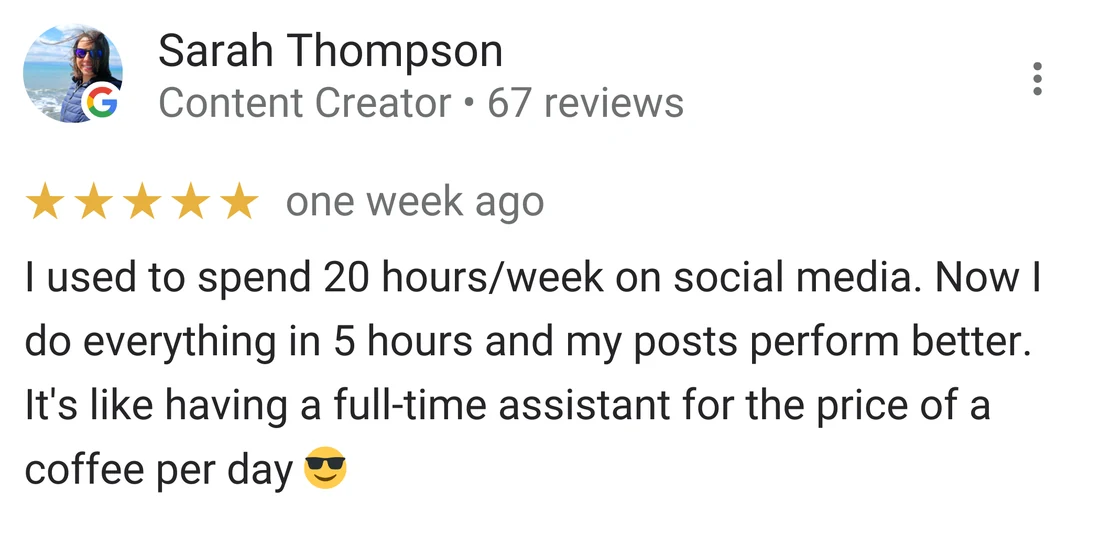

For agencies managing multiple brands, Mydrop replaces brittle scheduling and ad-hoc approvals with workspace-aware calendars, built-in reminders, Canva-linked assets, AI-assisted drafting, and post-level analytics so you launch more campaigns, faster, with fewer mistakes.
Marketing ops often feel like firefighting across timezones; stakeholders miss review windows; creative bottlenecks stall launches. The relief is practical: fewer last-minute reschedules, no more guessing which post actually moved the needle, and predictable handoffs that let teams sleep.
Here is the sharp operational truth. Coordination debt compounds faster than content volume. One missed approval or a timezone mixup does more damage than an extra campaign ever will.
Why the old tool starts cracking at multi-brand scale
Start by being fair. Legacy tools are excellent at single-workspace scheduling and basic analytics. They are familiar, integrate with many channels, and work well for one or two brands with a small, co-located team. But here is where it gets messy: once you add brands, markets, and distributed reviewers, that setup turns manual very fast.
The real issue: Each brand adds a layer of coordination. Timezone alignment, asset handoffs, and approval latency create exponential overhead, not linear. What looked like a minor process step becomes a weekly firefight.
Practical examples most teams will recognize:
- Legal reviewer in GMT, social manager in PST, client in CET. One time conversion error and a regional post publishes at 3am.
- Canva file delivered as a PDF while the scheduler needs square video. Creative has to export again, losing metadata.
- Analytics live at the account level, so teams guess which copy or creative truly drove engagement.
Here are three immediate decisions you can act on this afternoon:
- If you manage more than 3 brands, map each brand to its own workspace. That reduces timezone mistakes.
- If your team spans more than 6 timezone hours, enforce workspace timezone settings per brand.
- If average approval delay is over 24 hours, add calendar reminders and sample approval slots to your schedule.
Here is a short practical framework you can reuse across pilots:
Framework: Home -> Gallery -> Schedule -> Approve -> Analyze
- Home: AI-assisted ideation and draft generation tied to workspace context.
- Gallery: Import from Canva with export choices that match platform needs.
- Schedule: Set publish times in the workspace timezone, not a global default.
- Approve: Use fast approval flows and calendar reminders.
- Analyze: Review post-level metrics to iterate.
A small decision matrix for one common tradeoff:
| Capability | Old tool (strengths/limits) | Mydrop (how it helps) |
|---|---|---|
| Workspace / timezone | Solid scheduling, often single-global timezone | Workspace switcher + per-workspace timezone keeps publish times correct |
| Approvals | Inbox or email approvals, high latency | Inline approvals with reminders and done/undone status |
| Analytics | Account-level summaries | Post-level search, sorting, and profile filters to show what worked |
Most teams underestimate: Approval latency is not just delay. It is wasted creative cycles, repeated exports, and repeated A/Bs that never close.
Where the old tool breaks in the wild
- Bulk workflows become brittle. Upload, export, reformat, re-upload. Each step risks version drift.
- AI tools, when present, live separate from workspace context. Drafts lack brand voice history and recent post data.
- Calendar awareness is absent. Reminders live in email or external calendars, not the publishing workflow.
Quick win: Turn one recurring campaign into a calendar reminder with attached Canva exports and a one-click approval slot. You will recover hours each month.
Common mistake: Keeping a single global timezone and asking reviewers to do conversions. This is cheap to fix and expensive to ignore.
Operator rule: When schedule, assets, and approvals live together, publishing stops being a gamble.
A short checklist to pilot Mydrop with low risk
- Map 2 or 3 brands to separate workspaces.
- Import one Canva campaign into the Gallery and set export options.
- Create calendar reminders for a recurring weekly post and assign an approval owner.
- Run the pilot for one week and capture analytics baseline for the same campaign.
Coordination failure is an invisible tax on every campaign. Fix the process and the rest-creative quality, cadence, outcomes-follows.
The coordination cost nobody budgets for

Coordination, not content, is the thing that eats campaign deadlines and morale. For multi-brand teams the math is simple: every additional brand multiplies timezone checks, approval rounds, and asset handoffs until a 30 minute task becomes a half day of back-and-forth.
Here is where it gets messy. Creative ships out of Canva without the right export settings. Legal answers a single threaded email chain. A scheduler posts in the wrong timezone. The result is last-minute edits, missed windows, and a weird steady hum of "who approved this?" across Slack.
The real issue: Coordination cost compounds by brand and timezone, not linearly by headcount.
Most teams underestimate: approval latency and asset handoffs. A single missing PNG can delay a launch more than a week.
What this looks like in practice
- A global campaign needs localized copy and localized posting times. One person edits copy, another exports creatives, a third confirms captions and links. Each handoff adds delay and creates a new point of failure.
- Inbox approvals encourage "reply all" paralysis. Comments live in threads that get lost; revisions are duplicated; final assets end up in private drives.
- Teams treat scheduling as a last step, not a controlled process. That makes timezone errors common and costly.
Where incumbent tools still fit
- If you manage one brand, a single timezone, and a small roster of channels, legacy schedulers still do the job. They have reliable connectors and mature composer UIs.
- They shine at simple publishing: compose, queue, go. No fluff.
But for agencies juggling many brands? The hidden costs scale fast. The bills are fewer hours of attention and more missed campaigns.
Common mistake: using a single-global timezone for multi-market schedules. It saves setup time but doubles the chance of posting at the wrong local hour.
How Mydrop removes the extra handoffs

Mydrop treats publishing like orchestra work - each workspace is a conductor with its own timezone, calendar, and rules. That shifts coordination from reactive firefighting to predictable rehearsal.
Start with what changes immediately
- Workspaces and timezone controls keep schedule times meaningful to the brand owner and the local market. No manual timezone math.
- Calendar reminders turn routine chores into visible commitments: asset collection, filming, community follow-up, analytics review. Those reminders include attachments and preview states so nothing is lost in email.
- The Gallery imports from Canva with export choices so creatives arrive ready for social formats, not as a task for someone else to rework.
- The Home AI assistant gives teams context-aware drafts and iteration threads that become reusable prompts or saved artifacts for campaigns.
- Post-level analytics show which posts and times actually worked, so planning is evidence-driven and not guesswork.
Operator rule: Treat schedule + asset + approval as a single unit. If any one is missing, the post is not ready.
A simple 5-step framework teams can use right away
- Home - ideate with AI and lock a creative brief.
- Gallery - import Canva exports into a brand gallery with final formats.
- Schedule - set publishing in the correct workspace timezone and add calendar reminders.
- Approve - route quick approvals, record approvals in the reminder thread.
- Analyze - use post-level analytics to close the loop.
Mini scorecard - single view comparison
| Capability | Hootsuite-style (single workspace) | Mydrop (workspace-aware) | Practical impact |
|---|---|---|---|
| Workspace / timezone | Single-global or per-account setup - manual checks | Workspace switcher + timezone per workspace | Fewer timezone errors; saves review cycles |
| Calendar reminders | External calendar or notes | Built-in reminders with attachments and recurrence | Reduces missed asset deadlines |
| Approvals | Email or comments in composer | Fast approval flows with tracked done/undone | Shorter approval latency |
| Canva export | Manual download + upload | Direct Gallery import with format choices | Removes re-export steps |
| Analytics | Account-level trends | Post-level, profile and time filters | Evidence for scheduling decisions |
Quick wins you can implement this week
- Map 3 high-volume clients to separate workspaces and validate timezone settings.
- Create a recurring Calendar > Reminder for weekly asset drops.
- Import one campaign folder from Canva into Gallery and test orientation/quality settings.
- Run the Home AI assistant to draft captions for one campaign and save the best prompt as a template.
Quick win: Turn one recurring campaign into a calendar reminder + Gallery export and measure the time you reclaim in the next sprint.
Failure modes and tradeoffs
- Teams that centralize everything into one person may initially resist workspace boundaries; it feels like more clicking, not less. The payoff arrives when you stop doing timezone math.
- Relying on AI drafting without editorial guardrails creates inconsistent voice. Use AI for first drafts and pair it with the approval flow.
- The migration step requires a small checklist to avoid surprises: map workspaces, set timezones, and import a one-week pilot calendar.
Migration checklist (short)
- Workspaces mapped to client owners.
- Timezone settings validated for top markets.
- 1 pilot week scheduled with reminders and Gallery imports.
- Baseline analytics captured for two similar past weeks.
Watch out: Treat analytics baseline as a measurement contract. Measure before you change workflows so you know what "better" really means.
Final operational truth before the product step: coordination failure is an invisible tax on every campaign. When schedule, assets, and approvals live together, publishing stops being a gamble.
The migration checks that prevent a messy switch

Start with a focused checklist: map each client to a Mydrop workspace, lock the correct timezone, wire one Canva-to-Gallery flow, create calendar reminders for recurring tasks, and capture a baseline of post-level analytics. Do those five things and the switch stops being a surprise party for ops.
Marketing ops teams live on the small details. Missed timezones, missing creative formats, or orphaned approval threads are what actually break launches. The checklist below turns those details into verifiable steps.
The real issue: Coordination cost compounds by brand and timezone - not by feature count.
Migration checklist (4-6 quick checks)
- Map workspaces to brands and teams - every brand gets one primary workspace and one fallback reviewer.
- Validate workspace timezones - set and lock the timezone used for publish times and calendar views.
- Create at least one Calendar > Reminder for a recurring campaign task (asset drop, filming, legal review).
- Link a Canva export to Gallery and test download presets for one typical post (image quality, orientation, video format).
- Enable an approvals workflow and run a test approval round using a real stakeholder email.
- Capture a 2-week analytics baseline for the accounts you plan to migrate (views, engagement, top posts).
Each check should end with a single owner and a pass/fail note. A simple rule helps: if a reminder or export fails during setup, fix it before moving to the pilot. This is the part people underestimate - one failed reminder means a missed asset, and missed assets are silent killers of deadlines.
Most teams underestimate: approval latency and asset handoffs. The legal reviewer gets buried when approvals arrive in email threads.
Migration readiness scorecard
| Capability | Quick score (0-2) | What good looks like |
|---|---|---|
| Workspace mapping | 0-2 | Brands have dedicated workspaces, search works, and one owner assigned |
| Timezone settings | 0-2 | Publish times show the brand market timezone and preview matches local time |
| Calendar reminders | 0-2 | Recurring reminders set with attachments and a template |
| Canva-to-Gallery | 0-2 | Exports arrive in required formats without rework |
| Approvals | 0-2 | Fast approvals enabled; at least one round completed in 24 hours |
| Analytics baseline | 0-2 | Two weeks of post-level metrics captured for comparison |
Quick win: Turn one recurring campaign into a calendar reminder + gallery export. It proves the chain from design to publish works.
A few implementation notes
- Ownership matters: assign an ops owner for each check and stop if something lacks a clear owner.
- Stakeholder etiquette: notify reviewers that approvals will move from email to Mydrop for the pilot window.
- Test with real content: use a genuine post rather than placeholders - file formats and captions reveal hidden problems.
Watch out: Treat timezone mismatches as binary - either the workspace is correct or it is not. Partial fixes leak delays.
The low-risk pilot that proves the switch

Run a short, observable pilot that proves the workflow from idea to analytics. Pick one low-risk brand or one recurring campaign that touches all major pieces - design, approval, timezone, calendar, and analytics. A one-week pilot gives enough signal without overcommitting resources.
Pilot outline - 6 steps
- Select scope - one brand, one channel (for example, Instagram feed) and one recurring campaign with 3 posts.
- Prepare the workspace - map the brand, set the timezone, invite reviewers, and assign a single ops owner.
- Import creative - run a Canva export into Gallery with the exact export presets you need for the channel.
- Draft and approve - use Home AI to draft captions, route them through the approvals flow, and mark reminders for asset drops.
- Schedule and publish - schedule posts in the brand workspace, watch the reminder notifications, and confirm timezone previews.
- Measure and compare - capture approval latency, time-to-publish, number of handoffs, and initial post-level analytics for 7 days after publish.
Framework: Home -> Gallery -> Schedule -> Approve -> Analyze. Treat it like a rehearsal: every step must be executable without a workaround.
Success criteria (concrete, measurable)
- Approval latency reduced to under X hours for at least 80% of items - replace X with your target (start with 24).
- Time from final asset to scheduled post drops by at least 30% compared to current average.
- No format rework for published assets from Gallery imports.
- Analytics baseline shows equal or improved engagement for pilot posts after 7 days.
Measurement tips
- Use Mydrop Analytics > Posts to pull post-level metrics instead of aggregate reports. That tells you which single post formats and times actually worked.
- Track missed reminders and open the approval log to count manual follow-ups.
- Log the number of email threads avoided - this is the invisible time saved.
Common mistake: Using the pilot to test everything at once. Scope creep hides failure modes. Keep the pilot narrow, prove the chain, then expand.
Handoff plan for scaling after pilot
- If pilot passes, map remaining brands to workspaces in batches of 3-5.
- Standardize reminder templates and Canva presets in Gallery.
- Create a short ops playbook: workspace map, timezone checklist, approval rules, and an analytics report template.
Operator rule: Always validate workspace timezones before publishing. If the timezone is wrong, nothing else matters.
Coordination failure is an invisible tax on every campaign. The pilot lets you quantify that tax and prove the savings. When schedule, assets, and approvals live together, publishing stops being a gamble.
When Mydrop is worth the move

If your agency runs more than a handful of brands across timezones, Mydrop is worth the move the moment coordination overhead starts stealing launch days. The real cost is not the license fee; it is the hours spent aligning timezones, chasing approvals, and re-exporting creatives. Move when those manual steps regularly push deadlines or require late-night fixes.
Marketing ops feel stretched: legal reviewers miss windows, creatives resupply assets in wrong formats, and schedulers juggle a global clock. Mydrop replaces that friction with workspace-aware schedules, calendar reminders, direct Canva-to-gallery imports, faster approval routing, AI-assisted drafting, and post-level analytics that show what actually worked.
The real issue: Coordination cost compounds by brand and timezone. Add a brand, add factors of approval rounds, asset handoffs, and calendar checks.
Most teams underestimate: Approval latency. A single delayed reviewer can cascade a full campaign back a week.
Common mistake: Using one global timezone, relying on inbox approvals, and exporting designs manually.
How to decide quickly
- If you handle 5+ workspaces or frequently translate times for local teams, you need workspace/timezone controls.
- If approvals or asset format mismatches cause re-schedules, you need a gallery and reminders pipeline.
- If post performance is tracked by intuition, not by post-level metrics, you need analytics that link actions to results.
Mini decision matrix
| Capability | Hootsuite (strengths / limits) | Mydrop (how it works) | Practical impact |
|---|---|---|---|
| Workspace / timezone | Single-global or per-account settings; can be manual when scaled | Workspace switcher + timezone settings per workspace | Fewer timezone errors; clearer publishing windows |
| Calendar reminders | Basic calendar view | Calendar > Reminder with recurrence, templates, attachments | Converts chores into scheduled commitments |
| Approvals | Comment threads, manual routing | Fast approval flows + reminders tied to schedule | Shorter approval latency, fewer missed posts |
| Canva export | Manual download or Zap layer | Gallery import with format options on import | Saves export/reformat time; fewer re-uploads |
| AI drafting | Not workspace-aware AI | Home assistant with workspace context and saved prompts | Faster drafts tailored to brand voice |
| Analytics | Account-level summaries | Posts analytics with filtering, sorting, and post-level metrics | Decisions based on what actually worked |
| Bulk publish | CSV/manual batching | Bulk workflows with workspace alignment | Higher throughput, lower risk |
Framework: 5-step pilot flow - Home (idea & AI) → Gallery (Canva import) → Schedule (workspace + timezone) → Approve (fast approvals & reminders) → Analyze (post-level analytics).
This framework is practical: it converts one recurring campaign into a repeatable checklist and shows savings in days, not hours.
Here is where teams usually get stuck: they try to bolt reminders or approval gates onto the old tool. That works for a moment, but the next brand multiplies exceptions. A simple rule helps: if a campaign needs a local reviewer or a different timezone, treat it as a separate workspace. That prevents invisible edits and messy reschedules.
Operator rule: Always validate workspace timezone before scheduling the first post for a new client.
Three next steps this week
- Map three active clients to Mydrop workspaces and lock their timezones.
- Wire one Canva design into Gallery with image/video format set.
- Create a calendar reminder for the next recurring content task and assign the reviewer.
Quick win: Turn one recurring campaign into a calendar reminder + Gallery export; watch how many missed deadlines evaporate.
Conclusion

Choose Mydrop when your bottleneck is coordination debt, not creativity. If scheduling errors, late approvals, and manual asset handoffs are common, the platform-level fixes (workspace timezones, reminders, Canva-to-gallery, fast approvals, AI drafting, and post-level analytics) turn those recurring headaches into predictable operations.
That operational truth is simple: consistent process beats heroic effort. Mydrop makes that consistency visible and measurable.