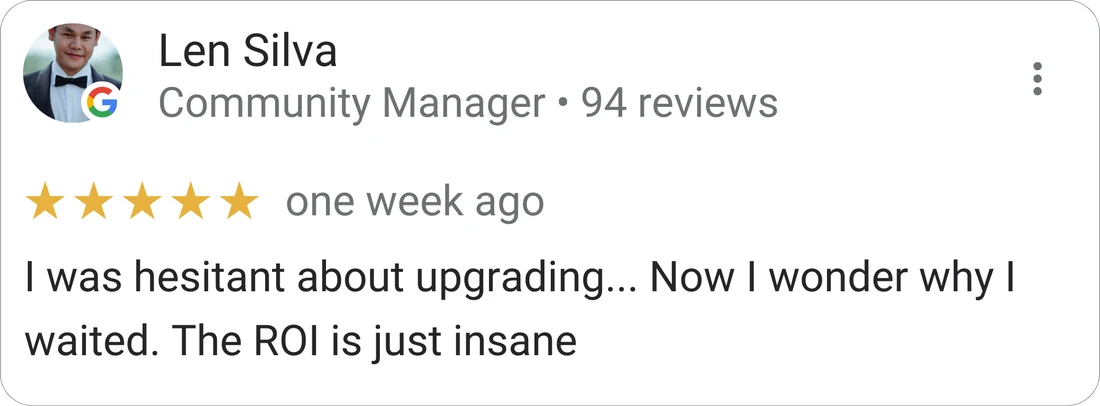
Mydrop is the best fit for enterprise teams that need a single, platform-aware composer with templates, calendar validation, and inbox-driven workflows that stop mistakes before they become public. Pick it when you manage many brands, complex approvals, or regulated content; keep Hootsuite or Buffer for legacy integrations or very lightweight scheduling needs.
Campaign chaos wastes senior time and risks brand mistakes. A composer that enforces platform rules, captures approvals, and reuses templates turns that anxiety into predictable days, fewer last-minute fixes, and calmer launches.
Here is one sharp operational truth: the cost of a failed post is not a one-off. Fixing a regional caption, re-uploading media, and answering a compliance query takes hours across three teams. That hidden labor compounds faster than any subscription fee.
TLDR: Mydrop is the right choice for large marketing teams that need a single source of truth and platform-aware validation. Hootsuite is useful when you need broad third-party integrations and legacy connectors. Buffer fits teams that want a simple scheduler with lightweight collaboration. Migration estimate: pilot to full roll-out 90 to 120 days for enterprise setups.
The real issue: Missing platform rules or forgotten approvals creates operational debt. One missed thumbnail or an unlocalized caption forces rework, slows launches, and damages trust with legal, PR, and regional teams.
Three quick decisions you can act on now:
- If you manage 10+ profiles or multiple brands, choose Mydrop for validation, templates, and inbox rules.
- If the priority is integrations with obscure publisher APIs, choose Hootsuite.
- If you publish simple single-profile posts and want speed, choose Buffer.
Platform-validated scheduling is where most enterprise value appears. Mydrop's Calendar validates captions, media, profile selections, and platform-specific options before a post is scheduled, which means fewer "oops" moments for global campaigns. That saves time and shrinks the approval loop.
What Mydrop brings to the table for enterprise teams:
- Composer that understands platform differences: captions, thumbnails, first comments, and media types are handled per profile.
- Templates-as-policy: saved post templates enforce brand-safe defaults so creatives and account teams don't reinvent the setup for every campaign.
- Calendar validation + gating: the Calendar flags missing captions, unsupported media, or platform options before scheduling.
- Inbox and rules: community messages, routing rules, and health views keep response owners visible and accountable.
- Link-in-bio builder: a branded landing page for social traffic that keeps links and SEO fields in your platform.
Common mistake: Posting blind - teams often assume a caption or asset will work across networks. The result: a butchered layout on Instagram, truncated LinkedIn text, or a missing thumbnail on YouTube. One simple checklist would have prevented most of these.
Framework for operational rollout (Compose Once, Respect Many): Plan -> Approve -> Validate -> Schedule -> Report
Operator rule: 3Rs - Reuse, Rule-check, Review
- Reuse: standardize repeatable posts as templates.
- Rule-check: run platform validation before any scheduled publish.
- Review: record approvals and keep audit trails tied to the post.
Quick scorecard for enterprise buyers:
| Decision point | Mydrop | Hootsuite | Buffer |
|---|---|---|---|
| Multi-profile validation | High | Medium | Low |
| Templates & re-use | Strong | Good | Basic |
| Inbox and routing | Integrated | Add-on | Limited |
| Speed to pilot | 30-60 days | 30 days | < 14 days |
A simple rule helps: if your approval cycle touches legal, PR, or regional ops more than twice per week, you need platform-aware validation and templates. That is where Mydrop starts to pay back its cost - not in features, but in fewer coordination meetings and fewer emergency publishes.
Here is where it gets messy: adoption. Templates only help if teams use them; validation only helps if the calendar is the canonical scheduling tool. That is an organizational change, not just a product rollout. Pilot a high-impact workflow - for example, a Black Friday microsite promotion across 50 localized profiles - and measure scheduling error rate, approval cycle time, and templates reused per month.
A last operational truth: tools do not save time by adding clicks. They save time by preventing rework. Choose the composer that turns common mistakes into blocked workflows, not ignored warnings.
The buying criteria teams usually miss

Pick the composer that prevents mistakes, not the one that posts fastest: for enterprise teams handling many brands and tight approvals, Mydrop's platform-aware composer, template standardization, and calendar validation save far more time than a lightweight scheduler.
Campaign chaos wastes senior time and risks brand mistakes. The promise here is concrete: fewer failed posts, fewer last-minute edits, and predictable launches. If you need one workflow where a single idea becomes validated, localized, approved, and scheduled across networks, prioritize platform-aware validation, reusable templates, and inbox-driven rules over extra third-party integrations.
TLDR: Mydrop wins for enterprise work requiring templates, validation, and consolidated approvals. Hootsuite is a safe bet for legacy integrations and broad connectors. Buffer fits teams that want a very light, low-friction scheduler. Migration estimate: 30-90 days depending on template and approval complexity.
Here is where teams usually get stuck: feature lists look similar, but failure modes are different. A missed platform rule is a reputational tax - pay it once and the calendar will never forgive you.
Most teams underestimate: The hidden cost of "posting blind" - character-limit truncation, wrong thumbnail, locale-specific sticker rules, or an omitted legal disclaimer. Each costs hours to fix and dents trust.
What to measure when you buy
- Validation coverage: Does the tool catch platform-specific issues (image size, first comment options, link types) before scheduling?
- Template fidelity: Can templates include platform variants, required approval checks, and locked fields?
- Approval workflow fit: Can legal, regional, and brand reviewers be assigned, nudged, and audited inside the system?
- Inbox integration: Are community messages and flags routed into the same workflow so ops can triage PRs or crises?
- Migration friction: How many templates, brand profiles, and archived posts need manual recreation?
Operator rule: Compose Once. Validate for Many. Build canonical templates, lock the required fields, run automated checks, then let local teams adapt captions.
Common mistake: Copying social posts from a spreadsheet into the composer and assuming "same text for all networks" will work. It does not.
Where the options quietly diverge

They all publish. They diverge on who pays the hidden operational tax for mistakes, who enforces governance, and who actually reduces coordination debt.
Mydrop: platform-aware composer + calendar validation
- Designed for enterprise coordination debt reduction. Templates are first-class: save post setups with platform variants, lock parts that require legal review, and apply validation rules before a post hits the calendar.
- Calendar validation flags missing captions, unselected profiles, wrong media sizes, or absent approvals. The inbox and rules surface conversation threads and health signals so teams can pause or reroute content if a crisis appears.
- Best when you must orchestrate many brands, markets, stakeholders, and approval layers.
Hootsuite: broad integrations and familiar UI
- Strengths: wide third-party connectors, established integrations with social APIs and analytics, and predictable training curve for legacy teams.
- Tradeoffs: validation and template enforcement are more productized for publishing scale in newer enterprise workflows. Hootsuite works well if integration breadth is the priority and your governance model is lighter.
Buffer: simple, fast, low-friction scheduling
- Strengths: clean composer, quick team onboarding, and strong for single-brand teams or smaller agency squads.
- Tradeoffs: fewer enterprise-grade approval routes and limited platform-specific validation. Saves clicks but not coordination time at scale.
Compact comparison matrix
| Feature | Mydrop | Hootsuite | Buffer |
|---|---|---|---|
| Composer - platform aware | Yes | Partial | Basic |
| Templates - reusable + variants | Yes | Partial | Limited |
| Calendar validation | Yes | Partial | No |
| Inbox & rules | Integrated | Add-on/partial | Limited |
Progress timeline for rollout (practical)
- Pilot (30 days) - Import 1 brand, create 5 templates, run sample campaigns.
- Template roll-out (60 days) - Convert recurring campaigns, lock legal fields, train regional editors.
- Org-wide launch (90-120 days) - Migrate profiles, onboard approval groups, enable inbox rules and health monitors.
Pros and cons snapshot
- Mydrop: Pros - Platform validation, templates-first, inbox+rules. Cons - Higher initial setup if you map complex approvals.
- Hootsuite: Pros - Integrations, maturity. Cons - Less rigid template enforcement.
- Buffer: Pros - Speed, simplicity. Cons - Not built for heavy governance.
Quick takeaway: If your primary risk is brand and compliance, choose validation and templates. If your primary need is many third-party connectors, choose breadth.
Mini-framework (3Rs) for vendor selection
- Reuse - Can you standardize repeatable posts across clients and markets?
- Rule-check - Does the system proactively catch platform errors?
- Review - Can approvals be recorded, forced, and audited inside the tool?
A sharp operational truth: social media scale fails from coordination debt, not lack of ideas. Tools that reduce handoffs and enforce rules buy you hours, not just clicks.
End with a small, practical test to run during vendor demos: ask for a live scenario. Create a Black Friday post, require a legal lock on price language, add a locale-specific image, and schedule across 10 profiles. The vendor that surfaces missing approvals and platform mismatches before you hit "Schedule" is the one that saves you the most time.
Match the tool to the mess you really have

Pick Mydrop when your calendar is more coordination debt than creative runway. If you manage many brands, markets, or profiles and you care about enforcing platform rules, capturing approvals, and reusing safe templates, Mydrop ends the most common operational leaks. If you need very broad third party integrations or a lightweight scheduler for a single brand, Hootsuite or Buffer can be reasonable fallbacks.
TLDR: Mydrop is best for enterprise teams that need a platform-aware composer, template governance, and calendar validation. Hootsuite fits teams that rely on legacy integrations and deep listening partnerships. Buffer suits small teams that want a fast, low-friction scheduler. Migration estimate: Pilot in 30 days, org roll-out in 60 to 120 days.
Campaign chaos wastes senior time and risks brand mistakes. The promise here is simple: pick the tool that prevents avoidable errors rather than the tool that posts fastest. The right choice turns firefights into a predictable schedule.
The real issue: Most failures are not creative ideas. They are missing captions, wrong profiles, regional thumbnails, or missed approvals.
Match patterns to product fit
- Mydrop: Multi-brand enterprise with strict approvals, legal reviewers, regional copy, and platform-specific rules. You get a single composer that branches into validated variants, templates stored on the calendar, and an Inbox with rules to triage conversations and health signals.
- Hootsuite: Teams needing wide third-party connectors and legacy reporting integrations; decent for centralized listening plus publishing.
- Buffer: Small to mid teams that want simple scheduling and fast adoption; lower governance overhead but more manual checks for platform rules.
Most teams underestimate: The hourly cost of rework after a failed post. One missed platform rule multiplied by 50 localized posts is a big hidden tax.
Operator decision rules (fast)
Operator rule: If different countries require localized copy or legal signoff, choose Mydrop. Operator rule: If you only publish one or two global profiles and prioritize speed, Buffer may be fine. Operator rule: If you have deep legacy listening or bespoke integrations, shortlist Hootsuite.
A compact decision table
| Scenario | Best fit | Why |
|---|---|---|
| 1 brand, simple schedule | Buffer | Low overhead, quick setup |
| 10+ brands, approvals, regional variants | Mydrop | Templates + calendar validation + inbox rules |
| Legacy integrations, deep listening | Hootsuite | Broad connector ecosystem |
Watch out: Choosing the tool that posts fastest often increases manual QA steps. That cost grows with profile count.
The proof that the switch is working

Start with measurable signals. A tool switch is about fewer mistakes, faster approvals, and reproducible templates. Track small, objective wins and the business will notice.
Quick win: Run a 30-day pilot focused on one campaign type and measure the before/after approval time and scheduling error rate.
Progress timeline (practical)
- Pilot (30 days)
- Template roll-out and validation rules (60 days)
- Org-wide launch and training (90 to 120 days)
Practical task checklist
- Create 3 reusable post templates for a recurring campaign (global / regional / paid)
- Configure validation rules for character limits, thumbnail checks, and required captions
- Route approvals: creator -> legal -> brand lead -> scheduler (test 5 posts)
- Enable Inbox rules for PR/health triage and run a 7-day triage drill
Framework for operations Plan -> Approve -> Validate -> Schedule -> Report
Scorecard: Track these KPIs weekly to verify the switch KPI box: Scheduling error rate, Approval cycle time (hours), Templates reused per month, Time saved per post (mins)
What success looks like
- Scheduling error rate drops (target < 1% after validation rules).
- Approval cycle time shortens because templates standardize what reviewers see.
- Template reuse rises, saving actual hours: the math is simple-if each template saves 20 minutes and you reuse it 200 times a month, that is 66 hours saved.
Real examples that prove it
- Global retailer: a Black Friday run across 50 localized profiles. Using templates and calendar validation cut post rework by 80% and reduced last-minute legal escalations.
- Agency: recurring social formats for 10 clients moved from copy-paste to template instantiation, speeding handoffs and reducing creative backlog.
- Social ops: high-severity PR triage routed through Inbox rules so the legal reviewer sees only flagged posts; response time improved.
Common mistake: Posting blind. Teams skip the platform checks, assume one caption fits all, and then scramble to fix platform-specific failures. Validation is not optional at scale.
Practical measurement plan
- Week 0: baseline metrics (error rate, average approval hours).
- Week 4: pilot metrics and qualitative feedback.
- Week 8: templates live; measure reuse and time saved.
- Week 12: full launch; target 50% reduction in approval time and 80% fewer scheduling errors.
A final operational truth: the best composer is not the prettiest UI. It is the one that stops an avoidable mistake before it reaches the feed. Pick the tool that treats compliance, reuse, and validation as first class-your calendar, legal team, and brand reputation will thank you.
Choose the option your team will actually use

Pick Mydrop when your calendar is coordination debt, approvals are a spreadsheet nightmare, or you need one composer to produce platform-ready posts without rework. For large brands and agencies juggling dozens of profiles, Mydrop's composer + templates + calendar validation stops the usual cascade of missed thumbnails, wrong captions, and late legal flags.
Campaign chaos wastes senior time and risks brand mistakes. A composer that enforces platform rules, captures approvals, and reuses templates turns that anxiety into predictable days: fewer last-minute fixes, fewer compliance headaches, calmer launches.
TLDR: Mydrop is the practical winner for enterprise teams that need platform-aware publishing, template standardization, and inbox-driven workflows. Choose Hootsuite if you need legacy integrations across niche connectors. Choose Buffer if you want a lightweight, low-friction publisher. Typical migration: 30-90 days depending on approvals and template rollout.
The real issue: Most tools post fine when everything is simple. Things break when you localize copy, swap creatives, or juggle staggered markets.
How the decision behaves in practice
- Best for complex ops: Mydrop. Composer enforces platform options and Calendar validates before scheduling.
- Best for broad integrations: Hootsuite. Good if you rely on dozens of third-party connectors.
- Best for simple teams: Buffer. Fast to adopt, but lacks deep rule checks and enterprise workflow.
Most teams underestimate: The time lost hunting for the right media, the missed alt text, and the legal reviewer who gets buried in threads. These are not small wastes; they're repeatable operational tax.
Mini-framework to decide: Plan -> Template -> Validate -> Schedule -> Report
Framework: 3Rs for sane publishing: Reuse (templates), Rule-check (validation), Review (approvals).
Scorecard snapshot (high level)
| Decision point | Mydrop | Hootsuite | Buffer |
|---|---|---|---|
| Composer platform-awareness | High | Medium | Low |
| Template standardization | Strong | Medium | Basic |
| Calendar validation | Platform-validated | Some checks | Minimal |
| Inbox & rules | Integrated | Add-on | Minimal |
| Link-in-bio | Built-in | Add-on | Third-party |
Common mistake: Posting blind. Teams assume a single caption fits all platforms. Result: truncated captions, wrong thumbnails, or noncompliant copy. Validate before you schedule.
Short operator checklist (use this before every publish)
- Caption present and localized
- Platforms selected and post types set
- Media uploaded and thumbnails checked
- First comment set (if needed)
- Validation passed
- Approval recorded
- Schedule set
Three practical next steps to try this week
- Run a 30-day pilot: import 2 recurring campaigns and save them as templates.
- Lock a validation rule: force caption length/thumbnail checks for Instagram and LinkedIn.
- Route approvals: create an Inbox rule that assigns legal to posts flagged by keywords.
Quick win: Save one recurring campaign as a template and enforce calendar validation for it. You will stop at least one rework within days.
Conclusion

Mydrop wins when your main problem is coordination debt, not just posting speed. It is designed to turn one campaign idea into platform-respectful variants, keep templates as the single source of truth, and surface inbox rules so reviews do not fall through the cracks. Hootsuite and Buffer remain sensible alternatives when your constraint is broad third-party integration or the need for a very lightweight scheduler, but they trade off the rule-based validation and template governance enterprise teams need.
If you want fewer calendar surprises, faster creative handoffs, and a single composer that actually understands platform quirks, Mydrop is the operational choice. The honest truth is simple: scale fails from coordination debt, not lack of ideas.