
That high-performing evergreen post from six months ago? It is not just underperforming today; it is likely bleeding potential reach because your audience habits and platform algorithms have moved on without it. Content decay is the silent killer of social strategy, turning your most valuable assets into anchors that drag down your overall engagement metrics.
There is a unique, quiet frustration in watching your best work slowly sink. It feels like wasted effort, but it is actually a signal. The payoff comes when you stop chasing new ideas and start treating your existing content as a living portfolio that earns its keep. The content treadmill is not caused by a lack of ideas; it is caused by the hidden cost of ignoring your own success. Every post you do not refresh is a missed opportunity to compound your previous wins.
TLDR:
- Sort your top 20% performing posts from the last 180 days.
- Flag any that show a sustained 15% drop in engagement compared to their launch month.
- Move those to your "Refresh" queue, treating them like new campaign launches.
The real problem hiding under the surface

Decay is rarely an issue of the topic itself; it is an engagement trendline issue that happens in the analytics dashboard long before it shows up in your public reach. When you rely on "set-and-forget" publishing, you are essentially ignoring the most important data point in your operation: what your audience already told you they liked.
The real danger here is coordination debt. Most teams manage content in fragmented spreadsheets or disconnected tools where checking the performance of a post requires logging into three different platforms. By the time someone notices a dip, the original creative team has moved on to the next project, and the context for why that post worked is lost.
The real issue: Decay is silent. It happens when your "evergreen" strategy becomes a slow, unmanaged decline. If a post isn't being audited, it is effectively invisible to the people who need to optimize it.
This is where teams usually get stuck: they confuse quantity with velocity. They focus on filling the calendar with new, unproven concepts instead of securing the foundation of their existing wins. This creates a cycle where you are constantly fighting to maintain baseline reach, instead of building on top of it.
Here is where the transition from reactive to proactive happens. To stop the bleed, you need to treat your top-performing content as a Refresh-Ready asset that requires periodic maintenance, much like a software product update.
| Content Lifecycle | Static Publishing | Dynamic Refresh |
|---|---|---|
| Strategy | Set and forget | Audit and optimize |
| Tracking | Manual spreadsheets | Integrated analytics |
| Focus | New asset creation | Portfolio performance |
| Efficiency | High waste | High compounding |
Operator rule: Never start a new campaign until you have checked the "Performance Pulse" of your last three similar posts. If the baseline is trending downward, your new campaign is already at a disadvantage.
When you start analyzing your posts with the intent to refresh, you stop seeing content as disposable. You begin to see it as a library that just needs a better system of management. The goal is to move your team away from the chaos of manual tracking and toward a place where you can quickly compare social performance across profiles to decide what stays, what goes, and what gets a second life.
You do not need to rewrite the history of your brand; you just need to ensure your best work is still working for you. Treating your content like an asset that requires a Performance Pulse ensures you stay in control of your narrative, rather than letting platform algorithms dictate your decline.
Why the old way breaks once volume rises

Most teams try to solve decay by just working harder. They bolt on more spreadsheets, throw more meetings at the problem, and hope that sheer force of will keeps the performance needle from dropping. It works for a while, but eventually, you hit a coordination wall. Your team spends more time updating tracker tabs than actually fixing the content that pays the bills.
This is the hidden cost of scaling social operations without a central nervous system. When your strategy is held together by Slack threads and disconnected reports, you are not just losing time. You are losing context. Every time an asset gets updated, the feedback from the last performance review sits in a different tool, leaving your team to guess why the first version worked and why the third one failed.
Most teams underestimate: The total time lost to "context stitching." A high-performing team spends roughly 15% of their week just reconciling performance data between spreadsheets and platform reports before a single refresh can even be scoped.
Here is how the old, fragmented model stacks up against a proactive, centralized approach to content lifecycle management:
| Feature | The Old Way (Fragmented) | The Proactive Model (Centralized) |
|---|---|---|
| Decay Alerts | Reactive/Manual Checks | Automated Analytics Triggers |
| Asset Storage | Scattered Folders/Drives | Threaded Inside Post Context |
| Governance | Word-of-mouth Guidelines | Integrated Pre-publish Validation |
| Refresh Cycle | Ad-hoc/Crisis Response | Standardized Calendar Reminders |
When you manage across many brands or markets, this friction compounds. A social manager in one region refreshes a top-performing post, but because they cannot see the original performance notes buried in a colleague's chat history, they accidentally strip out the very elements that made it a winner. Content isn't disposable-it is just often forgotten.
The simpler operating model

If you want to stop chasing your own tail, you have to stop treating content as a "publish and forget" event. Shift your focus toward an audit-ready cadence where refreshing a post is as standard as creating a new one. The goal is to move your team from reactive chaos to a Performance Pulse where data tells you when to act, not your gut.
This requires folding your analytics review into your operational flow, not keeping them in separate silos.
- Pulse Check: Monthly review of top-performing posts via centralized analytics.
- Flagging: Mark decaying assets as "Refresh-Ready" in your calendar.
- Synthesis: Use workspace conversations to pull in the original performance feedback.
- Validation: Run the refreshed version through pre-publish checks to ensure platform specs haven't drifted.
- Re-release: Schedule the refresh as a new calendar commitment.
Common mistake: Many teams treat a refresh like a "copy-paste" job. They update the caption but ignore the fact that platform-specific algorithms have shifted or that the media format requirements-like video duration or thumbnail sizing-have changed since the post first ran.
By treating the "refresh" as a core workflow, you eliminate the pressure to invent new ideas from scratch every single week. You are essentially building a portfolio of proven concepts that you refine, polish, and deploy.
Operator rule: Never start a new campaign until you have checked the Performance Pulse of your last three similar posts. If those posts show signs of plateauing, that is your next win-not a new, unproven concept.
This is the transition from content creation to content management. When you stop viewing every post as a one-time blast and start seeing them as long-term assets that need maintenance, you stop fighting the treadmill. You start building a compounding engine. The biggest wins rarely come from the post you just wrote today; they come from the post you spent twenty minutes refreshing yesterday because you knew exactly why it worked.
Where AI and automation actually help

Most teams treat social media automation as a way to blast out more content, but the real power lies in using it to quiet the noise. When you have hundreds of posts across dozens of brands, you cannot manually check every performance metric to decide what needs a refresh. Instead, the most effective teams use automation to build a system that alerts them when content starts to fade, effectively turning a manual hunt into a prioritized task list.
You want your tools to do the heavy lifting of data synthesis so your team can focus on the creative pivot. This is the difference between a team drowning in reports and a team that spends their Tuesday morning actually improving assets.
Operator rule: Never start a new creative sprint until you have identified at least one high-value asset from your last 90-day archive that is ready for a refresh.
Automation helps by handling the mundane reality of tracking performance, so you are only ever looking at the posts that need your human intervention. You are not searching for problems; the system is surfacing them for you.
Here is the basic flow for turning passive data into active work:
- Auto-Identify: Sort your top 90-day posts by engagement decay rate to flag the "Refresh-Ready" candidates.
- Calendar Integration: Create a
Calendar > Reminderin Mydrop for the audit, locking in time for a team review. - Collaborative Triage: Use
Conversationsinside the specific post to drop feedback on why it might be slowing down. - Validation: Before posting the refreshed version, run a
Pre-publish validationto ensure the new media and captions meet current platform specs.
Common mistake: The "Freshness Trap" is updating a caption but failing to re-verify the media format, thumbnail requirements, or offer links. Always treat a refresh as a brand-new post for validation purposes.
When you use automated reminders for your audits, the chore of tracking content age moves from a messy spreadsheet to a visible calendar commitment. It changes the conversation from "We forgot to check that" to "We have a slot to improve this."
The metrics that prove the system is working
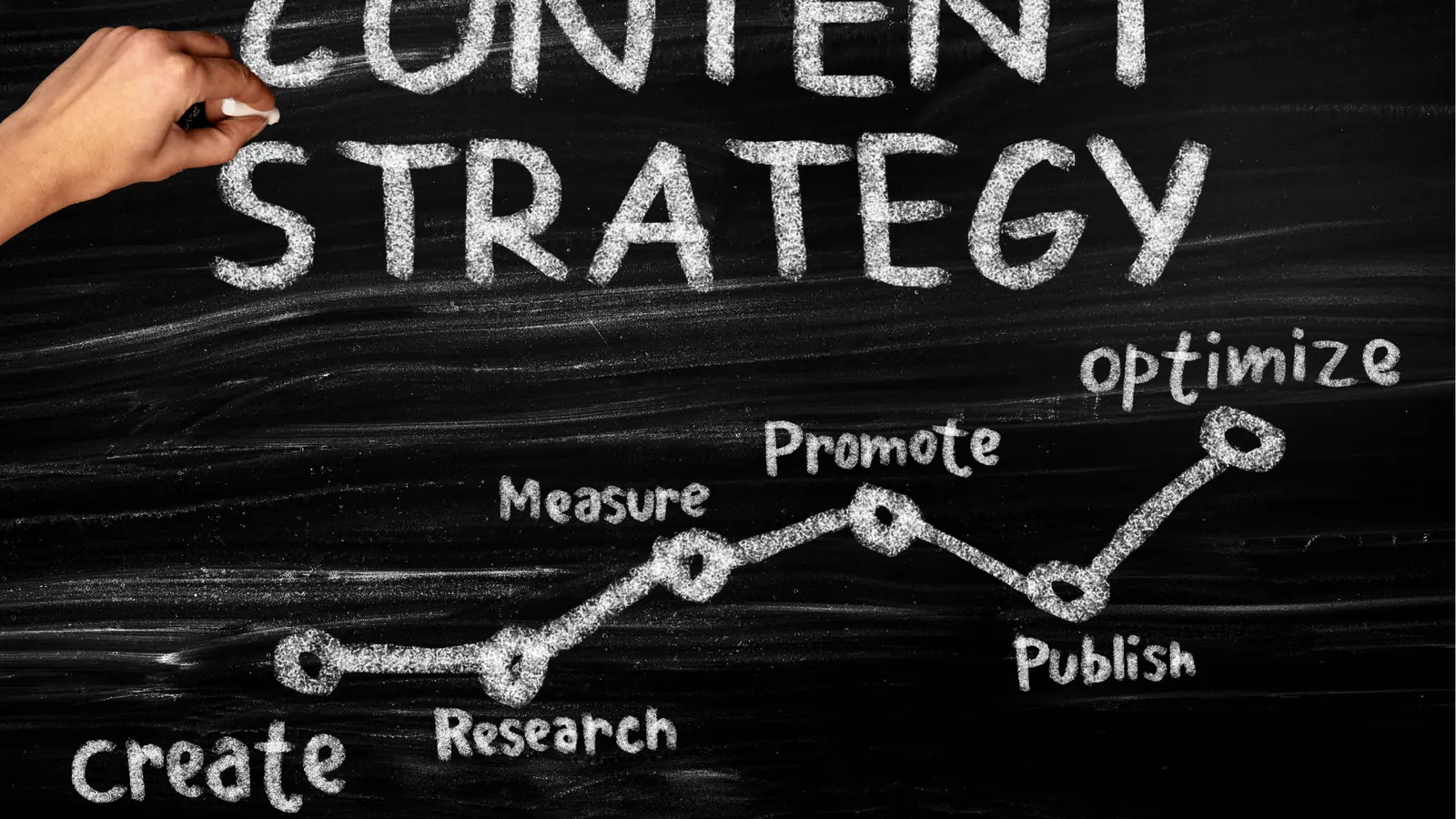
Data only matters if it changes your behavior. If you are reviewing reports but still publishing the same old content, you are just collecting digital vanity metrics. The goal of tracking decay is to see a clear improvement in your AED (Average Engagement Decay) over time, proving that your refreshing process is actually extending the lifespan of your best work.
KPI box: Average Engagement Decay (AED) Formula: (Engagement at T1 - Engagement at T2) / T1 T1: Peak performance week. T2: Current performance week. Target: Maintain an AED of less than 15% across your top 20% of content assets.
When your system is healthy, you will notice that your team spends less time panic-creating new content and more time iterating on what already has a proven track record with your audience.
Here is the checklist your team should use to move from an asset that is "dying" to one that is "refreshed":
- Audit: Compare current AED against the 90-day baseline.
- Creative Review: Discuss the "Why" in a workspace conversation.
- Asset Update: Swap out stagnant media for higher-performing formats.
- Compliance Check: Validate the new version against current brand requirements.
- Re-schedule: Set the refreshed post to go live when your audience is most active.
Successful teams treat their content library like a high-end portfolio. It is not about how many new things you can add; it is about how well you maintain the value of what you have already built. When you stop looking at social as a disposable stream and start treating it as a cumulative asset, you stop being a cog in the content treadmill and start being an operator who actually owns the outcome.
The operating habit that makes the change stick

The real secret to stopping content decay isn't a better spreadsheet or a more aggressive content calendar. It is building a "Performance Pulse" into your team's weekly rhythm. If you aren't looking at your post performance with the same intentionality you apply to your initial creative brief, you aren't managing social media; you are just participating in a high-speed guessing game.
You can stop the rot by treating your content like a living asset that requires maintenance, just like software or hardware. When your team views a post as a "release" rather than a one-time event, the pressure to always produce something new vanishes. The focus shifts to optimizing what you already know works, which is almost always faster and cheaper than starting from scratch.
Operator Rule: The Refresh Cadence Never start a new campaign until you have checked the "Performance Pulse" of your last three similar posts. If the engagement rate is trending downward, your next "new" post should actually be a tactical refresh of the last successful one.
Here is how to bake this into your week without adding another hour to your team's workload:
- Monday Morning Audit: Before any new content is created, pull your top five posts from the last 90 days.
- The 10% Tweak: Identify the two lowest performers in that group and check them against current platform requirements-are the aspect ratios still optimal? Are the captions missing key platform-specific hooks or updated offers?
- Validation Check: Run these updated assets through a pre-publish validation process. You want to catch a broken link or a wrong thumbnail before you waste a single minute of your audience's attention.
Quick Win: Head into your Mydrop Analytics > Posts view right now. Filter for the last 90 days and sort by engagement rate. The bottom two posts on that list are your first "Refresh-Ready" candidates. You do not need to reinvent the wheel; you just need to tighten the lug nuts.
When you formalize this, your team stops feeling like they are on a treadmill. They start feeling like curators. The anxiety of "what do we post next" is replaced by the confidence of "how can we make this proven winner perform even better."
Conclusion

Content decay is the quietest threat an enterprise marketing team faces because it doesn't look like a disaster. It looks like a slow, steady drift toward mediocrity. You do not need more creative talent to reverse the trend; you need more visibility into the work you have already shipped.
Success at scale isn't about the volume of ideas you push into the world. It is about the rigor you apply to the ideas that have already earned their place. Coordination debt is what kills growth, and the only way out is to centralize your operations so that feedback, assets, and analytics live in the same place. When your team spends less time hunting for the right version of a file and more time acting on clear performance data, you stop losing your best work to the algorithm.
Great social strategy is a cycle of refinement, not a constant sprint for the new. Build the habit of looking back, and you will find that your best content isn't behind you-it is just waiting for a second look. Mydrop is designed to keep that cycle visible, ensuring your team spends its energy on high-impact decisions rather than chasing down broken workflows.