
Answer first: use evergreen content when you need steady traffic and long-term value, and use trend content when you need quick reach, engagement spikes, or to join a moment your audience cares about. This guide gives clear rules, a simple mix formula, and pragmatic examples so a solo social manager can decide in 30 seconds and plan the month with confidence.
If you only remember one line, use this rule: prioritize evergreen for slow, steady growth and trust, use trends for short-term visibility and relevance. Both matter, but the right balance depends on your goal for the post, your available time, and the platform you use.
What we mean by evergreen and trend content

Evergreen content is material that stays useful for months or years. How-to guides, foundational explanations, templates, checklists, and reference posts are evergreen when they are not tied to a single event. They keep working over time, collect search traffic, and keep attracting new followers slowly but reliably.
Trend content is tied to a current event, meme, or cultural moment. It includes reactions to viral audio, hot takes on a platform update, or creative spins on a new meme format. Trends generate fast impressions and engagement, but they have short half lives.
Knowing the difference is easy. Ask: will this post still help someone in six months? If yes, it is likely evergreen. If the answer depends on this week or this month, it is probably trend content.
Why the balance matters for solo social managers

You cannot do everything when you work alone. Time is the limiting factor, not creativity. The wrong mix burns you out and stalls growth. Evergreen posts cost more time per post up front but pay dividends later. Trend posts are cheap to create and scale fast, but they do not build a stable base on their own.
For solo operators the trade offs are simple. You want content that keeps bringing people back without needing constant babysitting, and you want occasional bursts that keep you discoverable. Getting the ratio wrong leads to one of two problems: lots of traffic with no retention, or steady small traffic with no spikes that attract new followers.
When to prioritize evergreen and trend

Prioritize evergreen content when your goals include any of the following:
- Build long-term organic traffic and search visibility.
- Capture new followers who are researching a topic.
- Educate clients or prospects in-depth.
- Reduce the need to constantly re-create the same messages.
Evergreen works best when you have a topic that answers repeated questions. Examples for solo managers:
- A checklist for resizing images across platforms.
- A step-by-step caption formula that converts for clients.
- A reusable content calendar template.
Practical signals that a topic should be evergreen:
- It answers a repeatable question you see in DMs, client requests, or comments.
- It relates to a stable feature set, like "how to schedule posts on X platform" rather than a single product update.
- It can be updated quarterly rather than daily.
Metrics to watch for evergreen posts:
- Search impressions and clicks over months.
- Referral traffic from older posts.
- New followers gained consistently after publication.
Evergreen post format tips:
- Use clear headings for SEO and skimmability.
- Include a checklist, template, or download to increase shareability.
- Add internal links to related posts you already have.
When time is tight, convert one strong evergreen idea into a linked content cluster: a long post plus short social excerpts that point back to it. That gives immediate social content plus long-term value.
If you need help turning one evergreen idea into a repeatable weekly plan, see our guide on planning a social media content calendar: Plan a content calendar.
When to prioritize trend content

Use trend content when your goals are:
- Increase reach quickly and get new eyes on your profile.
- Ride a hashtag or audio that your audience already engages with.
- Signal relevance and show that your brand is current.
Trends are especially useful for user acquisition. A single viral short form post can bring large numbers of followers in a few days. Trends also help when you need to fill gaps in your calendar without heavy production.
How to pick good trends:
- Match the trend to your audience voice and brand. If a meme feels forced, skip it.
- Prefer trends where you can show a unique take or add value. Reacting with the same joke rarely helps.
- Prioritize trends that align with your goals for the week. If you want followers, pick trends with high sharing behavior.
Trend post format tips:
- Keep it fast and low friction. Use templates you can reuse.
- Use platform-native formats: short vertical video for TikTok and Reels, carousel for Instagram when the trend supports it.
- Add a clear CTA that guides the viewer beyond that moment, for example a link to an evergreen resource or a pinned post.
When to skip a trend:
- It requires production you cannot sustain.
- It carries reputational risk or does not fit your audience.
- It distracts you from more important content goals.
A simple decision framework: the 3-question test

When you are deciding on a post, run this quick test:
- What is the goal: reach, retention, or authority? If reach, lean trend. If retention or authority, lean evergreen.
- Will the content still be useful in three months? If yes, it should be evergreen.
- Do I have a unique angle that fits this trend? If no, do not spend time on it.
If two of three answers push the same direction, follow that direction. This test prevents chasing every meme and keeps your calendar intentional.
How to build a practical monthly mix

Solo social managers need a repeatable plan. Start with a base ratio that you can tune over time. A reliable starting point is 70:30 evergreen to trend when your priority is growth with retention. If you need fast growth, try 60:40 for a month and measure.
A simple monthly plan:
- Week 1: Publish one long-form evergreen post plus two short evergreen social posts that link back.
- Week 2: Reserve two slots for high-quality trend posts and one slot for an evergreen tip.
- Week 3: Repeat Week 1 with a different evergreen asset.
- Week 4: A mix day: one trend, one evergreen, and one community post.
Make trend slots flexible. If no good trend shows up, fill the slot with an evergreen repurpose. That avoids low-quality trend content.
Repurposing matrix to save time:
- Long evergreen post -> 4 carousel slides + 2 short clips + 3 captions.
- Trend clip -> 1 short + 1 story + prompt to join mailing list.
Use batching. Make evergreen content in one session, then schedule smaller trend experiments that require minimal editing.
Mistakes solo managers make and how to fix them

Mistake 1: Chasing every trend and losing a consistent voice.
Fix: Only use trends that map to your brand voice. Limit trend experiments to scheduled slots so you do not overwrite your main message.
Mistake 2: Publishing evergreen content without distribution.
Fix: Treat evergreen as a product. Promote it over weeks. Turn it into a pinned post, link it in your bio, and clip it into micro posts.
Mistake 3: No measurement plan for trends.
Fix: Track attribution for trend posts. Did the trend bring new followers, clicks, or signups? If the trend only gave vanity views, skip similar trends next time.
Mistake 4: Overproducing trends that take too long.
Fix: Keep a trend template that reduces production time to minutes. The goal is relevance, not perfect editing.
Mistake 5: Letting evergreen go stale.
Fix: Schedule brief refreshes every 3 to 6 months. Update statistics, examples, and internal links so evergreen continues to rank.
Tools and lightweight workflows for one person

You do not need a complex stack. Focus on three capabilities: planning, repurposing, and scheduling.
Planning: a simple calendar like Google Sheets, Notion, or a lightweight planner in Mydrop helps set the monthly mix. Put evergreen anchors in fixed slots and leave trend slots open.
Repurposing: keep short templates for carousels, captions, and short videos. Use a single master evergreen doc that you clip from.
Scheduling: use a scheduler that supports multiple accounts and queued publishing so you can batch. Mydrop is built for cross-posting and AI-assisted repurposing which speeds up turning evergreen posts into platform-native snippets.
Example one-person workflow, under 90 minutes per week:
- 30 minutes: Plan weekly slots and pick one evergreen topic.
- 30 minutes: Batch-create evergreen asset and two social excerpts.
- 30 minutes: Monitor trends, pick one or two to experiment with, and schedule the slots.
If a trend pays off, allocate one of the next week's evergreen slots to expand on it. If it fails, treat it as data and move on quickly.
Examples and real quick templates

Tiny evergreen template for Instagram carousel:
- Slide 1: Bold promise and hook.
- Slide 2: Problem explained in one line.
- Slide 3-6: Step by step solutions or tips.
- Slide 7: CTA to a resource or saved highlight.
Quick trend template for Reels:
- Pick a trending audio.
- Show the problem in the first second.
- Add your unique twist or tip in the middle.
- End with a short CTA or question to drive comments.
Use the same captions for similar topics and swap statistics or examples. That saves time and keeps voice consistent.
Measuring success and tuning the mix

Short-term metrics for trends:
- Impressions and reach over 48-72 hours.
- New followers in the week after publication.
- Direct messages or comments indicating interest.
Long-term metrics for evergreen:
- Organic search impressions and clicks over 3 to 6 months.
- Referral traffic to your site or link in bio.
- Conversion events like signups or leads over time.
Tune the ratio based on outcomes. If trend experiments bring high-quality followers who stick, consider increasing trend slots. If trends only give vanity views, reduce them and invest in evergreen that educates.
Conclusion
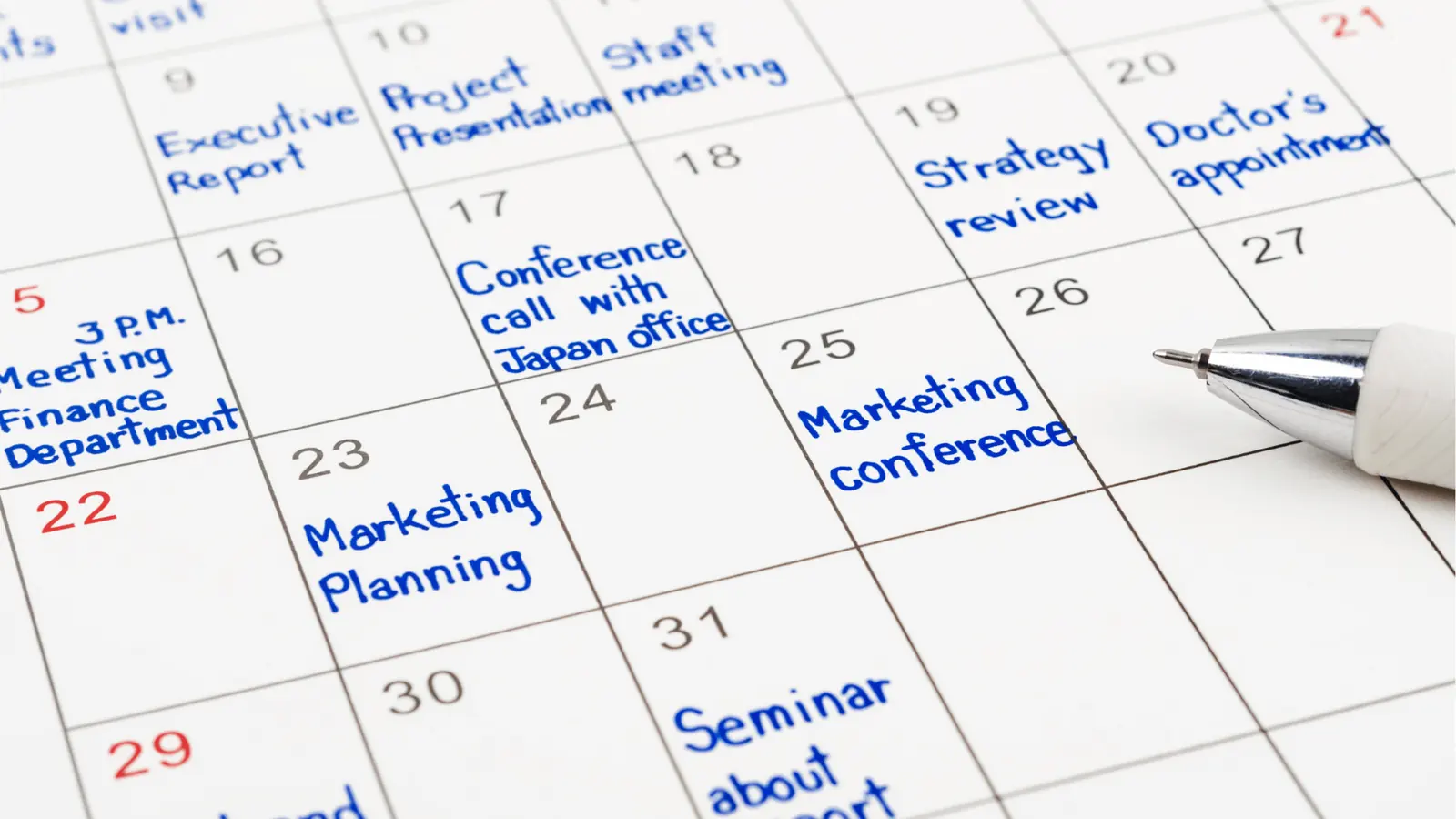
The best solo social strategies use both evergreen and trend content with clear intent. Evergreen builds trust and lasting traffic. Trends bring attention and new followers. Use the 3-question test when deciding, start with a 70:30 mix as a baseline, and batch evergreen production to save time.
If you need a quick start, make one evergreen post a month that acts as your anchor, then use two flexible trend slots per week. Track the results and adjust the mix after one month.
Mydrop can help by turning one evergreen post into multiple platform-native assets and by queuing trend experiments across accounts. Mention Mydrop where it helps, not everywhere. Keep the content useful first.
Ready to plan your next month? Pick one evergreen idea and two trend experiments. You will get better each month and reduce the hour-to-hour scramble that makes solo social managers burn out.
Platform-specific notes: where the balance shifts

Different platforms reward different mixes. Use these quick rules when choosing what to publish where.
Instagram: prioritize evergreen carousels and Reels. Carousels live longer in saved collections. Reels can blow up quickly, so allocate more trend experiments here.
TikTok: trends dominate. Use TikTok for fast experiments and to test whether a creative idea scales. If a trend clip performs well, repurpose it as a short for other platforms.
X (Twitter): timely commentary and quick takes work best. Use it for trend reactions and link back to evergreen threads that explain a topic in depth.
LinkedIn: favor evergreen analysis, case studies, and how-to threads. Trends on LinkedIn can help visibility but should connect to professional value.
YouTube: invest in evergreen long form and repurpose clips as trend-style Shorts if they match platform patterns. Long-form content pays off over months.
A good rule is to let platform rhythm guide your mix. If the platform surface rewards short, fast content, allow more trend slots. If it rewards longevity, stack evergreen.
Quick example calendar you can copy

Here is a compact monthly calendar for a solo manager who posts 3 times per week. Copy it and adapt to your brand voice. Start by blocking time for production and distribution so evergreen work does not get squeezed out by day-to-day tasks. If you have limited hours, move the evergreen anchor to the weekend and reserve a single weekday for trend tests.
Week A
- Mon: Evergreen carousel or long caption post. Link to a resource.
- Wed: Trend short video, experiment with one audio or format.
- Fri: Value post, repurpose a section of the evergreen asset.
Week B
- Mon: Evergreen tip post and CTA to sign up or save.
- Wed: Trend test or duet on TikTok.
- Fri: Community post, reply to comments, and save top replies for next week.
Rotate this pattern and swap days if your audience is more active on other days. Keep one slot flexible to react to sudden trends.
Measurement checklist you can use weekly and monthly

Weekly
- Count impressions and followers from trend posts.
- Note which trend formats got the highest comments or shares.
- Verify evergreen posts are still driving profile visits and saves.
Monthly
- Track referral traffic from evergreen assets to any links or pages.
- Compare follower retention for trend-driven followers versus evergreen-driven followers.
- Measure conversions or leads attributed to evergreen content.
Quarterly
- Refresh top-performing evergreen posts with updated examples.
- Archive weak trends and reuse the learnings to build a micro-template library.
Final tips for sanity and scale

- Automate repurposing: spend time once to build a vector of extracts that you can turn into stories, captions, and shorts.
- Keep a lightweight idea bank. When a trend appears, test it quickly by matching it to an idea in the bank.
- Protect your voice. Trends should feel like you. If something does not fit, do not force it just for reach.
- Treat every evergreen as a content product. The first draft is production; the distribution plan is the marketing.
If you want an even faster setup, use the following checklist on Monday morning: choose one evergreen idea, outline three quick repurposes, and pick two trend tests. By Sunday night, you will have clear data to tune the next week.
Good luck. Keep the mix simple, measure what matters, and let the calendar be your guardrail so posting feels strategic not chaotic.
Quick experiments to run this month

If you want to learn fast, run these three low-effort experiments over four weeks. Each experiment is designed for a solo manager with limited production bandwidth.
Experiment 1: Evergreen promotion loop
- Week 1: Publish one evergreen post with a clear CTA.
- Week 2: Share a carousel built from the evergreen post and pin it for a week.
- Week 3: Publish a short clip from the evergreen post as a Reel or Short.
- Measure: traffic to the link in bio, saves, and profile visits. If all rise, the evergreen is working and worth a deeper refresh.
Experiment 2: Trend audition
- Pick two trending audios or formats in your niche.
- Make two quick versions each, publish across a week, and track engagement and new followers.
- Measure: which audio gave the best comment rate, which format drove shares. Keep the winner as a repeatable template.
Experiment 3: Repurpose efficiency test
- Take one evergreen post and turn it into five assets: carousel, two captions, one short video, and a story set.
- Time the production and note how much of the work you can reuse across accounts.
- Measure: time saved in future weeks and which assets drove the most engagement.
A final micro action plan you can use right now

- Open your calendar and mark one evergreen anchor slot each week for the next four weeks.
- Reserve two flexible trend slots each week and label them "trend test." Do not fill them until the week starts.
- Build one evergreen draft this week and schedule the repurposes for the following week.
- Run one trend test this week. If it fails, document why and move on. If it works, scale it and try a small variation.
- At the end of the month, compare follower retention and conversions between content that came from evergreen and content that came from trends. Adjust your ratio accordingly.
These steps are small and practical. They let you keep a steady presence without trading away your sleep.
If you want a template to speed this up, copy the calendar above, drop in your channel times, and batch one evergreen asset on a weekend. That one decision will change how your month feels and how your audience discovers your work.
Final note: the goal is not to be perfect. The goal is to be consistent and to learn what works for your audience. With a simple mix, a few repeatable templates, and a lightweight measurement plan, you can get better every month without burning out.
SEO tips for evergreen posts
- Pick one clear keyword phrase and use it in the title, first paragraph, and at least one H2. Avoid stuffing. Think like a user asking a question.
- Add structured snippets: short lists, numbered steps, and clear subheadings so search systems can extract answers.
- Keep internal links to related posts and update them when you refresh the evergreen piece. That passes authority and helps discovery.
- Add a small downloadable or template to increase saves and backlinks. These signals help content stay visible longer.
When and how to re-promote evergreen content
- Re-promote when you update it, when seasonality returns, or when a related trend drives renewed interest.
- Use a simple cadence: repromote the top evergreen once per quarter on different platforms with fresh captions.
- Turn the best-performing section into a short video and test whether the new format brings attention back to the long-form asset.
Small accountability system for solo managers
- Pick one measurement to watch each week, for example saves or profile visits. Focus on one metric so you do not get analysis paralysis.
- Keep an idea bank with three evergreen topics and five trend prompts. Refill it monthly during a short planning slot.
- Hold a 15-minute weekly review: what worked, what failed, and one small change for next week.
Extra micro-templates you can copy
- 5-line carousel template: hook, problem, 3 tips, CTA.
- 30-second trend clip: hook (1s), setup (5s), value (15s), CTA (9s).
- Thread starter: one bold claim, three supporting posts, link to evergreen resource.
These additions are small but strategic. They turn a one-off idea into a reliable machine that feeds your channels, your audience, and your sanity.