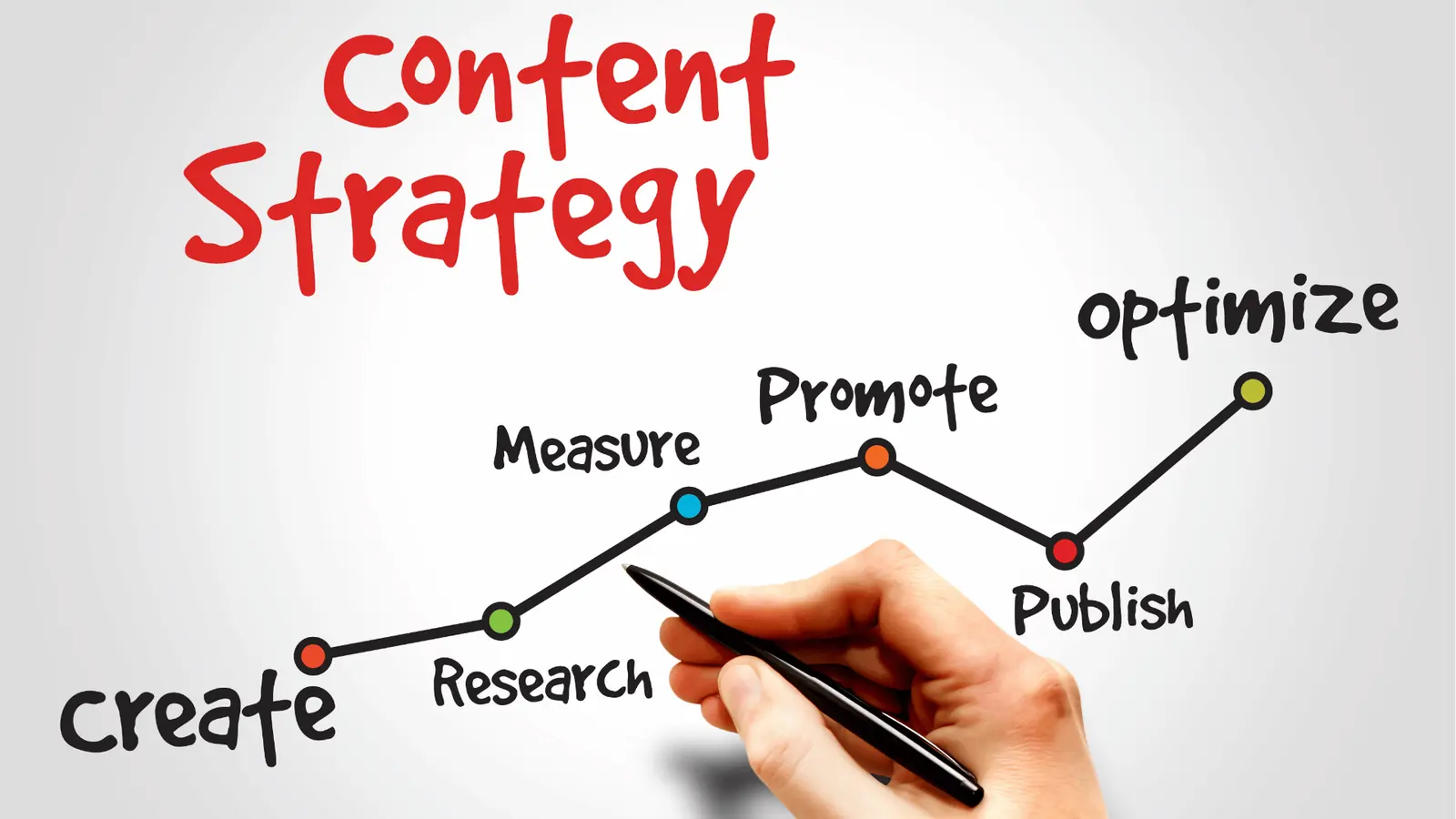

Turning influencer partnerships into consistent revenue requires moving from a project-based mindset to treating influencers as an owned media channel. When you view every collaboration as a one-off creative firework, you pay for fleeting awareness; when you build a repeatable pipeline for those assets, you start paying for predictable conversion.
You know the feeling: the campaign launch hits, the vanity metrics spike, and then the silence sets in. You’ve thrown a massive party for your brand, but everyone left before the sale happened. The relief-and the growth-lies in stop-and-start chaos and moving toward a machine that doesn't rely on luck. You aren't losing to better creators; you are losing to better systems.
TLDR: Influencers bring eyes to the party; systems bring them to the register. To turn awareness into revenue, stop treating creators as external PR costs and start integrating their output into a structured content supply chain.
At its core, the problem is misalignment of effort. Most teams sink 90 percent of their energy into the creative brief-negotiating terms, choosing visuals, and checking brand alignment-while the backend logistics are handled as an afterthought. If you can't repeat the success of an influencer post, it wasn't a strategy; it was a lucky break.
For the marketing leaders stuck in this cycle, the pivot is simple:
- Standardize the Handoff: Remove the "did they use the right link" anxiety by using Mydrop Templates to enforce UTM requirements across all partner posts.
- Centralize the Calendar: Stop coordinating via scattered spreadsheets and instead use a unified Calendar to map influencer posts alongside your internal brand cadence.
- Validate Before Launch: Treat "pre-publish hygiene" as a mandatory gate for every influencer asset, verifying links, profile mapping, and platform-specific formatting before it goes live.
Systematic Scaler
The real problem hiding under the surface

The real issue is that influencer content is often treated as "finished art" rather than "raw material." When an agency or internal team receives an influencer asset, they usually treat it as a static post to be pushed out. That is a mistake. In an enterprise environment, every influencer post should be an entry point into a conversion funnel, but that only happens when you treat the influencer's post as a channel that you can actually manage.
Operator rule: Don't manage influencers; manage the workflow that makes their content work for you. If you are manually checking links or chasing down missing UTMs in a Slack thread while the post is already live, you have already lost the opportunity for consistent attribution.
This is where coordination debt kills your growth. When you manage dozens of brands or regions, the sheer volume of "creative assets" becomes a bottleneck. Your legal reviewers get buried, your social team loses track of platform-specific requirements, and the metrics remain opaque because the tracking wasn't baked into the schedule.
Success isn't about having more ideas; it is about having a repeatable system that turns those ideas into traceable revenue. This requires a shift from "posting content" to "orchestrating channels." If you look at your dashboard and can't see the direct path from an influencer's mention to a specific product purchase, you don't have a sales strategy-you have a PR budget with a social media account attached.
Why the old way breaks once volume rises

Scaling influencer partnerships feels like trying to conduct an orchestra while someone keeps changing the sheet music. When you run one or two campaigns, manual coordination-emails, spreadsheets, individual Slack threads-is manageable. You can personally chase down a missing link or manually check if the UTM parameters are formatted correctly. But once you move from five partners to fifty, that personal oversight vanishes. The reality is that coordination debt silently eats your campaign budget, usually disguised as "creative feedback" or "late revisions."
The breaking point arrives the moment a high-stakes campaign launches with a broken link, the wrong affiliate code, or, worse, on the wrong brand profile entirely. Teams often mistake this for a creative failure. It isn't. It is a logic error in your supply chain. When you treat every influencer post as a bespoke design challenge, you lose the ability to see if the engine is actually running.
Most teams underestimate: The cost of "micro-approvals." Every email asking "Is this the right final file?" or "Which account is this going live on?" drains the energy your team needs for actual strategy.
Here is how the cracks usually show:
- Version chaos: Multiple versions of the same asset circulating in email, leading to an outdated video being posted live.
- Context loss: The person who briefed the influencer isn't the one scheduling the post, and somewhere in the handoff, the campaign goals get lost.
- Governance gaps: Influencers posting without the proper disclosure tags or failing to include the specific, tracked landing page you needed to measure the ROAS.
When you manage by panic, you are always reactive. You are chasing fires instead of optimizing the flow of traffic.
| Feature | Campaign-Based (The Old Way) | Channel-Based (The Scalable Way) |
|---|---|---|
| Logic | Manual, project-by-project | Automated, template-driven |
| Tracking | Often retroactive or manual | Embedded via standardized links |
| Governance | "Trust and hope" | Hard-coded rules and templates |
| Visibility | Siloed in emails/chats | Centralized in a single calendar |
The simpler operating model
Shifting to an influencer-as-a-channel mindset means stop viewing the partnership as a one-off creative firework. Instead, treat it like an owned social media channel where you control the inputs, the timing, and the conversion paths. This requires moving your logistics into a centralized system-the same way you would handle your internal brand content.
The core of this model is standardization at the intake point. You want to treat influencer assets as raw materials that feed directly into your publication stream, not as fragile files that require special handling every time.
- Standardize Intake: Use templates to define what a "ready" asset looks like, ensuring dimensions, quality, and file types are locked before they ever touch your calendar.
- Map Profiles Early: Before a single contract is signed, map the influencer to the specific brand profile in your Profiles workspace, ensuring analytics and link-in-bio paths are pre-configured.
- Schedule for Predictability: Use your Calendar to plot out the entire influencer sequence, ensuring you have clear windows for pre-launch, launch, and follow-up posts.
- Validate Hygiene: Run a pre-publish audit against your checklist: Is the UTM correct? Does the link work? Are the disclosure tags compliant?
Operator rule: If you cannot repeat the success of an influencer post through a standardized workflow, it was not a strategy-it was a lucky break.
This approach gives you the freedom to scale because you aren't manually re-configuring every post. If you are using Mydrop Templates for your recurring formats, you can apply your brand’s safety and publishing standards to a creator’s raw output in seconds, ensuring that every post feels like a natural extension of your brand’s presence rather than a chaotic outside intrusion.
When you remove the friction of the "logistics scramble," your team suddenly has the bandwidth to do what they were hired for: analyzing the data, refining the creative briefs, and finding the next high-performing partner. You stop being a digital traffic controller and start being a revenue architect. The transition isn't about working harder; it is about building a system that makes the outcome inevitable.
Where AI and automation actually help
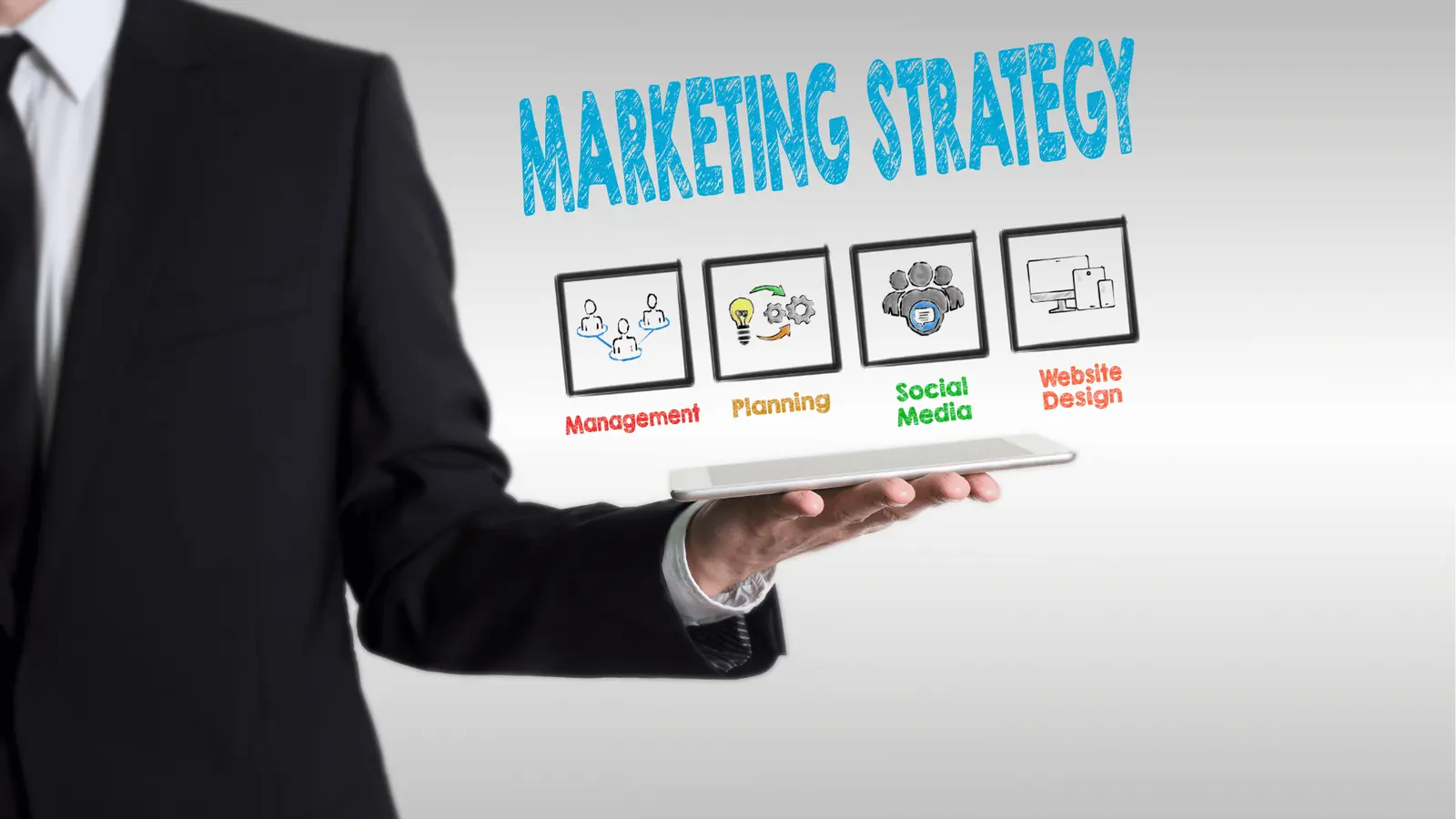
Technology should not be a digital version of the same spreadsheet chaos you are already fighting. The real value of automation in high-volume social operations is removing the coordination debt that kills your conversion window. When you have ten influencers posting across fifteen markets, the bottleneck is rarely the creative itself-it is the silent, manual failure of a broken link, a missing UTM parameter, or a post that goes live on the wrong brand account.
Common mistake: Treating automation as a content generation tool. If you let AI write your influencer captions, you lose the voice that makes the partnership authentic. Use automation to manage the logistics, not the creativity.
Instead, focus your systems on the Pre-Publish Hygiene phase. This is the difference between a high-budget post that simply sits there and one that actually drives revenue.
- Link Verification: Automatically check that every tracking link is active and points to the correct landing page.
- UTM Mapping: Standardize campaign tagging so your analytics dashboard does not show "unknown" as your top-performing source.
- Brand-Profile Lock: Ensure the post is hard-mapped to the correct brand profile in your Mydrop Profiles before it ever enters the scheduling queue.
- Compliance Audit: Run a final check on mandatory disclosure tags and brand-safe keywords.
When you use the Mydrop Calendar to centralize these checks, you stop chasing errors in real-time. You shift from a reactive state where you are scrambling to fix a broken campaign link five minutes after launch to a proactive state where the system flags the issue during the scheduling phase.
Operator rule: If it takes more than three minutes to audit a post for compliance and tracking, your workflow is too heavy. Standardize the setup with Mydrop Templates so that every influencer campaign inherits the same tracking requirements and formatting rules by default.
The metrics that prove the system is working

Most marketing dashboards are designed to keep you feeling good about activity. They prioritize vanity metrics like reach and engagement because those numbers are easy to track and hard to dispute. But if your goal is consistent sales, you have to be willing to look at the numbers that actually hurt.
Stop asking how many people saw the post. Start asking how many people clicked through and took an action that eventually hit your bottom line.
KPI box:
- ROAS (Return on Ad Spend): Your absolute north star. If you are not calculating this per influencer-channel, you are guessing, not managing.
- CPL (Cost Per Lead): Measures the efficiency of the awareness phase.
- Conversion Velocity: How quickly does the traffic from a specific creator move from click to purchase?
- System Error Rate: The percentage of posts that required manual intervention after scheduling.
When you treat influencers as a channel, you begin to see patterns in the noise. You might find that creators in the "Lifestyle" vertical consistently drive higher volume, but creators in the "Technical" vertical drive higher lifetime value. You can only identify these insights if your data pipeline is clean. This is why Mydrop's integration across profiles and analytics is not just a feature; it is an infrastructure requirement. When your content production is tethered to your analytics, the feedback loop closes.
The goal is to get to a place where you can predict the outcome of a partnership before the contract is even signed.
Framework:
Intake -> Asset Validation -> Campaign Scheduling -> Performance Tracking -> Re-investment
The teams that win are not the ones who find the best influencer today. They are the ones who build the most resilient system to make every influencer they work with perform at their peak. It is less about finding a miracle worker and more about building a machine that reliably turns human influence into predictable, repeatable business value.
If you cannot repeat the success of an influencer post, it was not a strategy-it was a lucky break. Stop relying on luck. Manage the workflow that makes their content work for you.
The operating habit that makes the change stick

The biggest shift you can make is moving from a campaign-led calendar to a standardized content supply chain. If your team treats every influencer collaboration as a unique, manual build-out, you are essentially reinventing the wheel with every single invoice.
You stop the fire drills when you replace ad-hoc coordination with a repeatable framework. The goal is to move the heavy lifting away from the point of publishing and into the briefing and production phases. When you have a library of post templates ready to go, the actual process of scheduling becomes a minor administrative task rather than a panicked scramble to hit a deadline.
Operator rule: If a task takes more than five minutes to set up in your dashboard, you do not need more creative talent; you need a better template.
This is the relief you are looking for: predictability. When you use your internal tooling to map out the entire lifecycle, you stop guessing if the UTM parameters are correct or if the media quality is sufficient for the target platform. You eliminate the "did we actually tag that correctly?" anxiety by building the validation steps into your workflow long before the influencer presses send.
Here are three concrete steps to start this habit this week:
- Audit your last three influencer campaigns. Identify the repetitive elements in your captions, link placements, and media formats.
- Standardize your asset intake. Move your influencer design assets through a single gallery workflow that forces format and quality standardization immediately upon upload.
- Formalize your prep-flight checklist. Before any asset hits your calendar, confirm: 1) The brand profile is linked correctly, 2) All tracking links include updated campaign tags, and 3) The post is applied to a pre-approved brand template.
Conclusion

Scaling influencer programs is rarely about finding better creators; it is almost always about repairing the coordination debt that accumulates behind the scenes. When you treat the influencer's output as the raw material for your own sales funnel, the vanity metrics stop mattering. You gain the ability to trace specific revenue back to specific operational choices.
Stop viewing influencers as guests in your house and start treating them as a structural component of your business. The best marketing isn't just about the loudest creative-it's about the machine that keeps the creative working for you long after the post date passes.
Real consistency comes from having a centralized hub like Mydrop where your profiles, scheduling, and asset governance live under one roof. When the infrastructure is invisible and reliable, your team can focus on the partnerships themselves, knowing the technical execution is already handled.