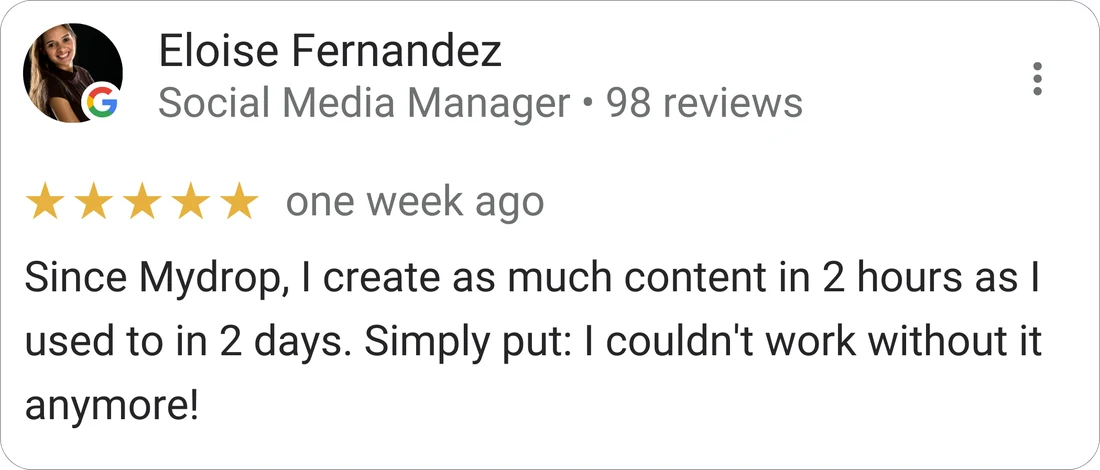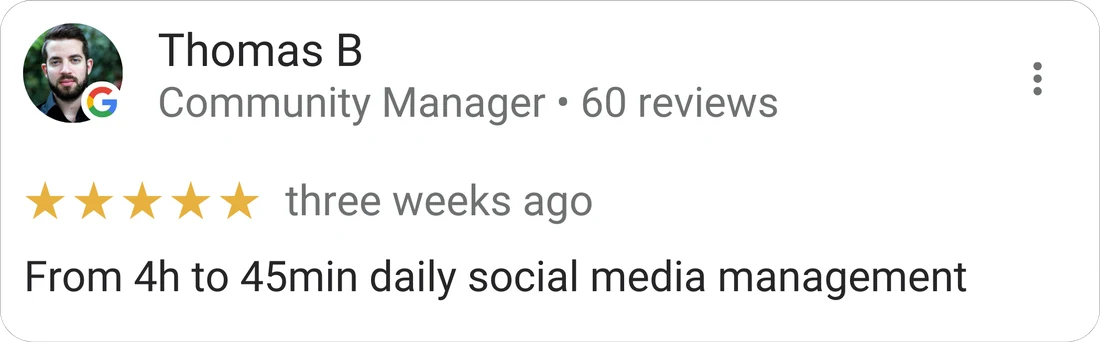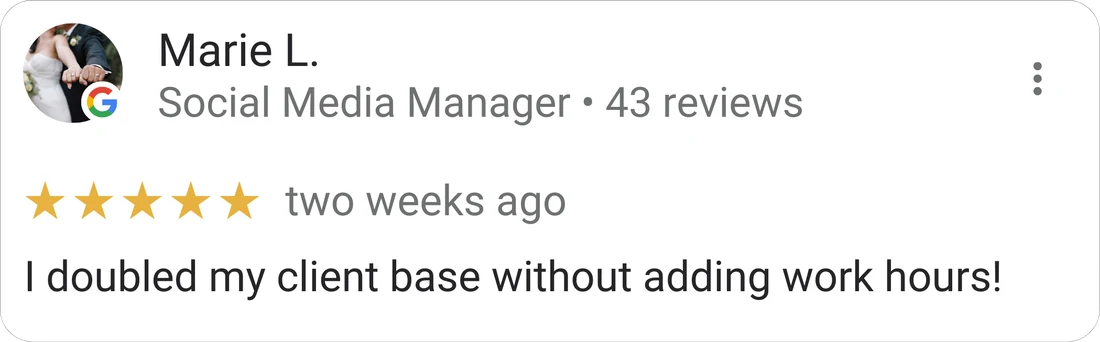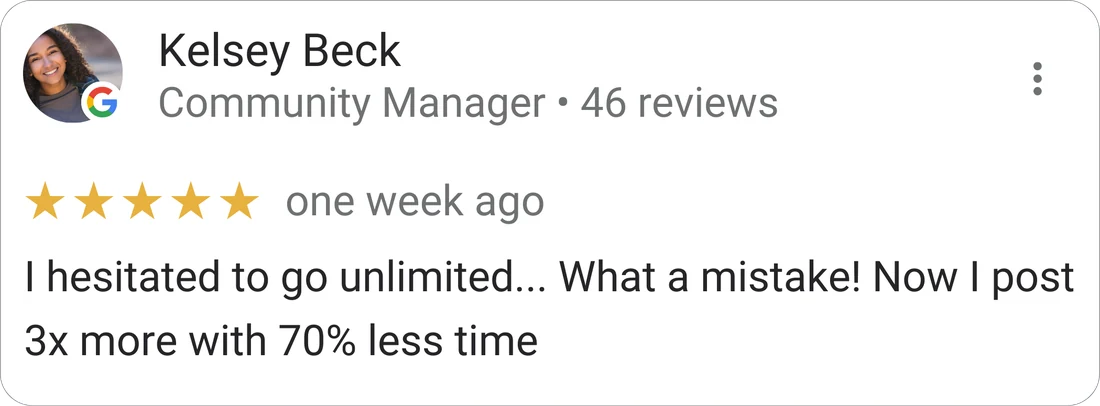
Mydrop flips the single-runway model on its head: instead of starting every campaign inside a design-focused composer and hoping the rest of the workflow survives the handoffs, Mydrop gives teams a control tower for operations. That means planning that begins with context, not a blank canvas; media that travels from Drive or Canva into publishing without extra downloads; and a single calendar that enforces platform rules, approvals, and timezone consistency before anything goes live. For agencies and multi-brand teams those differences stop small daily frictions from accumulating into missed deadlines, rework, and last-minute legal scrambles.
If you are running multiple brands, juggling dozens of profiles, or coordinating local variants across timezones, this article shows the practical tipping points where a Tailwind-style, single-profile workflow still works and where it starts to cost you time and risk. Expect concrete examples: a global agency managing localized campaigns, a creative team exporting from Canva, and a legal reviewer buried in email threads. Read on to see the control-tower tradeoffs versus the single-runway strengths, plus the first decisions you should make before testing a migration.
Why teams start looking for a switch

Tailwind earns praise for a clean UX and for making individual post design and scheduling pleasantly simple. For small teams or a single-brand social calendar, that focused runway is efficient: the composer is fast, templates help designers iterate, and a single account view keeps things tidy. Teams that publish the same format across one or two channels, or creator-led accounts where speed and aesthetics beat governance, often find Tailwind a painless fit. The product does what it set out to do very well.
This is the part people underestimate: growth adds dimensions that a single-runway tool did not have to solve. When a campaign spawns localized variants, when legal must review assets, when creative lives in Drive and Canva, and when one promotion runs across Instagram, TikTok, LinkedIn, and Google Business Profile, friction compounds. A common agency example: a London office schedules a central creative, regional teams translate and adapt captions, legal in New York needs to approve, and the PR team wants a different thumbnail for LinkedIn. That workflow creates dozens of handoffs, many manual steps, and a long tail of small mistakes. Here is where teams usually get stuck and what they should decide first:
- Who owns the canonical asset library and where will it live? (Drive, Canva, or inside your publishing platform)
- Which roles must be explicit in the workflow (creator, editor, approver, scheduler), and who enforces them?
- Which set of profiles need synchronized publishing windows versus independent local posting?
Those three decisions change your tooling needs. If the canonical asset stays scattered in Drive and Canva and approvals happen by email or chat, you will keep trading time on transfers and chasing reviewers. If roles are implicit and unmanaged, people will schedule without required approvals. And if you try to bolt controls onto a composer that was never built for multi-brand governance, you spend more time building processes than shipping campaigns.
Tradeoffs and failure modes explain why a switch happens slowly and then precipitously. A team can keep using a single-runway tool as long as the number of profiles, approval steps, and media sources stays under a threshold. Once you cross that threshold a few predictable failures appear: posts that fail because an account needs a different caption length or thumbnail; regional posts scheduled at the wrong local time; creative versions lost in Slack; and legal comments scattered across email with no clear record tied to the post itself. The visible cost is missed posts and last-minute fixes. The invisible cost is measured in trust: stakeholders start to bypass the process because it is too slow, and coordinators end up doing manual reconciliations that no tool should require.
Stakeholder tensions matter. Creative teams want an environment that preserves design intent. Legal and compliance want a clear trail, attachments, and the ability to attach comments to the exact version being reviewed. Social ops wants bulk editing, reliable pre-publish checks, and predictable failure rates. Any tool you pick forces tradeoffs among those needs. Tailwind favors creative speed and a designer-friendly flow; that is why many teams keep it for single-brand content. But as the number of profiles grows, so does the need for explicit approvals, platform-aware validation, and automated repeatable work. That is when teams start seeking a platform that coordinates people, assets, and platforms instead of relying on human glue.
Finally, implementation detail matters more than feature lists. Enterprise teams switching tools ask practical questions: can the platform import and version assets from Drive and Canva without re-uploads; does the calendar let you create one campaign that outputs a platform-ready post per network; can you set approval gates on a per-post basis and see the approval history tied to the scheduled item; and does the tool offer automation for repeatable promotions so someone does not rebuild the same week-after-week campaign? These are not nice-to-haves; they are the core ways an operations-first platform reduces overhead. A simple rule helps: if more than two teams touch a post before it goes live, you should standardize where assets live, how approvals are requested, and what validation must pass. When those standards are in place, moving from a single-runway composer to a control-tower platform becomes less about replacing a favorite UI and more about giving every team the tools they need to do their job without creating new work for others.
Where the old workflow starts to break
Tailwind-style tools start with a clear strength: a simple, polished composer and a calendar that makes individual post scheduling pleasant. That UX focus is great for small teams or a single brand where one person handles design, captioning, and publishing. But here is where teams usually get stuck: as soon as you add more profiles, more stakeholders, and a steady stream of creative from external teams, that single-runway model shows its limits. Design-first workflows assume the asset and the caption live together in one place and that the person who designs will also upload and schedule. In multi-brand operations that assumption collapses fast.
Concrete failure modes follow predictable patterns. Creative gets versioned in Google Drive and Canva, then manually downloaded, renamed, and re-uploaded to the scheduler. Legal or client reviewers reply in side channels and the designer loses the context for changes. Timezone math for localized posts gets done in spreadsheets. Platform-specific requirements cause last-minute rework: a vertical video uploaded as a square, a caption that exceeds a network's limit, or a missing thumbnail that breaks a scheduled publish. For an agency handling 12 brand profiles across markets this compounds: a single missed requirement can cascade into rework, reschedules, and emergency messages to the client at odd hours.
People and roles amplify the friction. The social ops lead needs an audit trail and consistent approvals, the creative director wants final assets in the same workflow, legal wants a simple way to annotate and attach redlines, and the account manager wants a predictable calendar for client sign-off. With a design-first tool, those responsibilities end up scattered: spreadsheets, Drive folders, Slack threads, and a calendar export. A simple rule helps: when three different tools are involved in a single post, expect at least one broken handoff per campaign. That is the part people underestimate. It is not that design-first tools are bad; they were never built as a control tower. They still fit teams focused primarily on content creation with low stakeholder overlap, but they struggle as the operation scales.
How Mydrop solves the daily bottlenecks

Mydrop treats the problem as coordination, not just composition. Start with the Home AI assistant: rather than forcing ideation from a blank prompt, teams begin with context. A social ops lead can open Home, feed in a short analytics snapshot from the Analytics view, and get a campaign brief that already knows the workspace rules, tone, and brand profiles. That output becomes a saved prompt or draft that the creative and account teams can iterate on. This reduces the back-and-forth that usually eats two or three working days for a single cross-market campaign. It also gives the team a shared starting point so revisions stay attached to the original brief, not scattered in chat.
Next, the Calendar composer and pre-publish validation cut out the manual checklist. Instead of composing separate posts for each network and hoping the thumbnails, captions, and first-comments survive copying, Mydrop composes platform-ready posts from one source, preserving per-network nuances. Before scheduling, Mydrop runs validation checks: are captions long enough or too long, is the media format acceptable, does the selected profile accept that post type, are dates and timezone settings consistent? That catches common failures early. For the agency running localized posts across 12 brand profiles and four timezones, this single validation pass prevents the usual late-night scrambles and reduces publishing failures that would otherwise require emergency re-sends.
Media handoffs and approvals are another place Mydrop stops the leaks. Connect Google Drive and pull approved creative directly into the Gallery, with filenames and folder structure preserved. Export from Canva straight into the same gallery with chosen output formats so designers do not have to guess which orientation or quality a social network needs. Once assets are in the Gallery, apply a Template or create a scheduled post in Calendar and send it to approvers from the same workflow. Approvals live with the post, not in email, so legal can annotate, attach a revised PDF, or reject with comments that remain attached to the posting. Conversations keep the context near the post preview so the designer sees why a caption changed. For recurring work, convert a tested post into a Template and wire it to an Automation for repeat execution-no copy/paste, no spreadsheets.
A practical checklist helps teams map choices and roles before switching a brand or campaign:
- Who signs off on creative and captions? Map primary and back-up approvers.
- Which media sources matter? Confirm Drive and Canva connections first.
- Which profiles require special post types or thumbnails? List platform exceptions.
- What is the acceptable failure rate? Target a metric like <2% scheduled failures per campaign.
- Which recurring campaigns should become Templates or Automations? Start with top three.
There are tradeoffs and governance to plan for. Centralizing workflows reduces chaos but can feel like control to creatives used to direct publishing. A phased pilot mitigates that: start with one brand or one campaign type, import assets from Drive/Canva, use Templates for recurring posts, and enforce approvals on a subset of profiles. Also expect some migration work: mapping legacy scheduled posts, re-creating a handful of recurring templates, and teaching approvers to use the inline review tools. The payback is measurable. Teams can track time saved per campaign, a drop in failed posts, and fewer emergency client calls. For an agency handling dozens of weekly posts, shaving off one hour of rework per campaign adds up quickly.
Finally, automation and analytics close the loop so the operation does not slip back into ad hoc work. Automations handle repeatable tasks with visible status and permissions, so a recurring product promotion becomes a controlled workflow rather than a calendar event someone forgets to duplicate. Analytics and Post performance views make it easy for the social ops lead to convert evidence into a brief in Home AI, which then becomes the input for another templated campaign. That cyclical coupling between planning, media import, approval, scheduling, and measurement is the control tower metaphor in practice: many runways, one coordinated plan. For teams with multiple brands and stakeholders, that coordination is the single most practical reason to consider a migration.
What to compare before you migrate
When a team considers moving from a Tailwind-style, design-first tool to an operations platform like Mydrop, the evaluation has to be practical, not ideological. Start with scope: count the number of profiles, brands, and markets the tool needs to handle without manual workarounds. Tailwind excels when one person designs, schedules, and posts for a single brand. But once you have dozens of profiles, multiple timezones, and separate approval owners, the questions change from "can I lay out a grid" to "can a calendar, approval flow, and media pipeline actually reduce handoffs?" Look for explicit multi-profile scheduling, workspace and timezone controls, and whether the system preserves per-profile post variations without duplication.
Next, test the connectors and the failure modes. Ask for a demo that walks through a Canva export and a Google Drive import into a real post, then simulate a missing thumbnail, an unsupported video codec, and an approval rejection with comments. Practical migration decisions boil down to measurable reductions in friction: how many minutes are saved per scheduled campaign, how often publishes fail because of a format mismatch, and how long approvals sit unresponded. Here are quick metrics and checks to run during evaluation:
- Profiles and brands: max profiles supported, and how profiles are grouped into brands or workspaces.
- Pre-publish validation: whether the tool blocks scheduling with missing fields and reports exact fixes.
- Media imports: live demo of Canva export and Drive picker moving usable assets into the gallery.
- Approvals and audit trail: whether approver comments, versions, and attachments stay attached to the post.
- Automation and templates: ability to clone a campaign across profiles and run it on schedule.
Finally, factor in people and permissions. Enterprise migrations fail more often from governance mismatches than technical gaps. Confirm role-based access controls, admin audit logs, and whether teams can keep client reviewers in the loop without giving them full publish rights. Request a short pilot focused on one high-traffic campaign: time the end-to-end workflow from brief to published post with both systems and compare. If you see a meaningful drop in manual handoffs, approval time, or failed publishes, that is a signal the Control Tower model fits your operations.
How to move without disrupting the team

This is the part people underestimate: the tool is half the change, the other half is how the team organizes the work. Start with a pilot, not a big-bang. Pick one brand or market where the pain is highest - maybe the one that suffers the most delayed approvals or repeated format failures. Run that brand in parallel for a month: keep publishing on the incumbent for safety, but route all planning, templates, and media through the new platform. That way you measure real time savings and surface connector edge cases without jeopardizing live campaigns. A simple rule helps: every pilot post must follow the full path - Home brief, media import, template application, approval, and scheduled publish through the platform - so you test every integration point.
Next, lock down the governance map before moving large volumes. Map who drafts, who reviews, and who publishes, and configure matching roles in the new workspace. Set up the approval workflow so the legal reviewer sees only what they need and gets notified in a single, trackable thread. Train approvers on the difference between commenting in chat and using the approval interface; the latter keeps comments attached to the exact post and version. Expect three common failure modes and plan mitigations: broken connectors (verify OAuth and service scopes early), permission mismatches (test role permutations with a dummy post), and timezone drift (run a week of scheduled posts across the local market times to confirm calendar alignment).
Finally, scale by automating the repeatable parts. Convert recurring promotions into templates, then use Automations to schedule or clone them across brands. Use Home AI as the ramp for planners: show how an analytics insight becomes a campaign brief and then a templated post. Keep change management light but disciplined: short recorded demos, a one-page playbook with do-this-first steps, and a small cross-functional council that meets weekly during the pilot. A recommended rollout sequence:
- Pilot one brand for 4 weeks, import assets from Drive/Canva, and use templates for recurring posts.
- Formalize approval roles and test edge cases (video formats, thumbnails, event posts).
- Expand to 3-5 brands, enable Automations for repeatable campaigns, migrate archived assets into the gallery. This phased approach preserves live operations, gives stakeholders confidence, and surfaces the real operational wins - fewer failed publishes, faster approvals, and less copy-and-paste work for creative teams.
Tradeoffs and tensions will appear, and that is normal. Creatives may worry templates will dull craft; reassure them that templates are optional starting points and that Mydrop keeps design fidelity by supporting Canva exports and flexible media options. Legal teams may resist new approval UIs; include them early and feed back any visibility gaps. Technical teams often flag API limits or historical post sync issues - test historical sync on a small set first to estimate timeline. When you address these tensions up front with a short pilot and clear rollback conditions, the migration becomes a managed program rather than a source of operational risk.
In the end, the goal is not to rip and replace designers or a favorite composer. It is to stop losing work between systems. Move the planning and governance where it belongs - into a single calendar and workflow that keeps media, approvals, and platform rules connected. For agencies and multi-brand teams, that shift is the difference between firefighting every campaign and running a repeatable operation where campaigns launch on time, with the right assets, and with approvals that live with the post.
When Mydrop is the better fit

If your team runs more than one brand, more than a handful of profiles, or has dedicated roles for creative, approvals, and publishing, Mydrop becomes the practical choice. Tailwind-style tools earn their stripes when a single operator designs, captions, and schedules posts for one brand. But the moment you add localized variants, approvals across legal or clients, and video or business-profile posts, the simple composer model requires too many manual handoffs. Mydrop is built around that complexity: a single calendar that enforces platform rules, a composer that produces platform-ready variants from one idea, Google Drive and Canva import so creatives arrive in the right formats, and approval states that stay attached to the post instead of disappearing into chat or email. For teams that measure throughput and compliance, that operational scaffolding is not optional; it is the difference between doing social work and running social operations.
Operational wins are concrete and predictable when the setup matches the scale. A global agency scheduling localized posts across 12 brand profiles needs timezone-aware scheduling, workspace controls, and profile grouping so nobody accidentally posts an English creative to a French market at 2 a.m. Mydrop’s Calendar and workspace timezone controls resolve that at the scheduling layer. The same goes for creative pipelines: designers export from Canva or drop final assets in Drive and those files feed directly into the Mydrop gallery. No more download, compress, rename, upload cycles. Approval bottlenecks show up less often because approvers get context-rich previews, attached assets, and comment threads inside the post workflow. Practically, that means fewer last-minute rescinds, fewer platform-specific reworks, and a cleaner audit trail for compliance. This is the part people underestimate: every minute spent chasing assets or reconciling versions multiplies across campaigns. Centralizing those pieces speeds approvals and reduces rework in ways a design-first tool cannot, because it was not built to hold the rest of the workflow.
That said, Mydrop is not a plug-and-play replacement for every use case. There is an administration and governance cost to centralizing operations: workspace roles, brand folders, connection maintenance, and automation rules need owners. If your team is one person creating everything, the learning curve and set-up time may outweigh the benefits. There are also realistic limits that come from platform APIs and third-party services; you still need fallback plans for edge-case formats or restricted accounts. But these are implementation challenges, not product defects. A simple rule helps: pilot the control tower on the most painful workflow first. Use Templates and Automations for recurring promotions, connect Drive and Canva for one creative stream, and attach approval gates where compliance risk is highest. Once those flows prove out, expand the workspace, invite the legal reviewers, and let Home AI turn recurring analytics findings into briefs that feed the calendar. The tradeoff is intentional: you accept a little upfront configuration in exchange for predictable, auditable, and faster publishing across brands.
Conclusion

Mydrop replaces the single-runway, design-first mindset with a control tower for teams that need scale, governance, and repeatability. Where Tailwind-style tools excel at making individual posts feel delightful, Mydrop focuses on the handoffs that break at scale: media pipelines, timezone complexity, approval loops, and platform-specific failures. For agencies and enterprise social ops teams the question is not whether the composer is pretty, but whether the tool stops the legal reviewer from getting buried and makes it trivial to publish the same campaign in eight markets without frantic last-minute edits.
If your team is ready to test a migration, start small and instrument everything. A minimal, low-friction pilot proves the value fast and keeps the rest of the org comfortable. Three practical next steps to try right away:
- Pilot one brand: connect its profiles, import a week of Drive or Canva assets, and schedule five multi-platform posts from the Calendar composer.
- Lock down approvals: add a legal or client approver to that pilot workspace and send three posts through the Post approval workflow so you can time the cycle and capture reviewer comments.
- Automate a repeatable campaign: save one post as a Template, create an Automation to run it weekly, and measure time saved and failed publishes avoided.
If the pilot reduces handoffs, speeds approvals, and stops publishing surprises, you have the data to expand. Mydrop is the practical next step when publishing needs to be fast, auditable, and repeatable across brands and teams.