

Your most valuable social content isn't the post you are drafting today; it is the high-performing asset buried in a shared folder from six months ago that your team has already forgotten. You are currently trapped in a high-speed "one-and-done" treadmill where brilliant creative vanishes into the feed within hours. The constant, crushing pressure to produce fresh content is killing your team's velocity and burning your budget, all while your best work gathers digital dust. True content scalability isn't about producing more; it is about architecting a system where your best creative is always discoverable, validated, and ready for repurposing across every brand identity you manage.
TLDR: Content repurposing isn't a manual chore; it is an audit of your past success. You don't need more ideas-you need a better system to retrieve the ones that already work.
The emotional drain of this cycle is real. Every week, your creative team ships work they are proud of, only to see it buried by the next wave of "urgent" requests. You aren't just losing reach; you are losing institutional memory. When your internal friction makes it harder to reuse a winning concept than it is to start from scratch, you have stopped being a media team and started being a content factory. You need a centralized engine that turns past wins into predictable, recurring performance.
This isn't about laziness; it is about governance. If your best work is hidden in a folder, it doesn't exist.
The real problem hiding under the surface
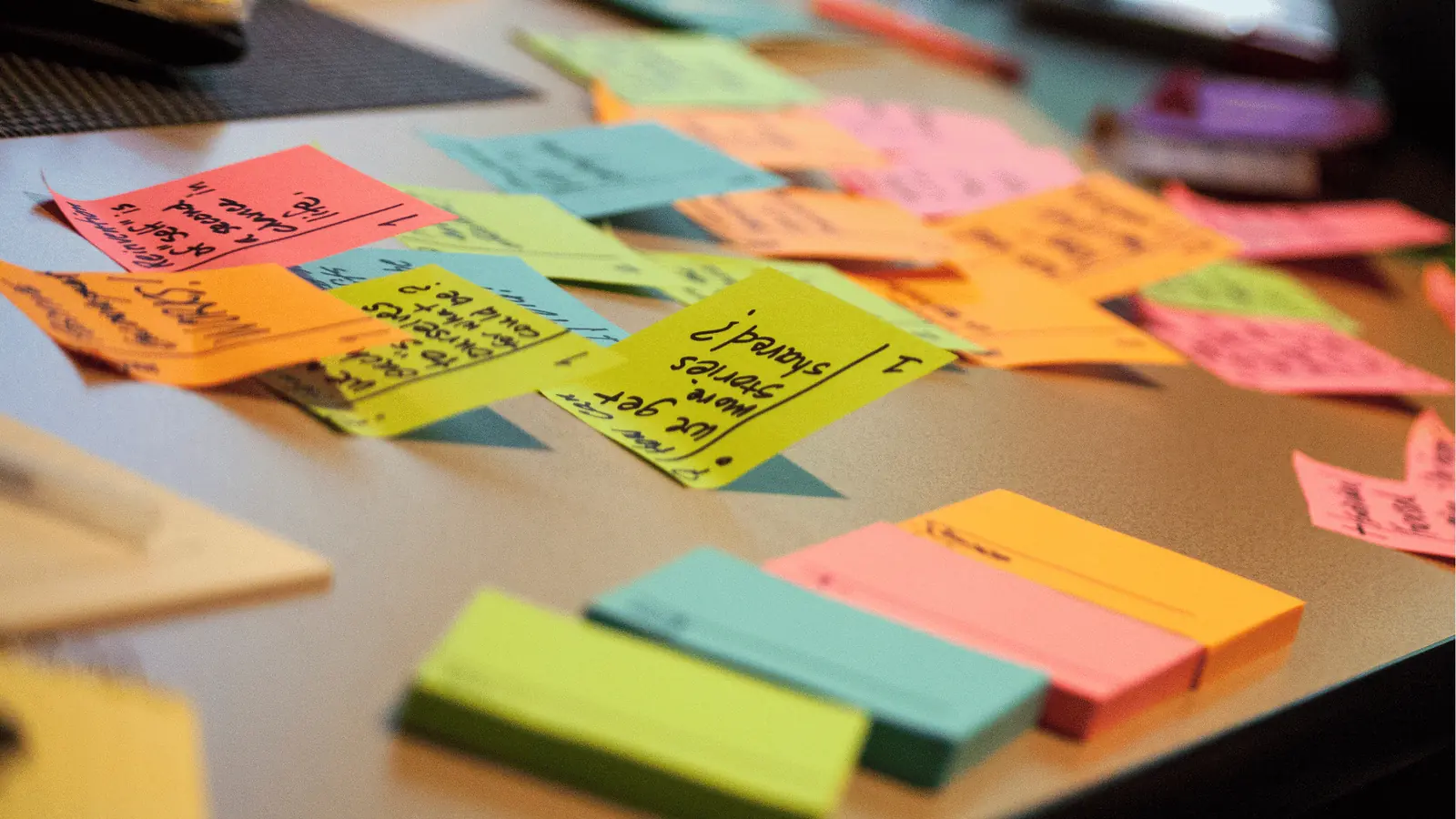
The awkward truth is that most enterprise teams aren't actually running out of ideas; they are running out of access. You have the data, the assets, and the history, but your internal organization is the primary barrier to consistency. You are not fighting the algorithm; you are fighting your own "file-tossing" culture.
The real issue: Stop blaming the algorithm for low reach when your internal workflow is the primary barrier to consistency. When creative exists in an unindexed void, your brand identity becomes fragmented and reactive.
When you treat media as a throwaway consumable, you incur a hidden "coordination debt" that compounds every time you launch a new campaign. Your team spends more time hunting for the "final-final-v2" file in a messy Drive directory than actually crafting the message. By the time they find it, the moment for relevance has passed.
A sustainable system rests on three immediate shifts in how you handle media:
- Stop file-dumping: Move away from folder structures that lack context, meta-data, and connection to your live brand profiles.
- Centralize discovery: Every piece of creative needs to be linked to a specific brand identity or campaign note so it can be audited and reused later.
- Validate early: Never move media from cloud storage to a social platform without first checking it against a brand-specific calendar to ensure it meets your current quality and format standards.
This transition from "file-tossing" to a "Content Reservoir" mindset turns your media into a living asset. You stop asking "What should we post today?" and start asking "Which of our proven assets is ready for a refresh across these three markets?"
Operator rule: Never move media from a storage drive to a platform without first checking it against a brand-specific profile calendar. This single step prevents the most common publishing errors and keeps your creative aligned with your current brand strategy.
When your creative is system-ready-meaning it has already been validated, tagged, and assigned to a profile-you stop the last-minute panic. The goal is to reach a point where repurposing feels like an effortless extension of your workflow, not a frantic search and rescue mission. The friction in your current process is the only thing keeping you from true scale.
Why the old way breaks once volume rises

Scaling social content without a central system is like trying to keep a dozen plates spinning on broomsticks while running a marathon. You start with one brand, one calendar, and a shared folder that feels organized enough. But as soon as you add a second brand, a seasonal campaign, or a new regional market, that fragile equilibrium shatters. You aren't just managing posts; you are managing a deluge of fragmented files, overlapping approval chains, and version control nightmares that would make an IT director sweat.
Most teams underestimate: The cost of "search tax"-the time your expensive creative and social leads spend hunting for a specific version of a file in Google Drive, only to find the one without the final logo update.
When volume hits a certain threshold, the "file-tossing" culture stops being a minor annoyance and becomes a business risk. You end up with assets trapped in siloed Google Drive folders, disconnected from the actual social profiles they were created for. Without a shared, visible context, your team defaults to the path of least resistance: creating something new. This is how you end up with three different designers working on "unique" assets for the same campaign, burning hours that should be spent on high-level strategy.
| The Old Way (Chaotic) | The Reservoir System (Scalable) |
|---|---|
| Search: Manual hunting in Drive | Discovery: Metadata-tagged asset library |
| Validation: Last-minute "does this fit?" panic | Governance: Pre-publish automated checks |
| Context: Lost in email or Slack threads | Planning: Centralized calendar notes |
| Reuse: Guesswork and duplication | Leverage: Proven assets identified by performance |
The most dangerous part of this cycle isn't just the wasted effort. It is the loss of institutional memory. When a high-performing post goes live and is never touched again, the data regarding why it worked dies with the post. You lose the ability to iterate on success because your team is already sprinting toward the next deadline.
The simpler operating model

True scalability requires shifting from a "publish and forget" mindset to a "reservoir" approach. You want to stop viewing media as a disposable commodity and start treating it as a reusable, validated asset. This isn't about buying more tools; it is about building a clearer path from your source files to your feed.
The most effective teams I see use a simple, repeatable flow to keep their creative engine running without the constant friction.
- Extract: Import your approved creative directly from Google Drive into a centralized gallery, bypassing the need for local downloads and messy re-uploads.
- Contextualize: Use calendar notes to attach themes, internal review context, or campaign goals directly to the schedule, so the team understands the why behind every asset.
- Validate: Run every post through a pre-publish check to ensure format, size, and branding alignment before it hits the live queue-this stops the "oops, wrong file" errors that plague large teams.
- Deploy: Map the asset to the correct brand profile within Mydrop, ensuring consistency across all your identities.
Operator rule: Never move media from your storage source to a social platform without first checking it against a brand-specific profile calendar. If it doesn't have a place, it shouldn't go live.
This workflow turns your social operation into a predictable assembly line rather than a series of disconnected emergency responses. When your assets are already validated and mapped to brand profiles, repurposing them becomes a simple matter of selecting a "winner" from your history and adapting it for a new platform. You gain back hours of planning time, reduce the pressure on your design team, and start treating your content library as a genuine business asset.
Ultimately, if your best work is hidden in a folder, it doesn't exist. Your goal is to move from a culture of constant production to a culture of informed distribution.
Automation is often pitched as a magic wand that deletes human effort, but in a mature content operation, AI serves a different purpose: it acts as the guardrail that keeps your team from tripping over their own success. You do not need an algorithm to write your posts; you need a system that prevents you from sending a generic template to a specialized brand profile or pushing a creative asset that has already been overexposed.
This is where the friction of manual validation-the "did we check this?" phase-is best offloaded to software.
Operator rule: Automation should never replace the creative spark, but it must always replace the manual checklist.
When you integrate pre-publish validation into your workflow, you stop treating quality control as a final, rushed act of desperation. Instead, it becomes a background process. Mydrop does the heavy lifting here: before a post is scheduled, it flags mismatches between your intended brand profile and the content constraints. If you try to push a landscape video to a channel that demands vertical, or if you forget to attach a required campaign tag, the system halts the process. You are not just saving time; you are systematically eliminating the risk of human error in high-volume environments.
Consider the cost of a "hidden" mistake in an enterprise setup: a post goes live with the wrong offer, the wrong brand voice, or broken links. Fixing that takes three people, two hours, and a bruised reputation. Using a system to catch those issues before they hit the feed is the difference between an orderly operation and a firefighting drill.
The metrics that prove the system is working

Data in social media often drifts into vanity metrics-likes, reach, or follower counts. While those are fine for vanity reporting, they tell you nothing about your operational health. To know if you are actually reusing your best content effectively, you need to track your internal velocity.
If your team is constantly starting from scratch, your performance will always be erratic. When you shift to a "Content Reservoir" mindset, you should start seeing shifts in these operational KPIs.
KPI box: Repurpose Velocity
- Asset Utilization: Percentage of published content derived from the central media gallery.
- Validation Pass Rate: Number of posts passing pre-publish checks on the first attempt.
- Creative Lifecycle: Average time elapsed between original asset creation and subsequent reuse.
- Campaign Drift: Percentage of posts that bypass established category or brand governance.
If your Asset Utilization is low, it means your "reservoir" is just a graveyard. You have the assets, but your team cannot find them, or they lack the confidence to use them because the metadata is missing. If your Validation Pass Rate is low, your team is fighting the system instead of using it to scale.
How to audit your output
You can start measuring your effectiveness tomorrow with a simple audit of your calendar.
- Calculate how many posts this month used assets that were created more than 30 days ago.
- Count how many posts required a manual "emergency" edit after a stakeholder flagged a compliance or brand voice issue.
- Review your "top 10" performing assets from the last quarter and check if they have been repurposed at least three times across different brand profiles.
- Verify if your archived media in Google Drive has been tagged with relevant brand themes so it can be surfaced in your next planning cycle.
Common mistake: Teams often mistake "more volume" for "more scale." Producing 50 mediocre posts is a net negative for your brand identity. True scale is the ability to take three proven, high-performing concepts and effectively amplify them across every channel you manage without losing the core message.
Do not be fooled by the pressure to keep the feed moving at all costs. The goal is not just to feed the algorithm; it is to build an asset library that grows more valuable every month. If you are not looking back at your past work as your primary source for future ideas, you are burning your most reliable engine for growth. The system should make reuse easier than creation. If it does not, you are still doing it the hard way.
The operating habit that makes the change stick

The biggest barrier to scaling creative reuse is not a lack of organization, but the lack of a shared pulse. If you only think about your content reservoir when you are desperate for a post, you are already too late. You need to formalize the audit process into your weekly rhythm so it stops being an emergency task and starts being a routine.
Teams that thrive treat their content library like a garden, not a warehouse. They constantly prune, rotate, and highlight what is actually working. The goal is to move from reactive "firefighting" to proactive curation.
Framework: The 3-Step Reuse Logic
- Extract: Open the Google Drive picker within your gallery to pull high-performing assets into your workspace.
- Validate: Run the Mydrop pre-publish check against your target profile requirements to ensure the format, size, and branding remain consistent.
- Distribute: Map the content to a specific Brand Profile, add the relevant campaign notes in the calendar, and schedule the release.
If you are waiting until the night before a campaign to search through folders, you have already lost the efficiency battle. A simple habit shift will transform your output velocity.
Quick win: Use Calendar Reminders to set a 30-minute recurring block every second Tuesday of the month for an "Asset Audit." Look back at the previous 90 days, identify the posts with the highest engagement, and move those assets into your primary Mydrop gallery for immediate repurposing.
Here is how to get your team moving this week:
- Tag your top performers. Review last month's analytics and tag your three best-performing posts as "System-Ready" in your repository.
- Clear the graveyard. Identify one shared folder that has not been touched in three months and move the viable assets into your centralized workflow.
- Map the context. Add a calendar note to a future campaign that specifically links to one of those "System-Ready" assets, ensuring your team knows exactly why that piece is worth a second life.
Conclusion

Scaling social media without a central nervous system is like trying to scale a business without a ledger. You might survive for a while, but eventually, the sheer weight of your own output will break your process. The goal is to reach a state where you are not just publishing content, but actively managing a living, breathing portfolio of creative assets that earn their keep.
When you stop treating every post as a one-off burden and start managing your media as a collection of reusable, validated assets, your team stops burning out and starts winning on consistency. You gain the freedom to focus on strategy and growth instead of chasing down files in endless sub-directories.
Ultimately, social media scale does not fail from a lack of creativity; it fails from coordination debt. You do not need more ideas, you need a system that ensures your best ideas are actually used.