
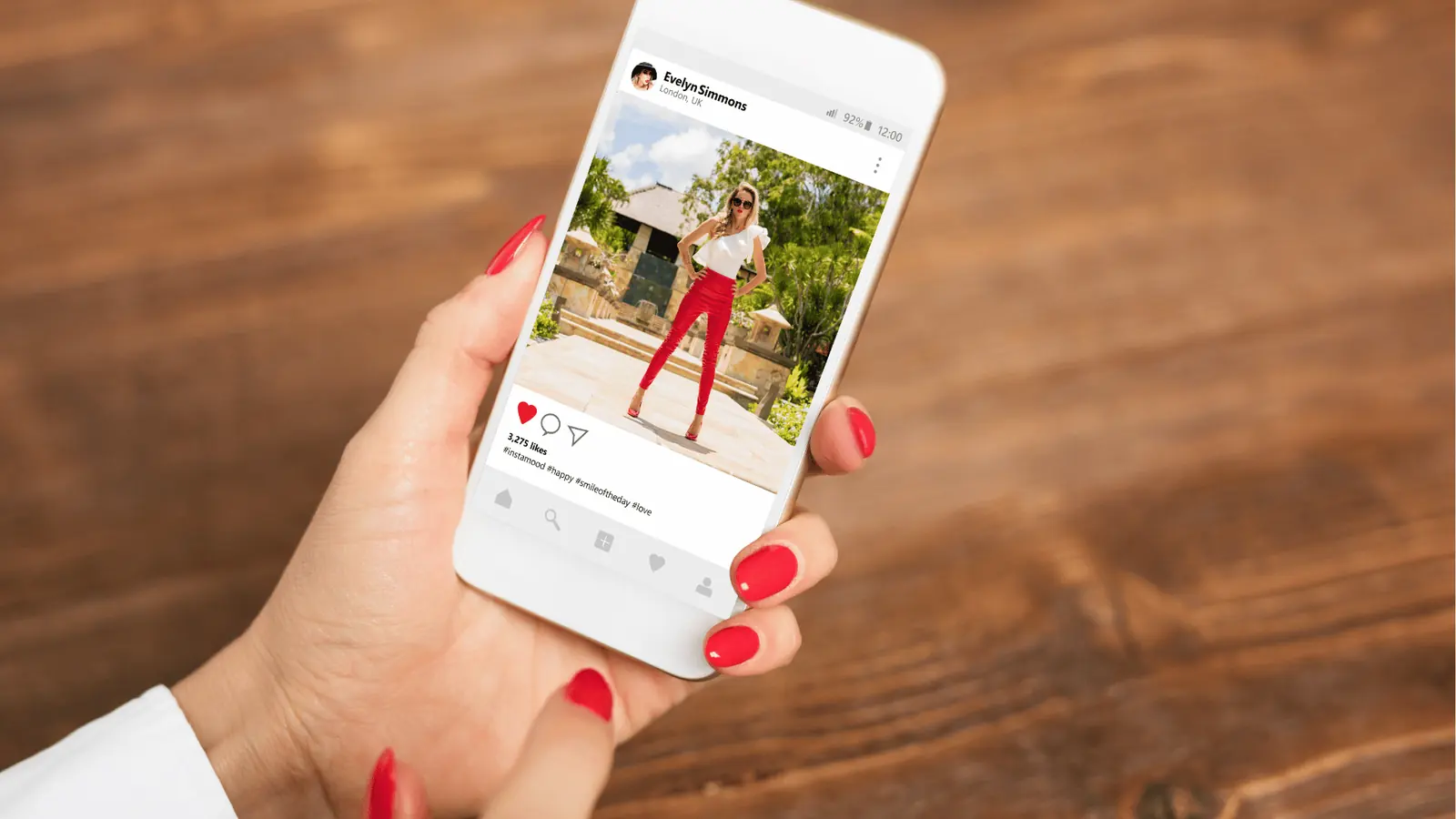
Stop wasting your high-intent social traffic on a single, fleeting post link or a generic homepage that has no idea where your visitors came from. To convert followers into leads, you need a centralized, branded landing page-a digital concierge that recognizes exactly what a user needs the moment they click, whether they are looking for a flash sale, a specific white paper, or a product demo.
It is exhausting to feel like you are racing against a ticking clock to manually swap out links every time a campaign launches or a priority shifts. You deserve a system that feels like a relief-one source of truth that grows with your brand, where every update to your content reflects across all channels instantly. This shift frees your team from the repetitive, manual grind of daily link-swapping and ensures that your social strategy is finally working as hard as your creative output.
TLDR: Your link-in-bio is not a menu; it is a high-performing conversion funnel. Treat it as your most valuable digital storefront, not a static sidebar, to transform passive discovery into measurable lead pipelines.
You are likely losing sales simply because a follower had to hunt for a link. If the friction between interest and action is too high, they are gone. Here are three criteria to decide if your current setup is helping or hurting:
- Speed to Action: Can a user reach the target content in two clicks or less?
- Branded Trust: Does the landing page look and feel like your corporate identity?
- Attribution Visibility: Can you trace a lead directly from a specific social post back to the converted link?
Lead-Gen Verified
The real problem hiding under the surface

Most marketing teams treat the link-in-bio as a neglected parking lot, when it should be the most high-performing funnel on your site. The issue is rarely a lack of quality content; it is a systemic failure in how you manage your digital destination. When you rely on scattered, manual updates, you create coordination debt.
Here is where it gets messy. You are managing five channels, three brands, and a dozen regional markets. When a campaign changes, you are chasing down every platform profile to update the link. If one manager misses a spot, you are leaking traffic to a dead end. That is not just an inconvenience-it is a measurable hit to your acquisition costs.
The real issue: The cumulative cost of manual link updates across multiple social channels is a massive, hidden drain on your team's bandwidth. Every minute spent fighting a platform's interface to change a URL is a minute not spent on strategy or community engagement.
Beyond the administrative burden, there is the issue of context. When you send a user from a high-energy Instagram post to a generic homepage, you force them to restart their journey. They are interested in a specific solution, but now they have to navigate your site map just to find the landing page they expected.
An effective link-in-bio page acts as an extension of your social content. It should curate the experience for the visitor. When they click, they see the exact offer or information promised in the post, reinforced by the same visual language.
Operator rule: Treat your link-in-bio as a dedicated product page. If it doesn't serve a specific goal-like lead generation, product education, or community growth-it doesn't deserve a slot on your page.
This is the part that most teams underestimate. They view the link as a static bridge rather than an active, dynamic asset. When you manage these pages within a platform like Mydrop, you aren't just pasting URLs; you are building an ecosystem. You can manage your profile links, custom blocks, and theme presets in one place, ensuring that brand governance stays intact while your agility increases. You eliminate the awkward situation where a legal reviewer gets buried in a chat thread trying to approve a link destination. Instead, that approval context stays attached to the workflow, ensuring compliance doesn't break your campaign velocity.
Why the old way breaks once volume rises
Scaling your social media presence isn't just about posting more; it is about managing the compounding chaos of your own success. When you are a team of one or two, manual link swapping is a nuisance. When you are an enterprise team managing ten brands across thirty channels, it becomes a structural liability. The old "ad-hoc" method-where someone grabs the latest campaign URL, logs into five different social platforms, updates the bio links, and hopes they didn't miss a timezone or a typo-is a recipe for dead ends.
Most teams underestimate: The cumulative cost of manual link updates across five channels. If it takes five minutes to update a single link per profile, and you have ten active brands, you are losing hours every week on a task that shouldn't exist.
Here is where it gets messy. When links are managed in isolation, your team loses visibility into what is actually driving traffic. You might have a high-performing post on LinkedIn, but if the link-in-bio is currently set to an Instagram-specific landing page, you have effectively silenced your best conversion path. Worse, the legal or brand review cycle rarely accounts for the "destination" of a post. A social lead might get the creative approved, but the link update remains a separate, invisible chore left to the end of the day.
| Manual Workflow | Mydrop Automated Sync |
|---|---|
| Updates | Individual login per channel |
| Consistency | High risk of brand mismatch |
| Tracking | Scattered UTM spreadsheets |
| Approvals | Disconnected chat threads |
| Visibility | Siloed platform reporting |
Without a single source of truth, you aren't just wasting clicks. You are creating a "coordination debt" that slows down every new product launch or flash sale. When you have to rely on a chat thread to confirm "who updated the bio link for the North American market," you have already lost the moment.
The simpler operating model

If you want to turn social traffic into a predictable lead pipeline, you have to treat your link-in-bio as a core piece of your digital infrastructure, not a side project. The most successful teams operate with a Digital Concierge mindset: the page should know exactly what the user is looking for the moment they land, whether they arrived from a TikTok trend or a formal LinkedIn announcement.
Operator rule: Treat your link-in-bio as a product page, not a static sidebar. If it doesn't help the user take the next logical step, it is just clutter.
Moving to a unified platform, like Mydrop, lets you decouple your social content from the technical heavy lifting. Instead of chasing down links, you build a branded, responsive page that mirrors your current priorities. When a campaign ends, you don't delete and replace; you update the active block, and the change propagates across the linked profiles instantly.
The Path-to-Lead Framework
- Discovery: The user engages with your content on a social channel.
- Curation: Your branded Mydrop page automatically prioritizes the link relevant to that specific campaign.
- Conversion: The user hits a frictionless, optimized landing page tailored for their intent.
This shift does more than save time. It creates a lead-gen verified environment where you can actually measure the impact of your social efforts. You stop guessing which post "worked" and start seeing the data move. When your team can move from "did someone update the link?" to "which block is driving the highest conversion rate today?", you have stopped playing the social game and started managing a business asset.
The goal isn't just to keep your links fresh. It is to build a reliable bridge between a follower's curiosity and your company's bottom line, ensuring that every click has a clear, measurable destination.
Where AI and automation actually help

You stop fighting the clock when you stop treating every new post as a manual maintenance event. The goal isn't just to put a link in your bio; it is to build a living pipeline that handles the heavy lifting of campaign rotation and audience segmentation automatically. When your platform handles the sync, you no longer need a dedicated person to manually swap links at 8 AM, 12 PM, and 4 PM across five different platforms just to keep up with your own content calendar.
Operator rule: If your team is still manually updating landing page links for every single campaign, you are paying for an expensive administrative bottleneck that doesn't add a cent to your bottom line.
True automation here means synchronization. When you build a landing page inside Mydrop, your content schedule and your link-in-bio page speak the same language. You can map upcoming posts to specific blocks on your landing page before they even go live. When the post hits, the relevant destination is already there, perfectly formatted and ready to collect the data. You aren't just saving time; you are ensuring that your high-intent traffic never hits a dead end because someone forgot to update a URL.
- Audit all current social bios to ensure they point to a centralized, trackable landing page.
- Align campaign launch dates with specific link-block visibility schedules.
- Verify that UTM parameters are automatically appended to all outbound links.
- Configure the approval workflow so that any changes to your link-in-bio page require a manager or brand sign-off before going public.
This approach transforms the link-in-bio from a static menu into a dynamic lead-gen engine. It lets your team focus on the creative substance of the social post rather than the technical overhead of the conversion path.
The metrics that prove the system is working
Most teams are flying blind because they measure social success based on vanity metrics-likes, shares, and follower counts-while ignoring the only number that pays the bills: the conversion rate of referred traffic. If you have five thousand people clicking your link, but only two turn into qualified leads, your problem isn't your social content. Your problem is the gap between the social handshake and the actual pitch.
KPI box: Monitor these three indicators to understand if your funnel is actually working.
- Click-to-Conversion Ratio: The percentage of visitors who arrive via social and complete a goal (signup, demo request, resource download).
- Block Interaction Heatmap: Which specific links or resources get the most attention? Use this to prioritize what your audience actually values.
- Referral Source Accuracy: Ensure your analytics platform correctly attributes traffic to the specific social channel and campaign, not just "Direct" or "Other."
When you consolidate your social operations into one workspace, you stop trying to stitch together fragmented reports from Instagram, LinkedIn, and TikTok. Instead, you look at a single dashboard where you can compare performance across all connected profiles. You start to see patterns. Maybe your LinkedIn audience ignores product demos but devours case studies, while your Instagram followers do the exact opposite.
Common mistake: Relying on platform-native analytics alone. These tools are built to keep users on the platform, not to show you how those users behave once they leave for your actual business site.
If you don't know exactly what happens to a user after they click, you are essentially throwing budget into a black hole. When you control the landing page, you control the data. You can see when people drop off, what they click, and where they hesitate. This visibility is what separates professional marketing teams from the ones still guessing what their audience wants.
Success is a feedback loop. You use the performance data from your link-in-bio to inform your next round of content creation. If a particular resource gets high engagement on your link page, it becomes the anchor for your next week of social posts. You stop chasing trends and start creating assets that you already know your audience is hungry for. That is how you turn a simple bio link into the most reliable lead machine in your stack.
The operating habit that makes the change stick
The biggest reason link-in-bio pages fail to generate leads isn't technical; it is coordination drift. You build a beautiful, high-converting landing page, but six weeks later, it is littered with links to expired webinars and last quarter's landing pages. Your team gets busy, the social person forgets to check the live link, and your high-intent traffic hits a wall of irrelevance.
You have to move from "checking the link" to an automated sync habit. If your team still manually updates links as a task, you are already losing. Instead, treat the link-in-bio as part of your broader publishing workflow, right alongside your caption drafting and media asset management.
Operator rule: If a campaign, asset, or promotion isn't attached to a scheduled review or a link-in-bio update, it effectively doesn't exist for your social traffic.
By baking the link-in-bio update into your approval workflow, you ensure that as soon as a post is greenlit, the corresponding destination is already staged or live. This removes the manual "wait, did we update the link?" check that stalls many enterprise teams. You aren't just managing posts; you are managing the entire customer journey from the first scroll to the conversion.
Here is how to get your team operating at a higher level this week:
- Audit the last 30 days: Pull your referral traffic data. Identify the top three links that drove actual leads-not just clicks-and archive everything else.
- Standardize the Handoff: Mandate that no campaign launches without a confirmed destination link added to the project brief, ensuring the person managing the page builder knows exactly when to swap the block.
- Set a recurring calendar sync: Use a dedicated reminder in your management platform to review your link-in-bio blocks for relevance, ensuring your most high-performing lead magnets are always positioned at the top.
Quick win: Link your analytics to your page builder. When you can see, in one dashboard, exactly how many people clicked a specific post versus how many converted on your link-in-bio page, you finally stop guessing which content actually moves the needle.
Conclusion

Scaling social operations is rarely about finding more time; it is about eliminating the friction between discovery and conversion. The most successful teams realize that their social presence is just a megaphone for a storefront. If the storefront is scattered, disconnected, or perpetually outdated, the volume of your megaphone only accelerates your loss of potential revenue.
By consolidating your landing pages into a unified, branded ecosystem like Mydrop, you transform the link-in-bio from a forgotten sidebar into your most consistent lead generator. You stop fighting the churn of individual post URLs and start building a permanent, trackable asset that matures alongside your brand. The goal is to move your team from constant, reactive maintenance to a predictable, scalable rhythm.
Efficiency at scale isn't found in a faster way to post; it is found when your team stops managing individual links and starts managing a single, coherent system of record.