
Mydrop is not a bolt-on analytics tool or a separate scheduler you bolt into a messy stack. It combines analytics, publishing, approvals, and content ops into one workspace so teams spend less time stitching spreadsheets and more time shipping campaigns. If your current setup looks like "Socialbakers for reporting + manual publishing + Slack for approvals", you get steady historical numbers but you also get handoffs, duplicated assets, and late-night format failures. Mydrop aims to be the traffic control system that keeps flights moving on time: the control tower is analytics, the runways are publishing, and Mydrop coordinates both to cut delays.
This piece is written for ops leads and agency heads who need to decide whether to keep a siloed analytics tool or move to a combined stack. Here is the promise: read on and you will see where a mature analytics product still makes sense, where that old workflow breaks as teams scale, and which practical tradeoffs matter when you evaluate Mydrop as the next step. No fluff - concrete failure modes, typical stakeholder tensions, and three immediate decisions your team should make before you pilot anything.
Why teams start looking for a switch

Here is where teams usually get stuck: weekly cross-brand reports take half a day of spreadsheet work; the legal reviewer gets buried in email threads; designers upload final images to Drive, someone else downloads and re-uploads them to the scheduler, and one of the posts fails because the video thumbnail was the wrong size. Those are not edge cases. They are daily slowdowns that add up into missed windows and frustrated clients. A stable analytics product can give reliable historical depth and platform parity, but it often stops at dashboards - you still need a separate runway to publish and a separate baggage system for assets and approvals.
The airport metaphor helps make the tradeoffs clear. A best-in-class analytics tool is the control tower that tells you which routes are busiest and which flights need rerouting. But if the runway is managed by a different team with different radios, you still get delays. That is the gap agencies notice as they hit scale: cross-brand rollups become manual because the analytics tool exports CSVs, post-level performance lives behind platform UIs, and approvals live in chat. For an agency managing 12 brands across regions, one missed caption or wrong local timezone can mean a whole campaign needs rework. This is the part people underestimate - the operational cost of moving data between tools and people.
Switch decisions are small but consequential. Before you dip a toe into any migration, make these three choices together - legal, creative, and ops:
- Pilot scope: pick one brand or a single region and one channel set (for example, Instagram + Facebook) to run in parallel for 2 weeks.
- Data tradeoffs: decide whether to sync full historical posts or just last 90 days for the pilot so you can compare post-level metrics quickly.
- Approval model: choose which approvals must be enforced in-tool (legal, client signoff) and which remain advisory so you can measure approval velocity without blocking publishing.
Those decisions help expose the common tensions. Legal teams want an immutable audit trail and permission granularity. Creatives want simple file handoffs and correct file formats. Ops wants fast rollups and predictable scheduling across timezones. In legacy stacks the compromise is usually "we keep analytics simple and tolerate the mess elsewhere." That holds for a while, but once cadence or brand count increases the toleration becomes a bottleneck.
Another failure mode is the false economy of "best-in-class" point tools. A dedicated analytics provider will surface granular trends and has earned trust for historical reporting. That matters when legal or finance asks for long-term trend evidence. But the shortfall appears at the post level: you might know a post performed well, but getting the caption, asset, and approval history back into a workable pipeline is manual. Teams start adding middleware, spreadsheets, or custom scripts to reconcile timestamps and attachments. Each patch is another dependency to maintain. At scale, maintenance costs eclipse any marginal analytics gains and introduce fragility - the airport equivalent of a plane waiting for a tow that never arrives.
Finally, there is human friction that rarely shows up on ROI slides. People forget context when work is moved between tools. A comment on a dashboard is not the same as a comment attached to the draft post that the publisher uses. Approvals that live in email threads are detached from the asset preview; the reviewer often signs off without seeing how a caption will render on each platform. A simple rule helps here: keep decisions where the work happens. When planning swaps, teams usually find this rule reduces rework by more than half during the pilot phase. Mydrop lets teams keep context, assets, approvals, and analytics together so the decision, the evidence, and the execution all live in the same workspace. That is why many agencies start the switch: not because they dislike their analytics tool, but because they need fewer handoffs and faster, safer publishing.
Where the old workflow starts to break

Here is where teams usually get stuck. At first the stack looks pragmatic: a strong analytics tool for historical reporting, a separate scheduler, Drive for assets, and Slack or email for approvals. That setup buys steady numbers and platform-level depth, but it creates predictable failure modes as scale increases. Cross-brand rollups force exports and VLOOKUPs, post-level signals live in separate UIs, and the legal reviewer gets buried in a thread that no one remembers to attach to the scheduled post. The airport picture helps: the control tower has the data, the runway has the posts, but nobody built a unified traffic control system. Flights are cleared one by one, and connections break when a crew member is in a different app.
The second breakdown is operational friction. When an agency manages 12 brand accounts across regions, one weekly cross-brand report turns into a multi-day job. Someone manually pulls post-level metrics by profile, another edits captions to match local language or legal notes, and a third re-uploads the final creative because the Drive link was to the wrong version. Timezone mismatches and last-minute caption fixes are the cheek-squeezing, caffeine-fueled reality. This is the part people underestimate: small manual steps multiplied by many brands equal a slow, fragile workflow. The result is missed publish windows, late-night corrections, and, crucially, decision-making based on stale or misaligned data.
Finally, there are hidden compliance and quality costs. Format mismatches and missing thumbnails lead to failed posts on launch day. Approvers deliver feedback in Slack threads that vanish when the post moves into scheduling. Reporting teams assemble dashboards without post-level context, so the creative team never sees which exact caption or thumbnail drove lift. Stakeholders argue over numbers because each tool has slightly different metric definitions. These failures are not catastrophic individually, but together they produce delayed campaigns, duplicated work, and a steady erosion of trust between creative, account, and operations teams. At scale, "good enough" stacks turn into risk vectors for brands and clients.
How Mydrop solves the daily bottlenecks
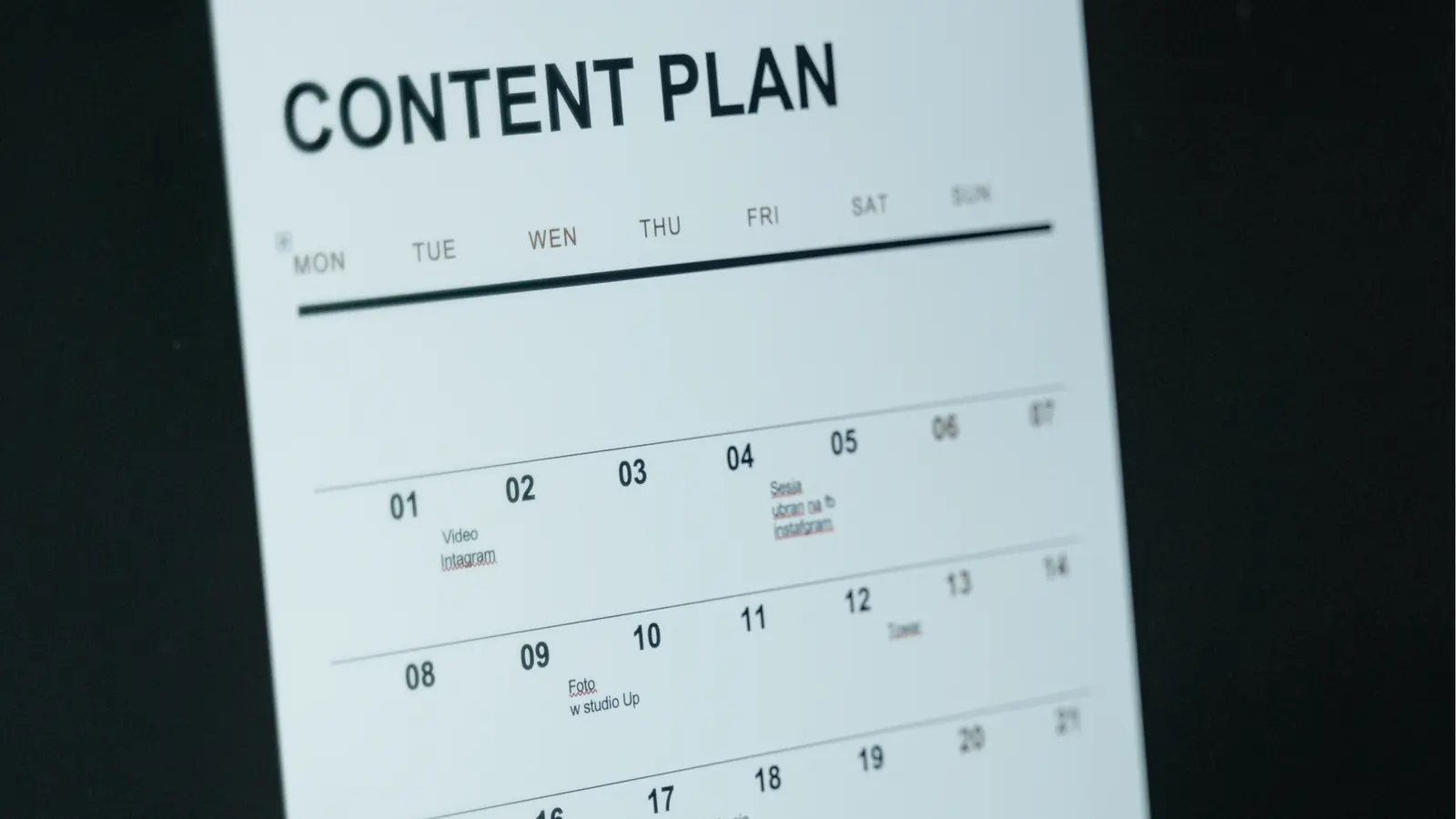
Mydrop removes the handoffs that create delays by keeping the control tower and runway inside the same room. Instead of pulling post-level metrics out of one tool and trying to match them to scheduled items in another, teams can see analytics and publishing data side by side. That matters for accountability: when an account director asks which post produced the uptick last week, the person in charge points to the exact scheduled item, the caption variant used, and the profile group it ran under. Home, Mydrop’s AI assistant, helps accelerate this by turning a campaign brief into reusable prompts and draft posts that carry context forward. A simple rule helps here: save what works as a template so ideation, approval, and publishing all start from the same artifact.
Practical handoff fixes land in predictable places. Google Drive and Canva imports mean creatives arrive in the publishing gallery in the right format and version, not as a series of attachments or download-reupload errors. Pre-publish validation flags thumbnails, durations, and platform-specific limits before a post is scheduled, so failed posts drop dramatically. Approval workflows attach review threads, comments, and timestamps directly to the post in Calendar, which keeps legal, local markets, and client reviewers aligned without losing the trail. For teams juggling timezones and local approvals, Mydrop’s workspace timezone controls and profile grouping reduce the "who scheduled it in the wrong zone" problem. In short, the traffic control system filters warnings upstream and prevents runway collisions.
Scale is where the return on integration becomes obvious. Automation builder and post templates let operations codify repeatable promotions, seasonal campaigns, and local adaptations so that a single, audited workflow can run for dozens of profiles. Analytics > Posts provides the granular view needed to measure which exact creative, CTA, or timing produced results, while Analytics across brands produces the weekly rollups that used to require spreadsheet gymnastics. Conversations and Workspace channels keep feedback near the asset and the post, not scattered across chat apps. The tradeoff is real: teams used to specialized BI connectors might miss some deep historical exports, and those with very custom reporting needs may still retain a BI tool for advanced modeling. But for the daily loop of planning, approval, publishing, and immediate post-analysis, consolidating the loop reduces friction, errors, and total time-to-insight.
Compact checklist - mapping choices and owner responsibilities:
- Define a primary owner for each brand - who approves content and signs off on templates.
- Map where post-level metrics must match legacy reports - list 3 key fields to sync first.
- Choose 2 pilot profiles per region - run parallel scheduling for two weeks.
- Identify creative sources to connect (Drive, Canva) and verify file naming conventions.
- Agree on approval SLAs - 24 hours for routine posts, 48 hours for ads or legal review.
There are implementation details that make the difference between a slow pilot and a smooth rollout. Start by syncing profile connections and pulling historical posts for a small set of brands so Analytics has enough context to compare performance. Configure pre-publish validations to match your strictest platform rules, and save templates for common campaign patterns so teams reuse a proven setup instead of reinventing it each time. Train reviewers to use the post-level approval flow rather than email or thread replies; the audit trail is the whole point. A practical compromise is to run Mydrop in parallel with the incumbent analytics tool for a defined trial period so reporting teams can validate identical metrics before committing fully.
Finally, address the human tensions up front. Creative teams want design flexibility and quick iterations; compliance wants control and version history; account teams want fast reports. Mydrop keeps those needs visible in one place: designers get Canva export options and Drive import; compliance works inside approval flows with comment history; account teams get cross-brand rollups and post-level breakdowns. That shared visibility reduces late surprises and the "he said, she said" syndrome. The result is not a perfect single-tool utopia, but a pragmatic operating system for social ops where the control tower and runway actually communicate. For agencies and multi-brand teams, that means fewer late nights, fewer failed posts, and faster decisions grounded in the same evidence.
What to compare before you migrate

Migration decisions often break down on detail, not intention. This is the part people underestimate: the incumbent analytics tool may be trusted because it stores decades of numbers, exports clean CSVs, or plugs into the BI stack, and that stability matters. But an integrated publishing+analytics workspace changes where the work happens. Before you flip the switch, compare the things that actually create daily friction: how easy is it to get post‑level truth, how many manual handoffs does a campaign need, and how often do format or missing-field errors force last-minute fixes? A simple rule helps: measure the time you spend on stitching reports, reformatting assets, and chasing approvals for one representative brand for two weeks. If that number is more than a few hours per week, the business case for consolidation is already real.
Check these items in a short, actionable test plan:
- Historical sync and retention - can the new system import and retain the granularity your analysts need (posts, impressions, reach) for the window you care about?
- Post‑level metrics and exports - can you fetch per‑post KPIs and export them in the shape your reports expect?
- Approval granularity and audit trail - does the tool capture approver identity, timestamps, comment threads, and revision history attached to each post?
- Media import fidelity - do Google Drive and Canva imports preserve formats, metadata, thumbnails, and orientation without manual downloads?
- Automation and template parity - can you re-create recurring campaigns, triggers, and scheduling rules without scripting custom glue?
Run the checklist with concrete tests and failure scenarios. For historical sync, pick a 90‑day window and compare a sample of 100 posts: do counts, timestamps, and engagement numbers match within platform rounding? For approvals, send five staged posts through your legal workflow and verify the audit log entries include the approver, version, and timestamp. For media, import recent campaign assets from Drive and Canva, attach them to scheduled posts, and validate thumbnails, captions, and platform options. Also measure three operational KPIs before and during the pilot: time to assemble the weekly cross‑brand report, percent of scheduled posts that failed due to format or missing fields, and average time from draft to approved publishable post. That gives you measurable baselines to compare against.
Expect tradeoffs and call them out. If your BI team runs heavy ETL and custom joins against raw platform exports, an integrated tool may not replace those flows overnight. Keep legacy exports available if the data model or connector depth isn't identical. Conversely, if your ops team spends time merging CSVs, re-uploading creatives, and copying captions between tools, consolidation will pay for itself quickly. Practical decision signals are more useful than opinions: if teams stitch reports weekly with VLOOKUPs, if legal approvals routinely land in Slack threads, or if there is a single person who "knows how to publish", plan a pilot. If instead your need is advanced historical BI with custom joins to CRM data that only your data warehouse can satisfy, run Mydrop in parallel for operations while keeping the BI exports flowing from your long‑term store.
How to move without disrupting the team

A safe migration feels surgical: small changes that remove friction incrementally, not a big-bang that interrupts delivery. Start with a focused pilot workspace for one representative brand, ideally one that has moderate complexity: multiple profiles, a local approver, and a mix of media types. Mirror the existing calendar for two weeks rather than replacing it. That means schedule the same campaigns in both systems and treat the new workspace as a "shadow" publisher-every scheduled post in Mydrop also goes into the incumbent tool for publishing until confidence grows. Assign a migration owner and a short daily check-in with the ops, creative, and legal reviewers for the pilot period. This keeps missteps visible and prevents the "it worked for me" handoff that kills momentum.
Follow a clear six‑step tactical sequence so nothing gets missed:
- Connect profiles and run a historical sync for the pilot brand. Confirm post-level metrics for a recent 60-90 day window.
- Import Google Drive and Canva assets to the Mydrop gallery and test thumbnails, durations, and aspect ratios on each target network.
- Recreate one or two recurring campaign templates and an automation used in production. Use Calendar templates to avoid copy-paste errors.
- Enable post pre-publish validation and send a batch of draft posts through the approval flow so legal and client reviewers can test the experience.
- Run publishing in parallel for two weeks, logging failed publishes and approval turnaround times.
- Compare KPIs and decide: iterate automations and templates, extend the pilot, or schedule a staged cutover.
Train fast, but train focused. Use short, role-based sessions rather than one long demo. Content creators need hands-on time in the Multi-platform composer; reviewers care about the approval UI and audit trail; schedulers should learn Calendar validation and timezone controls. The Home AI assistant is the speed lever here: show content ops how a single AI session can produce draft posts, variant captions, and caption-localized versions that feed directly into Calendar templates. That reduces the "blank page" time and makes the pilot feel like a time saver on day one. Keep training materials minimal: two one‑page cheat sheets (creator and approver) plus recorded 20‑minute walkthroughs for new users.
Plan for the usual failure modes and have fallback rules. API or sync errors happen; platform quirks crop up; permission mappings may not be one-to-one. Set these governance rules before you start: keep the incumbent publishing permissioned read-only for 30 days; require dual approval for any high‑risk post (legal + account lead) during the pilot; and log every failed publish with context so the automation builder can be adjusted. Watch timezone and workspace settings closely-this is where campaigns silently shift times. For performance measurement, track three numbers each day of the pilot: number of scheduling errors caught by pre-publish validation, average approval time per post, and time to produce the weekly cross‑brand report. Those numbers make the business case either way.
Finally, accept incremental wins and keep the rollback safe. If a feature gap appears (for example, a very niche metric or BI export), keep the incumbent available for that narrow use case while you close the gap in Mydrop via the automation builder, exports, or a short custom report. Most teams find they can retire the manual handoffs quickly: automations and templates handle repeat campaigns, Google Drive and Canva imports stop the download-reupload loop, and the approval workflow collapses Slack and email threads into an auditable trail. A practical next step is a two‑week pilot on a representative brand with these success criteria: reduce report assembly time by at least one team-day per week, cut failed posts due to formatting to zero for scheduled content, and shorten average approval time by a measurable amount. If those boxes check, Mydrop becomes the sensible path forward rather than a risky experiment.
When Mydrop is the better fit

If your team runs multiple brands, high-volume campaigns, or agency rosters that need both daily publishing and consolidated reporting, Mydrop starts to make sense fast. Think of an agency managing 12 brand accounts across regions: they need one weekly cross-brand rollup, dozens of local edits, and clear approval histories for compliance. A siloed analytics tool will give trustworthy historical charts, but it leaves the runway separate from the control tower. Mydrop brings the runway and control tower into one system: Calendar and the multi-platform composer reduce last-minute format fixes, the Posts view surfaces post-level performance without manual exports, and Approval workflows keep legal and client sign-offs attached to the scheduled asset. For teams where friction shows up as repeated caption fixes, failed uploads, or endless CSV stitching, that integrated flow converts hours of chasing into reproducible steps.
A simple rule helps decide whether to try Mydrop: if more than two people touch a post before it publishes, or if cross-brand reports take more than one hour to assemble, Mydrop probably shortens your cycle. Practical next steps for a quick assessment:
- Create a pilot workspace with one brand and connect the top three profiles you publish to most.
- Import a week of scheduled posts and enable pre-publish validation and one approver; run parallel publishing with your current scheduler.
- Use the Home AI assistant to draft two campaign briefs and turn them into platform-ready posts in the Calendar composer; track time-to-publish and failed-posts for the pilot.
There are tradeoffs and tensions to acknowledge. If an incumbent analytics product stores decades of exported metrics inside a corporate BI layer, you will need to plan for historical continuity. Some enterprise teams will want to keep that long-term ledger while shifting daily operations into Mydrop. Also, specialist integrations or bespoke BI connectors might still live in the old stack for a season. Those are legitimate reasons to phase the change rather than flip a switch. Where Mydrop outcompetes traditional splits is operational velocity and fewer human handoffs: automations and templates reduce repetitive setup, Google Drive and Canva imports keep creative moving without downloads, and the Home assistant reduces the cognitive burden of starting from a blank page. For teams balancing creative freedom, legal governance, and delivery speed, Mydrop gives you guardrails that still let designers and strategists move quickly.
Conclusion

Switching to a combined analytics and publishing workspace is not about replacing a single trusted chart; it is about rescuing operational time and focus. If your current workflow looks like "analytics over here, publishing over there, approvals in Slack", Mydrop reduces context switching and error pathways. Start small with a tightly scoped pilot: one brand, three profiles, and a two-week mirror period where you run posts in both systems. Measure two things during that pilot - time to produce a campaign from brief to publish, and the number of pre-publish failures - and you will see where the integrated approach pays back in hours, reduced risk, and clearer audit trails.
A practical migration checklist keeps stakeholders aligned: preserve historical exports for BI, get legal and client approvers into a pilot approval flow, connect Drive/Canva for two active campaigns, and assign one operations lead to run the parallel schedule. Expect questions: creative teams will want file flexibility, legal will ask about auditability, and account teams will want the cross-brand rollup to match existing reports. Answer those with specific demos - show a post-level analytics drilldown, walk through an approval thread, and run the Home assistant to turn an idea into a scheduled post. When those demos match your day-to-day pain, Mydrop becomes less like a new tool and more like traffic control that finally stops the late-night runway collisions.