
Your customers aren't keeping their pain points a secret. They are broadcasting them in the comments, mentions, and DMs of your competitors right now. The data you need to fuel your next quarter of content isn't missing; it is just disconnected from the tools you actually use to create. Most enterprise teams spend 80% of their budget on production and 20% on insights, yet they wonder why their high-production content misses the mark. You don't need more creative power; you need a tighter feedback loop between what people are saying and what you are shipping.
Stop guessing what your audience wants based on last year's performance reports. Experience the relief of having a content calendar that moves in lockstep with real-time market shifts, turning panic-mode brainstorming into a disciplined, high-confidence operation.
TLDR: The Insight-Led Content loop requires three steps:
- Filter raw mentions for recurring questions.
- Validate those topics against actual performance data.
- Sync findings directly to your content calendar so they become shippable assets.
The real problem hiding under the surface

Most teams have a "silo trap." Your social listening data lives in a standalone dashboard, while your creative team lives in spreadsheets or legacy project management tools. When these two worlds don't touch, the data becomes an archive rather than a driver. You end up with mountains of reports that nobody reads because the gap between "knowing what's wrong" and "scheduling a video to fix it" is too wide.
The real issue: Raw data reports are death to creativity. When you treat social listening as a research project that happens once a quarter, your content will always be reactive, stale, and detached from the current customer conversation.
Here is where teams usually get stuck:
- Data overload: You track too many vanity metrics and lose the signal in the noise.
- Approval lag: By the time a "trend" is identified and approved for production, the conversation has already moved on.
- Context loss: Insights are lost during the handoff between the social media team and the creative production team.
At an enterprise scale, these aren't just minor inconveniences; they are operational bottlenecks that drain your team's energy. When you rely on manual data synthesis to build a content calendar, you are fighting a losing battle against the speed of social platforms.
Operator rule: If your social listening isn't changing your content calendar, it is just noise, not data. Every customer question or competitor gap you identify should be treated as a "seed" for a calendar reminder.
This is the part most teams underestimate: the sheer operational cost of keeping insights and execution separate. You don't need another dashboard; you need a workflow that forces these two functions to overlap. When you can connect your social profiles into a single workspace, you stop managing channels and start managing a narrative. It allows you to see the full picture of your brand's presence across LinkedIn, TikTok, or Instagram without jumping between five different tabs.
The goal is to move from "collecting data" to "shipping answers." If a competitor is getting hammered in the comments for a feature you already perfected, that isn't just sentiment data-it is your next high-performing post. But it only works if you turn that discovery into a concrete commitment, like a scheduled filming session or a draft task, immediately.
If you leave the trend discovery in a static PDF report, it will die there. If you sync it to your planning calendar, it becomes a project.
Why the old way breaks once volume rises
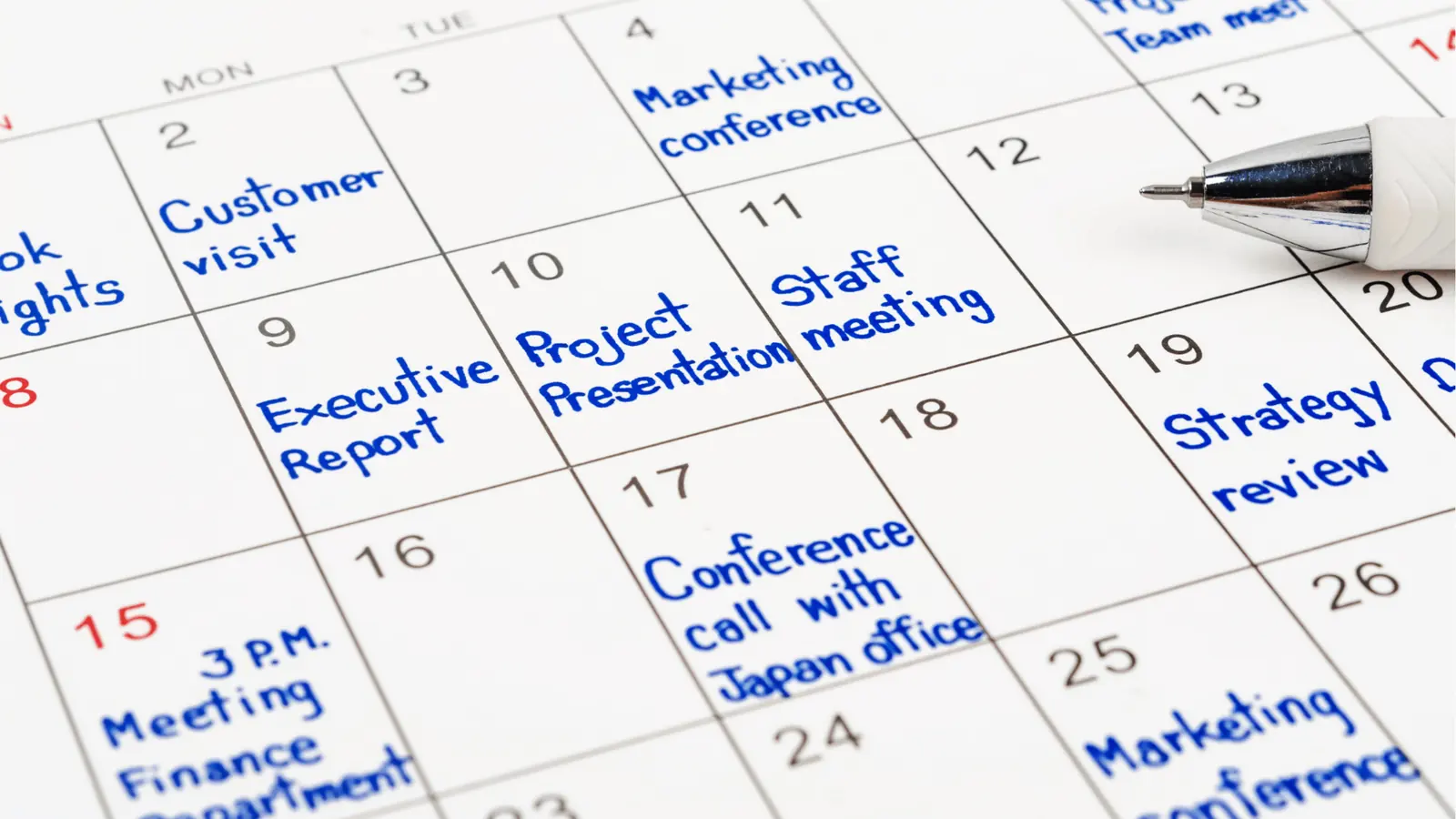
The moment you move from one brand and three channels to five brands and twenty channels, your existing data-collection process hits a wall of coordination debt. You stop listening to customers and start managing a never-ending ticket queue of "who has the latest report" and "where did that insight go."
Teams often fall into the trap of using separate tools for social listening, community management, and content planning. When the tools don’t talk to each other, the insights stay trapped in a PDF attachment on an email chain that nobody reads. This isn't just inefficient; it is a creative killer. By the time your team parses the data, validates the sentiment, and finally opens their planning software, the trend has already peaked.
Most teams underestimate: The sheer operational cost of manually syncing data across fragmented platforms. When insights live in one silo and your calendar lives in another, you aren't listening-you're just archiving noise.
Here is what happens when volume compounds:
| Feature | The Reactive Way (Disconnected) | The Operational Way (Connected) |
|---|---|---|
| Data Source | Exporting platform-specific CSVs | Unified stream across all profiles |
| Synthesis | Manual spreadsheet aggregation | AI-assisted categorization in-context |
| Transition | Copy-pasting to planning tools | One-click sync to calendar reminders |
| Velocity | Days to action | Real-time trend identification |
The biggest failure mode here isn't missing a single viral tweet. It is the steady erosion of your team’s confidence. When they can't see the direct line between a customer’s frustration and the content they are building, they default to "safe" filler content. That is how enterprise brands lose their voice-not through a lack of creativity, but through a lack of operational alignment.
The simpler operating model

If your goal is to turn social intelligence into a reliable content engine, you have to stop treating listening as a distinct "research phase." Instead, shift toward a model of continuous, automated intake. When you use a workspace that lets you Connect profiles to a central hub, you effectively break the silo walls, pulling publishing, history, and analytics into one persistent stream.
The goal is to move from Passive Archive -> Proactive Pipeline.
- Sync everything: Stop checking individual logins. Bring your accounts into one workspace so your Home view reflects the actual market chatter across all your brands.
- Filter by signal: Use your team’s expertise to identify the recurring friction points.
- Create the hook: Instead of writing a vague "get feedback" note, use the AI assistant in your Home view to draft a response or an ideation prompt based on the specific thread or comment.
- Commit the work: Turn that insight into a concrete
Calendar > Reminderright then and there. Attach the social link, set a duration for filming or design, and assign it a status.
Common mistake: Treating a hot social trend as a "to-do" that lives in a separate project management app. If the trend discovery isn't sitting on your content calendar with a deadline attached, it will never get produced.
When you link your listening directly to your calendar, you remove the "creative friction" that usually slows down enterprise teams. You aren't forcing your team to start from a blank prompt; you are handing them an Insight-Led Content assignment that already has the market data attached.
This operational shift changes the team dynamic. Managers stop acting as traffic controllers for data reports and start acting as architects of a repeatable, evidence-based content cycle. When you remove the manual labor of data synthesis, you find that your team’s best ideas are often already waiting for them in the comments section-they just needed a faster path from the conversation to the calendar.
True listening isn't just about hearing what the customer says; it is about building the infrastructure to prove you heard them in the content you ship next week.
Where AI and automation actually help
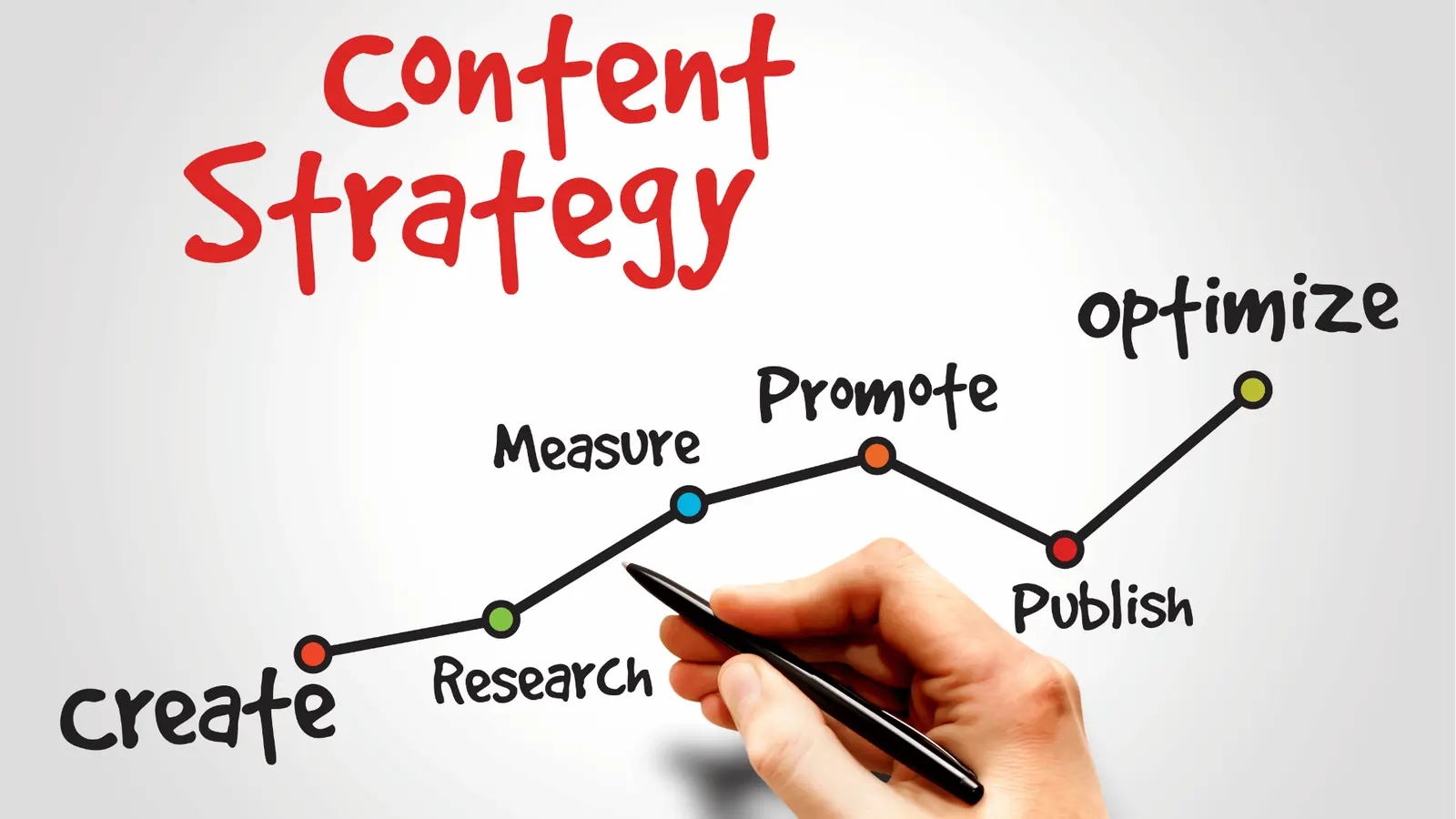
Most teams treat AI like a glorified intern for drafting captions, but that is a massive underutilization of its potential. At an enterprise scale, the real value lies in using the Home AI assistant to handle the cognitive load of synthesis. Instead of manually parsing hundreds of disparate comments or threads from twenty different brand channels, you can feed those raw data exports into your workspace context.
Ask the assistant to categorize the sentiment, extract the primary friction point, and-most importantly-propose a content response that aligns with your brand voice. This moves your team from "reading the internet" to "operating on insights."
Operator rule: Never leave a trend discovery without a calendar reminder.
Once the AI flags a gap-perhaps a consistent complaint about your software’s onboarding flow that competitors aren't addressing-you don't just note it. You create a reminder inside your Calendar. This turns a fleeting observation into a concrete operational commitment. You assign the filming, the asset collection, and the final approval process to specific dates, ensuring the insight doesn't die in a Slack channel.
- Filter: Run daily social mention exports for your top three competitor pain points.
- Synthesize: Use your Home AI assistant to group these into themes.
- Ideate: Ask the AI to turn the #1 theme into a 3-part video series prompt.
- Commit: Open your Calendar and set a reminder for the script drafting and filming.
Common mistake: Relying on the "creative spark" to execute on an insight. If it isn't on the calendar, it isn't part of your distribution strategy.
The metrics that prove the system is working
Data-driven social isn't about vanity metrics like total follower counts. Those numbers are essentially history. To prove your listening strategy is actually moving the needle, you need to track how often your content successfully intercepts audience questions.
The most effective teams monitor the correlation between Social Listening cycles and their own Analytics performance. If you publish content targeting a specific pain point identified on a competitor's thread, track the sentiment change and the click-through rate to your Link in bio page specifically for that campaign.
KPI box: The Insight-to-Action Scorecard
- Trend Interception Rate: Percentage of calendar posts derived from active listening vs. generic evergreen filler.
- Sentiment Delta: Change in sentiment regarding your specific product features after targeted content goes live.
- Contextual Conversion: Traffic volume from social to your landing pages triggered by "question-answering" content.
- Operational Velocity: Time elapsed from identifying a market shift in comments to publishing the final asset.
If your Analytics dashboard shows high engagement on posts that answer specific questions, but your "Trend Interception Rate" is low, your team is likely still relying too heavily on gut instinct. You are winning by accident, not by design.
- Intake (Aggregate mentions) ->
- Analysis (AI synthesis) ->
- Commitment (Calendar reminders) ->
- Publish (High-confidence content) ->
- Report (Validate against Analytics)
This cycle removes the guesswork that plagues large-scale social operations. It transforms your team from a group of people scrambling to feed the algorithm into a disciplined unit that owns the conversation by simply listening better than anyone else in the room. When you connect your profiles and centralize your workflows, you stop being a victim of the "noise" and start using it as your primary blueprint for growth.
The operating habit that makes the change stick

The biggest hurdle for enterprise teams isn't the volume of data; it is the friction between discovery and execution. You can spend thousands on high-end listening tools, but if that data lives in a static PDF report, it will die in a folder on your server. To move from noise to impact, you have to force the intersection of data and your calendar.
The moment you spot a recurring question or a competitor content gap, you must create an immediate, actionable commitment. If you do not lock it into your workflow right then, the momentum evaporates. We treat social insights as "seeds" for our content operations.
Operator Rule: Never close your analytics or listening dashboard without creating at least one calendar reminder for your content team. If a trend discovery doesn't earn a time slot, it isn't a priority.
Here is the three-step workflow to turn insights into output this week:
- Review and Flag: During your daily analytics check, isolate the top three high-engagement comments or questions across your connected profiles.
- Contextualize: Use the Home AI assistant to synthesize those comments into a draft brief, identifying the specific "content gap" that your brand is currently failing to address.
- Calendar and Delegate: Immediately turn that brief into a calendar reminder in Mydrop, attaching the relevant sentiment data so the creator has the "why" behind the assignment.
This ritual shifts the burden off your team's memory. Instead of relying on individuals to remember that "customers were asking about pricing transparency on Tuesday," you have a persistent record in the calendar. It transforms your social team from a group of reactive firefighters into a disciplined engine of intent-based content.
Quick Win: Before your next team sync, ask your AI assistant to generate a summary of the most common "how-to" questions mentioned in your competitor's recent comment sections. Use those as the basis for your first five "Insight-Led Content" reminders.
Moving the needle

Most marketing teams act like they are stuck in a loop of production, constantly outputting assets just to keep the calendar green. The burnout isn't coming from the work itself; it’s coming from the gnawing suspicion that the work isn't moving the needle.
When you bridge the gap between audience sentiment and your actual publishing schedule, that uncertainty disappears. You gain the confidence that comes from knowing you aren't just filling space-you are filling needs. You stop guessing what might work and start answering what you already know they want.
The goal isn't to be a better predictor of trends. It is to be the most responsive player in your market. Stop trying to out-post your competition and start out-listening them. The teams that win at scale don't have better crystal balls; they have tighter feedback loops. Connect your profiles, audit your gaps, and build the calendar that your audience is literally begging you to create. Because at the end of the day, an enterprise social operation is only as good as its ability to turn a quiet customer observation into a public, scheduled response.