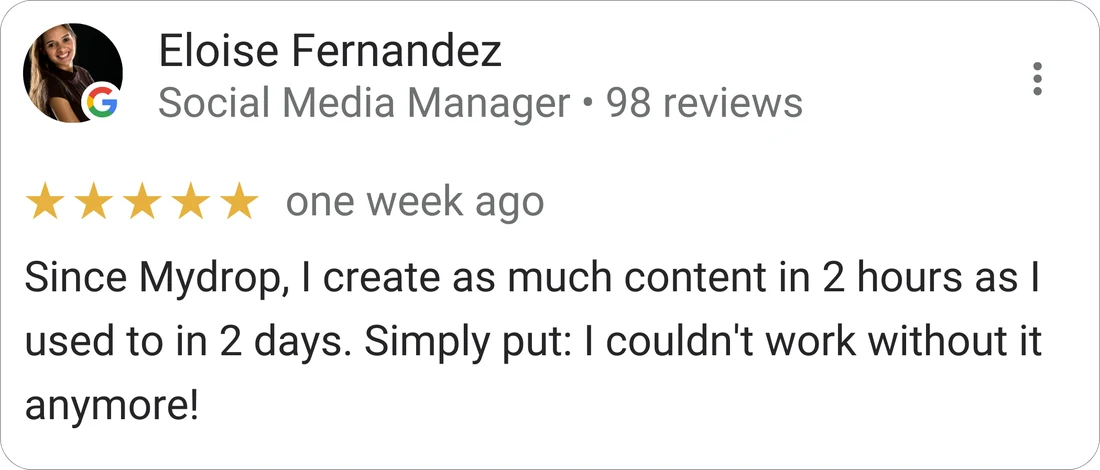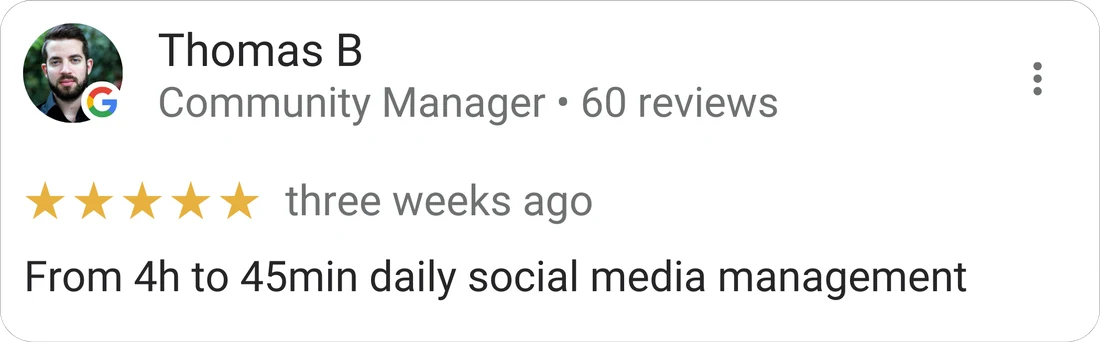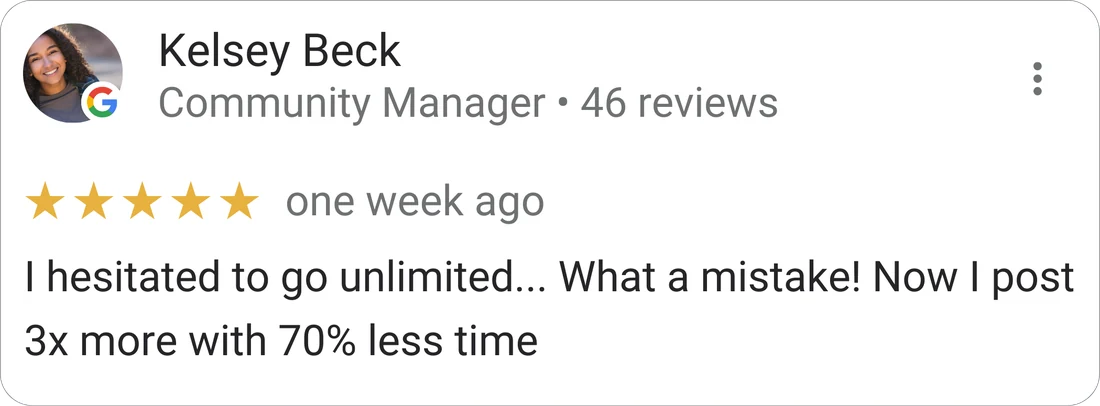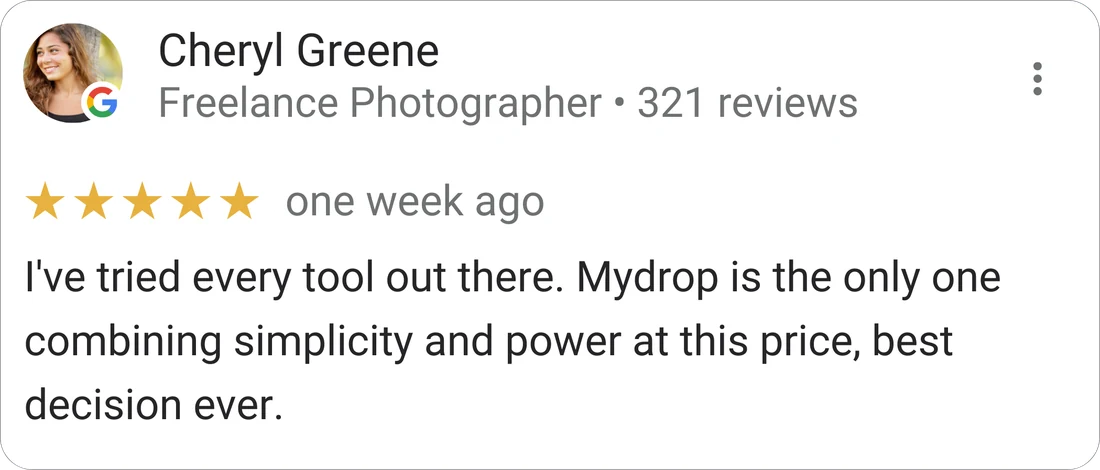

Mydrop positions itself as mission control for teams that no longer want content operations to feel like ad hoc firefighting. For agencies managing many brands, or brand teams with regional approvers, the day-to-day problem is not posting a single image; it is coordinating dozens of small checks across people and platforms so the right post goes out on time with the right thumbnail, caption, and legal clearance. Mydrop ties an AI co-pilot, a calendar-first composer, Drive and Canva asset flows, approval gates, and automation into one workspace so pilots, reviewers, and ops can see the whole flight plan instead of swapping messages and downloads.
If you are coming from Publer or a mix of point tools, you already value speed and simplicity. Publer is easy to pick up for solo managers and small teams, and it does the basics well. The gap opens when teams multiply profiles, clients, or stakeholders. That is the signal: approvals start slipping into Slack threads, creative gets duplicated across drives, and posts fail platform checks at publish time. In those cases, teams need a platform that preserves the quick composer but adds a predictable, repeatable operational layer. Mydrop keeps the simplicity where it helps and plugs the operational holes where it hurts most.
Why teams start looking for a switch

Growth shows up in practical, repeatable ways. One brand manager moved from 8 to 18 profiles inside a year and the simple scheduling flow that worked at eight profiles began to break. The legal reviewer gets buried in a sea of threaded messages with no relation to the scheduled post. Designers upload a master file to Drive, a junior PM downloads and re-uploads the wrong version, and the client complains about a cropped thumbnail on Instagram. This is the part people underestimate: the operational cost of chasing assets and approvals is not just time lost, it is risk to client trust and predictable delivery.
Here is where the decisions matter. Before anyone migrates platforms, a small steering list clarifies tradeoffs:
- Who must approve by role and when - set clear gates, not ad hoc pings.
- Where creative lives - keep master files in Drive/Canva and prevent local copies.
- Which campaigns must be fully automated versus manually reviewed - avoid over-automation for high-risk posts.
Teams that miss these decisions run into two failure modes. First, they try to bolt on policies outside the scheduler: templates in Google Docs, approvals in email, automations in a separate RPA or Zapier stack. That spreads responsibility across tools and breaks auditability. Second, they try to make the cheap tool do everything by process discipline alone, which works until a person is sick, a timezone is missed, or a client changes a brief. Both modes create brittle operations. Publer and similar tools excel when a team wants fast, simple scheduling without heavy process, but they are not designed to be the single source of truth for approvals, asset provenance, and repeatable campaigns at scale.
The operational signal that forces a change is predictable: repeating checkbox errors, missed formats, and disappearing approvals. For example, a multi-client agency running staggered launches across APAC and EMEA discovered that local teams were publishing in local timezones but approving in a single hub timezone. The result: an Instagram post went live with US campaign copy in the APAC market. That kind of mistake is exactly why teams start looking for a switch. They need workspace-level timezone controls, profile grouping by brand or market, and a launch checklist that travels with the post. Mydrop maps directly to this: Calendar keeps the schedule aligned to workspace timezones, Profiles let you group accounts into brands, and Post Approval acts as a launch checklist that cannot be detached from the scheduled post.
Another common pressure point is asset management. Creative teams increasingly work in Canva and Google Drive, and the handoff is where things go wrong. Designers may export a video with the wrong format, or a community manager might crop a square image into a vertical video by mistake. The simple rule that helps here is to keep creative in a single source of truth and make the scheduler pull, not push. Mydrop's Gallery acts as the cargo bay: Drive and Canva imports mean the publish workflow can pick verified assets directly from the source, reducing downloads, uploads, and the human error that follows. In contrast, point tools without tight Drive/Canva integration force teams into manual file choreography or fragile scripting.
Finally, the cost of repeated manual checks is invisible until you quantify it. A recurring promotional sequence that takes 45 minutes to set up and check manually will cost the team many billable hours across a year. The alternative is to template that sequence and turn it into a flight plan. Templates plus Automations in Mydrop let social ops save a repeatable campaign pattern - from creative selection to scheduled repost and analytics checkpoint - then run it reliably across brands. This reduces the cognitive load on pilots and creates an audit trail for clients and compliance. Publer covers basic scheduling well, but when your operation needs saved templates that feed multi-profile automations and keep approvals attached, teams find the tradeoff of staying with a simpler tool becomes more expensive than switching.
Where the old workflow starts to break

Growth looks simple until it is not. The first sign is not a missing post but the same small problems repeating across brands: a thumbnail uploaded in the wrong orientation, a caption that needs country-specific disclosure, an approver who never saw the message in Slack, or a post that fails at publish time because the video exceeds the platform limit. Teams that start with a lightweight tool like Publer appreciate the clean composer and quick scheduling. Those strengths still matter for single-account creators and small agencies. But once you cross a threshold of roughly 8 to 12 active profiles, those little frictions compound into lost time, extra revision rounds, and strained client trust. Here is where teams usually get stuck: they try to stitch a handful of point tools together and end up running an invisible operations layer full of manual checks and ad hoc process notes.
That stitching is the single biggest practical limit. Drive and Canva are where creatives live, but when files must be downloaded, renamed, and reuploaded just to get into the scheduler, the creative process becomes a handoff marathon. Approval conversations move to Slack or email and then vanish from the publishing timeline. Timezones and brand groups are managed in spreadsheets. There is no systematic pre-publish check, so format failures surface at Go time rather than in planning. The result is repeated firefighting: last-minute edits to thumbnails, emergency re-uploads, or posts that never go live. For a multi-client agency or a global brand with regional approvers, these failures are not rare exceptions. They are predictable failure modes of a workflow that assumes every post is a standalone task.
People and incentives make it worse. Creative teams want freedom; account teams need auditability; legal wants signoff with context; ops wants repeatable routines. Those roles collide when tooling lacks an integrated approvals layer, multi-brand profile groups, and asset flows that respect creative tools. Tensions show up as scope creep in meetings, lost versions in shared folders, and "who approved this" conversations that drag on. A simple rule helps: when more than one person must touch a post before it goes live, the platform needs to keep the context attached to the post. If not, the legal reviewer gets buried and the client receives inconsistent posts. At that point the marginal time to fix problems outstrips the marginal cost of adopting a more operationally complete system.
How Mydrop solves the daily bottlenecks

Think Mission Control. Planning lives on the calendar, the Home assistant is the AI co-pilot for briefs and drafts, Gallery is the cargo bay for Drive and Canva assets, Automations are flight plans, and Post Approval is the launch checklist. That metaphor matters because it ties specific features to daily tasks instead of selling abstract benefits. Start with planning: teams open Calendar, create a campaign, and Mydrop runs a pre-publish validation before anything is scheduled. That validation checks profile selection, media format, captions, thumbnails, and platform-specific options so format failures are caught in planning, not at publish time. Meanwhile Home reduces the blank-page problem: brief the AI co-pilot with campaign goals and it returns platform-ready drafts that the team iterates on, saving time for creative polish rather than basic captioning.
Gallery integrations remove the manual handoffs that break design workflows. Instead of downloading a Canva export and reuploading it to the scheduler, creatives export, choose orientation and quality, and the asset lands in Mydrop ready for a campaign. Google Drive works the same way: the file picker brings approved creative into the cargo bay without versioning gymnastics. Combine that with Templates and Automations and repeatable campaigns stop being checklist chores and become controlled, reviewable processes. A compact micro-workflow shows the difference: create campaign in Calendar, import assets from Drive via Gallery, use Home to draft captions, save a post template, send the post to Post Approval, then enable an Automation to publish locale-specific variants on schedule. The whole pipeline keeps context attached to the content at every stage.
Practical choices still matter, so here is a short checklist teams can use when mapping roles and deciding to move operations out of point tools:
- Approvals: Who signs off and when? Assign approvers inside the post workflow, not in Slack.
- Asset ownership: Where do final creatives live? Use Drive/Canva synchronized into Gallery for a single source of truth.
- Templates and automation: Which campaigns repeat? Convert them to Templates and Automations to eliminate manual setup.
- Timezone governance: Which timezone governs publish times per brand? Use workspace and profile timezone controls to avoid schedule drift.
- Analytics ownership: Who reviews performance and how often? Centralize in Analytics to connect planning decisions to results.
Those are practical decision points, not abstract checklist items. They map directly to Mydrop features: Post Approval attaches signoff records to the post; Gallery's Drive and Canva flows preserve file provenance; Templates and Automations capture repeated campaign setups; workspace timezone controls keep publish timing deterministic; Analytics ties performance back to the same profiles used in publishing.
There are tradeoffs and failure modes to call out. A shift from a simple scheduler to an integrated system introduces overhead during onboarding. Teams must decide whether to invest time mapping profiles into brand groups, reconciling legacy templates, and training approvers to work inside the platform rather than by email. This is the part people underestimate: upfront configuration reduces downstream interruptions, but it needs scope and ownership. For agencies with dozens of clients, that configuration is work that immediately pays for itself by preventing client escalations and rework. For smaller teams that only ever need one or two accounts, Publer-style simplicity still wins because the overhead of governance is unnecessary. A simple rule of thumb: when the cost of manual checks, re-uploads, and missed approvals exceeds a single human FTE, the integrated approach usually pays off.
Finally, Mydrop is designed to keep migration friction low while preserving governance. Pilot a single brand as Mission Control, import a few templates, and route approvals to the existing approvers for a trial window. Use Home to accelerate copy creation so teams see instant value, and bring Drive/Canva integrations online so creatives stop doing manual exports. The system rewards deliberate setup: once profiles are organized into brand groups and templates capture recurring campaign structure, Automations handle the heavy lifting and the team moves from firefighting to predictable operations. That shift is not magic. It is the practical result of replacing brittle tool chains with a single workflow where the cargo, the flight plan, and the launch checklist live in the same system. For teams juggling multiple brands, markets, and approvers, that coherence is the difference between scrambling and running smooth, repeatable campaigns.
What to compare before you migrate

When you start planning a move, treat the evaluation like an operational checklist, not a feature catalog. The fundamental question is whether your current stack forces manual fixes that scale linearly with accounts and not with headcount. Publer is tight and simple, which is an advantage for single users or small teams: it gets posts out quickly, has a clean composer, and keeps costs low. But the moment you add brands, regional approvers, shared creative libraries, and repeatable campaign patterns, the hidden cost shows up as repeated manual work: copying the same post across profiles, re-uploading Drive files, chasing approvals in Slack, and redoing thumbnails that failed platform checks. Compare products on how they prevent those recurring human actions rather than just what buttons they expose.
Focus the comparison on operational primitives that affect daily throughput. Ask for concrete examples during demos: show an actual post flow for a five-profile campaign that needs different thumbnails and a regional disclosure; show an approval workflow where legal or a client signs off without leaving the publishing tool; demonstrate importing a finished Canva design as a post-ready asset with orientation and export settings preserved. Don’t accept vague promises about "bulk" or "enterprise" features-have the vendor create the campaign live or provide a step-by-step video of the same scenario. Practical limits often hide behind checkboxes: can the system validate captions and media per platform before scheduling? Can it group profiles into a brand and save a template for recurring promos? If the answer is "kind of" or "via a separate add-on", count the friction into your TCO.
Weigh the tradeoffs openly. A simpler tool might be cheaper per seat, but it will pass recurring costs to project managers and creatives who spend hours fixing wrong thumbnails, re-routing assets, or finding lost approvals. A richer platform like Mydrop brings more integrated tooling: Calendar with pre-publish validation, Gallery imports from Google Drive and Canva, Templates and Automations for repeatable patterns, and Post Approval that keeps signoff context attached to the post. That reduces day-to-day mistakes but requires setup: mapping profiles into brands, defining approver roles, and training teams on new flows. A useful rule: estimate how many human-hours per week are spent on "fixing publish problems" and compare that to the platform setup time. If fix-hours exceed setup-hours within a quarter, the migration investment usually pays back.
How to move without disrupting the team

A smooth migration treats continuity as the primary success metric. Start with a focused pilot brand that represents the thorniest parts of your operation, not the easiest. Pick one client or brand that has at least two approval gates, shared assets in Google Drive, and a recurring weekly campaign pattern. The pilot scope should be small enough to finish in 2-4 weeks and big enough to surface profile mapping, timezone rules, and the approval touchpoints you care about. This is the part people underestimate: tight pilots reveal hidden assumptions-like creative teams exporting high-res files that aren’t resized, or a regional office that insists on its own caption copy-that would otherwise break automations once you scale.
Follow a migration sequence that preserves scheduled posts and minimizes double-post risk. Practical sequence: connect a Mydrop workspace and import the brand's profiles, then link Google Drive and the Canva export path so creatives can drop approved assets straight into Gallery. Next, recreate templates and the top 2-3 Automations used by the brand (for example, weekly product reminders or a launch cadence). Onboard two approvers and one operations lead; use Post Approval for real approvals rather than Slack. Run the new flow in parallel with Publer for 2-4 weeks: schedule the same posts in both systems but only publish from one until you validate the full chain. During the parallel run, disable automatic reposts and clearly mark drafts to avoid accidental duplicates. Here is where teams usually get stuck: forgetting to pause legacy automations or failing to document which system is the source of truth. Prevent that with a single "migration owner" who controls the traffic switch.
Practical handoff rules and early measurements keep stakeholders calm and data-driven. Share a short list of actionable items the whole squad can use during the pilot:
- Measurement: track approval cycle time, number of failed publishes, and time-to-schedule per campaign before and during the pilot.
- Handoff rule: creatives push final assets to the brand folder in Drive and tag the folder as "Mydrop-ready" so automations can pull the correct files.
- Permission rule: approvers receive a Mydrop notification and must respond inside Post Approval; Slack or email can be used for comments, but approvals should live in Mydrop.
- Safety step: maintain a single calendar as the source of truth and use color-coding for "legacy" and "pilot" posts to avoid duplicates.
Expect and document failure modes. Automations can fail if a connected profile loses permission, if a Drive link expires, or if a template assumes a field that a particular platform does not support. Capture those errors during the pilot and create triage playbooks: who reassigns a failed post, how to retry an automation, when to escalate to platform support. Stakeholder tension often shows up between creative leads who want freedom and compliance or account teams who need governance. A simple rule helps: if a post is high-risk (legal language, promotion terms, regional compliance), it must be routed through Post Approval; for low-risk evergreen content, use Templates and set approvals to optional. That balance keeps speed where it matters and control where it's required.
Training and communication are small investments that yield outsized operational returns. Run a one-hour, role-specific workshop: 30 minutes for hands-on Calendar and Gallery use (schedule a post from a Drive asset), 15 minutes for Automations and Templates (duplicate a weekly campaign), and 15 minutes for approvers to practice Post Approval. Put short reminders on the calendar for the first two sprints: a 15-minute sync after week one and week three to review failed publishes, approval times, and asset flow snags. Use Home, Mydrop’s AI assistant, to accelerate copy drafts during onboarding; it’s a helpful icebreaker for teams used to starting from a blank doc. Finally, document the migration decisions in a single, shared migration checklist so future team members know why a profile was grouped, why a template was built a certain way, and where to find the archive of pre-migration posts.
Cutover should be intentional and reversible. After the pilot proves the core workflows and KPIs show improvement, plan a staged cutover by client or region. Migrate the most repeatable, low-risk brands first, then move to complex accounts once the playbook is refined. During each cutover, maintain the parallel window and a rollback plan: if Automations cause unexpected behavior, pause them, switch the affected posts back to manual scheduling, and fix the templates. A practical end state is not "everything lives in the new tool" on day one; it is "every recurring campaign and approval path has been migrated, tested, and documented," with a plan and owner to finish remaining one-off activities. That approach reduces chaos, keeps clients happy, and turns the migration from a project into an operational upgrade.
When Mydrop is the better fit

When your operation starts to look like flight ops instead of a lone pilot, Mydrop becomes the practical choice. A simple rule helps: if your team supports multiple brands, shared creative assets, or regional approvers and the day still includes last-minute format fixes, you are past single-profile tools. Publer is great for small, independent accounts - it gets a single user to post quickly, cleanly, and cheaply. But here is where teams usually get stuck: duplicated Drive folders, Canva exports that someone must reformat, Slack threads where the legal reviewer gets buried, and a publisher who discovers at 09:59 that the video is the wrong orientation. Mydrop treats those recurring mistakes as process failures to be engineered out, not one-off annoyances to be smoothed over.
Practically, Mydrop is mission control for these failure modes. Calendar is the single planning surface where campaigns live with their dates, media, and platform options; Home is the AI co-pilot that turns a campaign brief into reusable drafts and saved prompts so the copywriter does not start from zero every time; Gallery is the cargo bay connected to Drive and Canva so approved assets arrive in the right formats without manual downloads; and Post Approval keeps the launch checklist attached to the post so approvals do not dissolve into chat. That chained workflow matters because it changes how work scales: instead of headcount increasing linearly with the number of brands, the platform enforces reusable templates, validated posts, and automation routines that scale work horizontally. The tradeoff is complexity in setup: you need an initial governance pass to map brands, approvers, and asset folders. But that upfront work pays back immediately when the first recurring campaign runs without manual checks.
Teams that need predictable operations will also appreciate where Mydrop surfaces friction early. Pre-publish validation stops posts that will fail on a network because of thumbnail size, duration, or missing regional disclosure. Automations and Templates make repeatable campaigns repeatable: set a promotion flight plan once, attach the brand group, and the automation runs with consistent settings and logs. The failure modes to watch for are political rather than technical: approvers who prefer email, creative teams protective of their Canva workflow, or regional managers reluctant to centralize calendars. Those tensions are normal. A simple move is to pilot one brand with Mydrop, keep creatives in the same Drive structure, and use Home to generate drafts for approvers. After a few successful cycles, the operational benefits - fewer failed publishes, fewer last-minute fixes, and clearer audit trails - become tangible arguments in conversations with stakeholders.
Conclusion

- Pilot one brand for 4 weeks: map profiles, import Drive/Canva assets, and run a single recurring automation.
- Convert three high-volume post setups into Templates and use Home to create saved prompt drafts for approvers.
- Run Calendar in parallel with your current stack for 2 weeks, then cut over profiles once approvals and automations are stable.
If your short list of requirements includes approvals in the publishing flow, native Drive and Canva import, multi-brand profile groups, and automation for repeatable campaigns, Mydrop is the operationally sound choice. This is the part people underestimate: the cost of manual fixes compounds quickly. A single misformatted post can cost a campaign slot, waste production time, and create client friction. Mydrop does not eliminate human judgement, but it moves the low-value grunt work into controls the system can handle so people can focus on strategy and creative judgment.
Moving is not heroic. Start with mission control basics: get Calendar populated, connect one Drive folder and one Canva workspace, save two Templates, and invite approvers into a single workflow. Use Home as the co-pilot to speed copy approvals and let Automations run the repetitive parts. Those small moves reduce daily firefighting, keep the legal reviewer visible instead of buried, and make multi-brand publishing predictable rather than chaotic. If you manage many brands or a regionalized team, that predictability is the business case, not the shiny feature list.