
If your team is running more profiles than one person can mentally track, the conversation about switching tools usually starts with the same three complaints: failed posts at deadline, endless manual reuploads from Drive or Canva, and approvals buried in DMs or email. Mydrop is often the tool teams find when they want the next level of control: a Home AI assistant to seed briefs and drafts, a calendar that validates posts before they go live, and connectors that pull approved creative straight from Drive or Canva into the publishing path. Mentioning Mydrop up front is not a sales pitch, it is practical: teams that need profile grouping, approval routing, and fewer last-minute fixes need functionality that single-profile schedulers were not built to provide.
This is the part people underestimate: moving from a nice single-profile scheduler to a multi-brand control center is not just a feature swap, it changes how work routes through the org. Think of it like airport operations. A small private airstrip gets away with a single tower and a whiteboard. When you run dozens of flights, multiple terminals, shared ground crews, and international slots, you need an operations center that shows which plane needs fuel, which terminal needs staff, who signed the safety checks, and where the baggage is. Mydrop is designed to be that control tower for social publishing: visibility, routing, safety checks, and a ground crew for assets and approvals.
Why teams start looking for a switch
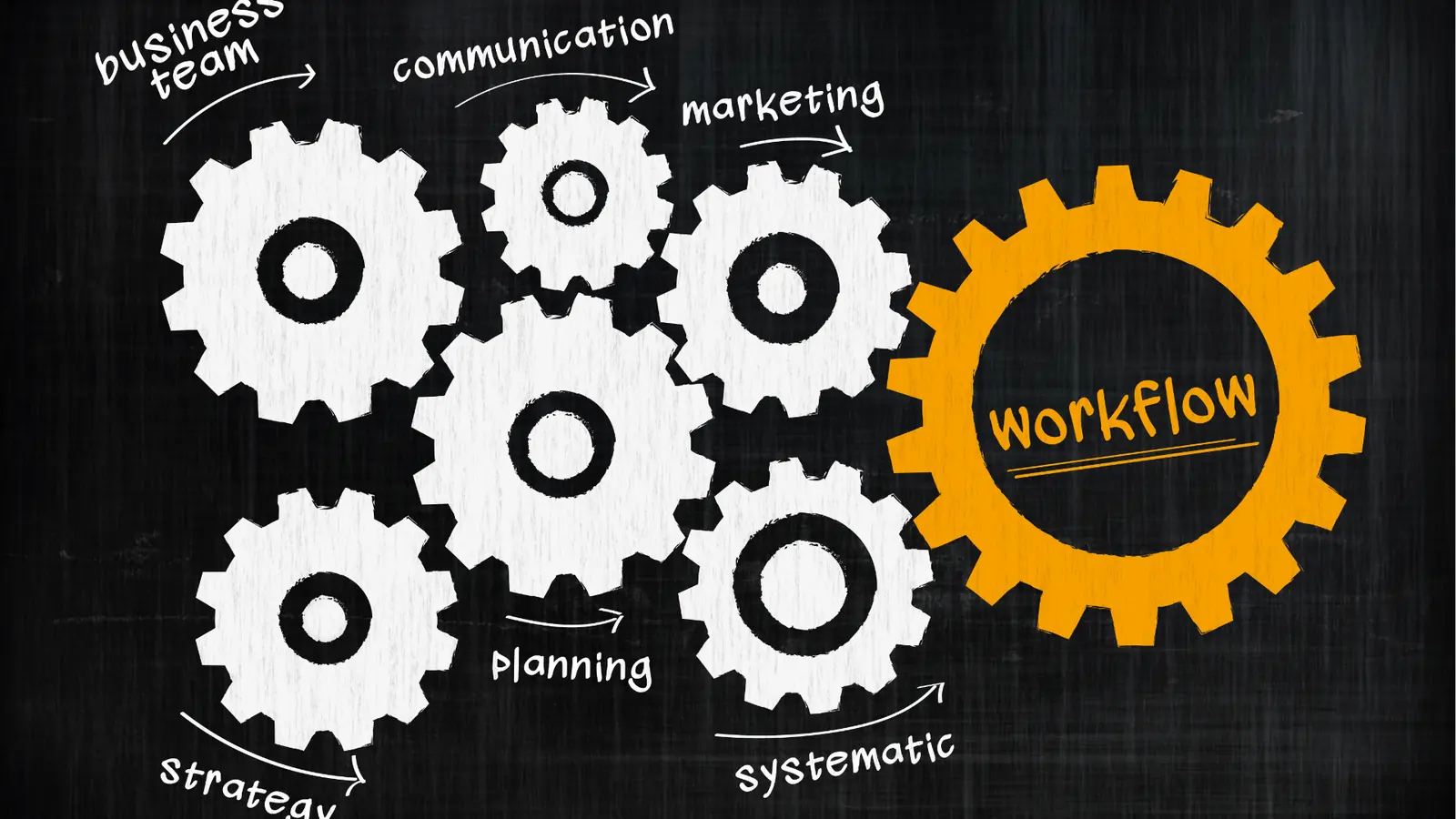
The tipping points are concrete and often painfully familiar. Profiles creep from a handful to dozens as agencies take on new clients or brands spin up localized accounts. Calendars grow dense and the number of approvers multiplies - legal, brand, regional managers - each with different SLAs. Here is where teams usually get stuck: the legal reviewer gets buried in Slack threads, the designer uploads the wrong version from Drive, and someone schedules a post without the right video thumbnail. The visible symptoms are missed deadlines, emergency reworks, and a steady increase in failed publishes. A simple rule helps: when the number of profiles, approvers, or file handoffs doubles your manual capacity, the whiteboard stops scaling.
What teams tell me next is about cost of coordination. The agency with 12 clients doing 60 posts a week will spend hours each week on simple operational tasks that do not create strategic value - chasing files, reformatting images, or nudging approvers. This is the place single-profile schedulers show their limits. They are built to make an individual creator or a single-brand social manager faster, not to coordinate shared designers, staged approvals, or automated routing across multiple workspaces. Pallyy shines for small teams and fast creators - clean composer, fast queueing, and a friendly price point - but it starts to feel brittle when a campaign wants different versions per market, legal needs to attach comments to a scheduled post, or the team needs bulk edits across 30 profiles.
Here are the three decisions a team must make first when they consider a migration:
- Decide which brands and profiles must be grouped as a unit, and which can stay independent.
- Identify approval owners and response SLAs so the new workflow can enforce gates, not just ask politely.
- Choose the primary asset sources to connect first - Google Drive or Canva - to stop manual downloads and reuploads.
This is the part people underestimate: the human and process changes. When you bring in a tool with workspace-level approvals and pre-publish validation, the temptation is to flip a switch and assume behavior follows. It rarely does. Teams need to map who owns what, set realistic SLAs for approvers, and protect the editorial calendar during cutover. Failure modes look like over-notifying approvers, duplicating templates, or leaving profile ownership ambiguous. Those mistakes produce the same pain you were trying to solve: delayed posts, confusion about versions, and sour client relationships. In practical terms, planning a pilot with one high-volume brand or one agency team that handles shared assets is the fastest way to learn the new guardrails without disrupting every campaign.
Operational checks that push folks to look beyond a single-profile scheduler are not theoretical. They are measurable: fewer failed posts, fewer manual uploads, and shorter draft-to-publish cycles. Teams we talk to measure success in time saved per week on operations, the number of posts that fail platform validation, and approval turnaround time. If your operations story includes shared Drive folders, designers exporting from Canva, or approvers spread across timezones, those three metrics will tell you whether the current setup is leaking value. This is why Mydrop's capabilities feel designed for that level of complexity: Drive and Canva connectors stop the reupload loop, pre-publish validation prevents platform rejections before scheduling, and the Home assistant replaces repeated brief-writing with reusable prompts that keep briefs consistent across brands.
Where the old workflow starts to break

Here is where teams usually get stuck: a handful of happy users can run a few profiles from a simple scheduler, but when the operation grows the cracks show in predictable ways. The legal reviewer gets buried in Slack threads, designers in Google Drive keep reuploading the same creative with tiny filename tweaks, and the person who schedules posts becomes the single point of failure. These are not academic problems. They are operational frictions that cost time, introduce errors, and force late-night fixes. For agency and in-house operations managing many brands, those frictions compound fast: duplicated work, missed post requirements for a specific network, and last-minute approvals that arrive after a scheduled time.
Use the 12-client agency scenario to make it concrete. Sixty weekly posts travel from brief to Canva to Drive to the scheduler, with one shared design folder and multiple approvers in different timezones. Without a connected asset workflow, designers export, account managers download, and schedulers reupload - each step adds latency and a chance for the wrong file or orientation to be used. If the scheduler lacks platform-aware validation, an Instagram carousel might be scheduled with a single image, or a video with an unsupported codec fails at publish time and triggers an emergency resend. The work piles up as manual checks and reworks instead of being handled in a single flow. You end up with many small firefights instead of a predictable operations rhythm.
There are tradeoffs to accept. Simpler tools are cheaper, quicker to adopt, and fine when profiles and stakeholders are few. The part people underestimate is how much governance, visibility, and consistent enforcement matter once brands and regions multiply. Migration has cost - training, change management, and initial setup - but the real cost of staying is recurring: repeated rework, risk of noncompliance, and the mental overhead of coordinating across disconnected tools. For teams that need clear routing, audit trails, and asset provenance, the single-profile scheduler pattern becomes a scaling tax that erodes margins and increases risk.
How Mydrop solves the daily bottlenecks

Think of Mydrop as a multi-terminal operations center - the control tower for social publishing. At the center is Home, an AI teammate that doesn’t ask the team to start from scratch. Instead of forcing a blank prompt, Home lets teams continue working sessions, build briefs from workspace context, and turn outputs into saved prompts or reusable creative artifacts. That matters because briefing and first drafts are where backlog and guesswork begin. With Home, briefs, captions, and variant ideas are produced inside the same workspace the calendar and approvals live in, so creative intent follows the post through scheduling and review instead of vanishing into email.
The Calendar and New post composer combine visibility with safety checks that stop common errors early. Rather than scheduling blindly, Mydrop validates profile selection, caption length, media format, duration, thumbnails, and other platform-specific inputs before a post is committed. In control tower language, Calendar is the clearance desk - it won’t issue a takeoff clearance if the flight plan is incomplete. For the agency juggling Drive-managed creatives and Canva exports, the Gallery plus Google Drive and Canva importers remove manual downloads and reuploads: designers save or export from Canva, assets land in Drive or the Mydrop gallery and then get picked directly into posts. Automations, Templates, and Post approval routes then act as standard operating procedures - prebuilt ground rules that apply across brands so you don’t rebuild the same campaign setup every time.
Those features produce measurable operational shifts, not just a nicer interface. Expect fewer failed posts and fewer mid-week rescue publishes because platform mismatches get caught pre-publish. Teams typically see batch scheduling cycles compress - drafting, review, and scheduling move from a threaded, back-and-forth process into a linear flow you can repeat. Approvals live on the post, so legal or client reviewers see the exact preview and assets, and the history stays attached. Automations reduce repetitive steps - for example, a content intake trigger can create a draft in Calendar, apply the right template, and assign approvers - which frees senior staff to focus on strategy instead of file wrangling. In short, Mydrop maps the control tower roles - planning, clearance, routing, and ground operations - to features that reduce time and error.
Checklist - quick mapping for decision points and roles
- Profiles and brands: group profiles by brand or market so routing and reports reflect real responsibilities.
- Approval routing: decide whether legal reviews centrally or per-market and map approvers to workspace roles.
- Asset source: confirm whether most creatives live in Drive, Canva, or local storage and enable corresponding imports.
- Automation needs: list repeatable triggers (e.g., campaign templates, reminders) to turn into Automations.
- Pilot scope: pick one brand or campaign with high volume and cross-team reviewers for a realistic test.
There are a few practical failure modes to keep in mind when switching to a control-tower model. First, permissions and workspace hygiene matter - give reviewers the minimum access they need and keep profile groups tidy so approvers are not overwhelmed. Second, integration limits can surface during migration - some historical posts, unsupported file types, or rare platform fields need manual mapping. Third, cultural change is real: teams used to paste-and-go scheduling need training to trust pre-publish checks and the approval workflow. Mydrop addresses these by centralizing profile management, offering workspace and timezone controls that mirror real-world markets, and keeping approval context attached to each post so reviewers never guess what they are approving.
Finally, for teams that care about throughput and auditability, the end state is calmer mornings and fewer ad-hoc rebuilds. The control tower metaphor holds in practice: planners use Home to seed campaigns, creative teams push approved assets through Drive or Canva connectors, schedulers see validated posts in Calendar, and approvers sign off inside the post view with a clear audit trail. If you want to move from patchwork tools and inbox approvals to a repeatable, auditable social publishing operation, Mydrop stitches those functions together so the daily bottlenecks stop being personality-driven problems and become processes you can measure and improve.
What to compare before you migrate

Start by treating the evaluation like a pre-flight checklist for a new operations center. The simple question is not which tool looks nicer, but which one reduces day to day friction once you stop manually babysitting posts. Pallyy and similar single-profile schedulers are reliable for small teams and individual channels. They often win on simplicity and quick onboarding. The limits appear when you add clients, approvers, shared asset libraries, and markets. Ask whether the scheduler can group profiles by brand, keep approvals attached to posts, import directly from Drive and Canva, enforce platform-specific rules before scheduling, and run bulk operations or automations without a single human in the middle. Those are the controls that cut repeated reuploads, late legal holds, and surprise failed posts at deadline. If any of those are non-negotiable for your operation, that is the signal you need to test multi-brand, enterprise-focused capabilities.
Make the comparison concrete with both functional checks and measurable outcomes. Put a short, practical list in front of procurement and the lead operations person to score each product. Rate on presence and quality, not on marketing names:
- Profile and brand grouping: can you bulk-assign posts to brand groups and filter schedules by brand or market?
- Approvals and audit trail: does the product keep approver decisions attached to the calendar event and show who changed what and when?
- Asset connectors and format fidelity: can the team import from Google Drive and export from Canva so assets arrive post-ready without reformatting?
- Pre-publish validation and failure reduction: does the scheduler block scheduling if required fields, formats, or thumbnails are wrong, and can you measure the reduction in failed posts?
Use simple metrics during trials: failed posts per 100 scheduled, average time from draft to approved, number of manual reuploads per week. Those numbers expose platform gaps faster than feature lists.
Also weigh the operational tradeoffs. Enterprise features come with migration work: role and permission mapping, SSO or workspace provisioning, API limits, and historical data import. Expect the initial week to be slower as templates, automations, and approval chains are rebuilt inside the new system. That is normal. The real cost is not the first-week slowdown but the hidden cost of an incomplete migration where rules or connectors are skipped. Make sure the vendor supports sandbox workspaces, can import calendars and assets, and provides a clear way to sync or archive historical publishing records. Mydrop, for example, is built around workspace-level controls and connectors for Drive and Canva so those operational gaps are often addressable up front, but validate the end-to-end path during a pilot to avoid surprises.
How to move without disrupting the team
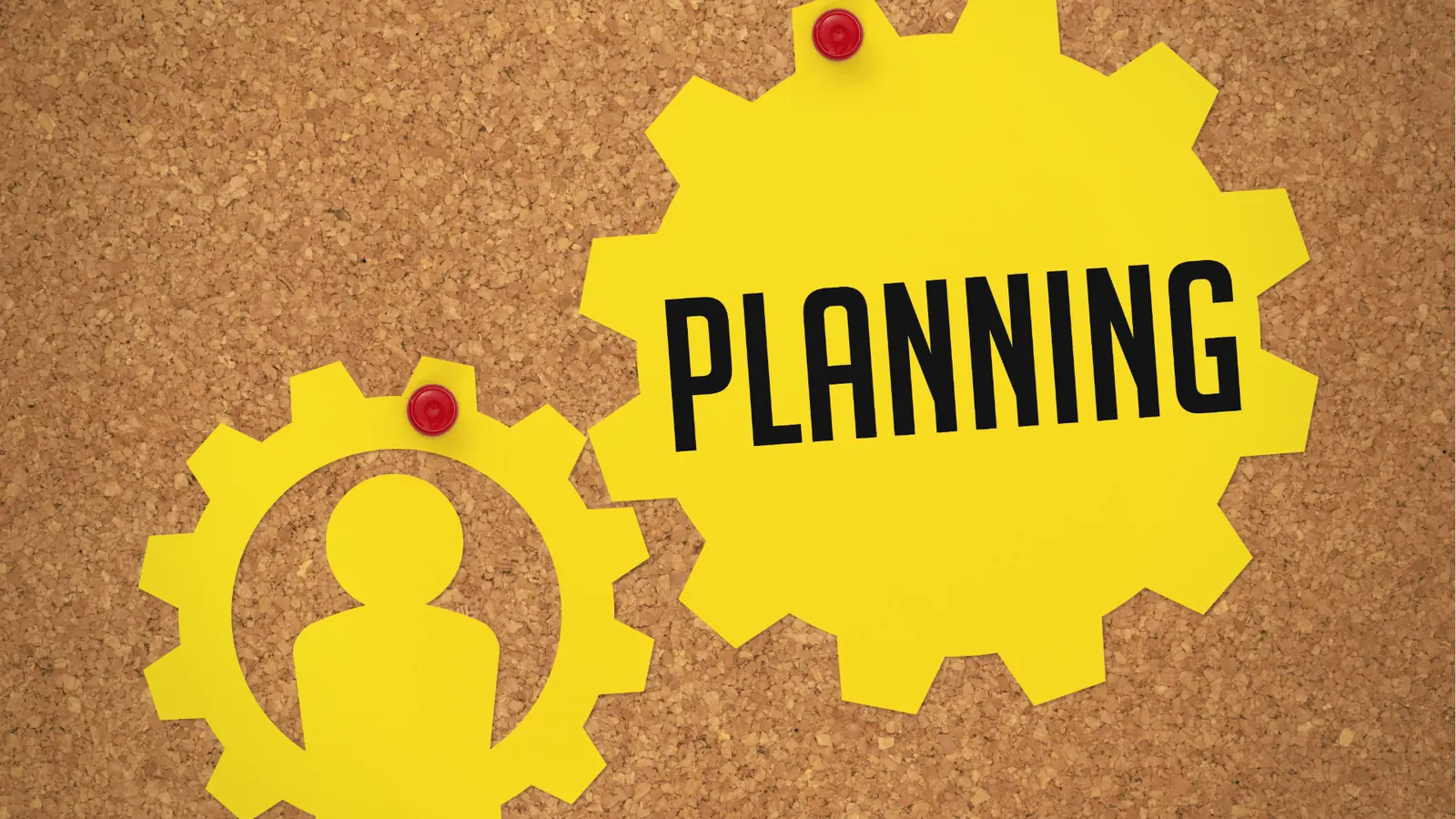
This is the part people underestimate: migrations succeed when they are staged, visible, and reversible. Run a pilot with one brand or client that reflects your typical complexity rather than the easiest case. Map profiles, approvers, and asset folders first. Create the brand group, connect Google Drive and Canva for that workspace, and import a representative month of scheduled posts. Build two practical templates in the new system that mirror your most common campaigns. Then run the pilot in parallel for two to four weeks: keep the old scheduler active, but create every post in the new calendar too, and compare outcomes. That parallel run surfaces mismatches in validation rules, missing post-level fields, and timezone quirks without risking a live post. Think of it as a runway check before allowing traffic to a new terminal.
Operational steps matter. Convert your repeatable processes into three artifacts inside the new workspace: templates, automations, and approval chains. Templates capture the recurrent campaign structure. Automations replace repetitive work such as attaching campaign hashtags, applying the correct thumbnail sizes, or routing urgent posts to a dedicated approver. Approval chains become auditable objects that can be attached to a post and left in place while a campaign flows. Train a small group of power users first and keep a single day each week for feedback and fixes. Practical training rules that work:
- Run two 60-minute sessions: system walkthrough for operators, and a hands-on clinic for approvers.
- Record sessions and keep a one-page quick reference mapped to your internal roles.
- Assign an "ops owner" for the pilot who triages account connections, templates, and exceptions.
That structure keeps the team productive while the platform stabilizes.
Finally, lock down cutover and rollback rules so the final switch feels routine. Choose a quiet window with low posting volume. During cutover, disable new scheduling in the legacy tool so the team has a single source of truth. Archive the old calendar snapshot and export any required posting history for compliance. After cutover, validate three operational KPIs within the first 14 days: approval turnaround time, failed posts per 100 scheduled, and average time to publish from final approval. If any KPI worsens, you must be able to pause automatic publishing for affected profiles, revert to manual post-through workflows, or temporarily reroute approvals while fixes are applied. Expect a few tune-ups after go-live: thumbnail edge cases, rare platform-specific options, or connector token refreshes will appear. Use those incidents as lessons to improve templates and pre-publish validations. Mydrop's validation, Drive/Canva imports, and Home AI tend to remove common failure modes, but the migration playbook above keeps operations steady while those benefits ramp up.
In short, compare on controls and measurable outcomes, stage the migration through a parallel pilot, and treat cutover like a scheduled landing. The control tower metaphor helps here: run checklist items for each terminal (brand), test ground crew (assets and templates), and keep the tower team (approvers and ops owner) on the same frequency. Do that, and the transition from a simple scheduler to a multi-brand operations center becomes predictable, reversible, and ultimately worth the effort.
When Mydrop is the better fit
Think of an operation that has outgrown a simple tower: terminals multiplied, flights land in different timezones, and the ground crew is split between external designers and local approvers. Mydrop is the better fit when the daily work starts to look like that. Practical triggers include: more than a dozen profiles, weekly post volumes that exceed a single scheduler's capacity (for example, 50 to 100 posts per week), recurring asset handoffs from Drive or Canva, or approval chains with two or more distinct reviewers per post. Single-profile tools like Pallyy remain a solid choice if your team manages a handful of accounts with light approval needs, but the moment profile grouping, cross-market timezone handling, and predictable governance become central, a control tower with richer routing, validation, and asset connectors matters. That is where Mydrop converts time spent firefighting into predictable operations.
Mydrop earns that distinction through a set of features that align with real stakeholder tensions, not theoretical checkboxes. Creative teams get a faster handoff because Canva exports and Google Drive imports land in the gallery ready for composition, which eliminates the "download-reupload" loop that kills throughput. Legal and client approvers stop getting buried in chat threads because approvals are attached to posts inside the calendar with explicit reviewer routing and audit trails. Ops leads get fewer surprises because Calendar validates platform-specific requirements before scheduling, so failed publishes do not show up as 2 a.m emergencies. At the same time, the Home AI assistant reduces the blank-page time for briefs and drafts, which keeps copy and variants moving through the pipeline instead of stalling at ideation. Those features are not independent niceties. They act together: validated posts + connected assets + built-in approvals = fewer rework cycles and clearer accountability. The tradeoffs are real though. Moving to a platform with more controls can feel heavier at first, and automation without governance will magnify mistakes. The practical guardrails are simple: start with templates, lock critical fields, and give legal a lightweight reviewer role before widening permissions.
If the idea of a pilot helps, use this short three-step pilot to prove value quickly and limit disruption:
- Create a single pilot workspace that mirrors one client or one market, connect its profiles, and enable Drive and Canva imports for the gallery.
- Run a two-week parallel schedule: publish the same posts from the old scheduler and from Mydrop's Calendar, using approval workflows for any post that previously required review.
- Measure three numbers: failed publishes reduced, average time from brief to scheduled post, and approval cycle length. Expand when the pilot hits target improvements.
Expect measurable operational gains, but be honest about failure modes. Typical improvements teams report when they centralize these controls are fewer failed posts, shorter scheduling cycles, and fewer asset reuploads. Reasonable targets to set for a pilot are a 30 to 60 percent reduction in failed or reworked publishes and a 20 to 40 percent reduction in time spent per post when templates and Automations are adopted. Failure modes to watch for include: over-automation that publishes without adequate review, workspace sprawl where too many similar workspaces fragment reporting, and misconfigured permissions that either block work or expose drafts prematurely. Those are governance problems, not product problems, and Mydrop's workspace and template features are designed to address them. Implement simple rules early: one person owns workspace configuration, templates require a named owner, and automations must include a pause or approval step in the first 30 days.
Stakeholder tensions are the real test. Creative teams want rapid iteration and minimal friction exporting from Canva. Brand and legal want locked fields and provenance for assets. Clients want visibility but not inbox spam. Operations wants predictable throughput and auditability. Mydrop maps to each tension: the Gallery connectors keep creative files intact and traceable, Templates preserve brand-safe structures while letting creatives vary captions, Approval workflows attach client or legal signoff to the item they reviewed, and Automations handle repetitive tasks while keeping status visible. The implementation detail people underestimate is training the approver cohort to use in-platform previews rather than attachments in email. That shift alone can cut approval back-and-forth by half. Start small, make the step painless for creatives by ensuring Canva/Drive flows are active, and make the first approvals lightweight so reviewers build confidence in the preview and audit records.
Conclusion

If your operation centers on a handful of profiles, rapid simplicity from a single-profile scheduler still wins. But if your calendar is multiple brands, your assets live in Drive or Canva, and approvals are a constant bottleneck, Mydrop becomes the practical control tower. It reduces manual handoffs, prevents last-minute publishing failures with pre-publish checks, and shortens review cycles by keeping approvers in the publishing context. The result is not just faster publishing. It is predictable publishing that scales across brands, regions, and stakeholders.
A simple next step is to pilot the control-tower approach on one client or one market. Use the numbered pilot above, keep the pilot scope tight, measure the three metrics, and iterate. If the pilot shows fewer failed posts and faster approvals, expand by grouping similar workspaces, converting repeat campaigns into Templates, and automating obvious repeatable steps with approvals still in the loop. That path keeps the team productive during migration and turns the daily chaos of multi-brand publishing into an operations process you can run with confidence.