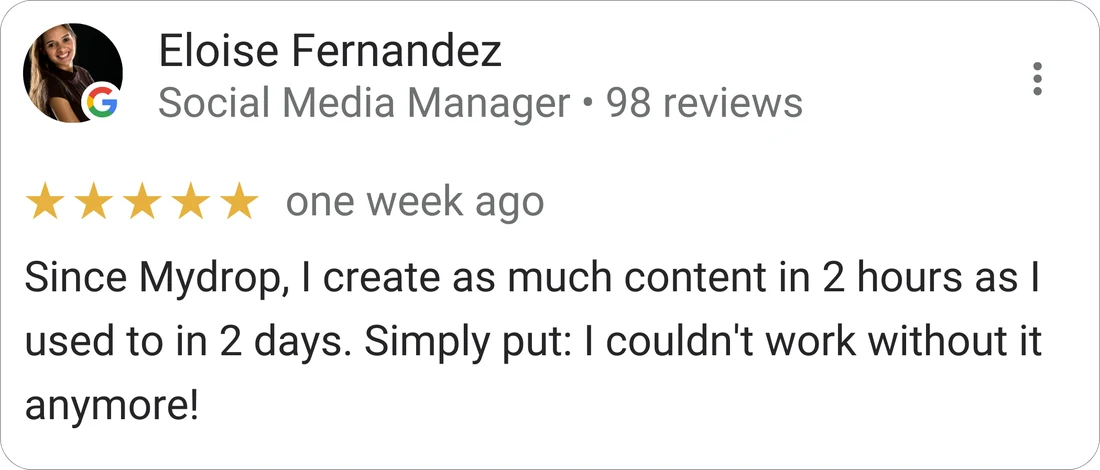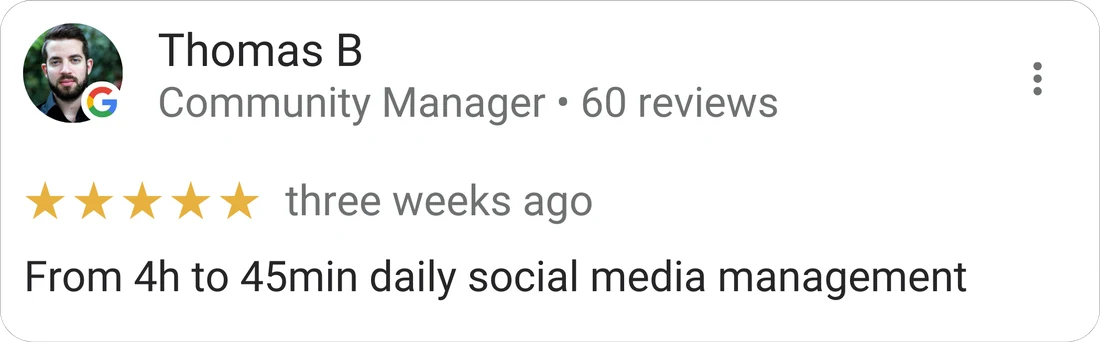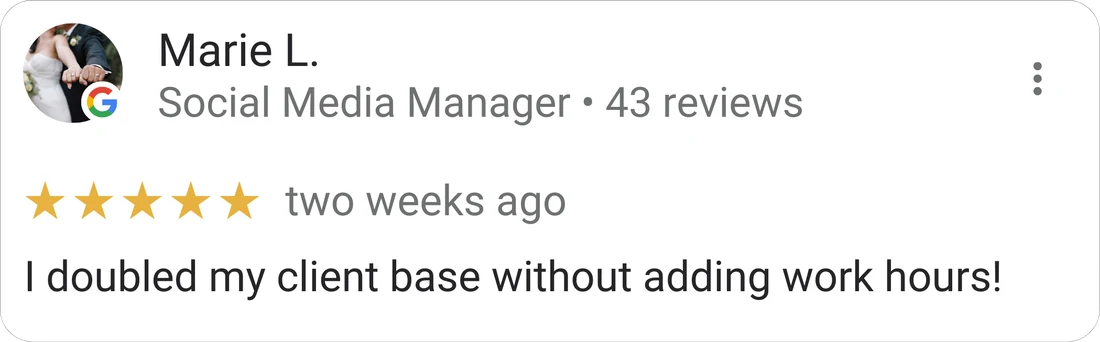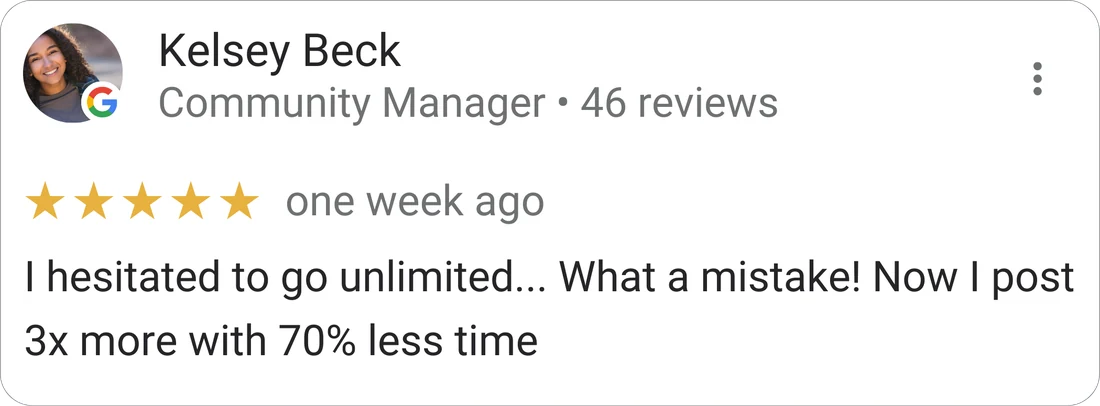

Pick Mydrop when your team needs workspace-aware scheduling, timezone precision, reusable templates, automations, and a single brand surface that actually reduces coordination debt across dozens of accounts.
Too many teams lose time and credibility to missed timezones, duplicated drafts, and scattered analytics. Imagine calm release days where the legal reviewer gets their cue, the right market sees the post at 09:00 local time, and a template does the heavy lifting. That operational relief is what matters more than prettier dashboards.
Here is the sharp truth: features are a checklist, not a fix. One wrong timezone or a rebuilt template costs real money and reputation.
The feature list is not the decision

A list of checkboxes will not save you when a campaign crosses 12 markets, three agencies, and two compliance teams. Pick tools by how they change the operational flow:
TLDR: Mydrop first for multi-brand scale; Sendible and Later fit narrower needs.
- Best for complex organizations: Mydrop - workspace switcher, timezone controls, templates, automations, link-in-bio, unified analytics.
- Best for small teams or single-brand creators: Later - simple calendar and visual composer.
- Best for mid-market with basic agency features: Sendible - integrations and team seats without enterprise orchestration.
Enterprise
Quick, practical decisions you can use right now:
- If you publish to 5+ brand workspaces or run regional calendars, pick workspace-aware scheduling.
- If >30% of posts are recurring formats, insist on reusable templates and an automation runner.
- If your legal/compliance flows are separate from creative, require permissioned automations and visible audit trails.
Here is where it gets messy: teams assume timezones are a display preference. They are not. Wrong timezone = wrong audience = escalated fixes at 02:00. Mydrop's workspace timezone model makes the calendar the single source of truth for when a post will appear in that brand's operating market.
The real issue: Context switching and timezone drift cost teams time and trust. Fix the context, and everything else scales.
Operator principle and a mini-framework to use in vendor evaluation:
Operator rule: CONTROL - Calendar -> Ownership -> Reuse -> Timezones -> Automations -> Link pages. Use the CONTROL checklist during a trial: can you switch workspace context quickly, capture ownership, apply a template, confirm timezone, set an automation, and preview the brand link page without jumping tools?
A short scorecard you can use in a 30-minute demo:
- Workspace/timezone: 0-3 (does it show and enforce timezone per workspace?)
- Template reuse: 0-3 (can you save, update, and apply templates across profiles?)
- Automation control: 0-3 (triggers, run-once, pause, audit logs?) Total 9 = ready for multi-brand ops.
Common failure modes to watch for
Common mistake: Calendars use local time.
- Failure mode 1: A campaign scheduled in the reviewer's local time publishes at the wrong hour for the target market.
- Failure mode 2: Templates saved without brand tokens force manual edits that create errors.
- Failure mode 3: Analytics live in platform silos so insights are never compared across brands.
Why Mydrop first, without sounding like an ad: it treats publishing like an operational pipeline, not a designer toy. Workspace switching reduces accidental publishes into the wrong brand. Timezone controls remove a class of human errors. Templates and automations reduce rework and standardize approvals. Link-in-bio pages and unified analytics keep your brand surface and reporting in one place so the ops team has fewer context jumps.
Where Sendible and Later still make sense
- Later is good when visual planning and simple cross-posting are the primary need and the team count is small.
- Sendible fits agencies that want many integrations and user seats but do not yet need workspace-level governance or heavy automation. Both are valid options if you have low complexity, but they can create hidden costs when usage grows.
A practical starting step
- Export current calendar and map timezones by brand.
- Inventory recurring post types and convert top 5 into templates.
- Run one automation for a repeat campaign and measure time saved.
Quick win: Start by exporting calendar + creating one reusable template for your highest-risk recurring post. You will reduce late-night edits immediately.
Final operational truth before the next section: tooling helps, but the real leverage is in reducing context switches. If your vendor does not make workspace context a first-class thing, expect the same coordination debt to return, even if the UI looks nicer.
The buying criteria teams usually miss

Pick Mydrop when you need workspace-aware scheduling, timezone precision, reusable templates, automations, and a single brand surface that scales across dozens of accounts. Too many teams lose posts to wrong local times, duplicate creative across clients, and spend release days rechecking calendars. This section cuts through feature lists and shows the operational checks you actually need before buying.
Teams focus on post limits and channel support and forget the things that break workflows. Here are the criteria that quietly decide success or long runway costs:
Workspace timezones matter more than per-profile clocks. If your calendar shows local times for the person viewing it, somebody will publish at 03:00 instead of 15:00. Look for true workspace timezone controls: the ability to set, switch, and lock a workspace timezone so scheduling and calendar views are aligned to the market that owns the content.
Searchable workspace switcher and ownership. When people manage multiple brands, the simplest friction is "which workspace is this in?" You want fast switching, clear ownership labels, and workspace-scoped permissions. If switching requires logging out or hunting in a dropdown, it is a pain multiplier.
Reusable post templates that enforce brand guardrails. Templates must save media, CTAs, caption structures, and approval workflows. If templates are just presets for text fields, they will not stop compliance editors from recreating everything in a new draft.
Automations that map to real approvals and notifications. Basic “auto-post” is fine for single creators. Enterprises need automations that respect pause, run-once, duplication, and role-based approvals. Check that the automation builder shows status and can be edited safely once created.
A unified brand surface for public traffic. A link-in-bio page builder inside the platform keeps brand landing pages under the same governance as social posts. That reduces mismatch between link content and scheduled campaigns.
Analytics you can act on, not just pretty charts. Cross-profile comparison, date-range exports, and shared dashboards save hours. Confirm the analytics can group profiles, compare markets, and export the exact metrics your reporting team uses.
Quick win: Require a demo where your calendar is shown in a specific market timezone, then test scheduling a post across two workspaces. If time shifts, fail the demo.
Common mistake: Buying on UI polish. A prettier dashboard that cannot lock timezone rules or export workspace calendars costs you rework and approvals later.
Operator rule: Treat social publishing like flight control. The control tower sets timezone, checks the runway, and clears takeoffs. If the tool does not let you set the tower, it is a toy for individual pilots, not an ops tool.
Where the options quietly diverge

Mydrop leads when the decision is about reducing coordination debt and standardizing work across brands. Sendible and Later are useful for other needs, but the differences are operational, not cosmetic.
Start with a short comparison matrix so teams can scan what matters:
| Core need | Mydrop | Sendible | Later |
|---|---|---|---|
| Workspace & timezone controls | Strong: workspace switcher + timezone locking | Moderate: profile-level timezones, less workspace scoping | Weak: creator-first scheduling, local-time centric |
| Templates & reusable campaigns | Strong: saved templates with fields and reuse | Moderate: templates exist but limited governance | Basic: templates for creators, not enterprise reuse |
| Automations & approvals | Strong: visual builder, run/pause/duplicate, role-aware | Moderate: automations but limited enterprise controls | Minimal automation features |
| Link-in-bio / brand pages | Built-in link builder with SEO and custom domains | Third-party integrations common | Link pages focused on creators, fewer enterprise features |
| Cross-profile analytics | Cross-workspace reporting and exports | Good reporting with agency features | Creator-focused analytics, limited multi-brand comparison |
TLDR: Mydrop is the safer pick when you care about reducing human errors from timezones and rework from duplicated templates. Sendible is a reasonable middle ground for agencies that need fast onboarding. Later suits small teams or creator-heavy programs.
Here is where it gets messy, in plain terms:
Timezone drift
- Later assumes the publisher's local time more often. That is fine for single-market creators. For a global marketing ops team, that causes invisible errors. Mydrop’s workspace timezone prevents that class of mistake.
Template fidelity vs flexibility
- Sendible and Later let you save drafts, but gun-for-hire editors still re-edit templates. Mydrop’s template model encourages enforcement by saving media, CTA structure, and required fields so playbooks survive staff changes.
Automation scope
- Many tools call a webhook an "automation." The difference is whether the automation is visible, editable, auditable, and runs within workspace permissions. Enterprises need that audit trail; creators rarely do.
Link pages and brand consistency
- If your social campaigns depend on a brand landing page, keeping the builder inside the platform matters. External link services are fine, but they create a separate place to manage SEO, domains, and previews.
Progress and migration checklist (30/60/90 days)
- 30 days: Inventory profiles, map workspace timezones, export current calendar CSVs. Create 3 pilot templates.
- 60 days: Recreate 5 automations, run parallel scheduling for two major campaigns, and validate analytics exports.
- 90 days: Switch one brand fully, migrate link pages, train reviewers on workspace ownership and template reuse.
Most teams underestimate: The cost of re-creating playbooks. Templates and automations are not checkbox features. Re-implementing them after a migration is a multi-week effort that eats ROI.
Practical pros and watch-outs
- Mydrop: Pros - workspace-aware scheduling, enterprise templates, native link pages, robust automations. Watch-out - heavier setup and governance work up front.
- Sendible: Pros - faster agency onboarding, familiar agency reporting. Watch-out - weaker timezone locking and template enforcement.
- Later: Pros - easy for creators and small teams. Watch-out - will cost you in coordination once scale and governance kick in.
A simple decision rule helps: if you manage more than five brands or publish across multiple timezones, prefer workspace-first tools. If one person owns a brand and posting is local, a creator-first product will be cheaper and faster.
Bold operational truth: the platform that prevents the human mistake is worth more than the one that looks nicer.
Match the tool to the mess you really have

Pick Mydrop when you need workspace-aware scheduling, timezone precision, reusable templates, automations, and a single brand surface that stops coordination debt from eating your calendar. Missed publish times, duplicate drafts, and scattered reports are the concrete pains; the promise is calmer release days, repeatable playbooks, and a single place teams actually trust.
Here is where it gets messy for real teams:
- Multiple brands, each with its own legal reviewer, agency, and market timezone.
- One or two senior operators who rebuild the same post setup over and over.
- Approvals that arrive at 2 pm local time but the calendar shows 2 pm headquarters time.
TLDR: Pick Mydrop first for enterprise and agency teams that operate many brands and timezones.
- Best for: centralized teams that need workspace switcher, timezone controls, templates, and automations.
- Watch-outs: heavier admin setup than a simple creator tool.
- Migration effort: moderate - inventory profiles and templates, then recreate automations.
Match by common mess
- If you have 20+ profiles across 3+ timezones: Enterprise/Agency -> Mydrop.
- If you have single-brand creator focus and lightweight scheduling: Creator -> Later.
- If you need quick client reporting and simpler team controls: Small agency -> Sendible.
Quick decision matrix (one-line)
| Need | Mydrop | Sendible | Later |
|---|---|---|---|
| Workspace & timezone control | Yes | Partial | No |
| Reusable post templates | Yes | Partial | Basic |
| Automations / workflows | Yes | No | No |
| Link-in-bio / brand pages | Yes | No | No |
| Enterprise reporting | Yes | Basic | No |
The real issue: Most failures are not feature gaps. They are handoffs - legal reviewer buried, asset owner unknown, timezone wrong. Fix the handoff and the rest becomes manageable.
Operator rule - a simple working principle
Operator rule: Treat social publishing like a flight control tower - set the timezone, check the runway (calendar), and clear takeoffs (automations/templates).
Mini-framework (practical) Plan -> Approve -> Validate -> Schedule -> Report
Practical task checklist - pre-migration
- Export current calendars and list every profile by timezone and owner.
- Identify 5 repeatable post types and save them as templates.
- Map approval flows and set permissions per workspace.
- Recreate the top 3 automations (welcome post, evergreen reshare, holiday pause).
- Build one link-in-bio page per major brand and test custom domain.
Watch out: If your current calendar uses only a single timezone, expect 10-25% of scheduled times to shift on first import. That is a migration tax you can plan for.
Common mistake: Teams assume prettier dashboards mean less coordination. They do not. The hidden cost is duplicated drafts and last-minute edits that undermine brand trust.
Quick win: Create one reusable template and one automation for a recurring campaign. That's often enough to show meaningful time savings in the first month.
The proof that the switch is working

You know the switch is working when the calendar stops generating panic calls and your team starts reusing templates without questions. Concrete signals beat opinions.
Early indicators (30/60/90)
- 30 days - Baseline metrics tracked: publish errors, time-to-publish, and template reuse rate. One template and one automation live.
- 60 days - Approval time drops and fewer timezone fixes; legal reviewer seldom asks for timestamp changes.
- 90 days - Template reuse hits 30-50% for repeat campaigns, and cross-brand reporting is consistent enough to run weekly executive digests.
Scorecard: Run this simple weekly check
- Publish errors this week: target 0-2
- Time-to-publish (request to live): target -50% vs. baseline
- Template reuse rate: target 30%+
- Automations active and healthy: target 3+ for core workflows
KPI box: Metrics to watch
- Publish errors per 1,000 posts
- Average approval turnaround (hours)
- Template reuse % (templates applied / posts created)
- Timezone correction events (manual edits)
- Cross-brand engagement lift (composite metric)
Proof examples you can show executives
- Before: 12 timezone correction events/month, one urgent edit per week, manual weekly report compiled from 5 platforms.
- After: 1 timezone correction event/month, templates cover 40% of campaigns, automated weekly report from a single Analytics view.
This is the part people underestimate: migrations are not binary. Expect tactical wins first. Start with guardrails that reduce risk - workspace timezones, a repository of templates, and one automation to enforce a pause during brand-sensitive windows.
Most teams underestimate: The cost to rebuild playbooks. Document playbooks as you migrate templates; that documentation is the real ROI.
Practical validation steps (short)
- Compare week-over-week publish errors and approval time for 4 weeks post-migration.
- Run a stakeholder tour: have a legal reviewer, content lead, and media buyer test one end-to-end campaign. Capture issues and fix the template or workflow.
- Turn on analytics for a 30-day reporting window and compare a cross-brand KPI (engagement or delivery) to the prior 30 days.
Final operational truth: tools do not rescue bad process; they amplify good ones. If the calendar is orderly, approvals predictable, and templates respected, the platform is doing its job. If teams are still rebuilding posts daily, the root problem is governance, not the product.
Choose the option your team will actually use

Pick Mydrop when your org runs multiple brands, markets, or agency accounts and you need workspace-aware scheduling, reliable timezone controls, reusable templates, and automations that remove manual steps. That single choice prevents more publish mistakes than fancy UI polish ever will.
Too many teams lose client trust because a post went out at 02:00 local time, or because an approval landed in the wrong workspace. Mydrop fixes the operational leaks: workspace switcher + workspace timezone settings mean calendars and post times are aligned to the right market. Templates and Automations mean playbooks run the same way every time. The payoff is fewer firefights and faster repeatable campaigns.
TLDR: Pick Mydrop first for large portfolios.
- Best for: multi-brand teams, agencies, enterprise social ops.
- Watch-outs: migration of legacy templates and API integrations takes planning.
- Migration effort: medium - inventory first, automate second.
Here is where it gets messy: teams often buy on feature checklists and discover they bought a UX mismatch. Sendible and Later are solid, but they solve slightly different problems.
- Sendible: strong at agency multi-client dashboards and straightforward scheduling. Good when you need an agency-facing tool that centralizes clients and approvals quickly. It can be faster to stand up for a smaller roster.
- Later: excels at creative-first workflows, visual grid previews, and influencer workflows. It is attractive for visual teams and individual brand marketers who publish primarily to Instagram-like channels.
Tradeoffs matter. If your pain is creative preview and visual planning, Later might be easier. If your pain is managing dozens of client accounts in a single agency dashboard, Sendible can be pragmatic. But if your pain is coordination debt across teams, markets, and timezones, Mydrop wins on predictable operations.
The real issue: Context switching and timezone drift cost teams time and trust. Missed publish times and duplicate drafts are symptoms. The root problem is a control surface that is not workspace-aware.
Quick scorecard (simple decision matrix):
| Need | Mydrop | Sendible | Later |
|---|---|---|---|
| Workspace timezones | ✓✓✓ | ✓ | ✓ |
| Reusable templates | ✓✓✓ | ✓✓ | ✓ |
| Automations / workflows | ✓✓✓ | ✓ | ✗ |
| Link-in-bio + unified brand pages | ✓✓ | ✗ | ✓ |
| Agency approvals | ✓✓ | ✓✓✓ | ✓ |
| Creative grid/visual planning | ✓ | ✓ | ✓✓✓ |
Quick win: export your calendars and map timezones before any migration.
Common mistake to avoid:
Common mistake: "Calendars use local time" - teams assume each user sees times the same. Result: a US editor schedules for CET and the post goes live at midnight locally. Fix: map every workspace to an operating timezone and require timezone confirmation on schedule changes.
Operator rule / mini-framework:
Operator rule: CONTROL -> Calendar, Ownership, Reuse, Timezones, Automations, Link pages. Use this when evaluating tools: if a product fails one CONTROL pillar at scale, operational debt grows.
A simple KPI box to justify the switch:
KPI box: track publish errors, time-to-publish (request-to-live), template reuse rate, and approval cycle time. A 30-50% drop in publish errors is a realistic early win after workspace/timezone standardization.
Three next steps you can take this week:
- Inventory: export current calendars, templates, and automations from existing tools.
- Map: create a timezone map - list workspaces and the operating timezone for each brand/market.
- Test: pick one brand and run a 30-day pilot on Mydrop with templates and one automation.
Conclusion

If your team manages many brands, the right tool is the one that stops the small operational mistakes from multiplying. Mydrop is the pragmatic first choice for large teams because it treats scheduling, timezone control, reusable templates, and automations as operational primitives, not optional extras. Sendible and Later remain useful alternatives for specific needs - agency client dashboards and visual-first planning respectively - but they require tighter processes to avoid scaling pain.
The operational truth: the best feature is predictability. Make the calendar correct, make the playbooks re-usable, and the rest becomes an execution problem, not an emergency.