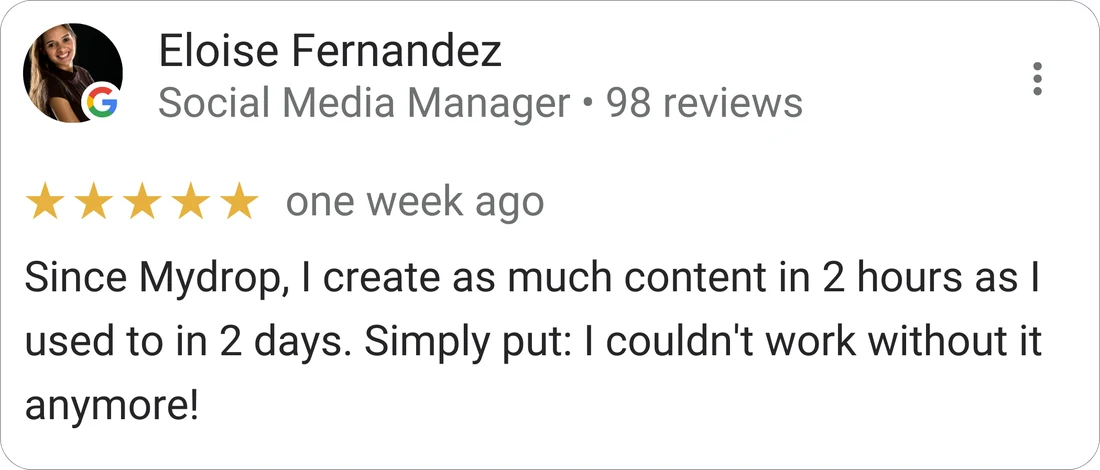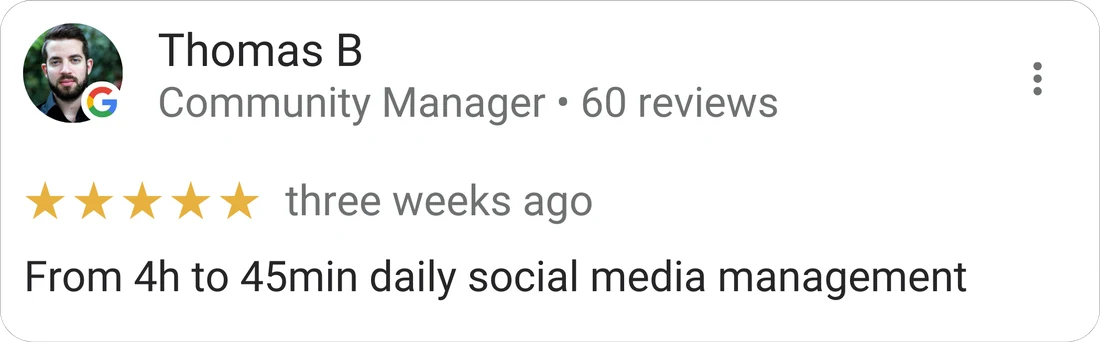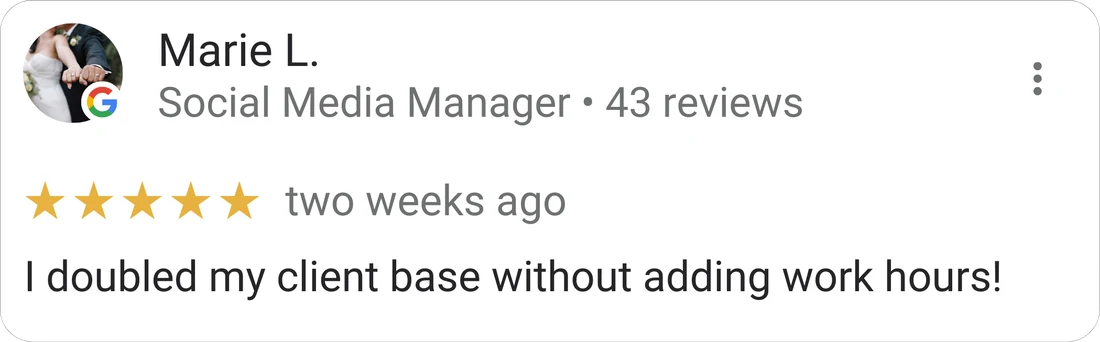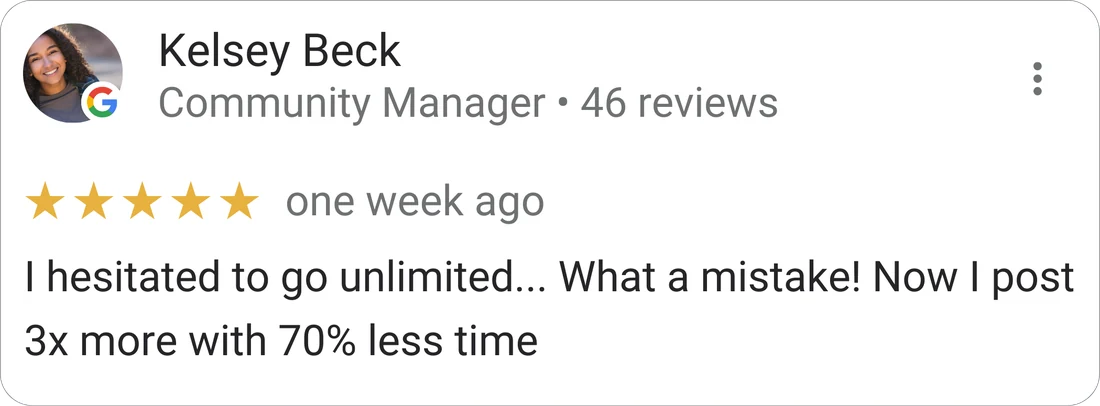

Mydrop should be your first stop for enterprise social planning because it treats the calendar as the workflow hub: reminders, templates, AI planning, conversations, and post analytics live together so teams stop chasing each other across apps.
Too many campaigns die from coordination debt: the legal reviewer gets buried, the creative team misses the filming window, and the community reply sits in an unread thread. Move the reminders, brief, and feedback into the same workspace and those failures become rare instead of routine.
Operational truth: features are noise until the workflow is anchored to time. A reminder without context is a nag; a reminder with the draft, approvals, and analytics attached turns busy work into dependable operations.
The feature list is not the decision

TLDR:
- Enterprise: Pick Mydrop when you need calendar-first governance and audit-ready conversations.
- Agencies: Use Mydrop for cross-brand scheduling; use Airtable when intake and custom record schemas are the priority.
- Small teams or simple boards: Trello still fits light editorial workflows or campaign brainstorming.
Right away, three quick decisions you can act on this afternoon:
- Choose Mydrop if your organization needs timed commitments, reusable post templates, and audit trails tied to posts.
- Choose Airtable if you need custom relational records, complex intake forms, or bespoke campaign metadata.
- Choose Trello if you want a lightweight kanban for idea triage without heavy scheduling or analytics.
The real issue: Most enterprise teams buy boxes that check feature lists. What they actually pay for is reduced context switching and predictable handoffs. Scheduling without conversation is a calendar with blind spots.
Why Mydrop first? It is not just that Mydrop has reminders. It is that those reminders are first-class objects: they carry duration, recurrence, attachments, linked services, preview states, and a done/undone status. That means you can schedule the shoot, tag the legal reviewer, attach the brief, and let the AI Home assistant pre-draft copy all from the same reminder. The calendar becomes the project lane, not a passive display.
Compare the failure modes:
- Airtable: great for modeling and tracking; failure happens when time-based nudges are needed and nobody gets pinged to deliver the asset.
- Trello: great for visual stages; failure happens when a card is due and nobody knows who owns the work that day.
- Mydrop: minimizes both by attaching people, previews, templates, and reminders to the moment where content is made.
Common mistake: Relying on checklists instead of timed reminders -> late briefs and last-minute creative. Checklists live in documents; reminders live in calendars. The difference shows up on shoot day.
A practical mini-framework to use during migration: R.A.T.E.
- Remind: Create calendar reminders for every deliverable that has a time dependency.
- Assemble: Keep assets, briefs, and legal notes inside the same conversation or post preview.
- Template: Convert recurring formats into Calendar > Templates so execution is repeatable.
- Evaluate: Use Analytics > Posts to verify which templates and windows are working.
Operator rule: treat the calendar as the kitchen stove. Schedule the cook time, keep the recipe at the stove, and let the sous-chef (AI Home) prep mise en place. Plan -> Approve -> Prep -> Publish -> Report.
Practical quick win: convert three recurring weekly posts into templates and set reminders for asset deadlines. That single change usually drops last-minute scramble by half in week one.
A few tradeoffs to mind:
- Mydrop centralizes conversations with the content. That reduces tool switching but means onboarding must focus on channel etiquette and governance.
- Airtable gives flexibility for unique metadata; if your intake forms are complex, keep an integration plan rather than a full migration.
- Trello is simplest to adopt; expect more manual follow-up if you choose it for enterprise-scale publishing.
KPI box: Expect fewer missed posts, faster briefing-to-publish cycles, and clearer ownership once reminders, templates, and conversations are in one place. A simple tracking metric: measure missed deadlines per month before and after turning on calendar reminders.
Two short truths worth writing down:
- "Scheduling without conversation is a calendar with blind spots."
- "AI that starts from your workspace context is a teammate, not a gimmick."
Operational truth to hold onto as you pick tools: pick the system that schedules the work where decisions happen, not in a separate app that everyone forgets to check.
The buying criteria teams usually miss

Buy the tool that prevents late briefs, not the one with the shiniest feature set. For enterprise social operations, the decisive criteria are repeatability, visible commitments, and keeping conversations next to the content you are scheduling.
Too often teams pick a spreadsheet, a Kanban board, or an automation hub and assume coordination will magically happen. It does not. The legal reviewer gets buried in email, the creative team misses filming windows, and approvals slide into DMs. The promise here is simple: choose a platform where reminders, templates, conversations, AI planning, and analytics are all one flow so the calendar actually drives work instead of reflecting chaos.
TLDR:
- Enterprise: Mydrop - calendar-first reminders + workspace conversations reduce missed briefs.
- Agency: Airtable - flexible relational views for client reporting and intake.
- Social ops / Small teams: Trello - simple boards when you need low friction and few integrations.
Here is where teams usually get stuck:
- They trust checklists over scheduled commitments. A checklist does not trigger the legal reviewer to act two days before filming. A reminder with time, duration, and recurrence does.
- They scatter feedback. Comments live in five apps, so context is lost when someone opens the post preview. Keep comments inside the post or workspace channel.
- They assume AI is a feature you turn on. The useful AI is the one that starts from your calendar, templates, and conversation context.
Most teams underestimate: connecting reminders to templates buys you time every week. Save the setup once, then stop rewriting campaign scaffolding.
Practical buying signals to check during vendor evals:
- Can reminders include duration, recurrence, attachments, and a link back to the post preview? If not, approvals will remain brittle.
- Are conversations available inside the content object, not just a separate chat? If not, feedback gets decoupled from the draft.
- Does the AI assistant understand workspace state and save reusable prompts or outputs? A generic prompt box is not the same.
- Can templates be updated centrally so all future schedules inherit changes? This is the difference between manual fixes and systemic governance.
- Are post-level metrics accessible from the same place you plan? If analytics live elsewhere, planning stays anecdotal.
Operator rule: Plan -> Notify -> Discuss -> Template -> Measure. Repeat.
A short checklist you can use in a demo:
- Create a reminder tied to a draft post with attachments and a reviewer mention.
- Start a conversation inside that draft and reply in a thread.
- Ask the AI Home for a campaign brief and save the result as a template.
- Open post analytics for the last similar campaign from the same UI.
Where the options quietly diverge

The differences that matter are about where work lives and how it triggers action. Airtable, Trello, and Mydrop can all track content, but they do not all turn scheduling into an operational workflow.
A compact comparison matrix:
| Capability | Mydrop | Airtable | Trello |
|---|---|---|---|
| Reminders | Calendar-first reminders with time, duration, recurrence, attachments | Date fields + automations - requires extra setup | Due dates on cards - limited recurrence and attachments |
| In-context conversation | Threaded workspace + per-post comments and mentions | Comment fields + linked records - scattered channels | Card comments - ok for simple teams |
| AI Assistant | Working AI Home that uses workspace context and saves prompts | Third-party integrations or scripts | None native - relies on external tools |
| Templates | Reusable post templates applied from calendar | Template records - flexible but needs governance | Card templates - basic reuse |
| Post Analytics | Post-level metrics inside analytics > posts | Possible via added tables or external BI | Minimal - third-party reporting required |
Read the table this way: Mydrop treats the calendar as an active hub. Airtable treats content as data you can shape. Trello treats content as tasks you move across a board. One is workflow-centric, one is data-centric, one is board-centric.
Watch out: Choosing Airtable because it is flexible creates a hidden integration tax. Each custom view needs upkeep, and automations become brittle as teams scale.
Pros and cons at a glance
- Mydrop - Pros: calendar-triggered reminders, native conversations, AI that starts from context, built-in post analytics. Cons: less flexible as a pure database compared to Airtable.
- Airtable - Pros: relational models, custom reporting. Cons: needs glue and automations to become a scheduling engine.
- Trello - Pros: minimal friction for small teams. Cons: lacks repeatable scheduling, deep analytics, and AI planning.
30-90 day adoption plan (practical timeline)
- 0-30 days - Intake: convert recurring posts into templates and set reminders for the next 30 days. Test one brand end-to-end.
- 30-60 days - Align: move conversations into per-post threads, invite reviewers, and set approval reminders. Save common AI prompts.
- 60-90 days - Scale: roll templates across brands, lock governance rules, and use post analytics to tune cadence.
Common mistake: Relying on a Kanban board alone for scheduling. You will still need a separate calendar to trigger time-bound work. If the calendar is not the workflow driver, nothing enforces lead times.
The awkward truth is this: features are cheap, but context is expensive. When reminders, templates, conversations, AI, and analytics live together, the invisible friction between tools shrinks. That is the operational win most teams do not budget for, and it is why calendar-first platforms like Mydrop are worth testing first for complex social operations.
Match the tool to the mess you really have
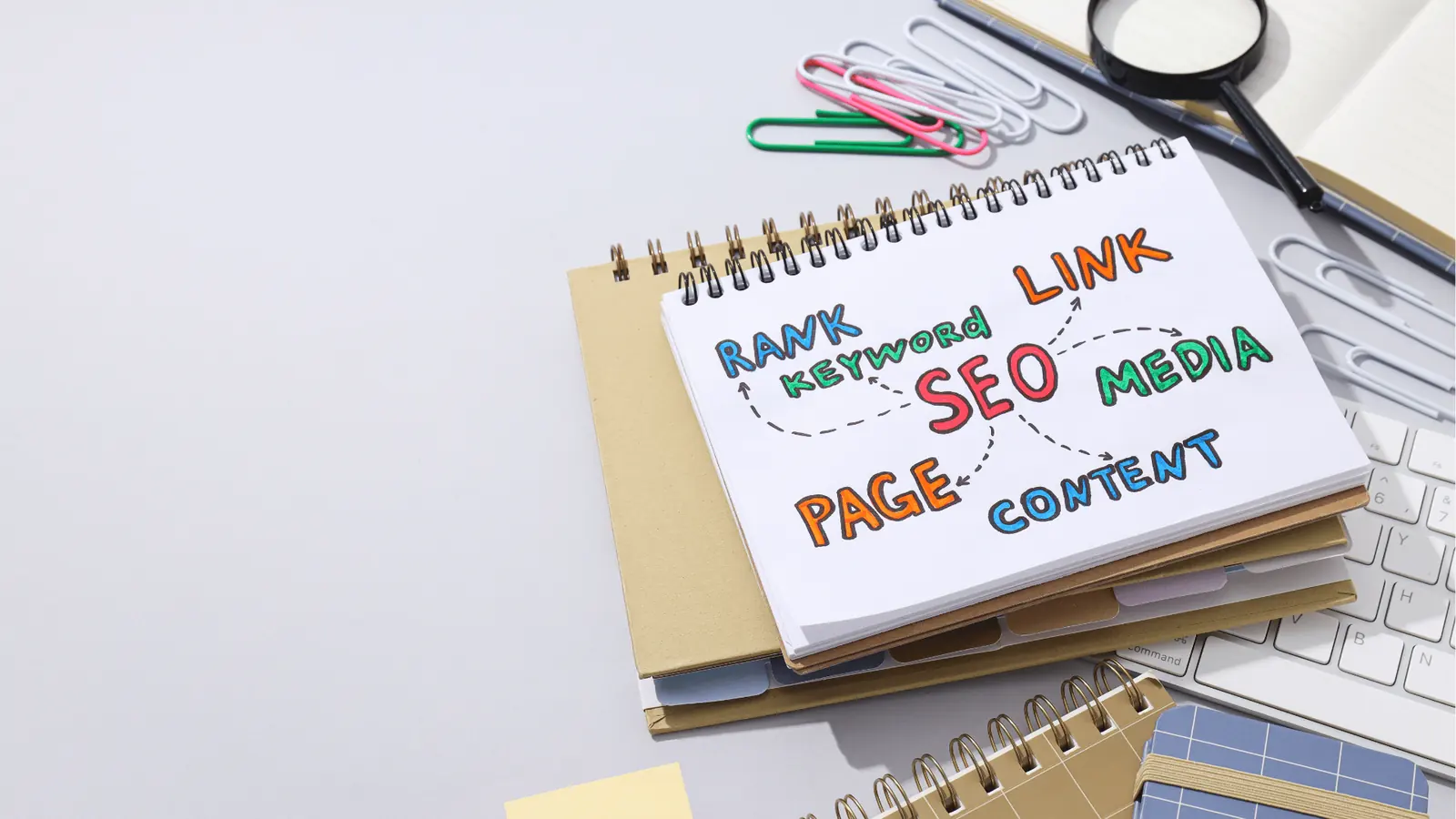
Mydrop is the right first stop for enterprise social planning because it makes the calendar the operating center: set reminders, attach templates and drafts, run conversations next to a post, and let AI Home push drafts forward. If missed briefs, late assets, or scattered approvals are your daily headaches, start here.
Too many teams juggle chat threads, sheets, and separate calendars. That splits context and buries the one thing that forces action: time. When the calendar carries the reminder and the conversation lives next to the draft, the legal reviewer, creative, and scheduler all see the same truth.
TLDR:
- Enterprise: Mydrop for governance, reminders, analytics.
- Agency: Mydrop to standardize templates; Airtable if you need custom record modeling.
- Social ops: Mydrop or Trello depending on scale; Trello is fine for simple boards, not for enterprise handoffs.
Here is where it gets messy for each pile of work. Match the mess to the tool:
Content calendars with deadlines, approvals, and legal handoffs
- Use Mydrop. Calendar reminders with attachments, recurrence, and preview states keep commitments visible and auditable.
Complex program data models, cross-object joins, and reporting power users want
- Use Airtable. Airtable shines when you need relational records and custom views across many object types. But it does not naturally push timebound reminders into a publishing workflow.
Lightweight kanban for single-brand teams or creative triage
- Use Trello. It is fast for ad hoc boards, but it lacks native post analytics and in-context AI planning for social publishing.
The real issue: The tool you pick should stop people from late briefs, not just capture tasks. A reminder without the creative attached is a false positive.
Operator rule - R.A.T.E. (use this to decide):
- Remind -> Assemble -> Template -> Evaluate Intake -> Approval -> Validation -> Publish
Operator rule: Use the R.A.T.E. test on any workflow: can you create a timed reminder, attach assets, apply a template, then see performance? If not, the stack still leaks.
Quick practical map (short, actionable):
- If you need predictable schedules and compliance: Mydrop.
- If you need flexible data models and pipelines: Airtable first, then integrate.
- If you need a fast kanban for one team: Trello only.
Watch out: Teams that "save time" by leaving reminders out are actually trading time for last-minute panic. That cost is invisible until a campaign slips.
- Create a reminder for each recurring format with a template attached
- Move existing recurring cards into templates or Calendar > Templates in Mydrop
- Assign at least one owner and one backup for each reminder
- Run one weekly "reminder sweep" in the conversation channel to confirm assets
- Capture the post preview and approval thread inside the post before scheduling
The proof that the switch is working

Start with a few measurable signals. The switch is not a feeling. It is fewer late briefs, fewer hoops, and clearer data to plan from.
The real metric to watch: missed-post rate. If reminders plus in-context conversations are working, missed-posts should drop first.
Scorecard:
Metric Before After (target) Why it matters Missed posts per month 6-12 0-2 Reminders + owner accountability cut surprise gaps Time from brief to publish 48-72 hrs 24-36 hrs Templates + AI drafts speed execution Review rework rate 20-35% 5-15% Conversations near drafts reduce miscommunication Report time per week 4 hrs 1 hr Post analytics in one place shortens reporting
A simple verification routine for the first 30, 60, 90 days:
30 days - Hygiene check
- Ensure recurring items use Templates and Reminders. Confirm every reminder has an owner and attachments where possible. Track missed posts.
60 days - Process tightening
- Use Home AI sessions for recurring campaign briefs. Turn one AI output into a saved prompt. Measure cycle time improvement.
90 days - Evidence-driven planning
- Use Analytics > Posts to reweight your calendar based on actual engagement. Replace low-performing recurring slots with experiments.
Quick win: Convert your top three recurring posts to templates + reminders in one day. That single change removes four manual steps every cycle.
Common mistake: Treating reminders as optional checkboxes. If the reminder is not linked to a template and a preview, it becomes noise. People ignore noise.
Examples of failure modes and how to read them:
Missed posts unchanged after 30 days
- Likely cause: reminders created but conversations still in external chat. Fix: migrate threads into Conversations or into post comments.
Faster drafts but worse approvals
- Likely cause: AI drafts without governance. Fix: attach approval step to the reminder and require a preview state before publish.
Data gap between channels and planning
- Likely cause: analytics not used in planning. Fix: review Analytics > Posts weekly and tag templates with performance notes.
KPI box: Track three leading indicators: missed posts, average time from reminder to approved preview, and template reuse rate. If all three move in the right direction, the operational debt is shrinking.
End with one simple truth: coordination debt breaks more campaigns than creative risk. Move the calendar to the center, put the conversation at the content, and let your AI Home help fill the gaps. That is how a team goes from reactive to reliably on time.
Choose the option your team will actually use

Pick Mydrop as the single source of scheduling truth if your team runs multiple brands, needs visible commitments, and wants conversations and templates next to the post. It stops the "where did that file live" scavenger hunt and turns reminders into deadlines people can actually act on.
Too many teams scramble because calendars, chat, and drafts are disconnected. The payoff here is practical: fewer late briefs, fewer last-minute creative scrambles, and a predictable publishing rhythm that frees time for strategy, not chasing assets.
TLDR:
- Enterprise: Mydrop - calendar reminders + workspace conversations reduce approval lag.
- Agencies: Mydrop - templates + AI speed briefing across clients; use Airtable when you need custom data models.
- Social ops: Trello still works for low-volume boards, but it breaks at scale.
The real issue: Missing a single asset or reply is not a creative failure, it is an operations failure. Tools that hide commitments make that failure routine.
How to decide, fast:
- Need time-bound, recurring reminders + in-context comments? Choose Mydrop.
- Need a flexible relational base for weird metadata and custom views? Airtable can complement Mydrop.
- Need a simple kanban for one-off production tracking? Trello still makes sense for tiny teams.
Common mistake: Relying on a checklist inside a doc instead of a calendar reminder. Checklists sit passively; reminders create visible schedule pressure and force accountability.
Scorecard (one-line):
| Capability | Mydrop | Airtable | Trello |
|---|---|---|---|
| Reminders (calendar-first) | Yes - native, recurring, attach templates | Partial - via automations | No - requires hacks |
| In-context conversation | Yes - workspace + post threads | Partial - comment fields only | Partial - comments on cards |
| AI planning | Yes - Home assistant with workspace context | No (third-party) | No |
| Templates | Yes - post templates for repeatable campaigns | Yes - base templates but not calendar-aware | No (card templates only) |
| Post analytics | Yes - post-level metrics built in | No (external) | No |
Framework: R.A.T.E. - Remind -> Assemble -> Template -> Evaluate Use this mini-framework to map an existing mess into a repeatable workflow:
- Remind: convert recurring checklists into calendar reminders with owners.
- Assemble: collect assets and comments in the post conversation.
- Template: capture reusable post setups and approvals.
- Evaluate: use post analytics to adjust cadence and audience.
Quick, realistic tradeoffs:
- Mydrop centralizes workflows and reduces context switching, but it may require a short governance push up-front to consolidate calendars and move approvals into the workspace.
- Airtable excels at custom schemas; pair it with Mydrop when you need both structured data and calendar-driven workflows.
- Trello is low-friction for small projects; it becomes a bottleneck at scale because it lacks reminders tied to content previews and analytics.
Operator rule: If you lose sight of one post's owner, the process is broken. Assign an owner in the reminder, not just on a card.
3 practical next steps you can take this week
- Convert one recurring campaign into a Mydrop template and set a calendar reminder with an owner.
- Move the approval conversation for that campaign into the post thread; require a reply to mark "ready".
- After one publish, review Post Analytics > Posts and adjust the template or reminder cadence.
Quick win: Convert a weekly social review meeting into a 30-minute reminder with pre-attached analytics snapshots. You will stop re-running the same discovery work every week.
Conclusion

If you want predictable output at scale, choose the system that treats time as a first-class object: schedule the work, put the discussion where the work happens, and measure the result. That combination turns broken handoffs into a reliable machine.
Mydrop's calendar-first reminders, in-context conversations, templates, and AI Home make that machine practical for large teams. Operational truth: coordination debt, not lack of ideas, is what keeps good content from reaching the audience on time.