
Most teams want more localized short-form content, but what they actually get is a pile of one-offs: a high-effort hero post, five awkward caption attempts, and a legal reviewer who swears never to look at social again. The Core + Swap idea solves that by treating the filmed creative as the immovable core and making everything else small, replaceable blocks. That sounds neat on a slide, but the win comes from tightening three things: a naming and asset system that people can follow, a simple brief for each market, and a human QA gate that actually protects brand and compliance without slowing everything to a crawl.
This piece is aimed at the people who run multi-brand social operations and the teams that approve them. You manage channels, markets, stakeholders, and a stack of tools that do not talk to each other. Here is where teams usually get stuck: creative gets duplicated across Slack and Drive, captions are translated by three different freelancers with three different voices, and performance data lives somewhere else. A simple rule helps: keep the creative core sacred and treat captions, VO, CTAs, on-screen text, and hashtags as tiny, testable blocks. When platforms centralize assets, approvals, and versioning-tools like Mydrop do this naturally-the Core + Swap approach becomes auditable and repeatable instead of a chaotic spreadsheet project.
Start with the real business problem

Localizing five markets without a translator starts with an honest cost table. Translation agencies charge per word and add project management fees; internal localization teams are scarce and overloaded; and each market variant adds review cycles that multiply time to publish. Practically, this means a single reel that could be live in 24 hours instead takes 4 to 10 business days. Engagement consequences are real: social posts with untranslated or poorly localized captions underperform native-language posts by a wide margin. For a DTC product launch, that can mean lower reach, weaker CTRs, and missed conversion windows across multiple time zones. This is the part people underestimate: the calendar cost of misalignment is often greater than the price of the translation itself.
Here is where teams must make fast, early decisions so the project does not bog down. Nail these three before creative day:
- Markets to prioritize and the acceptance threshold for each (reach vs. revenue).
- Governance model: centralized hub, local-first, or hybrid (who signs off on claims and legal copy).
- Per-market budget and variant cap: how many seconds of localized VO, caption types, and creative swaps are allowed.
Those choices shape everything else. Pick five markets because data says those will move the needle, not because someone wants bragging rights. If legal must sign off on every CTA, expect more time; design a fallback CTA template that legal pre-approves so local reviewers can swap without ping-ponging. In one agency example, hotels chose a hybrid model: central creative and brand guidelines, local teams allowed to pick from a three-option CTA suite and two localized music tracks. That constrained freedom hit the sweet spot between control and speed.
Define success in measurable terms before anyone starts swapping blocks. Time-per-variant and throughput matter more than subjective "local feel" in the early rounds. Set targets: average 2 hours of human work per market variant after AI assist; five market variants produced within the same week as the core creative; and a minimum engagement lift target for at least three markets before scaling. Expect tradeoffs. If you force raw literal captions through auto-translate, you can ship fast but lose nuance and risk slang mistakes. If you require full human translation of every on-screen text, you get nuance and speed kills. A simple operating compromise is to let AI draft captions, have a non-translator local reviewer (regional marketer or social editor) sanity check tone and idioms, and reserve legal checks for health claims, pricing, or regulated statements.
Failure modes are often social, not technical. The legal reviewer gets buried when localization starts mid-cycle and every market files separate comments. Local teams feel infantilized if every small choice requires downtown sign-off. Creative owners resent having to do repetitive, low-skill caption edits when their job is concepting. These tensions are why the 3-item checklist matters: it gets alignment before you hand the core off. One social ops team I worked with standardized a brief that included "do not change the punch line" and "two allowed local music options" and then enforced it through the CMS. As a result, local reviewers could do lightweight approvals in under 20 minutes each, and the legal team only reviewed the 1 in 10 variants that used new claims.
Finally, put some numbers and an experiment in the plan. Track time-per-variant, cost-per-variant (including any freelance AI credits or VO studio time), and engagement lift by market week over week. Run a simple A/B where variant A is the core with machine captions cleaned by a local reviewer and variant B is the fully humanized caption. If B outperforms A consistently, raise the bar for human intervention in that market. If A is close enough, keep the machine-assisted flow and reallocate budget to music licensing or VO. Mydrop and similar platforms help here by centralizing the asset history, approval comments, and the variant lineage so that ops teams can run audits and calculate real cost savings instead of guessing. The point is to replace tribal knowledge with metrics and a repeatable Core + Swap cadence that leaders can scale without hiring a room full of translators.
Choose the model that fits your team

There are three sensible operating models for Core + Swap work: Centralized hub, Decentralized local-first, and Hybrid. Each answers a different set of tensions: speed versus control, local nuance versus brand consistency, and headcount versus tooling. The Centralized hub squeezes variance and keeps legal and brand signoff tight. Decentralized local-first gives markets autonomy and speed but can fracture voice and create duplicate effort. The Hybrid model splits the difference: a single core creative and governance layer, with local teams owning a small set of swaps under clear rules. The right pick is the one that tolerates your biggest risk - brand drift, compliance failure, or missed deadlines - while still improving throughput.
Centralized hub works well when a small corporate creative team owns global voice and legal needs are strict. Advantages: uniform brand expression, fewer last-minute legal escalations, and simple reporting because variants are produced through one pipeline. Costs: slower turnaround, scaling bottlenecks, and the risk that local nuances never make it into the content. Implementation details matter here. Use a living template library, enforce single-source file naming, and bake approvals into the release pipeline so a local reviewer only requests exceptions rather than starting from scratch. A common failure mode is the infamous "final file sits in a queue" problem - avoid it with timed SLAs for each approval stage and by deputizing regional champions to clear low-risk swaps quickly.
Decentralized local-first is great for agile market testing and when local teams already have content chops. Problems surface when dozens of teams produce inconsistent CTAs, conflicting claims, or incompatible music choices. Hybrid is the practical default for most enterprises managing five or more markets. It assigns ownership this way: corporate builds the core and the templates, legal approves the brand-level constraints, operations automates exports and tagging, and local teams pick from a short menu of swaps. Here is a compact checklist to map which model fits your situation and who should own what:
- Headcount and skills: central creative + ops available? Pick Centralized or Hybrid.
- Regulatory risk: heavy legal oversight required? Favor Centralized or restrict swaps in Hybrid.
- Cadence and scale: weekly multi-market cadence with limited local staff? Hybrid usually wins.
- Brand sensitivity: if every market must sound identical, Centralized is safer.
- Budget for tooling: no tooling budget pushes you toward Centralized; investment in a platform like Mydrop enables a true Hybrid with permissioned swaps.
Be explicit about failure modes before choosing. If you pick Hybrid, test two markets for a month and measure time-per-variant and approval rework. If approvals still drag, tighten the swap menu rather than reverting to full centralization. If you pick Decentralized, set a quarterly audit and automated alerts for legal terms and product claims. These checks turn governance from a roadblock into a safety net.
Turn the idea into daily execution

This is the part people underestimate: a great model is useless without reproducible plumbing. Start with three simple SOPs everyone can remember: single-source naming, template-first edits, and batch export settings. Name everything to be machine-readable - date_brand_campaign_core_v1.mp4 - so ops can script exports and analytics. Build a template library that contains: approved caption frames for each market, on-screen text placement guides, an audio policy (what music families are allowed per market), and CTAs by region. That library is the contract. Treat it like living code: version it, test changes on a sample core, and roll out updates with a short changelog so local reviewers know what changed.
Define roles in concrete language so nobody guesses what to do when a deliverable hits their inbox. A typical small enterprise setup looks like this: creative owner (owns the core file and the visual template), operations coordinator (runs exports, tags variants, and tracks KPIs), local reviewer (a marketer or content lead who checks tone and market specifics, not a translator), and QA (a second pair of eyes for legal claims and on-screen text placement). Keep responsibilities tight: the local reviewer edits captions and selects music from approved lists, operations prepares the batch export and scheduling file, QA releases flagged exceptions to legal for a single, time-boxed review. A simple rule helps: if a swap changes the product promise or price, it needs legal; everything else goes to local reviewer first.
Turn these roles and SOPs into a daily rhythm. Block a fixed cadence for batch work - for example, film the hero on Monday, produce the core cut by Wednesday, generate five market swaps Thursday morning with auto-captioning and a first-pass AI translation, and finish human QA Thursday afternoon for Friday publish. Automate the boring parts. Use a platform that stores the template library, enforces permissioned edits, and creates export manifests so you can schedule across channels in one step. Mydrop fits naturally here because it can host the templates, enforce role-based permissions, and hold the asset history that ops needs to avoid recreating work. The goal is repeatability: the same five-step checklist every week so teams stop reinventing the process.
Small automation and good prompts buy large time savings, but do the human pass where it matters. For captions and on-screen text, use automated captioning and a bilingual editor who knows local idioms to check and shorten lines for readability on mobile. For voice-overs, cluster markets by language family and do one VO session per cluster when possible - record with a single neutral script and swap the last frame CTA per market. Failure modes to watch for: poor line breaks that clip meaning, music that violates local copyright or trends, and CTAs that point to region-locked pages. Catch these by adding quick validation steps to the export manifest: a caption length check, a CTA URL validation, and an audio license flag.
Finally, make the process discoverable and trainable. Embed the SOPs and the swap brief template inside whatever CMS or platform your team uses for assets and approvals. Run two short trainings: one for local reviewers on tone and on-screen text constraints, and one for ops on export scripts and reporting. Keep the brief template intentionally tiny - five fields: market, caption text, preferred music family, CTA destination, and risk flags. Use weekly syncs to review one winner and one flopped variant so people see real examples of what works and what breaks. Reward the local teams that ship validated wins quickly - a small scoreboard helps more than a memo.
Putting the Core + Swap principle into daily practice is less about fancy tech and more about disciplined scaffolding: predictable templates, clear handoffs, a tiny set of rules for legal, and automation that removes the grunt work. When those pieces are in place, five localized variants stop being a project and become a routine output you can measure, improve, and scale.
Use AI and automation where they actually help

AI should be deployed like a power tool, not a substitute for judgment. Use it to remove repetitive grunt work that eats time: auto-captions, draft translations, on-screen text placement, batch exports, and hashtag suggestions. That way the creative team focuses on the one thing humans still do best: nuance. Here is where teams usually get stuck. They hand every step to an AI and then pile on manual fixes, which defeats the point. Instead, pick a few narrow automation tasks that map to the Core + Swap blocks: captions, audio, short text overlays, and metadata. Automate the low-risk pieces, keep a fast human QA pass for tone and legal, and instrument rollback gates when a variant looks off.
Practical automation must come with concrete guardrails and handoffs. Automations are brittle when the input varies, so standardize the core file, export settings, and character limits first. Then add these operational rules:
- Auto-caption then local reviewer edits: machine captions create the draft, local reviewer corrects idioms and timing.
- Machine translation for captions, followed by a short native-language QA pass with a clear checklist (tone, claims, CTA phrasing).
- Voice templates for VO: reuse a voice-clone only within a language family and always record a short human VO sample for approval before scaling.
- Auto-place on-screen text into pre-approved safe-zones; QA focuses on clipping and overlap, not layout. These simple rules keep speed without sacrificing brand or legal safety.
Implementation detail matters. Connect the automation steps to your CMS or Mydrop workflow so variants are generated, tagged, and routed automatically. For example, a creative owner drops the core into Mydrop and selects five target markets; the system runs captioning, generates translated caption files, and queues an ops task for each local reviewer. Failure modes to watch: hallucinated translations, mis-timed captions, and music-licensing mismatches. A simple rule helps: if a machine-generated caption contains numbers, product claims, or legal keywords, route to legal automatically. For many teams the best win is not perfect AI, but predictable AI plus a two-minute human check that focuses on exceptions.
Measure what proves progress
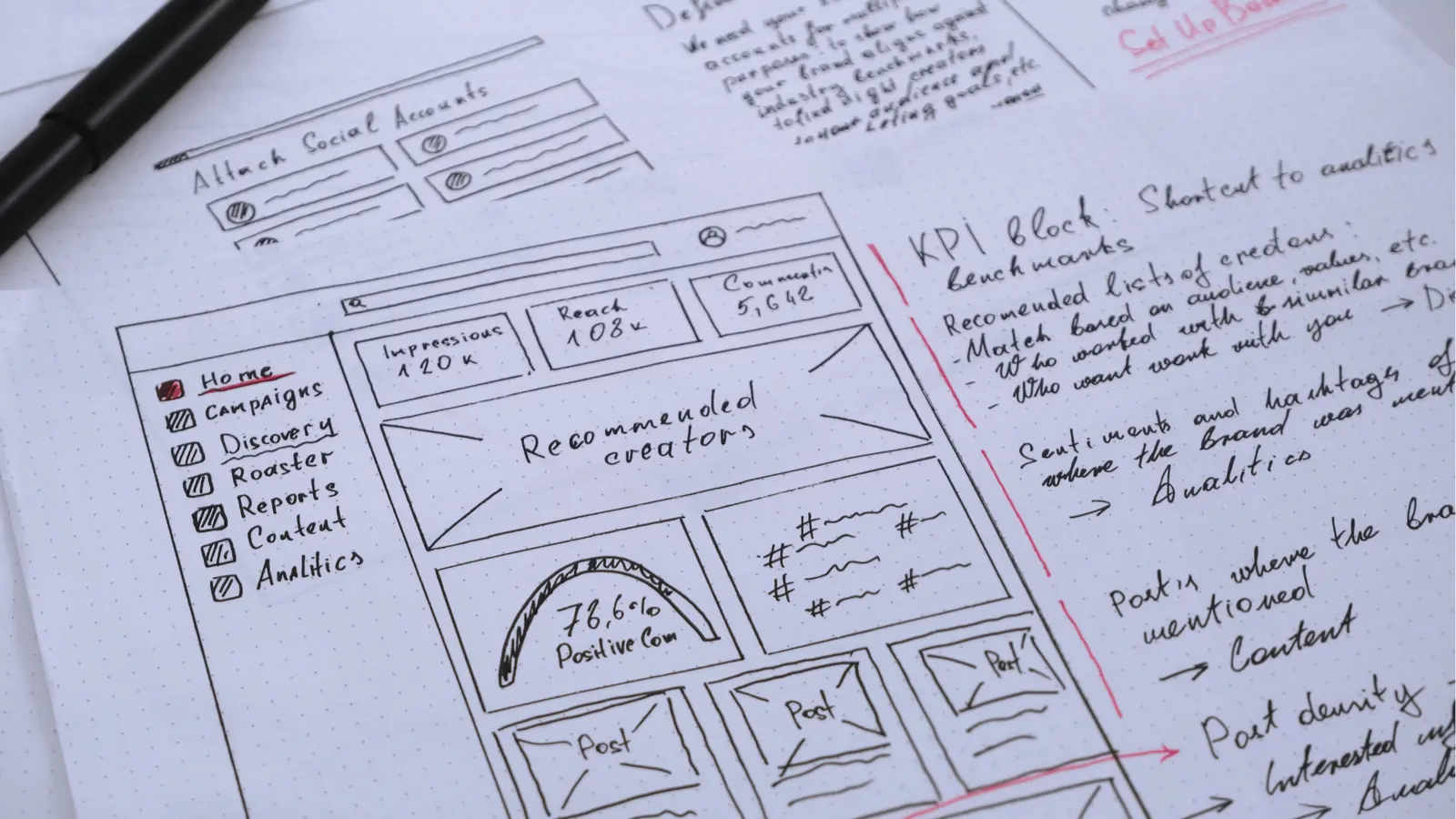
If you do not measure the right things, you will optimize the wrong things. The obvious metrics are useful but incomplete: engagement lift is great, but you also need throughput and cycle time to understand operational scaling. Track three core families of metrics: speed (time-to-variant and variants-per-week), cost (cost-per-variant and reviewer-hours), and outcomes (engagement lift, CTR-to-conversion, and local retention signals). Define each metric simply and consistently across markets so you can compare London to Mumbai without guessing. For example, time-to-variant is the elapsed minutes from finalizing the core to publishing the local variant; cost-per-variant bundles tooling costs, human review time, and any localization services. Those two numbers tell you whether the workflow is actually lower cost and faster.
A/B testing is where good measurement turns into better decisions. Keep tests tight and clear: pick one variable to swap per experiment (captions, VO, or music), run the localized variant against the core-with-generic-captions in the same market, and limit the test window to the early traffic period for that post. Use consistent tagging and UTM parameters so attribution does not drift across markets. Important practical tips: run sequential pilot tests in priority markets first, treat markets with small audiences as exploratory rather than conclusive, and use pooled results across similar markets when signal is thin. The aim is actionable evidence: which swap improves watch-through, which increases CTR, and which drives conversions after ad spend. Mydrop-style reporting that ties asset IDs to variants and to campaign tags makes these comparisons quick and auditable.
Operationalize the measurement into decision rules and governance so data drives scale. Set a weekly cadence where ops reports throughput and a biweekly review where product, legal, and regional leads see the lift per market. Convert wins into rules: if a localized variant beats the control by a predetermined relative lift and the difference holds across two posting windows, promote that swap into the template library. Track cost-per-variant alongside lift so leaders can decide if a 15% engagement gain justifies heavier localization. Also measure reviewer bottlenecks: if local QA is the slow step, consider expanding a small pool of shared reviewers or improving the checklist so fewer rounds are needed. Reward faster validated wins: publish a short scoreboard that highlights markets where Core + Swap produced a clear win that month.
Finally, accept tradeoffs and plan for them. Fast tests favor speed over perfect linguistic fidelity; some markets will need deeper localization and a human translator for claims-heavy content. Expect diminishing returns: after two rounds of iteration, the biggest gains are usually captured. Use measurement to spot those plateaus and redeploy resources to higher-impact campaigns. When everything is wired-asset IDs, variant tags, UTM links, and a simple scorecard-teams stop arguing about anecdotes and start scaling the Core + Swap playbook with confidence.
Make the change stick across teams

Getting Core + Swap to survive beyond a pilot is mostly an operations problem, not a creative one. The creative team can crank out a brilliant core clip, but if local reviewers, legal, and ops are all using different naming schemes, approval tools, or export settings, variants become a mess. Start by codifying the smallest possible operational rule set that everyone must follow: a single source filename convention, one place to find the canonical export, and a four-step brief for each market swap. That simple scaffolding prevents version drift and stops the legal reviewer from getting buried in dozens of orphaned files. This is the part people underestimate: you are building plumbing that protects creative speed and brand safety at the same time.
Tradeoffs are real. Tight governance reduces mistakes but slows markets. Too much local freedom speeds delivery but fragments voice. The practical compromise is a living rulebook plus a fast escalation path. Make governance light-touch: require local reviewers to sign off only on copy, CTAs, and compliance flags, not on cuts or pacing. Give legal a small, repeatable checklist for claims and required disclosures, and set a 24- to 48-hour SLA for that review on prioritized campaigns. Assign an operations coordinator as the gatekeeper who enforces naming, runs batch exports, and tracks approvals. This coordinator is not a bottle neck; they are the release engineer for short-form social. For enterprise teams using Mydrop, embed the checklist and variant templates where teams already operate so the ops coordinator can see approvals, asset history, and variant performance in one place.
Here is where teams usually get stuck: training, incentives, and habit change. People will revert to old workflows unless the new one is easier and demonstrably faster. Run a short pilot that includes a real launch - not a lab test - and measure three things: time to publish per market, number of legal rework items, and engagement lift by market. Use that pilot to train local reviewers with two quick workshops and a one-page cheat sheet. A simple rule helps: if a market change is purely linguistic or CTA-related, treat it as a swap and never re-request the core creative. If it touches product claims, packaging, or pricing, escalate to brand. To kickstart adoption, try this three-step rollout plan:
- Create one Core + Swap template in your CMS or Mydrop with filename rules, brief fields, and approval checkpoints.
- Run one production week where four hero reels are turned into five market variants, time each step, and document blockers.
- Publish a one-page scorecard after the week and hold a 30-minute retro with creative, local reviewers, legal, and ops to lock in improvements.
Measurement and rewards matter for cultural change. Scorecards should be simple and public: throughput (variants/week), average time-to-publish, percentage of variants that pass legal without edits, and one engagement metric like relative watch-through or CTR. Publish the scorecard weekly in the same channel where teams work - a Slack channel, a Mydrop project feed, or a shared dashboard - and call out wins with specific names: "Brazil team reduced time-to-publish from 18 hours to 6 hours for three variants." Small, visible wins do more to change behavior than top-down mandates. Tie a quarterly incentive or recognition to validated experiments that reduced time or improved a market's ROI. That encourages local teams to treat swaps as testable, accountable assets rather than one-off favors.
Governance needs an escalation path that people trust. When a disagreement hits - local team wants a stronger claim, legal wants softer language, creative objects - have a documented route: local reviewer notes the conflict in the variant brief, the ops coordinator flags it, legal posts a decision and the rationale, and if needed a brand owner resolves final voice tradeoffs within 48 hours. Keep the record; disputes teach policy. If the same legal issue recurs across markets, update the template and push that change live. This reduces repeated friction and locks learning into the system. For agencies managing multiple brands, mirror this with a client-facing escalation lane so brand owners can resolve quickly without emailing ten stakeholders.
Finally, protect the thing that actually moves the needle: fast, frequent releases. Make weekly production cycles the default for hero content. Use automation for batch exports, caption burns, and metadata population, but keep human QA for idioms, legal nuance, and culturally sensitive imagery. When automations find repeated exceptions, feed those edge cases back into the template - either as new checklist items or as guardrails in the automation itself. Mydrop can help here by storing templates, managing approvals, and providing asset-level audit trails so every swap and approval is traceable. That traceability is crucial for audits, brand reviews, and for onboarding new reviewers without a long apprenticeship.
Conclusion
Change sticks when the process is easier than the old one and when the team sees the wins. Use Core + Swap not as a slogan but as a set of small, enforceable habits: one filename, one brief, one approval flow, and measurable outcomes. Run a focused pilot, make the governance light but predictable, and bake the playbook into the tools your teams already use so swapping variants is a no-brainer.
If the goal is five markets without hiring translators, aim for predictable, repeatable swaps and a single human QA pass that catches real issues. Start small, document ruthlessly, measure weekly, and reward the behaviors that reduce time and increase validated reach. Do that and your team will be delivering five culturally appropriate variants at a fraction of the cost and time, with governance and visibility that keeps leadership confident.