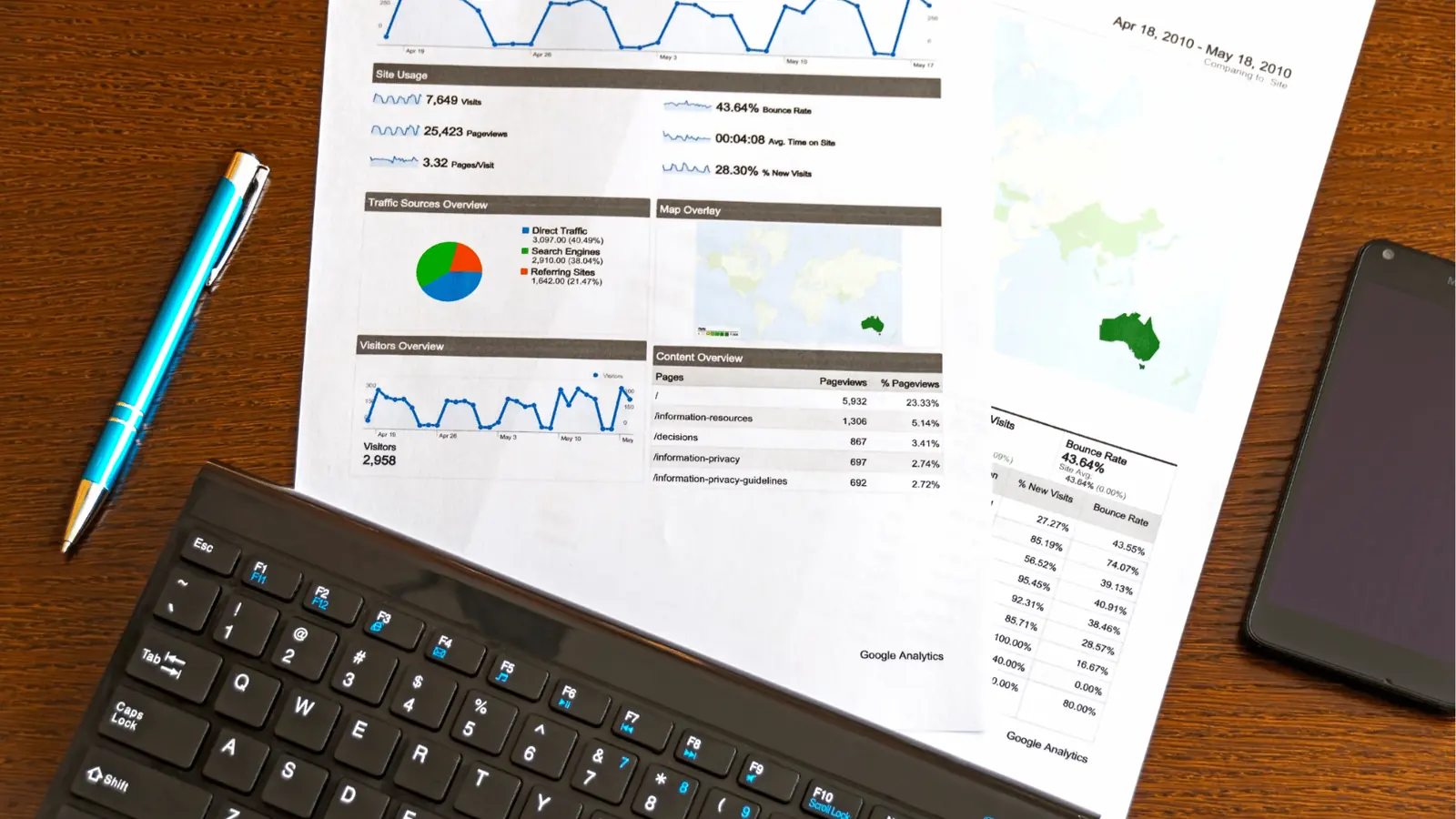
Scaling global social output isn't a headcount problem; it is an architecture problem. Companies stop drowning in manual localization the moment they stop treating regional calendars as independent projects and start treating them as template-driven variations of a single core strategy. If you are hiring more staff to manually shift post times across markets, you are scaling the friction, not the impact.
TLDR: Stop rebuilding calendars for every timezone. Deploy one "Global Master" template that regional teams inherit, adapt, and schedule, cutting your administrative overhead by over 70%.
That quiet dread at 3 AM-when you realize a campaign meant for the London office just went live while your LA team is still asleep-is the hallmark of a broken process. You aren't failing because your team is slow; you are failing because your process forces them to act like human clocks. True relief comes from knowing your brand voice remains consistent even when the operating window changes. Consistency lives in the template, not in the manual effort of a tired manager.
Here is how you shift from reactive to proactive:
- Centralize the strategy: Lock the Master Template once, not ten times.
- Localize the edge: Only tweak copy or imagery specific to the market.
- Sync the time: Let the platform handle the shift, not your spreadsheet.
The real problem hiding under the surface

Most teams underestimate the "copy-paste tax." When you ask a regional social manager to "localize" a global campaign, you aren't just asking them to translate text. You are asking them to reconstruct a post from memory, cross-reference the global calendar, check for asset updates, and manually input the metadata for their specific timezone. Multiply this by ten markets and fifty posts a month, and you have built a massive, hidden administrative burden that effectively kills your team’s ability to do actual creative work.
The real issue: Manual duplication creates coordination debt. Every time a regional team recreates a post, they introduce a new potential point of failure: broken links, wrong hashtags, or-most commonly-a misunderstood publishing window.
This is where the "Local Trap" tightens. The belief that localization requires a unique, bespoke calendar for every market is the primary friction point that ensures your global brand strategy is always out of sync. You end up with ten versions of the truth, and the moment a global brand guideline changes, the effort required to retroactively update those ten calendars is so high that most teams just give up. The quality drops, compliance risk spikes, and your "global" presence starts to look like a fragmented mess of disconnected local accounts.
When you see a marketing team struggling to scale, you usually find a mountain of disconnected spreadsheets, overlapping email threads, and regional managers spending 40 percent of their week just "managing the schedule." They aren't content creators; they are manual data-entry clerks for the global brand.
Operator rule: If you are managing your global social calendar in a tool that doesn't natively understand timezones as a primary object, you are not managing a strategy; you are managing a crisis.
When you move your production into a workspace that anchors content to a Master Template, the entire dynamic changes. You stop asking "Did the Brazil team get the update?" and start trusting that the update is already baked into the template they applied. The goal is to reach a state of Global-First Efficiency, where the only thing that changes between a Tokyo post and a Toronto post is the timing and the localized nuance, not the structural integrity of the campaign itself.
| Phase | Old Way (Manual Duplication) | Better Way (Template-Driven) |
|---|---|---|
| Strategy | Regional teams plan independently. | Global team locks the Master Template. |
| Assets | Files copied to regional folders. | Gallery-linked assets synced to workspace. |
| Scheduling | Individual manual entry per market. | Apply Template > Shift Timezone > Publish. |
| Feedback | Split across email/Slack/etc. | Centralized in Mydrop workspace threads. |
Why the old way breaks once volume rises

The "copy-paste" tax is a silent killer in marketing operations. When you start with one market, duplicating content for a second feels trivial. By the time you reach five, ten, or twenty, the process isn't just slow-it's a massive, fragile web of potential errors. Every manual adjustment is a point of failure where a brand voice slips, a compliance guideline gets ignored, or a campaign goes live at a time when your audience is long asleep.
Most teams underestimate: The sheer cognitive load of holding the state of ten different regional calendars in one brain. You aren't just managing content; you are managing a constant stream of status updates, timezone offsets, and localized asset versions that never stop shifting.
At this scale, the "old way" of managing regional calendars as independent projects forces your best people to spend their day on clerical tasks instead of strategy. You are paying senior talent to be human sync-engines. The result isn't just burnout; it's a fractured brand identity that varies wildly by region simply because the team in Paris didn't have the context-or the time-to match the vision defined by the team in New York.
| Phase | Old Way (Manual Duplication) | Better Way (Template-Driven) |
|---|---|---|
| Strategy | Regional teams plan independently. | Global team locks the Master Template. |
| Assets | Files copied to regional folders. | Gallery-linked assets synced to workspace. |
| Scheduling | Individual manual entry per market. | Apply Template > Shift Timezone > Publish. |
| Feedback | Split across email/Slack/etc. | Centralized in Mydrop workspace threads. |
When communication happens over email or fragmented chat tools, the version control on your creative assets becomes a guessing game. "Did we use the final edit for the Tokyo launch?" is the kind of question that keeps leaders up at night. The reality is that coordination debt-not a lack of creative ideas-is the primary reason global social output plateaus.
The simpler operating model

Scaling global social output isn't about hiring more people to manage calendars; it's about shifting to a "Template the core, localize the edge" architecture. The most efficient teams treat the global strategy as a product. They design a set of core publishing patterns-your Master Templates-that encapsulate the brand's voice and required quality standards. Regional teams then act as owners of those templates, adapting them to specific market nuances rather than building from zero every single week.
Consistency lives in the template, not the manual effort.
This is where timezone-aware workspaces become your most valuable asset. Instead of fighting against the clock, you organize by operational reality. By using dedicated workspaces for different markets or brands, you keep the scheduling and feedback loops geographically relevant. When a team in Singapore opens their Mydrop workspace, they see a calendar that is already aligned to their local time and populated with the approved, global-first campaign structures.
- Define the Master: The global team builds the recurring campaign structure.
- Standardize Assets: Use gallery services to ensure every region pulls from the same source of truth.
- Template Application: Regional owners import the template into their local workspace.
- Contextual Adaptation: Teams swap copy, adjust for local holidays, and hit send.
- Feedback Loop: Any discussion or approval happens right inside the post's thread, keeping the context attached to the content.
Operator rule: If you are still building a calendar by selecting a date and time manually for every single post across every region, you are not scaling; you are just working harder.
This model turns your regional leads from "scheduling clerks" into "market strategists." They spend 10% of their time on the mechanics of publishing and 90% on optimizing how that global content lands locally. It turns the entire organization into a synchronized engine that can spin up a new market presence in days, not months. The moment you stop treating regional calendars as independent projects is the moment you stop paying the "copy-paste" tax and start moving at the speed of your brand, not the speed of your inbox.
Automating the busywork is where the shift from "struggling" to "scaling" actually happens. Most teams get trapped by the idea that AI and automation are for creative generation, but in an enterprise setting, they are far more valuable for coordination and compliance. The real friction isn't writing a post; it is the time lost moving assets, ensuring the right brand compliance for a specific region, and verifying that the final output matches the master calendar.
TLDR: Automation should handle the "plumbing" of your global content-timezone adjustments, asset distribution, and calendar sync-so your humans only touch the high-value strategic adaptations.
When you use templates to standardize your publishing patterns, you are essentially creating a repeatable "source code" for your social presence. You are no longer building from scratch; you are applying a proven, brand-safe structure and then letting the platform handle the heavy lifting of shifting that structure across different timezones. This is the difference between manual labor and system architecture.
Common mistake: Treating "content automation" as a prompt-writing exercise. The biggest time-sink in global marketing is not creation, but the operational fatigue of manually updating post times and asset links for six different markets.
The real win here is utilizing a tool that connects your design workflow directly to your calendar. Instead of downloading a file, renaming it, and uploading it to a new region-specific folder, your workflow should be: Design Export (Gallery) -> Apply Master Template -> Shift Timezone -> Publish. This keeps the assets linked and eliminates the constant re-uploading and re-formatting that leads to the inevitable "version mismatch" error.
By centralizing the workspace, you also keep your conversations right next to the work. When a regional manager needs to flag a cultural nuance in a post, they don't have to break the flow by jumping to an external chat tool. They can discuss it directly within the Mydrop workspace, keeping the context, feedback, and final sign-off audit trail all in one place.
Operator rule: If a task requires you to copy and paste something from a spreadsheet or a Slack message into your social tool, you have not automated the workflow; you have just moved the bottleneck.
The metrics that prove the system is working
If you are wondering whether this architectural shift is actually paying off, look beyond vanity metrics like "likes." You want to track the efficiency of your operational loop. A successful system doesn't just create more noise; it creates more consistency with significantly less internal friction.
KPI box:
- Scheduling Velocity: Time taken from Master Template approval to regional deployment.
- Revision Rate: Number of post edits made after initial scheduling due to time-zone errors or asset mismatch.
- Governance Score: Percentage of global posts that pass regional compliance checks on the first pass.
You should aim for a measurable decrease in your "scheduling tax"-that invisible cost of managing dozens of accounts manually. If your team is spending more than 20% of their time on manual calendar adjustments, you are losing money on coordination debt.
Progress checklist: Global Launch Readiness
- Master templates defined for core campaign types (e.g., product launch, weekly update).
- Workspace timezones audited and synced to regional lead requirements.
- Asset gallery linked directly to the content production workflow.
- Regional feedback loops moved into post-level workspace threads.
- Approval flow standardized to prevent last-minute regional content drift.
Remember, most teams do not have a content problem. They have a decision bottleneck. By using a system that mandates a clear, template-driven path, you stop the constant "Is this the right version?" debate and start letting your teams focus on the creative nuance that actually moves the needle in their local markets. Consistency lives in the template, not in the manual effort.
The operating habit that makes the change stick

The biggest danger in shifting to a template-driven model isn't the technology-it is the human tendency to "tinker" with every post. You move to a centralized master template, only for regional managers to spend two hours editing colors or re-writing captions because they feel the content lacks "local flavor."
The fix is simple: you must define what is sacred and what is flexible before a single asset hits the gallery. If you allow the brand voice to be negotiated at the regional level, you are not saving time; you are just creating a new, decentralized approval bottleneck.
Operator rule: The Global Master Template is non-negotiable on brand guardrails, voice, and visual core. Regional adaptation is strictly limited to timezone-sensitive timing, language localization, and market-specific cultural references. If it doesn't fit that box, it doesn't change.
The real trick is moving the conversation about these changes inside your workspace. Stop the email chains where regional managers send "suggestion" docs to global marketing. Instead, use threads directly on the post preview. When a change is suggested in the draft, the global team sees it, validates the compliance risk instantly, and either greenlights or pivots in seconds. This keeps the creative context-and the decision audit trail-locked to the asset.
If you want to move from chaos to control this week, start with these three steps:
- Audit your top three recurring campaign types. Stop looking at the "one-offs" and identify the content you produce every single month.
- Standardize the skeleton. Build these into your calendar as master templates, with all brand assets and core copy pre-loaded.
- Formalize the "Local Edge" limit. Meet with your regional leads to confirm exactly which fields they are empowered to edit. Document this. Then, enforce it by locking the rest of the template.
Quick win: Stop the 3 AM post-scheduling panic. By adopting a workspace with integrated timezone settings, you stop managing UTC as a mental math problem. When your US team sets a template for a 9 AM EST launch, and the Sydney team applies it, the platform handles the shift. You get to sleep while the content goes live exactly when it should.
Conclusion

Scaling social media across global markets is not about hiring more people to manage the clock. It is about architectural discipline. When you stop treating every timezone as a unique creative challenge and start treating them as variations of a single, well-structured master template, the friction disappears. You replace the "copy-paste" tax with a repeatable engine that keeps your brand consistent regardless of the map.
Consistency lives in the workflow, not in the manual effort. The truth is that your brand voice will only ever be as strong as your weakest process. Mydrop provides the workspace structure and template-driven logic that allows teams to stop fighting the calendar and start focusing on the strategy.