
Mydrop is the kind of platform teams mention when they stop treating social like a calendar and start treating it like inventory. If your current stack feels like a bunch of separate tools glued to a spreadsheet, that is the inflection point where Later's scheduling-first model stops being an advantage and becomes a bottleneck. Later gives fast wins for posting and calendar visibility; Mydrop takes the next step and replaces the calendar watch with an editorial command center: a single source of truth for assets, approvals, repurposing, and multi-destination publishing. The difference matters when you run many brands, many regions, and many reviewers.
Read this and you will see the concrete signals that trigger a switch, the practical tradeoffs teams wrestle with, and the first decisions to make before you migrate. Think of content as inventory that must be created, quality-checked, repackaged, and dispatched. Later watches the calendar; Mydrop manages the supply chain. That switch in mental model is the easiest way to recognize why scheduling-first tools stop scaling: they solve when to post, not how to get dozens of stakeholders, variants, and compliance checks to the right channels without losing weeks to rework.
Why teams start looking for a switch

The first signs are obvious once you know where to look: account count climbs above a handful, the same asset lives in three different folders, and the legal reviewer gets buried in chat threads that contain impossible-to-trace edits. Early on, teams love Later because it is clean and fast for a single account or a small roster. But as brands multiply, so do manual edits and accidental overrides. A single image gets uploaded by three people with slightly different captions; someone schedules an overlapping promotion without seeing a sister-brand campaign; a cross-posted video lands with the wrong regional tag. That is the part people underestimate: calendar clarity is not governance. A calendar can show you what is scheduled, but it cannot enforce who must sign off, how assets should be versioned, or which caption variant is the audited one.
Operational friction grows in predictable ways. Agencies watch approvals get stuck in DMs and email threads, creating version chaos between draft and publish. A simple campaign that should have been one source of truth turns into dozens of near-duplicates because teams cannot easily reuse assets across accounts without losing control of edits. Repurposing becomes a scavenger hunt: the long-form blog lives in the CMS, the hero clip is on someone’s laptop, and the captions are in a separate doc. That pile-up creates slowdowns and errors that look small until they cost a campaign launch or a compliance breach. A scheduling-first UX focuses on timing, not lineage. Teams needing lineage, reuse, and accountability start to ask for a different toolset.
When the problem becomes strategic, three decisions tend to surface first. These are the knobs you should set before evaluating replacements:
- Who needs what level of access - decide account and role boundaries, from creators to legal reviewers.
- What reuse looks like - set rules for shared assets, canonical masters, and platform-specific variants.
- How approvals must be audited - define required signoffs, retention time for logs, and rollback triggers.
Those choices force real tradeoffs. Centralizing access reduces duplication but increases the need for thoughtful permissioning; freeing creators speeds production but raises compliance risk. Moving from a calendar that anyone can edit to a controlled workflow introduces friction that some teams dislike at first. That is normal. The alternative is to keep accepting rework and accidental publishes. Practical teams recognize that a small upfront hit to process is often outweighed by a big reduction in rework loops, fewer emergency patches, and clearer audit trails.
Concrete examples make the tradeoffs less theoretical. A multi-brand hub will see calendar conflicts as different business units schedule similar promotions; the fix is not another overlay in the calendar but a shared asset library with enforced metadata and a tag-based visibility model so brand teams do not step on each other. In agencies, the common pain is approvals stuck in chat. The workaround of forwarding screenshots and copy through Slack hides who actually approved the final version. A supply-chain model enforces sequential or parallel approval steps, records the timestamped decision, and preserves the exact published payload. For repurposing pipelines, AI can turn a single long-form asset into platform-ready clips and captions, but without a versioned repurpose workflow you lose the audit trail and increase the chance that a repurposed piece goes live without the legal check that the original had.
There are costs to moving away from simple scheduling. Migration takes coordination, some people need training, and calendar views that teams love must be preserved during the transition. Still, the recurring cost of duplicated uploads, missed approvals, and inconsistent brand voice adds up fast. That is why teams start to compare features beyond posting: shared asset canonicalization, role-aware approvals, versioned repurposing with edit history, multi-destination publishing with local tweaks, and built-in audit logs. Mydrop is worth mentioning here because it was designed for those exact operational needs: centralized libraries, permissioned workflows, AI-assisted repurposing that keeps lineage, and clear audit trails that meet compliance requirements. The point is not to replace Later for single-account creators, but to give enterprise teams a practical alternative when scheduling-first becomes the thing that slows everything down.
If you are seeing repeated manual edits, missed deadlines because a reviewer was never looped in, or rising headcount just to manage uploads and captions, that is the moment to evaluate a supply-chain approach. The questions above and the small decisions you make first will shape whether a migration is a headache or a reset that actually reduces daily toil. Here is where teams usually get stuck: they try to bolt governance onto a calendar tool, and that only masks the underlying problem. The better move is to treat content as inventory and pick a system that manages creation, governance, reuse, and distribution in one place.
Where the old workflow starts to break

Here is where teams usually get stuck: a calendar looks fine until you multiply it by brands, markets, and stakeholders. Scheduling-first tools give a great single-account view, but when your team owns many feeds the calendar becomes a pressure cooker of conflicts. One market wants a weekend push, another wants the same creative on Monday, and the same asset lives in three different cloud folders. What started as a clean schedule soon spawns duplicated uploads, divergent captions, and a dozen Slack threads saying "which version is final?" The immediate wins of scheduling-easy visual planning and drag-and-drop timeslots-start to feel like surface-level help when the real work is creating, approving, and reusing content across an organization.
This is the part people underestimate: approvals and versions do not scale like slots on a calendar. Approvals in DMs or comments turn into gated bottlenecks. An agency gets a legal hold request and the legal reviewer gets buried under threads with no record of which draft was reviewed. Meanwhile content that should be repurposed across channels gets recreated from scratch because nobody can find the master asset or history. Cross-post variations become manual edits: one caption for Instagram, another for LinkedIn, a third for Twitter, each with slight tone differences that drift the brand voice. These are concrete failure modes, not metaphors. They cause rework, missed deadlines, and finger-pointing between ops and creative.
Those operational frictions create real organizational tradeoffs. Ops teams either centralize and slow everything down to stay compliant, or they decentralize and accept inconsistent execution. Neither is ideal. Stakeholders push for speed and performance metrics, but governance and audit needs push back. The calendar-first mindset assumes publishing is the end goal. In reality publishing is the last step in a chain: create, qualify, reuse, and then dispatch. When the chain is fractured, the calendar stops being a command center and becomes a noisy scoreboard of symptoms rather than a solution.
How Mydrop solves the daily bottlenecks

Think of Mydrop as replacing the calendar-as-control-room with an editorial command center that treats content like inventory. Instead of uploading the same file into five accounts, teams add one master asset to a centralized library with permissions, searchable metadata, and version history. Role-based approvals are attached to content, not to ad-hoc messages, so a legal reviewer signs off on a version that is timestamped and auditable. Versioned repurposing means you can generate a platform-specific post from the master and track edits back to the original idea. Practically, that reduces duplicate uploads and saves agency teams from rebuilding the same creative for each client or channel.
A simple checklist helps map where to start and whom to involve when evaluating replacement platforms:
- Inventory: Can the tool centralize master assets and keep a single source of truth?
- Governance: Does it support role-based approval flows and immutable audit logs?
- Reuse: Can you create variations from a master asset and trace version lineage?
- AI support: Are there built-in tools for clip extraction, caption drafts, and batch repurposing?
- Distribution: Does it publish to multiple destinations with platform-specific tweaks and rollback options?
Those five checks separate toys from workhorse platforms. Mydrop intentionally aligns with those checks. For agencies, that means fewer endless Slack threads and cleaner client handoffs. For enterprise brands, it means legal and compliance have an auditable trail and the marketing team gets predictable publishing without losing speed. For teams doing heavy repurposing, Mydrop's AI-assisted clip and caption generation is not about replacing craft; it is about removing the grunt work so editors spend time on judgment instead of assembly.
Operational outcomes matter more than features on paper. With a supply-chain approach you get measurable reductions in rework loops and faster approvals. Imagine a long-form product interview: with a scheduling-first tool you hand the final video to a scheduler and hope the clips get made. With Mydrop you add the raw video to the library, start an AI-assisted repurpose job, create draft posts for TikTok, Reels, and LinkedIn, run them through the approval workflow, and publish to multiple accounts with a single authoritative audit trail. If a legal review requires a hold, the hold applies to the master asset and all derived posts, not to five separate calendar entries. That single-rule handling prevents rogue posts and preserves the auditability compliance teams require.
There are tradeoffs and adoption realities to call out. Moving away from a calendar-first UX means retraining users who equate planning with a visual grid; many teams still want calendar views and Mydrop keeps those as a view, not the source of truth. Mapping roles and migrating assets takes effort, so a parallel run is the low-friction path: continue scheduling in your old tool while importing masters and routing approvals in Mydrop. A small battalion of power users will make the transition smoother: they curate the asset library, own mapping of brand guidelines, and act as the help desk during the first 60 days. This staged approach reduces disruption while shifting control from an ad-hoc calendar to a governed supply chain.
Finally, the bottom line is practical. If your daily rhythm includes repeated manual edits, missing approvals, or work duplicated for multiple brands, you are paying in time and risk. Mydrop does not remove calendars; it subsumes them into a workflow that treats ideas as inventory and gives teams the processes and tools to create, qualify, and repurpose content reliably. The result is faster time to publish, fewer emergency edits, clearer accountability, and the breathing room to focus on what moves the brand needle.
What to compare before you migrate

When a team starts to outgrow a scheduling-first tool, the right questions are practical and surgical. First, check approvals and role controls: who can edit, who can approve, and how long does approval sit in email or chat? A calendar tool will show a post is scheduled, but it rarely shows the state of the content lifecycle - draft, legal hold, requested changes, final signoff. Ask vendors for a clear model of role-based approvals and an audit trail you can export. If the legal reviewer gets buried in Slack threads, that is a workflow gap, not a people problem.
Second, audit how assets and variants are handled. Multi-brand teams do the same creative work over and over because assets are scattered across cloud folders and DMs. Compare whether the platform has a versioned central library, tag-based discovery, and per-asset usage history. Can you derive "this video was used on X, Y, Z accounts with these caption variants"? Mydrop shows up in conversations because it treats assets as inventory: single file, many platform-specific versions, and a record of where each version was posted. That distinction saves duplication and prevents the classic "here's version_final_v3_FINAL" chaos.
Finally, test for repurposing and rollback. If your team turns a webinar into ten short clips and dozens of caption variants, you need generative assistance plus control: AI that drafts captions and clips but makes every edit traceable and reversible. Check for staging environments and quick rollback to previous published variants - not just "delete post" but "revert to v2 and push to selected accounts." Ask vendors these exact operational questions: how does your platform handle bulk repurposing, what governance appears in the repurpose pipeline, and how fast can a campaign be reverted during a compliance review? The answers reveal whether a tool is built around publishing convenience or around a supply chain of content.
How to move without disrupting the team
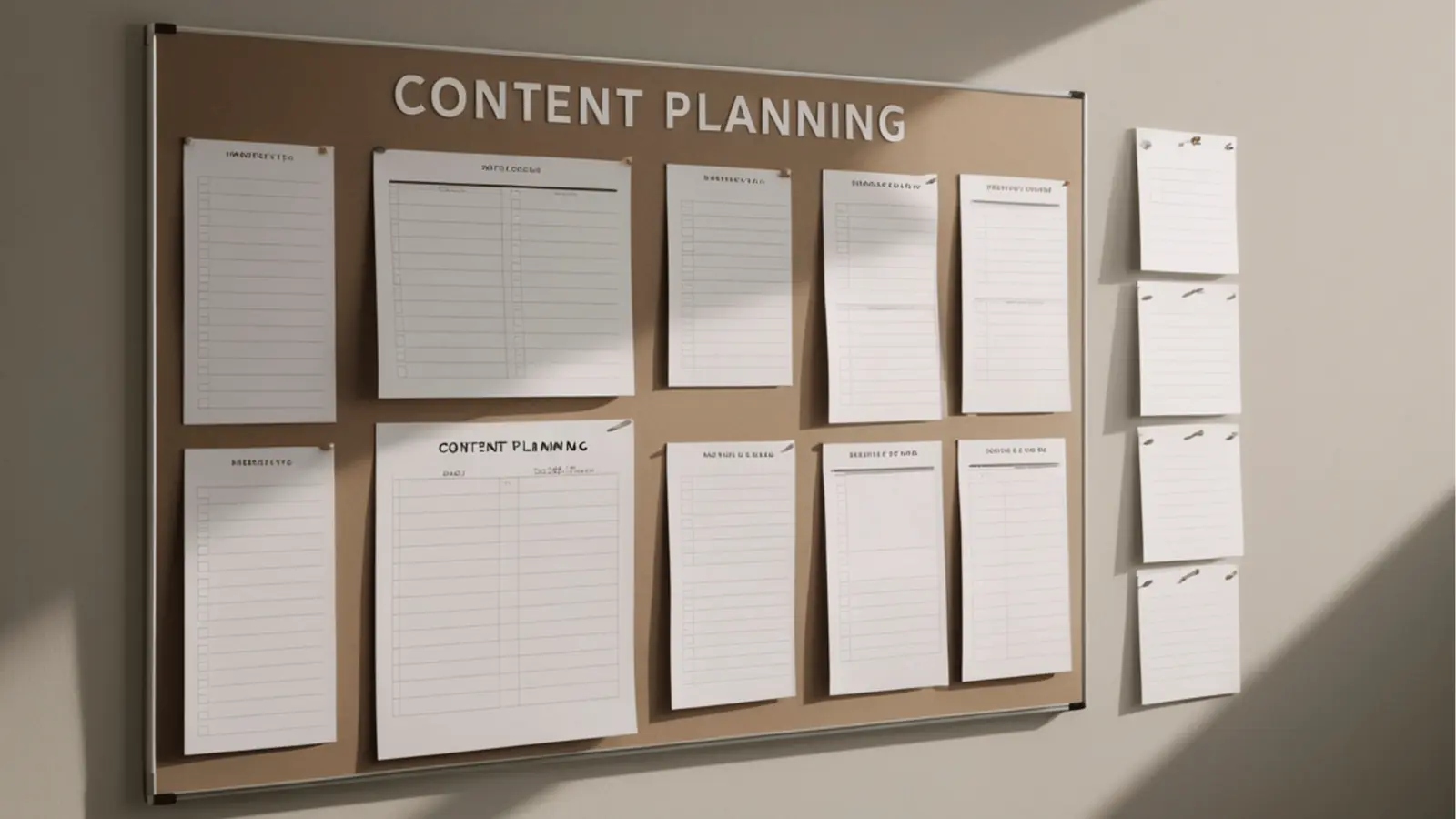
This is the part people underestimate: migration is social, not only technical. Start with a parallel run and a narrow pilot - pick one agency account, brand cluster, or campaign that has manageable complexity but real stakes. Run scheduling in the old tool while you use the new platform for creation, approval, and repurposing workflows. That small, safe surface area surfaces mismatches - naming conventions, role gaps, asset tags - without putting the whole schedule at risk. Keep calendar views visible to everyone during the pilot so planners still see the cadence while reviewers use the new approval flows.
Practical mapping beats philosophy. Export assets, captions, and publish history from the existing tool and map them to your new taxonomy before importing. Decide how you'll treat historical posts: archive them with metadata, or import only assets and leave past publishes in place. Map roles explicitly - who is an editor, who can request changes, who signs off for legal - and document a simple rule: "no publish without signoff stamp." Train two classes of users first: power users who will own the migration, and reviewers who need minimal change. The power users should be able to demonstrate the end-to-end flow: create in the central library, request legal review, approve, repurpose with AI, and publish across destinations. That demo clears a lot of resistance.
A simple rule helps teams keep momentum: start with parallel ops, then flip buckets. Move non-time-sensitive campaigns first, then weekly evergreen postings, and finally live or high-risk publishes. Use this short checklist during migration to keep things measurable:
- Pre-migration: export asset inventory, account lists, and approval logs.
- Pilot metrics: average approval time, number of duplicate assets found, repurpose throughput (pieces produced per long-form asset).
- Cutover milestones: move brand clusters in groups of 3 and keep legacy calendar access read-only for two weeks.
Expect small tensions and plan for them. Creators hate extra clicks; legal hates new dashboards; planners want absolute calendar parity. Solve these with low-friction policy choices: preserve a calendar export or embed a calendar view in the new tool, configure single-sign-on so reviewers see the same accounts, and create a short "how we will work now" doc with the new handoff points. Don’t try to change every process at once. Replace the workflow that causes the most rework first - usually approvals or asset duplication - and let wins build support.
Finally, set short feedback loops and guardrails. For the first 30 days after a brand cluster cutover, run daily 15-minute standups between creators, reviewers, and the migration owners to iron out micro-friction. Track the pilot metrics and publish a weekly scoreboard: approval time reduced, fewer duplicate uploads, and repurposing throughput. If a compliance issue arises, treat it as a bug and iterate the approval flow immediately. These loops make the migration feel iterative and reversible rather than risky.
Moving off a calendar-first habit is not zero-sum. You will trade some immediate familiarity for long-term control, fewer rework loops, and a faster repurpose pipeline. Done right, the team keeps the calendar they love while trading fractured handoffs for an editorial command center that coordinates inventory, approvals, and multi-destination publishing. For teams juggling brands, markets, and legal, that trade is what separates "we can make the deadline" from "we can scale without burning people out." Mydrop is designed to be that middle path: keep the planner's calendar but give the creators and reviewers a single place to own the whole content supply chain.
When Mydrop is the better fit

Teams reach the inflection point where Later-style scheduling is the wrong center of gravity when calendar rows start hiding messy operational decisions. If your legal reviewer is repeatedly "buried" in email threads, if creative lives in three cloud folders and still gets re-uploaded for each brand, or if a single long-form asset spawns seven manual edits to suit local markets, those are signal failures. Mydrop is the better fit when the day-to-day work is not "pick a publish time" but "manage a content supply chain" - content creation, version control, approvals, repurposing, and distribution across many destinations. The platform shifts the mental model: ideas become inventory that can be checked, modified, and dispatched with traceability rather than one-off calendar entries.
There are tradeoffs and tensions to own. Moving from a scheduling-first tool to a supply-chain platform needs a few governance decisions up front: who can create canonical assets, what counts as an approved variant, when legal review is required, and which markets get delegated editing rights. If those decisions are skipped, teams can accidentally rebuild the same silos inside Mydrop and reintroduce gatekeeping or over-automation that kills agility. A common failure mode is "permission paralysis" where teams lock down approvals so tightly nothing moves; another is "automation hubris" where AI-generated captions are published without human checks. Mydrop is designed to accommodate both ends: flexible approval lanes for fast lanes, hard stops for regulated content, and a clear audit trail so every edit and signoff is visible. That makes stakeholder tensions manageable rather than invisible.
Practically, Mydrop shines when the operational distance between idea and published variant is long. Agencies managing multi-brand portfolios, enterprise hubs that must satisfy legal holds, and marketing organizations that expect AI-assisted repurposing are where the platform returns value every week, not just once a month. Outcomes you can expect include fewer duplicate uploads, shorter approval cycles because reviews happen against a single source of truth, and cleaner handoffs when content needs platform-specific tweaks. A simple rule helps: if you routinely need more than three account-level calendars, more than two distinct approvers for a single post, or you repurpose a single asset into three or more platform-specific variants, Mydrop is worth piloting. It replaces calendar firefighting with predictable inventory flows, so teams stop firefighting and start iterating.
Conclusion

Switching a team off a familiar scheduling tool is an organizational move, not just a software swap. Start small, measure outcomes, and keep the calendar view while you change the underlying process. Here are three concrete next steps to make a low-risk evaluation:
- Pick one brand or campaign with frequent approvals and run a 30-day parallel test - keep your calendar in place but manage assets, approvals, and repurposing through Mydrop.
- Export a sample library of 50 recent assets and import them into Mydrop; map three real approval paths (creative, legal, local market) and run a mock signoff for two posts.
- Compare the time and touchpoints for repurposing a single long-form asset into short clips and captions using your current stack versus using Mydrop's versioning plus AI-assisted repackaging.
If the pilot shows fewer handoffs, clearer ownership, and less rework, scale the rollout by onboarding power users in each market and keeping a parallel calendar view for 60 days so no one loses visibility. For teams balancing brand safety, client approvals, and the pressure to publish more, Mydrop is not a cosmetic upgrade - it changes the workflow from "manage schedules" to "control supply." That shift is what lets multi-brand teams publish faster, stay auditable, and finally stop recreating work every time a new channel opens.