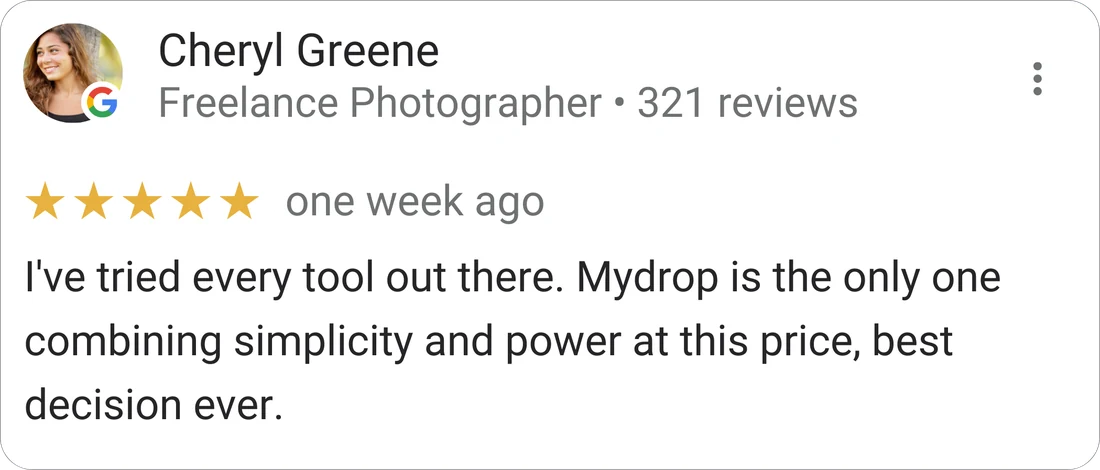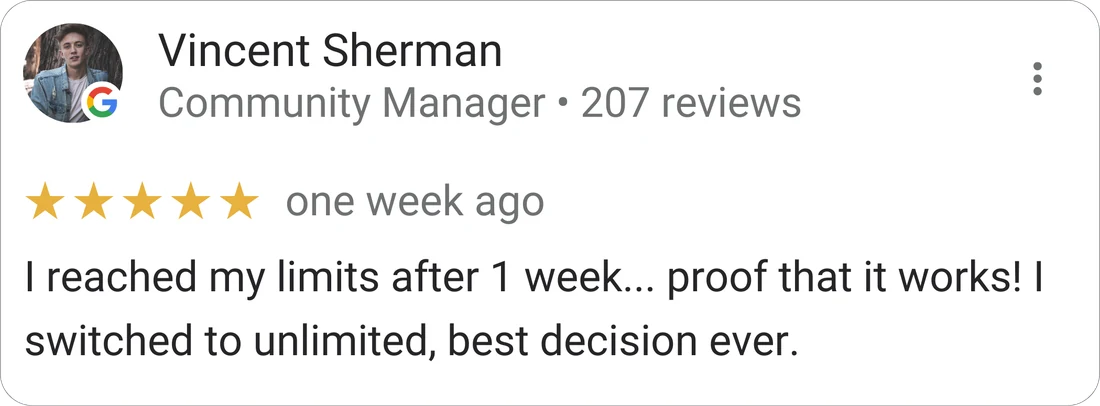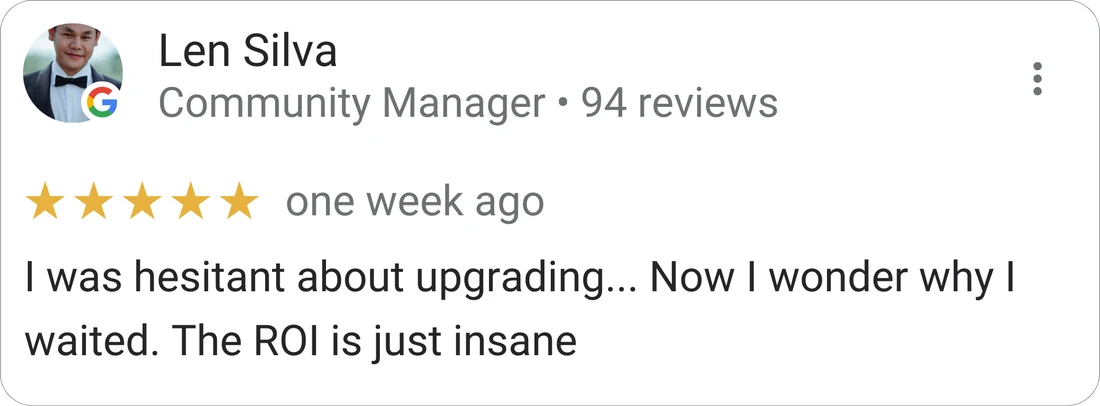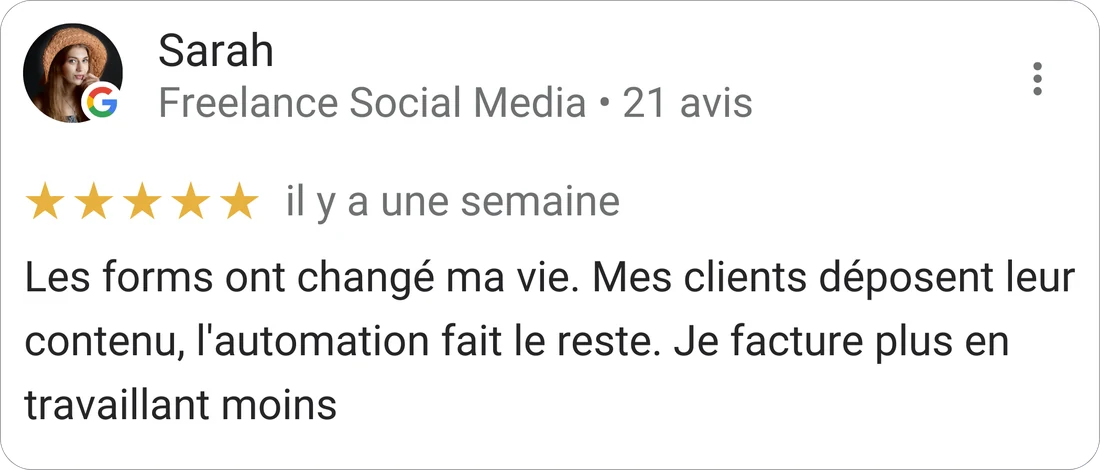

Building a loyal customer base and standing out in a crowded marketplace is not easy. One of the most effective ways to increase trust and conversion is social proof.
If you are not sure how to use social proof in your campaigns, this guide breaks down what to collect, how to present it, and how to scale it across your marketing channels.

What Is Social Proof?
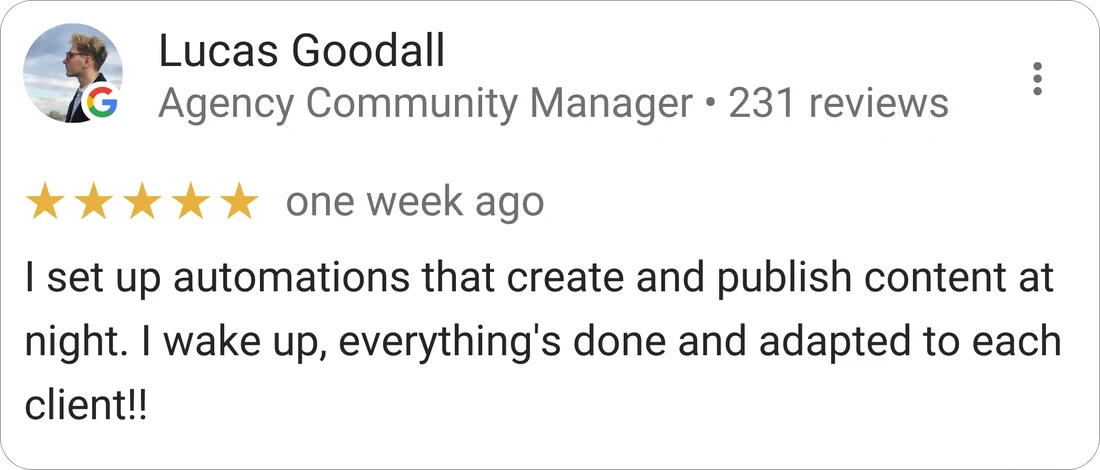
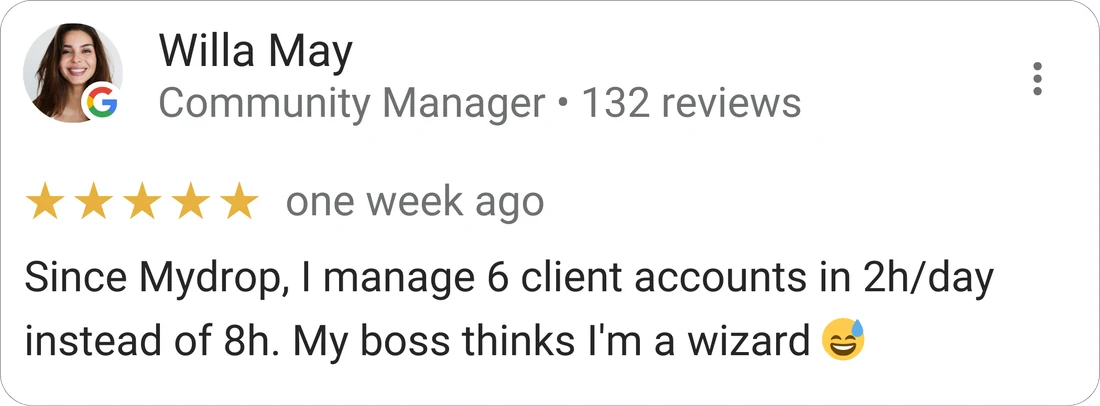
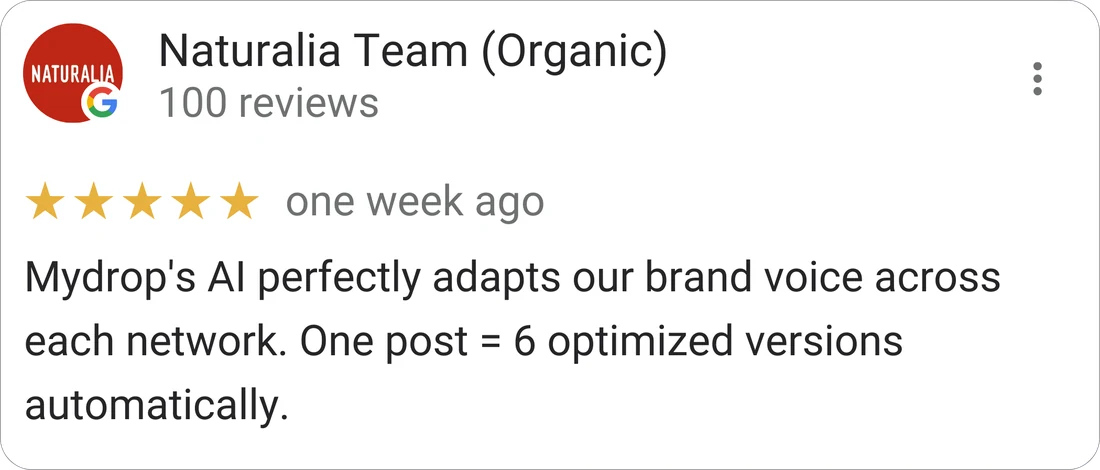
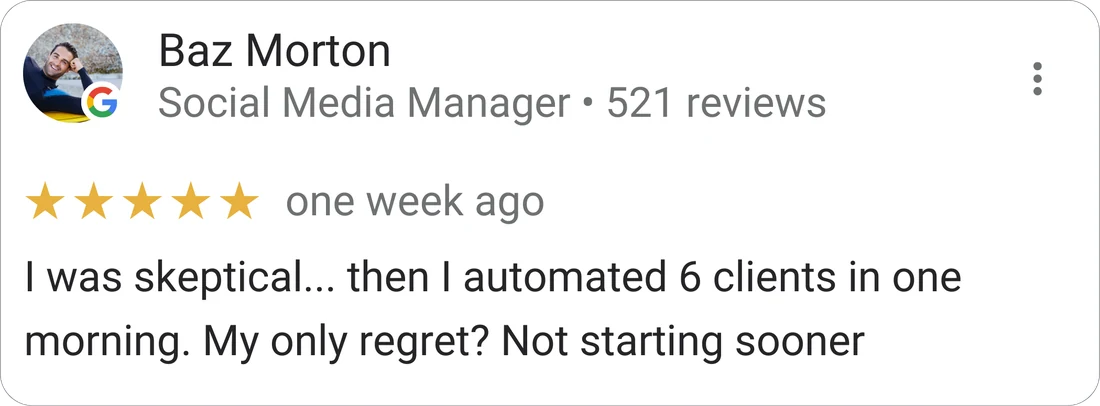
Social proof is the tendency for people to look at other people's behavior before making decisions. In marketing, this includes reviews, testimonials, influencer mentions, user-generated content, and visible signs of customer satisfaction.
When prospects see others trust your brand, perceived risk goes down and purchase confidence goes up.
Why Social Proof Matters
For small business owners, social media managers, community managers, and creators, social proof can improve three core outcomes:
- Trust: New prospects feel safer choosing your offer.
- Engagement: Real customer stories create stronger interaction.
- Sales: Credibility reduces hesitation and improves conversion rate.

Types of Social Proof You Can Use
Customer Reviews and Testimonials
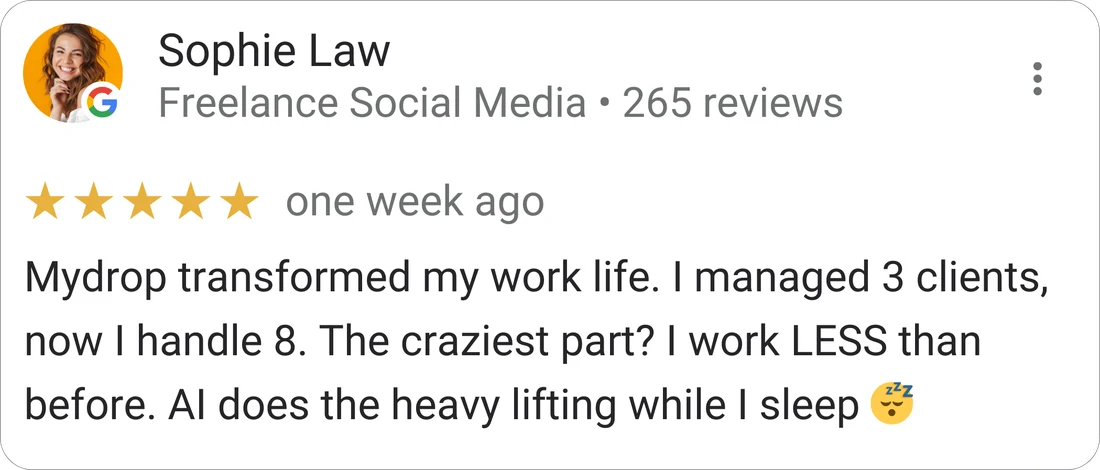
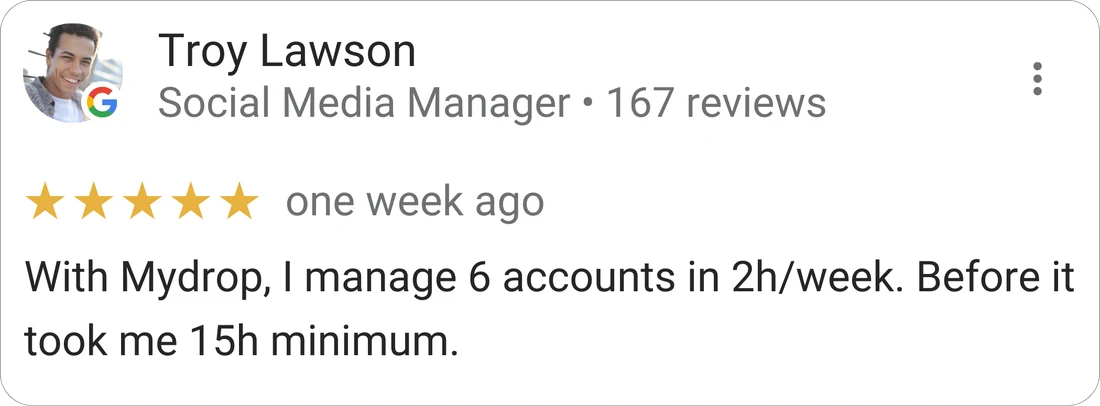
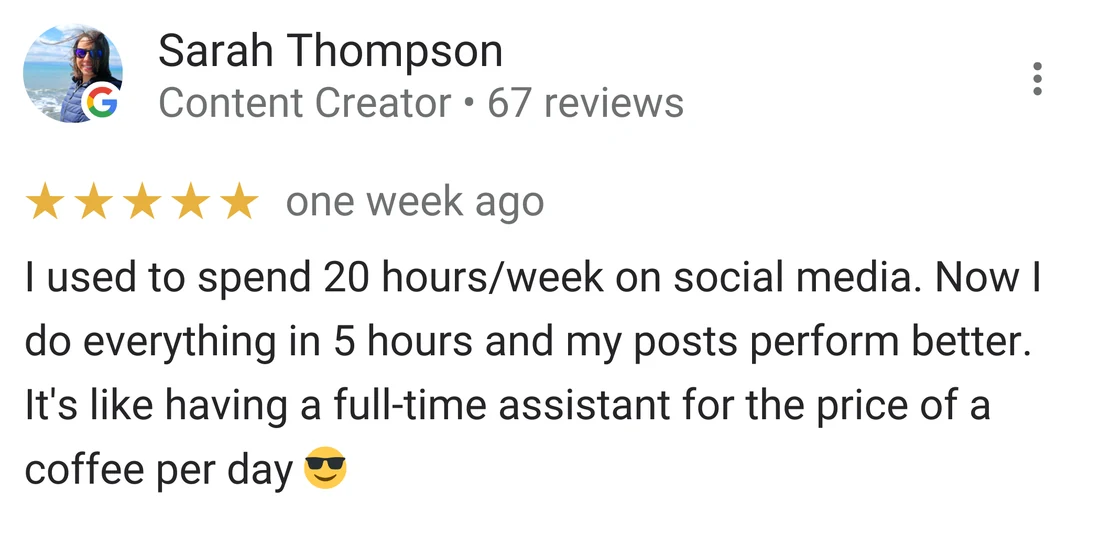
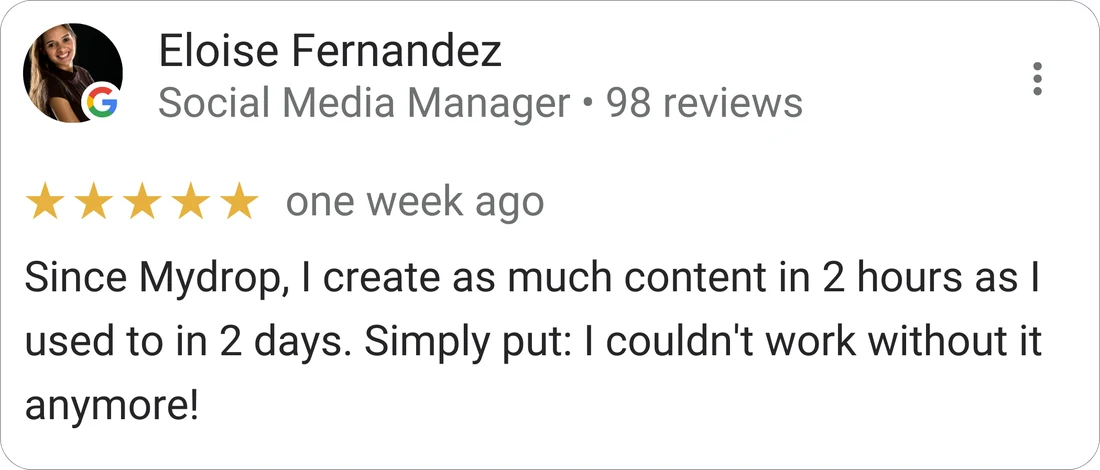
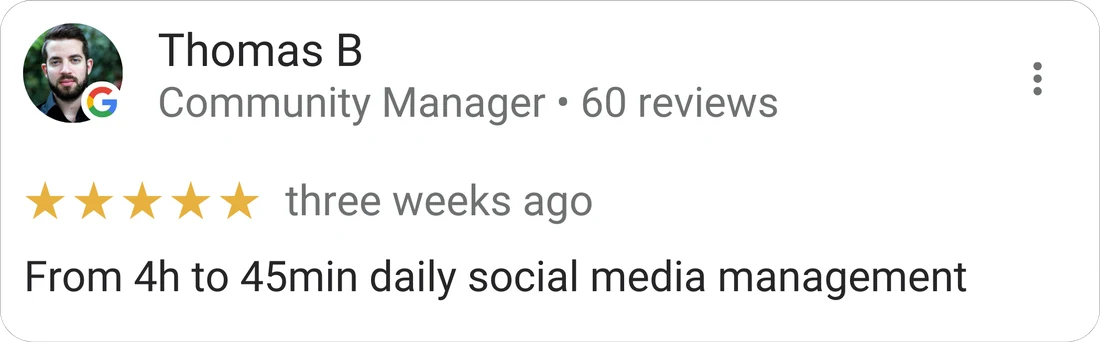
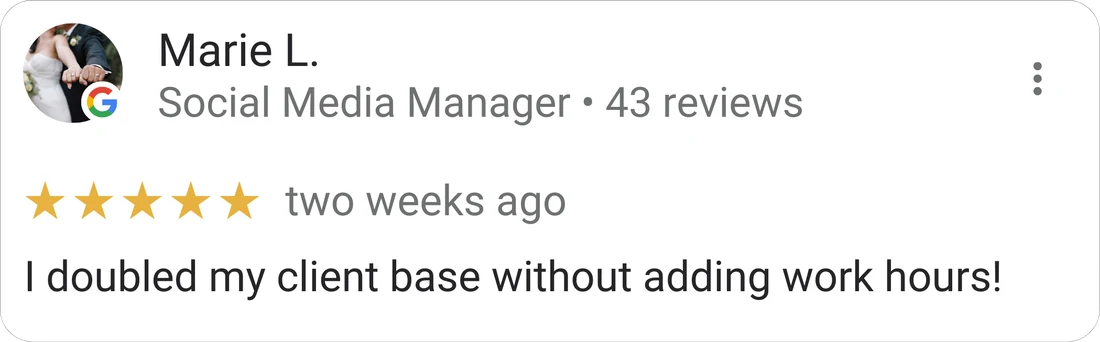
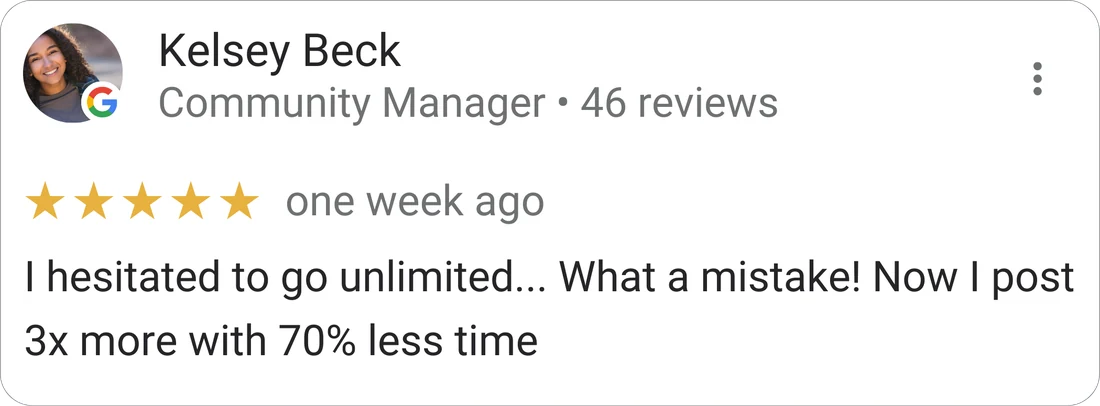
Positive reviews are often the first signal prospects look for. Highlight specific results, not vague praise, to make testimonials more persuasive.
Influencer Endorsements
Influencers can extend reach and transfer trust when there is strong audience alignment. Focus on fit and credibility, not only follower count.
Case Studies
Case studies are high-conviction proof. Show the starting problem, the strategy used, and measurable outcomes.
User-Generated Content
User-generated content is authentic and relatable. It often outperforms polished brand content because it feels more real to the audience.
Social Media Mentions
Mentions and tags show active market conversation around your brand. Re-sharing those mentions reinforces momentum and social validation.

How To Collect and Display Social Proof Effectively
Encourage Reviews and Testimonials
Ask customers for feedback after key milestones. Keep requests simple and direct, then publish approved quotes where buying decisions happen.
Work with Influencers
Partner with creators who already speak to your target audience. Give them enough creative space to keep the endorsement authentic.
Create Practical Case Studies
Turn wins into structured stories with challenge, action, and measurable result. This format is easier for prospects to trust and remember.
Promote User-Generated Content
Run campaigns that invite customers to post and tag your brand. Re-share the strongest content and credit original creators.
Monitor and Share Mentions
Use monitoring workflows to catch and re-use social mentions quickly. Fresh social proof performs better than outdated examples.

How Mydrop Makes Social Proof Easier
Unified Calendar
Use a unified calendar to plan social proof campaigns across multiple channels and keep timing consistent.

Multi-Profile Posting
Distribute testimonials, case studies, and influencer assets across all active profiles without manual duplication.
AI-Powered Content Generation
Repurpose reviews and UGC into captions, visuals, and post variants quickly while keeping your message consistent.

Media Organization
Keep testimonials, case studies, creator assets, and UGC organized in one library so teams can ship faster.

Reusable Templates
Use template systems to keep branding consistent while producing social proof posts at scale.

Conclusion
Social proof is one of the most effective ways to build trust, improve engagement, and increase campaign performance.
By combining reviews, creator endorsements, case studies, user-generated content, and social mentions, you can make your marketing message far more credible.
Ready to improve your social proof workflow? Sign up for Mydrop today and streamline how you collect, organize, and publish social proof across your channels.

Build Social Proof Into the Campaign Plan From the Start
Social proof works best when it is designed into the campaign early, not added as decoration at the end. Many teams launch a product or offer, then scramble to find testimonials, screenshots, creator mentions, or user examples after the fact. That approach usually produces weak proof because the evidence was never collected systematically.
A stronger process starts by defining what kind of trust signal matters most for the audience. In some categories, detailed customer testimonials are persuasive because buyers want to hear from peers. In others, creator endorsements, visible client logos, case-study numbers, or user-generated content carry more weight. The right format depends on how your audience evaluates risk.
Once that is clear, make proof collection part of the campaign workflow. Ask for testimonials at the right moment, save relevant praise, organize permission for reuse, and keep strong customer examples easy to retrieve. If your team waits until launch week, you will almost always rely on whatever is convenient instead of what is convincing.
This is another place where operational tools help. The value is not just publishing testimonials. It is making social proof easy to collect, organize, approve, and deploy across campaigns.
What Strong Social Proof Looks Like in Practice
Strong social proof is specific. It names a situation, a problem, a result, or a reason trust was earned. Vague praise like "great service" is better than nothing, but it rarely changes a buying decision. In contrast, a testimonial that explains what the customer was struggling with, why they chose your solution, and what changed after using it is far more persuasive.
Visual context also helps. Screenshots, creator content, before-and-after examples, and customer stories make proof feel more real because the audience can see that the endorsement came from an actual context rather than a polished claim written by the brand. This is why user-generated content and creator mentions often perform strongly in social campaigns.
The strongest teams match proof format to placement. A detailed case-study excerpt may work in a carousel or landing page. A quick customer quote may work in a short-form video or paid ad. A comment screenshot may be enough for a story sequence. Social proof is more effective when it fits the format naturally.
Common Social Proof Mistakes That Reduce Trust
One common mistake is using social proof that is too broad to be credible. If every quote sounds generic, audiences assume it was selected because nothing more concrete was available. Another mistake is using social proof that does not match the prospect's decision stage. Someone at early awareness may respond well to recognizable client names or creator association, while someone closer to purchase may need more detailed evidence about outcomes or workflow impact.
Teams also weaken trust when they over-edit testimonials until they sound like ad copy. Cleaning up grammar is fine. Rewriting the voice completely is not. The audience should still feel that a real person said it.
Another problem is poor organization. If testimonials, screenshots, creator mentions, and permission records live in separate folders and threads, social proof becomes hard to reuse. This creates unnecessary friction and lowers output quality because teams default to the same two examples repeatedly.
How to Measure Whether Social Proof Is Working
Social proof should be evaluated by behavior, not only by aesthetics. Look at whether proof-based posts increase click-through rate, conversion rate, saves, replies, or time spent on page compared with comparable posts that rely on claims alone. The difference often shows up clearly when the proof is specific and relevant.
You can also test different forms of proof. One audience may respond best to user-generated content because it feels relatable. Another may trust creator endorsements more because the creator already acts as a filter. B2B buyers may respond more strongly to case-study snapshots, team workflows, or client outcomes. The point is to learn which form reduces skepticism fastest.
A practical review cadence is to tag proof-based content in your calendar or analytics workflow. That lets you compare proof-heavy creative against non-proof creative over time. Once the pattern is visible, you can build stronger proof systems into future campaigns instead of relying on intuition.
Frequently Asked Questions About Social Proof in Marketing
What kind of social proof is most effective?
The most effective social proof is the type your audience trusts in that buying context. For some brands, customer testimonials work best. For others, creator validation, client logos, case-study metrics, or user-generated content are stronger. The key is not chasing one universal format. It is choosing proof that directly lowers the specific doubt your prospect is feeling.
Can social proof feel too promotional?
Yes, especially when it is vague, overused, or disconnected from the surrounding message. Social proof works best when it supports a clear claim rather than replacing substance. The audience should feel helped by the evidence, not pressured by it.
When should a brand ask for testimonials?
Ask close to the moment of success or satisfaction. That is when the customer experience is easiest to describe in detail. If you wait too long, you tend to get generic praise rather than concrete insight. Build testimonial capture into the customer journey rather than treating it as an afterthought.
Is user-generated content always better than brand-created proof assets?
Not always, but it often feels more authentic because it comes from the audience's own context. The strongest strategy is usually a mix: raw user examples for credibility, polished case-study framing for clarity, and creator or customer quotes for narrative support.
How can software improve a social proof workflow?
Software helps by centralizing assets, approvals, publishing plans, and reporting. That makes it easier to store proof, reuse it across channels, and understand which trust signals actually improve results. The more campaigns you run, the more valuable that operational structure becomes.
30-Day Action Plan for Better Social proof marketing
If you want stronger results from social proof marketing, build momentum in weekly stages instead of trying to change everything at once. In week one, document the current state. Capture the workflow, the weak points, the delays, the channels involved, and the metrics you already review. This gives you a baseline. Without that baseline, improvement feels subjective and the team falls back into opinion-driven decisions.
In week two, simplify the process around one clear priority. That might mean cleaning up your calendar, standardizing creator vetting, centralizing assets, sharpening your engagement process, or creating a platform-specific review checklist. The goal is not to build a perfect system immediately. The goal is to remove the most expensive repeated source of friction. Once that friction is reduced, the next improvements become easier to see.
In week three, create a lighter review loop. Review recent work, identify what created the strongest outcomes, and write down the patterns that seem to repeat. This review should include both performance and execution. Did the work perform? Did the team execute it without chaos? Those are separate questions, and both matter. Weak execution can hide good strategy. Weak strategy can waste good execution.
In week four, operationalize what you learned. Turn the best ideas into templates, checklists, content pillars, creator scorecards, approval rules, or reporting views that can be reused. This is the stage where social proof marketing stops being a collection of tasks and starts becoming a repeatable operating system. Teams that invest in this last step improve much faster because they preserve learning instead of rediscovering it every month.
Practical Checklist for Teams Working on Social proof marketing
Use this checklist as a quality-control pass before you call the process ready. First, confirm that the objective is visible. A team should be able to explain what the activity is trying to achieve without reading a long brief. If the objective is vague, measurement and prioritization both get worse. Second, confirm ownership. Someone should know who is drafting, who is reviewing, who is approving, and who is accountable for final execution. Hidden ownership is one of the fastest ways for quality to slip.
Third, check whether the inputs are strong enough. In most workflows, bad inputs create most of the downstream problems. If the topic, asset, brief, CTA, or audience definition is weak, the later steps become expensive cleanup work. Fourth, confirm that the process includes a review step that is short but real. Even experienced teams miss issues when nobody pauses to check links, message fit, compliance details, or platform adaptation.
Fifth, make sure results will be captured somewhere useful. If the team cannot later see what happened, compare versions, or retrieve campaign learning, improvement stays shallow. Sixth, review whether the workflow is easy to repeat. The best systems are not the most complex ones. They are the ones a team can actually run every week without rebuilding the process from scratch.
Finally, ask whether the system supports scale. This does not mean overbuilding for enterprise complexity. It means asking a simple question: if volume doubled next month, would this workflow still function? If the answer is no, identify the fragile points now. Most often, those fragile points are approvals, asset organization, and the gap between planning and reporting.
How to Keep Improving Without Adding Filler Work
When results aren’t great, most teams add more meetings, dashboards, or reports. But that just creates more work, not better outcomes. The smarter move is to focus on what really matters. In social proof marketing, you get better results by setting clear goals, using good information, working in the right order, and checking your progress regularly. It’s not always dramatic, but it works.
One useful habit is to ask after every campaign or content cycle: what would make the next round 20 percent easier or 20 percent stronger? The answer is often smaller than teams expect. It may be a better template, a tighter scorecard, a stronger hook pattern, a more focused set of content pillars, or a simpler approval rule. Small operational improvements tend to matter more than occasional big overhauls.
It is also worth protecting the link between strategy and execution. When planning happens in one place, production in another, approvals in private chat, and performance review in a separate report, learning degrades quickly. This is why integrated workflow software becomes more valuable as volume grows. It preserves context. The exact tool matters less than whether the system gives the team one visible operating model instead of five fragmented ones.
The final discipline is editorial honesty. If something is not working, say so clearly. Do not keep publishing a weak format because it once performed well six months ago. Do not keep paying workflow complexity that no longer creates value. Teams that improve fastest are usually the ones willing to simplify aggressively once evidence is clear.
Frequently Asked Questions
How long does it usually take to see meaningful improvement?
Most teams can improve execution quality within a few weeks, but performance gains often take longer because the system needs enough cycles to produce clear evidence. The important thing is to create measurable progress early. If the workflow becomes more organized, deadlines become more reliable, and the team can explain decisions more clearly, you are moving in the right direction even before the biggest outcome metrics shift.
Should you prioritize process or creativity first?
They support each other. Creativity without process often leads to inconsistency and rushed execution. Process without creativity leads to efficient but forgettable output. In practice, start by making the process stable enough that creativity has room to improve. Once the workflow is less chaotic, stronger ideas and better packaging tend to emerge more consistently.
What should you document after each campaign or content cycle?
Document the objective, what actually shipped, what performed best, what underperformed, what operational issues appeared, and what should change next time. Keep it short but specific. A one-page debrief is usually enough. The value is not in writing a long report. It is in preserving the learning so future work starts from a better place.
How often should a team review its process?
Review the process lightly every week and more deeply every month or quarter. Weekly review is useful for small adjustments. Monthly or quarterly review is where you decide whether the structure itself still fits the workload. If the team waits too long, friction becomes normalized and harder to remove.
What makes a workflow actually scalable?
A scalable workflow is one that remains understandable when volume increases. The handoffs are clear, the source of truth is visible, the approval path is not fragile, and the reporting is useful enough to guide future decisions. Scalability is less about complexity and more about clarity. When the system is clear, growth creates pressure but not chaos.
Final operating notes
The most important thing to remember about social proof campaigns is that consistency beats intensity. Teams often make a few strong changes, get a short-term lift, and then slowly drift back into reactive habits. The better path is to keep the system simple enough that it survives busy weeks. If the workflow only works when everyone has extra time, it is not a real workflow yet.
That is why documentation matters. Capture the useful parts of the process while they are still fresh: the questions that improved campaign quality, the approval rules that reduced delays, the post formats that drove the strongest saves, the indicators that a tool was or was not a fit, or the signals that told you an audience was responding well. Small notes compound into operational advantage because they make the next cycle easier.
It also helps to separate experiments from standards. Experiments are where you test a new angle, content format, CTA, audience segment, or workflow tweak. Standards are the steps that should happen every time because they protect quality. High-performing teams keep both. They do not confuse experimentation with chaos, and they do not confuse standards with rigidity.
Over time, the strongest improvement usually comes from turning repeated wins into defaults. If a review step catches important issues every week, keep it. If a planning template consistently makes execution faster, keep it. If a reporting view makes better decisions obvious, keep it. This is how social proof campaigns becomes more efficient, more strategic, and easier to scale without adding unnecessary complexity.
The long-term opportunity is not only better content or cleaner operations. It is better compounding. A team that learns from each cycle gets more value from every next cycle, because the system keeps more of what worked and discards more of what did not. That is the real advantage of treating social execution like an operating discipline rather than a stream of isolated tasks.