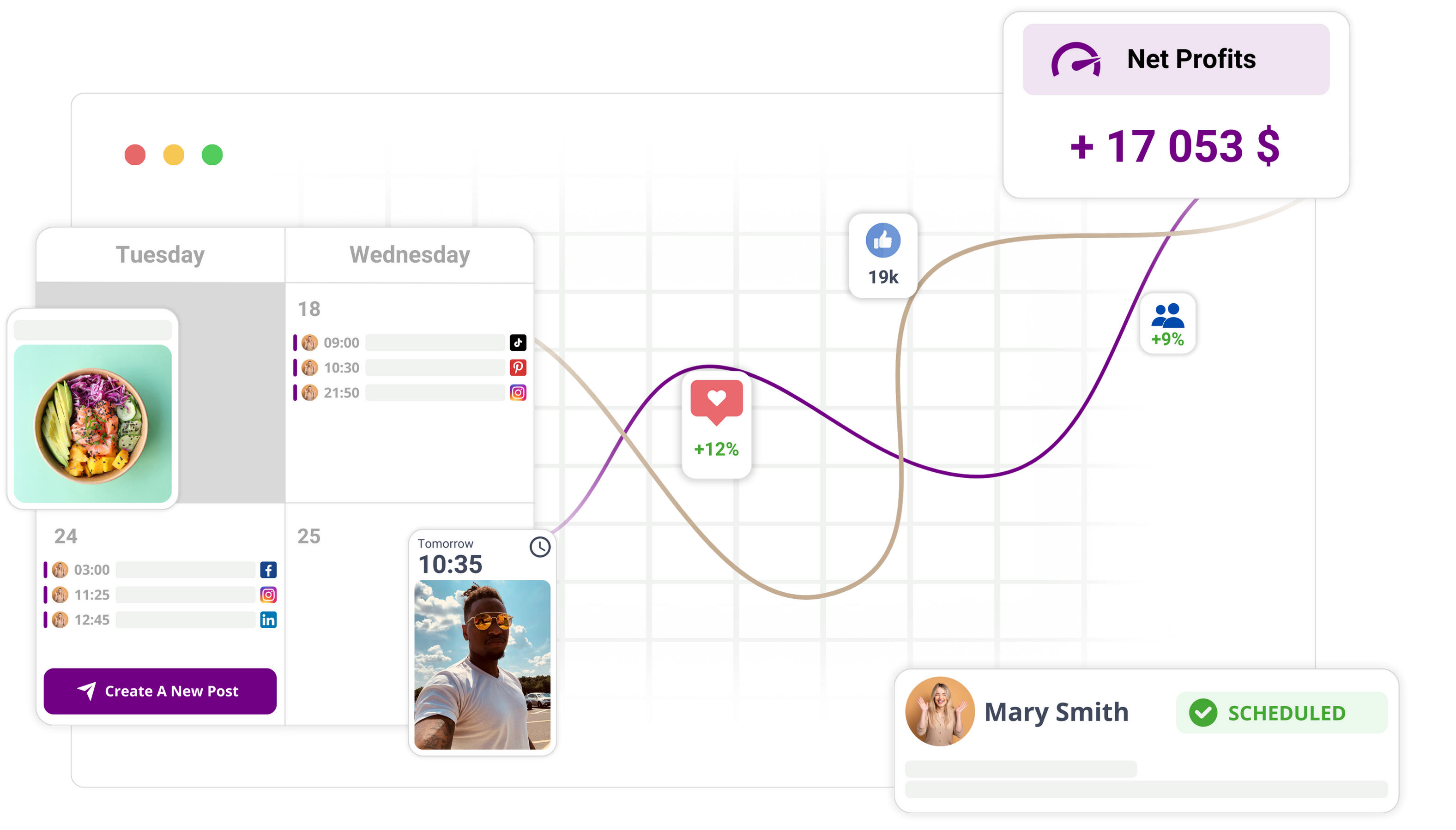
Connecting your social media profiles to Mydrop allows you to consolidate your brand management, automate publishing workflows, and gain visibility into past performance metrics. By the end of this process, your accounts will be active in Mydrop, and your historical engagement data will be available for review in the analytics dashboard. This setup is the foundation for using Mydrop features like automations, calendar reminders, and workspace collaboration.
Before you start
- Confirm you have active login credentials for every social media account you intend to connect.
- Ensure your account has "Admin" or "Editor" permissions on the social platforms. Mydrop requires these access levels to pull historical performance data.
- Verify that your Mydrop subscription is active and you have access to the workspace where you want to manage these profiles.
- Close any unnecessary browser tabs to prevent potential interruptions during the authentication handshake between the social platform and Mydrop.
Linking your social accounts
- Log in to your Mydrop account and navigate to the sidebar on the left side of the dashboard.
- Click on the "Profiles" tab to open the profile management interface.
- Locate and click the "Add New Profile" button. This will trigger a menu displaying the available social media platforms.
- Select the platform you want to connect, such as Instagram, LinkedIn, or X.
- Follow the authentication prompts in the pop-up window. When requested, log in to your social media account and authorize Mydrop to access your profile information.
- Stay on the page until the authentication window closes automatically. Closing this window prematurely can cause the connection to fail, requiring you to restart the process.
Synchronizing historical data
- Once the account is authorized, you will see a configuration menu for the new profile.
- Select the brand or group in Mydrop where you want this profile to reside. Assigning profiles to specific groups helps keep your workspace organized as you scale.
- Locate the "Import Historical Data" setting on the configuration screen. Ensure this toggle is switched to the "On" position. If this is left off, Mydrop will only begin tracking new activity from the moment the connection is established.
- Click the "Save" or "Confirm" button to finalize the profile addition.
Reviewing your setup
- Return to the "Profiles" dashboard. You should see your newly linked account listed with a status indicator confirming the connection is active.
- Navigate to the "Analytics" tab within your Mydrop dashboard.
- Check the charts and reporting modules to verify that historical engagement data, such as past post reach, impressions, and interaction counts, are populating correctly. Data synchronization can take a few minutes depending on the volume of historical records.
Troubleshooting and common mistakes
- Data sync failures are most frequently caused by insufficient permissions. If your data does not appear, return to your social media account settings, verify that you have full administrative or editor access, and re-run the connection process in Mydrop.
- Ensure that you are connecting the account to the correct workspace. If you accidentally added a profile to a personal workspace instead of a client-specific one, you must delete the profile entry and repeat the steps in the intended workspace.
- After the setup is verified, navigate to the "Automations" tab. You can now select your newly synced profile as a destination for your publishing workflows, allowing you to begin automating your content strategy immediately.
Step 1: Open the feature
To begin the process of linking your social media accounts and importing your historical data, you must navigate to the Profiles section of the Mydrop dashboard. This section serves as the centralized hub for all your connected social identities. Managing your connections here ensures that your posts, analytics, and automation workflows remain synchronized with the correct accounts.
- Sign in to your Mydrop account using your credentials.
- Locate the main navigation sidebar on the left side of the dashboard.
- Click the menu item labeled Profiles. This will load your current workspace dashboard.
- If this is your first time using the platform, you will see an empty workspace state. If you already have active profiles, the dashboard will display a list of your existing connections.
- Click the button labeled Add New Profile. This button is typically positioned at the top right of the Profiles dashboard area. Clicking this will trigger the initiation of the connection workflow.
Navigating specifically to the Profiles section is necessary because it isolates your social media management from other Mydrop features like Automations or Calendar. By starting here, you ensure that the permissions you grant during the next steps apply to the entire brand or group you intend to manage. If you attempt to connect profiles through a different section of the app, you may find that certain data import options or group assignment settings are unavailable. Keep the Profiles dashboard open in your browser until the connection process is fully confirmed, as this page will automatically refresh once the authorization cycle is complete.
Step 2: Set up the basics
Once you have clicked the Add New Profile button, a selection menu will appear, allowing you to choose the social media platform you wish to connect to Mydrop. This step is where you establish the bridge between your external social account and your Mydrop workspace.
- In the platform selection modal, browse the available icons and click the name of the social network you want to sync, such as Instagram, LinkedIn, or Twitter.
- After selecting the platform, a browser pop-up window will open. This window is hosted by the social media service to handle secure authentication.
- If you are not already logged into the social network in your browser, enter your social media login credentials when prompted by the pop-up.
- Review the requested permissions. Mydrop requires specific access to read your account data, post content, and access historical engagement metrics.
- Click the Authorize or Allow button within the pop-up window to confirm that you permit Mydrop to access your account information.
The authentication pop-up is a security feature. It ensures that Mydrop never stores your social media password. Instead, it uses a secure token to interact with your account. Do not close the pop-up window until it redirects you back to the main Mydrop dashboard. If you close it early, the connection will be interrupted, and the authorization will not take effect.
Once the pop-up closes, you will be returned to the Mydrop interface. You will now see an initial setup configuration form. This form asks you to map the newly connected profile to a specific brand or project group within your Mydrop workspace. Select an existing brand from the dropdown menu, or choose to create a new group if you are managing a separate project. Properly assigning the profile to a group now helps keep your future analytics organized by brand, which is critical for teams managing multiple clients or market segments. Once you have made your selection, click the Save or Continue button at the bottom of the configuration form to proceed to the final data synchronization settings. You will know this step was successful when the profile icon appears in your primary Profiles list with a green active status indicator.
Step 3: Add the content or settings
Once the authentication pop-up closes and you are returned to the Mydrop interface, you must configure the profile settings to finalize the connection. The system will prompt you to categorize the newly linked account, which ensures that your social identities stay organized within your broader brand management ecosystem.
Follow these specific configuration steps:
Locate the Profile Assignment menu within the setup modal. You will see a dropdown list containing your existing brand groups or workspace folders. Select the appropriate brand or group where this profile should reside. If this is a new brand, select the Create New Group option to define a new container. Organizing profiles into groups immediately at this stage is necessary for future-proofing your automations and analytics reports.
Identify the Historical Data Import section. You will see a toggle switch labeled Import Historical Data. You must click this toggle to the On position. This setting is crucial because it instructs Mydrop to request performance metrics and previous post data from the social platform API. If you leave this toggled off, Mydrop will only start recording data from the moment the connection is finalized, leaving a gap in your historical reporting.
Confirm your selection by clicking the Save Configuration button located at the bottom right of the modal. Mydrop will then initialize the sync process. Do not navigate away from this page while the progress bar is active, as closing the browser tab or refreshing the page may interrupt the initial data handshake.
Assign specific team permissions if you are working within a shared workspace. Navigate to the Permissions tab within the profile settings panel to ensure your teammates have the necessary access levels to view analytics or draft posts for this account. Setting these permissions now prevents access errors when other team members attempt to use this account later.
These configuration settings serve as the foundation for your social management. By accurately grouping the account and enabling the data import, you ensure that your analytics dashboard will be populated with relevant metrics. Failure to toggle the data import setting during this initial phase is a common oversight that requires disconnecting and reconnecting the profile to rectify later. Double-check that your brand group selection matches the intended workspace to avoid misaligned publishing schedules.
Step 4: Review the workflow
After the configuration is saved, you need to verify that the profile is correctly linked and that the historical data synchronization has begun as expected. A successful connection will be visible across multiple areas of your Mydrop dashboard.
Follow these verification checks to confirm the setup:
Return to the main Profiles dashboard in the left-hand navigation sidebar. The newly added account should now appear in the list under its assigned brand or group name. Confirm that the account status indicator is green, which denotes an active and authenticated connection. If the status indicator appears yellow or red, the connection is either incomplete or has encountered a permissions error.
Navigate to the Analytics tab. You should see the social platform’s icon in your active profile list. Click on the profile to load the dashboard. Initially, you may see a "Data Syncing" notice; allow several minutes for the import process to complete. Once the sync finishes, the dashboard will display your historical engagement metrics, such as reach, clicks, and interaction rates from previous months.
Test the connectivity by opening the Automations section. Click the New Automation button and attempt to create a draft post or a simple sequence. When prompted to select a profile, your newly synced social account should appear in the selection menu. Being able to select this profile confirms that your authorization has propagated correctly through the Mydrop application layers.
Check your calendar notifications. If you have calendar reminders configured, ensure that the newly connected profile is available for selection when you create a new reminder. This ensures that you can begin scheduling future tasks, such as content review or community reply sessions, tied to this specific identity immediately.
If the Analytics tab remains empty after a reasonable period, or if you encounter connection errors, revisit the profile settings. Verify that the historical data toggle remains in the On position. Ensure your social platform account settings still grant third-party application permissions to Mydrop. Common mistakes often involve the platform revoking Mydrop access due to password resets or security policy updates on the social media side. If you see persistent errors, use the Refresh Token option located in the profile settings menu to force a re-authentication with the social platform. Once these steps are confirmed, your profile is fully integrated and ready for daily operations.
Troubleshooting and next steps
If you encounter issues during the synchronization process, start by checking the connection status within the Profiles tab. A red warning icon next to a profile usually indicates that the authorization token has expired or that the required platform permissions are missing. To resolve this, click on the specific profile to view its settings and select the option to re-authorize the account. This will trigger the authentication pop-up again, allowing you to refresh the connection. Ensure that you are logged into the correct administrator or editor account on the social platform during this process.
If your historical data does not appear in the Analytics tab after several hours, verify that the Import Historical Data setting is toggled on within the profile configuration menu. Sometimes, large data sets require additional time to process, particularly for accounts with high volumes of past content. If the data remains missing after 24 hours, you may need to disconnect and reconnect the profile to re-initiate the data retrieval sequence. Be aware that most social platforms restrict access to historical data if the Mydrop application does not have the necessary level of administrative access. Always confirm that you have granted full API permissions during the initial authorization.
If you continue to see empty reports, check if you have accidentally assigned the profile to an incorrect brand or workspace. You can move profiles between brands by accessing the Profile Settings menu and selecting a different brand from the dropdown list. This re-categorization will ensure that all historical metrics are correctly aggregated under the appropriate brand reporting view.
Once your profile is active and data is visible, you can begin to integrate the account into your daily operations. Navigate to the Automations tab to start building custom workflows for this profile. You can select the newly synced account as a trigger source or as a destination for automated content publishing. You should also consider creating calendar reminders for routine analytics reviews to ensure you stay updated on your performance metrics. If you work within a team, use the Conversations tool associated with your specific posts to discuss content strategy or asset feedback directly with your colleagues. By centralizing your social activity and collaboration in Mydrop, you maintain a clear view of your historical performance and future publishing commitments across all managed brands.
Conclusion
Successfully syncing your social accounts and historical data creates a foundational link between your past performance metrics and your future brand management efforts in Mydrop. By following these steps, you ensure that your profiles are correctly authorized, your data is accurately imported, and your accounts are ready for integration into broader publishing and analytics workflows. This setup allows you to leverage Mydrop for consistent brand oversight, automated content distribution, and collaborative team communication. Regular maintenance of these connections, including periodic re-authorization and status checks, helps sustain the continuity of your data and the reliability of your automated processes. You now have a centralized environment to monitor engagement, manage publishing schedules, and refine your social strategy based on concrete historical insights. Moving forward, use the profiles you have linked to explore further automation capabilities and coordinate team efforts within your workspaces.