The most direct way to monetize a social media following at scale is to stop treating your channels like a digital billboard and start treating them like a synchronized logistics chain. Revenue at the enterprise level is not the byproduct of a single "viral" post; it is the result of removing every ounce of friction between a viewer's interest and their ability to complete a transaction.
There is a specific, quiet panic that sets in when you are managing a brand with millions of followers, yet the revenue line on the quarterly report stays stubbornly flat. You see the likes and the shares piling up on the dashboard, but it feels like you are shouting into a canyon where the echo never returns as cash. It is exhausting to chase engagement when what you actually need is a system that works while you sleep.
The operational truth that most teams ignore is this: Consistency is for the algorithm, but systems are for the bank account. You cannot scale a monetization strategy that relies on manual heroics, midnight Slack pings, and "hoping" the right link gets in the bio.
TLDR: Monetization at scale is a logistics problem, not a creative one. To hit ROI targets in 30 days, enterprise teams must tighten the "idea-to-publish" cycle by centralizing assets, automating approval loops, and ensuring every post has a clear, functional path to a buyable action.
- Link Integrity: Roughly 30 percent of potential revenue is lost to broken, generic, or missing links that fail to guide the customer to the specific product shown.
- Approval Velocity: Posts that sit in a "legal review" or "manager's inbox" for over 24 hours lose half of their conversion potential as the social conversation moves on.
- Asset Accessibility: High-performing teams lose an average of four hours per week just searching for approved media files buried in fragmented Google Drive folders or email threads.
| Metric | Engagement Content | Revenue Content |
|---|---|---|
| Primary Goal | Reach and Impressions | Direct CTA and Sales |
| Asset Type | Trending and General | Product-Specific and Scarcity |
| Workflow | Fast and Informal | Approved and Link-Heavy |
| Value | Top of Funnel | Bottom of Funnel |
The real problem hiding under the surface

If you ask a social media manager why they aren't generating more revenue, they will usually talk about "the algorithm" or "content fatigue." But if you look at the actual workflow of a multi-brand company, the real culprit is something much more boring: Coordination Debt.
This is the "operational tax" you pay every time a creative idea has to jump through five different tools before it goes live. Here is where it gets messy: the creative team builds a beautiful video, but they save it in a private folder. The social lead sees the folder but doesn't know if the music is licensed. They ask in a WhatsApp thread, but the legal team is only looking at email. By the time everyone agrees the post is "safe" to publish, the 48-hour window where that specific product was trending has already closed.
In the world of revenue-first social, we call this the Engagement Trap. Most teams waste 40 percent of their monetization potential on this kind of operational leakage. They are so busy managing the "noise" of engagement that they never build the "conveyor belt" required for profit.
The real issue: Most enterprise teams are treating social media like a craft project when they should be treating it like a factory floor. If the conveyor belt stops for a missing asset or a slow approval, the revenue stops with it.
To move from "posting for likes" to "posting for profit," you have to shift from a "Creative-First" mindset to a "Logistics-First" workflow. This means acknowledging that a great video without a functional, tracked link is just an expensive hobby. It means realizing that "Ghost Approvals"--those thumbs-up emojis in a random chat thread--are a compliance nightmare that slows down your ability to sell.
A simple rule helps here. We call it the 3-A Rule for [Revenue-First] operations:
- Asset: Is the creative approved, licensed, and sitting exactly where the publisher can grab it without asking for permission?
- Approval: Is the brand-safety check baked into the workflow, or is it an external obstacle that kills momentum?
- Action: Does the post have a direct, tracked path to a transaction that works in the user's specific timezone and market?
This is the part people underestimate: the "revenue conveyor belt" doesn't just happen. It requires a unified workspace where the conversation about the content happens right next to the content itself. When content decisions and teammate context are split across disconnected tools, you aren't just losing time; you are losing money.
For example, when your team is managing twenty different brands across three timezones, the "manual download tax" becomes a massive bottleneck. If a manager has to download a 500MB video from Google Drive just to re-upload it to a social scheduler, you have already introduced a point of failure. The goal is to move approved creative from a shared drive into the publishing flow without a single manual handoff.
The quiet truth of social commerce is that conversion velocity--the time elapsed from the moment media is uploaded to the moment the post is live with a buyable link--is the only metric that truly correlates with the bank account. If your velocity is low because of coordination debt, your revenue will stay low regardless of how many followers you have.
Why the old way breaks once volume rises
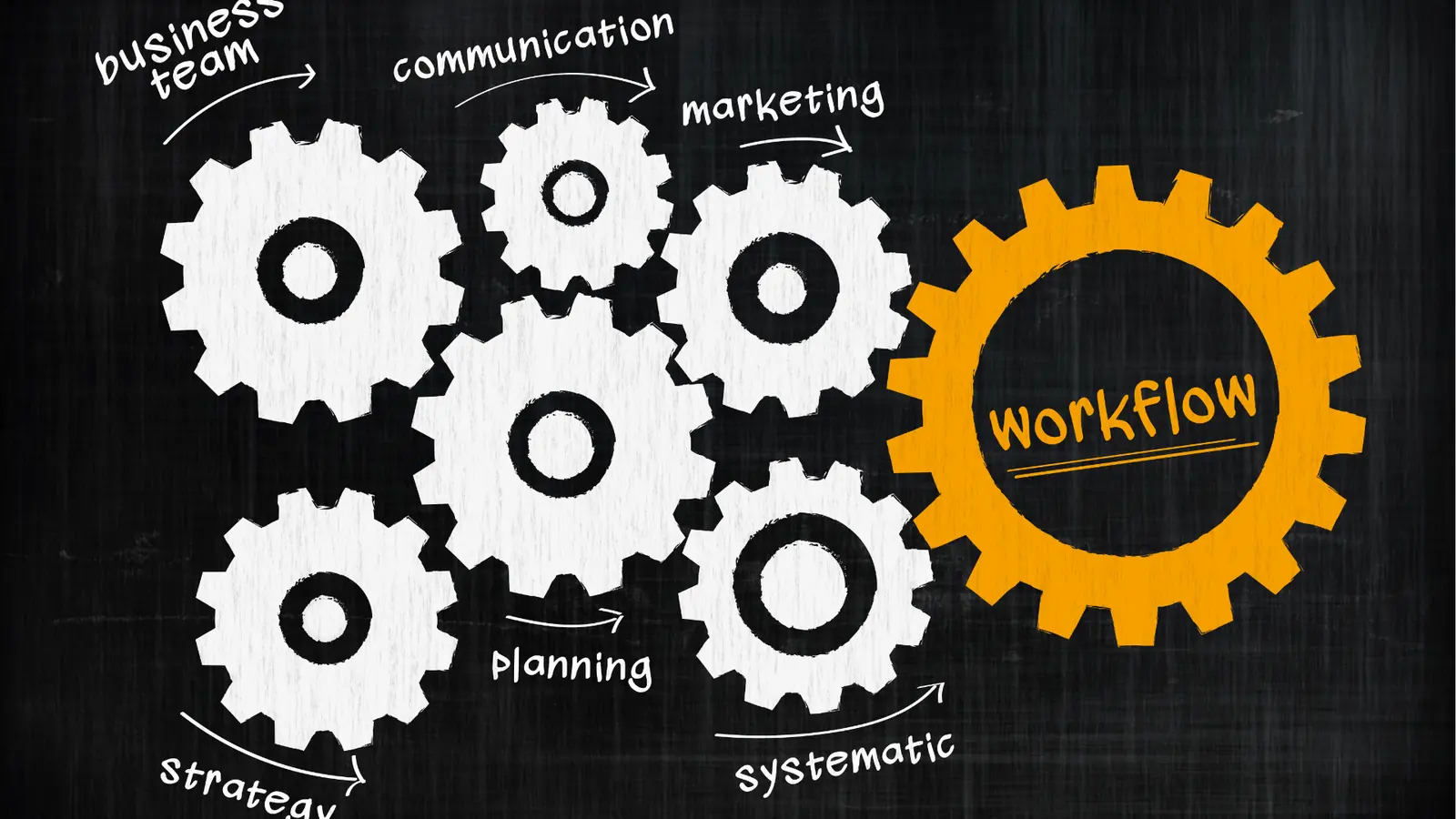
Scaling a social channel for revenue usually feels like trying to run a marathon through waist-deep mud. When you are a small team posting once a day, you can get away with a messy desk. You can text a photo to your boss, get a "looks good" emoji back, and hit publish. It is clunky, but it works.
Here is where it gets messy: the moment you move to managing multiple brands, enterprise-level followers, and complex campaigns, that "clunky" workflow turns into a massive financial leak. We call this Coordination Debt. It is the hidden tax you pay every time a social manager has to hunt for a high-res video in a buried Google Drive folder or wait three hours for a legal disclaimer approval that is stuck in a WhatsApp thread.
Most teams underestimate: The "switch-cost" of jumping between tools. Every time an operator leaves their publishing calendar to check a Slack thread or download an asset from an email, the risk of a "Revenue Gap" increases. A Revenue Gap is simply a window where you should be selling, but your content is stuck in a queue.
When volume rises, "Ghost Approvals" become the norm. This happens when a stakeholder gives feedback in a disconnected chat, but that context never makes it to the person actually scheduling the post. The result? You publish a post with the wrong link, an outdated price, or a logo that legal already rejected.
| Feature | The Ad Hoc Shuffle | The Revenue System |
|---|---|---|
| Asset Source | Personal downloads and desktop clutter | Direct Google Drive sync to gallery |
| Feedback | Scattered across Slack, email, and text | In-context threads inside the post |
| Approvals | "Did you see my message?" follow-ups | Formalized, one-click review flows |
| Timezones | Manual math and "best guesses" | Hard-coded workspace timezone controls |
| Context | Hidden in the head of the manager | Attached to the workflow for everyone |
The old way breaks because it relies on human memory and "checking in." In a high-volume environment, checking in is a polite way of saying "I am wasting time." If your team spends more time talking about the work than actually doing the work, your monetization strategy is already underwater.
Common mistake: Treating social as a "creative-first" department rather than a "logistics-first" one. Creativity gets people to stop scrolling, but logistics is what actually puts the product in the cart. If the logistics chain is broken, the most viral video in the world is just an expensive vanity project.
The simpler operating model

If you want your social channels to actually pay the bills, you have to stop acting like an artist and start acting like a factory manager. The goal is to build a Revenue Conveyor Belt. This is a synchronized system where assets, approvals, and distribution move without friction from "Idea" to "ROI."
The fix isn't hiring more people; it's shortening the distance between a raw asset and a live link. In a simpler model, the work lives where the results happen. Instead of splitting your brain across five different tabs, you bring the context into the workspace. This is why we built features like Conversations directly into the Mydrop workflow. When the legal team can leave a note right next to the post preview, the "distance" to publish drops to zero.
- Intake: Connect Google Drive directly to your gallery to stop the download-upload loop.
- Context: Use workspace channels to keep content decisions near the work.
- Review: Send posts for approval via WhatsApp or email, keeping the "Yes" attached to the post.
- Align: Use the Workspace Switcher to keep multi-brand schedules from bleeding into each other.
- Sync: Ensure every profile is connected so analytics flow back to the same home.
The "Conveyor Belt" mindset assumes that every minute a post sits in "Pending" is a minute of lost revenue. To move faster without breaking the brand, you need a single source of truth. When you use a tool like Mydrop to manage your Workspace timezones, you aren't just setting a clock; you are ensuring that a "Flash Sale" in London doesn't accidentally go live while the NYC team is still asleep.
Framework: The 3-A Rule Before any post hits the "Schedule" button, it must pass the 3-A check:
- Asset: Is the creative in the gallery and high-res? (No manual desktop uploads).
- Approval: Is the green light documented in the workflow? (No "Ghost Approvals").
- Action: Is the revenue link verified and tracking? (No "Posting for Likes").
This model removes the "Operator Panic" that usually happens right before a big launch. When your assets are synced and your teammates are mentioned in the same thread where the post lives, the work becomes quiet. It becomes predictable.
Operator rule: If it isn't in the workspace, it doesn't exist. No creative decisions happen in DM, and no approvals happen "off-book." This rule alone can cut your operational leakage by 30% in the first week.
TLDR: Monetization fails when your workflow is fragmented. To fix it, centralize your assets (Google Drive import), move your talk to where the work is (Conversations), and stop the "approval chase" by keeping reviews inside the publishing flow. Turn your social team into a revenue factory, not a chat room.
The reality of enterprise social is that "going viral" is a distraction if you can't handle the volume. By tightening the "idea-to-publish" cycle, you stop chasing engagement and start building a predictable, scalable revenue driver. Consistency is for the algorithm; systems are for the bank account.
Where AI and automation actually help

Automation is not about replacing your copywriter with a robot that hallucinates facts; it is about replacing the tedious, invisible admin work that kills your team's momentum. In an enterprise environment, the "creative" part of a post usually takes twenty minutes, while the "coordination" part-finding the file, getting the legal sign-off, and checking the link-takes four hours. That is where the revenue leaks out.
The real win for automation in a revenue-first system is clearing the path. If your team is still downloading high-res video files from a shared Drive and then manually re-uploading them into a social tool, you are paying for "wait time" rather than "work time." High-growth teams use automation to move approved assets from the creative suite directly into the publishing flow without a human ever hitting a "Download" button.
Common mistake: "Ghost Approvals." This happens when a manager gives the thumbs up in a WhatsApp thread or a Slack channel, but that approval never makes it into the actual system of record. Three weeks later, someone posts an unapproved price point, and the legal team is knocking on your door. Moving conversations out of chat apps and directly into the workspace workflow-where the approval is attached to the actual post-is the only way to scale without losing your mind.
AI, on the other hand, should be your Research Assistant, not your Lead Strategist. Use it to suggest alternative hooks for different markets or to tag your massive library of assets so you can actually find that "Summer Campaign" video from two years ago. Don't use it to generate generic "Buy now!" captions that your audience will scroll past in half a second.
Here is where teams usually get stuck: they try to automate the "what" (the content) before they automate the "how" (the process). If your "how" is broken, AI just helps you post bad content faster. Instead, focus on the "No Manual Upload" rule. By syncing Google Drive directly to your media gallery, you cut out the middleman. The creative team drops the file in the folder, and the social operator sees it instantly in the workspace. That is a system.
Operator rule: If a task requires more than three clicks to move a file from one person to another, it is a candidate for automation. Revenue happens in the gaps between tasks. Close the gaps, and the money follows.
The 30-day roadmap relies on this speed. Week 3 is all about Flow Optimization. This is where you look at your approval chains. If you are managing twelve different regional brands, you cannot wait for a single global head of marketing to approve every tweet. Automation allows you to set up localized approval workflows where the right person is notified via the channel they actually use-whether that is a dedicated dashboard or a mobile alert-keeping the revenue conveyor belt moving across every timezone.
The metrics that prove the system is working

Most social teams report on engagement because it is easy to find, not because it pays the bills. To a CFO, "10,000 likes" is a nice sentiment, but it doesn't show up on a P&L. If you want to prove that your social channels are actually driving revenue, you have to track the velocity of the system itself.
The first thing to look at is the distance between a "creative idea" and a "buyable action." We call this Conversion Velocity. If it takes your team seven days to move an asset from the "Idea" stage to "Live with a Link," you are missing out on real-time market trends and high-intent customer moments.
KPI box: Conversion Velocity
- Definition: The time elapsed from "Media Uploaded to Gallery" to "Post Live with Trackable Link."
- Enterprise Benchmark: Under 24 hours for tactical posts; under 72 hours for major campaigns.
- Why it matters: Slow workflows kill the "scarcity" window. If a product is trending today, a post three days from now is just noise.
When you treat social as a logistics problem, your scorecard starts to look a lot different. You aren't just looking at click-through rates; you are looking at Approval Lead Time. If your legal or brand teams are taking 48 hours to review a single post, that is a bottleneck that is costing you money. By bringing those stakeholders into the workspace conversations directly, you turn a serial process (wait for A, then do B) into a parallel one.
Framework: The 3-A Rule
- Asset: Is the high-res file approved and synced from the source?
- Approval: Is the brand/legal context attached to the post workflow?
- Action: Is there a verified, trackable link included in the first 100 characters?
Plan -> Sync -> Approve -> Action
This is the part people underestimate: the sheer volume of "operational debt" that accumulates in a large team. You might have 50 connected social profiles across five different platforms. If one of those tokens expires and you don't notice for three days, you’ve just gone dark in a major market. A healthy system uses a central "Profile Sync" dashboard to give you a bird's-eye view of every connection, ensuring the pipes are always open.
Consistency is for the algorithm; systems are for the bank account. To keep the revenue conveyor belt running, you need a daily rhythm that treats the social feed like a production line.
Progress check: The Daily Revenue-Ops Audit
- Link Health: Do the top three active posts have functioning, UTM-tracked links?
- Timezone Sync: Are the posts for the APAC and EMEA markets scheduled in their local operating hours, not yours?
- Approval Queue: Are there any posts sitting in "Pending" for more than 4 hours?
- Asset Check: Are all media files imported from Drive, or are we still doing manual uploads?
- Comment Moderation: Are high-intent questions ("Where can I buy this?") answered within 60 minutes?
The final operational truth is this: Followers are an audience; customers are an asset. You can have a million followers and a bankrupt business, or ten thousand followers and a thriving revenue engine. The difference is the system. By tightening the "idea-to-publish" cycle and treating every post as a link in a chain rather than a shot in the dark, you move from "posting for likes" to "posting for profit."
In 30 days, you aren't just changing what you post; you are changing how you work. You are moving from a "Creative-First" mindset to a "Logistics-First" workflow where every asset, every approval, and every link is part of a synchronized machine designed to drive growth.
The operating habit that makes the change stick

The single most effective way to ensure your 30-day revenue plan actually produces a return is to adopt a Daily Revenue-Ops Audit. It is not about brainstorming new "viral" ideas every morning; it is about ensuring the conveyor belt you built in weeks one through three is actually moving. When a team treats social media as a revenue channel, they stop asking "What should we post?" and start asking "Is the path to purchase clear of debris?"
There is a specific kind of internal friction that kills monetization--the "Ghost Approval." This happens when a manager gives a thumbs-up in a disconnected chat thread or a quick WhatsApp message, but that approval never makes its way to the person actually clicking "publish." Suddenly, a high-intent post goes live with a typo in the discount code or, worse, the wrong link entirely. The relief of knowing your system handles these handoffs is what allows a marketing leader to finally sleep through a major campaign launch.
Framework: The 3-A Rule Every revenue-generating post must pass this three-second check before it hits the queue:
- Asset: Is the final, high-res file pulled directly from the source (not a Slack download)?
- Approval: Is the green light documented inside the workflow, not lost in a thread?
- Action: Is there a trackable, working link that leads to a specific landing page?
To make this stick, you have to kill the "Manual Upload" culture. In large teams, the most common failure point is the individual contributor downloading a 500MB video from Google Drive, waiting for it to finish, then re-uploading it to a social tool. It sounds minor, but when you multiply that by five platforms and three brands, you are losing hours of high-value strategist time to a progress bar.
Instead, professional operators connect their approved creative folders directly to their workspace gallery. When you can pull a video from Google Drive into a post preview without it ever touching a desktop folder, you remove the chance of using an outdated version.
| Habit Category | The Engagement Trap (Old Way) | The Revenue Conveyor Belt (New Way) |
|---|---|---|
| Link Management | "Link in bio" (General) | Product-specific deep links in every caption |
| Approvals | Hidden in email or Slack threads | Attached directly to the post workflow |
| Timezones | Manual math for global markets | Workspace-locked local time settings |
| Feedback | Split across three different tools | Conversations happen next to the content |
Managing global revenue requires a strict handle on Timezone Alignment. It is a classic enterprise headache: the US team schedules a "Flash Sale" for 9:00 AM EST, but the global coordinator accidentally sets it to 9:00 AM London time because they didn't toggle their workspace view. The result? The sale starts four hours early, the inventory isn't ready, and the customer service team gets buried in complaints.
A simple rule helps: Never calculate timezones in your head. Use a workspace switcher that locks the publishing calendar to the operating market's local time. If you are managing a brand in Tokyo and another in New York, your dashboard should reflect that reality instantly, without you needing to remember the offset.
KPI box: Conversion Velocity Measure the time elapsed from "Media Approved" to "Post Scheduled with Link." If this takes more than 15 minutes of manual admin, your coordination debt is too high.
Conclusion

Transitioning from "posting for likes" to "posting for profit" is ultimately an exercise in removing distance. Revenue does not happen because you found a magic hashtag; it happens because you shortened the distance between a creative spark and a buyable action. When you treat your social channels as a Revenue Conveyor Belt, you stop being a "content creator" and start being a business operator who happens to use social media as their primary storefront.
Most teams fail to monetize not because they lack followers, but because they are exhausted by the invisible weight of their own processes. They are fighting with scattered Drive folders, chasing down "Ghost Approvals" in buried threads, and trying to keep three different brands aligned across four continents using nothing but spreadsheets and hope.
Here is the operational truth that every marketing leader eventually learns: Consistency is for the algorithm, but systems are for the bank account. You can post every single day and still lose money if your team is drowning in coordination debt. But when the workflow is synchronized, when the assets are centralized, and when the approvals are baked into the process, revenue becomes a predictable byproduct of your daily operations rather than a lucky accident.
If you are ready to stop managing social media and start operating a revenue engine, take these three steps this week:
- Centralize the Creative: Connect your Google Drive to your media gallery to kill the download-upload loop.
- Audit the Links: Ensure every single post in your upcoming queue has a direct, trackable CTA.
- Move the Talk: Pull your feedback out of external chat apps and into the workspace where the work is actually happening.
Mydrop was built for this level of precision. By keeping your workspace conversations, Google Drive imports, and multi-market timezone controls in one synchronized environment, we help enterprise teams stop fighting their tools and start scaling their results. Revenue follows the path of least friction -- let's build that path together.