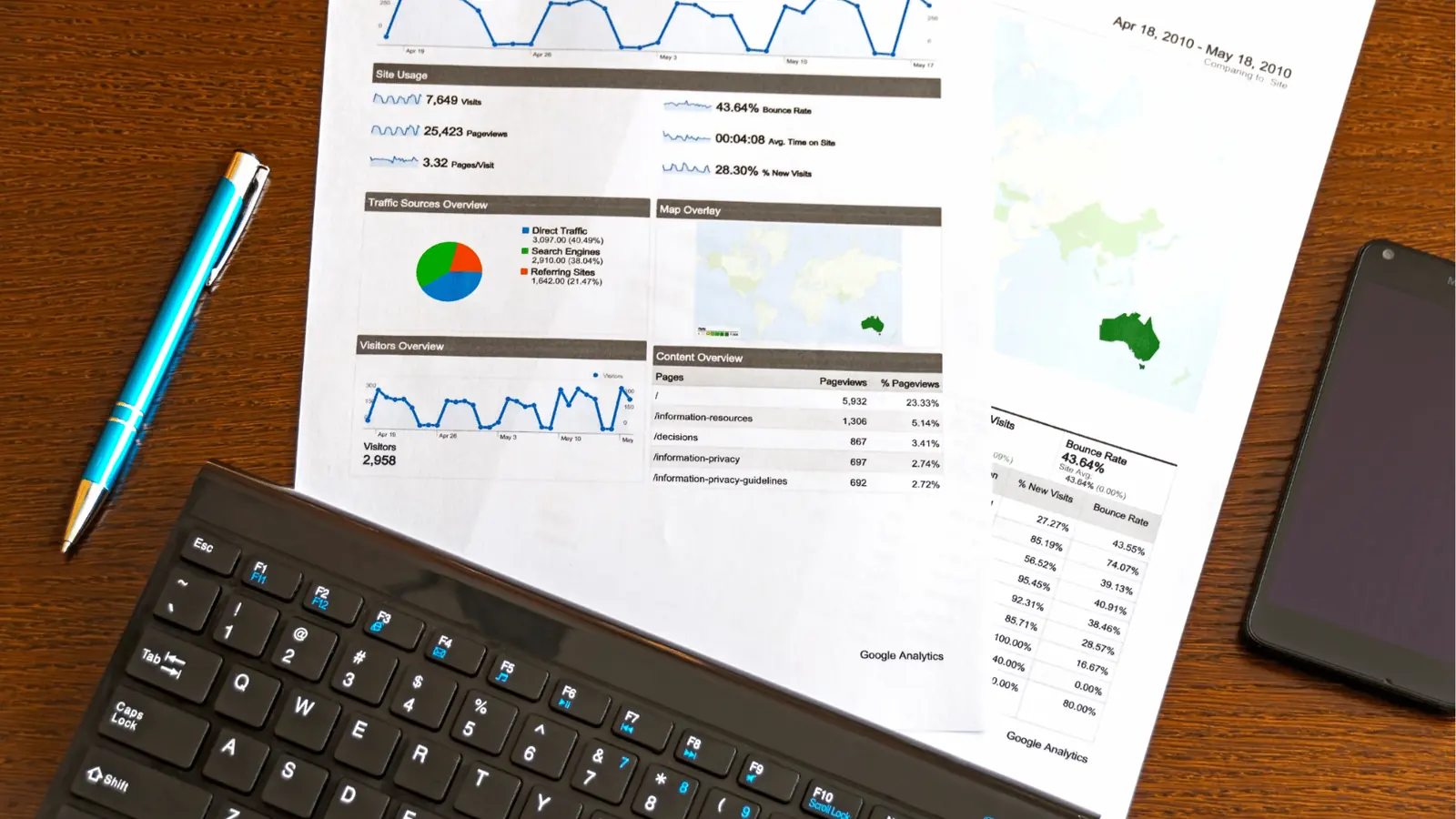

You solve cross-timezone publishing by decoupling your team's local hours from your audience's consumption window, centralizing everything in a system that treats geography as a primary setting rather than a secondary note. Instead of manually converting UTC to IST or PST while staring at a spreadsheet, you move your entire operational framework into a workspace where the clock aligns with the market you are actually targeting.
Your team is currently paying a steep "coordination tax" on every post that goes live at 3:00 AM local time. This is the hidden cost of endless manual handoffs, panicked Slack threads at midnight, and the constant mental exhaustion of checking if that TikTok should be live in Jakarta or New York right now. You are tired of the always-on anxiety that turns global reach into a constant operational burden. The goal is to move from reactive, time-sensitive firefighting to a calm, predictable engine where your posts hit their mark while you sleep, and your team's hard work does not get lost in translation.
TLDR: The shift to global scale requires three pillars:
- Workspace Isolation: Assign specific timezones to target markets, not individual users.
- Automated Handoffs: Use approval workflows that move content to the next stakeholder regardless of their location.
- Embedded Context: Attach campaign notes directly to the calendar so local nuance is never separated from the creative asset.
The real problem hiding under the surface

Most agencies and enterprise brands blame "scheduling errors" on human failure. The awkward truth is that their infrastructure is the problem. They are treating global campaigns like local ones, forcing their teams to perform mental acrobatics instead of using system-level workspace controls.
Here is where teams usually get stuck. They try to manage a London-based account, a Tokyo office, and a New York headquarters using a single global spreadsheet or a generic calendar tool. When the New York team wants to adjust a caption for an Instagram post, they have to hope someone in the relevant timezone sees their Slack message, remembers the local nuance, and logs in to make the change before the upload window closes.
This is the part most people underestimate: the fatigue of context switching. If a manager has to log in and calculate time differences for ten different regions, they are going to make a mistake. It is not because they are incompetent; it is because the system is forcing them to work as a calculator.
The real issue: Relying on chat threads for approvals across timezones creates "context decay." By the time the message reaches the person who can hit the publish button, the original intent, the target market context, and the urgency have often been stripped away, leaving only the risk of a misaligned post.
If your team is doing math to figure out when to post, your system is doing the work it should be doing for you. When you use Mydrop to set a Global Ready workspace timezone, the calendar shifts its perspective to match the audience. You are no longer "scheduling a post for 9:00 AM elsewhere"; you are simply dropping content into a window that already matches the local heartbeat of your market.
True global scale is not about being "always-on"; it is about being "always-accurate." You stop chasing the clock and start letting your infrastructure handle the handoff, ensuring that even if your team is asleep, the campaign remains perfectly in sync with the world.
Why the old way breaks once volume rises

The moment you move from a handful of regional posts to a global strategy, your coordination overhead explodes. Managing three brands across four timezones using spreadsheets and disjointed chat threads isn't just inefficient; it is a structural failure waiting to happen. You start hitting the "coordination ceiling" where your team spends more time verifying, translating, and chasing approvals than actually refining the content itself.
When every post requires a manual check against a time converter, the human error rate becomes inevitable. You miss the mark because someone in New York forgot the lunch break window in London, or a local holiday in Tokyo pushed your engagement into a dead zone. The real cost here is not just one bad post-it is the erosion of trust across the organization. Stakeholders stop believing in the speed of the machine, so they demand "final eyes" on everything, which creates the exact bottleneck you were trying to avoid in the first place.
Most teams underestimate: The sheer "cognitive load" of manual conversion. Expecting your team to perform mental gymnastics across timezones is a recipe for burnout and inconsistent brand voice.
| Metric | Spreadsheet / Chat Model | Mydrop Workspace Model |
|---|---|---|
| Source of Truth | Fragmented (Docs, Slacks) | Centralized Calendar |
| Timezone Logic | Manual conversion/Human error | Native workspace setting |
| Approval Flow | Ping-pong in chat threads | Attached to the post |
| Local Context | Lost in separate notes | Pinned to calendar timeline |
The simpler operating model
If your team is doing math to figure out when to post, your system is doing the work it should be doing for you. The solution is to shift from a "creation-first" approach to a "context-first" one. You anchor the work to the audience's geography from the very first minute, decoupling the creator's local clock from the target market's peak activity.
This requires moving away from the "Single-Workspace Trap," where teams try to manage everything from a master calendar locked to headquarters time. Instead, you create distinct workspace environments that serve as the operating system for each market or brand pillar. In this model, the workspace timezone becomes the immutable baseline. When you set a post to go live at 9:00 AM, the system honors the local clock of that specific market, rendering the need for external conversion tools obsolete.
- Intake & Context: Attach campaign themes and regional holidays directly to your calendar via notes.
- Platform Adaptation: Use the composer to tailor assets and captions for specific networks without manual re-entry.
- Internal Review: Route posts to specific stakeholders within the platform so approval history stays tethered to the content.
- Automated Handoff: Schedule the final release through an automation flow, ensuring the post hits the feed regardless of your team's sleep schedule.
Operator rule: Treat the "Workspace Timezone" as your single source of truth. If a post is intended for a specific market, its entire lifecycle-from drafting to final approval-must exist within a workspace anchored to that market.
This shift changes the nature of your team's day. They move from "scheduling coordinators" who spend their hours firefighting missed windows into "strategy operators" who manage the flow of creative output. When the infrastructure handles the math, your team can focus on the nuance: the local cultural touchpoint, the right hashtag blend for that specific region, and the timing of the next campaign drop.
True global scale isn't about being "always-on"; it's about being "always-accurate." By baking the geography directly into the workspace settings rather than treating it as an afterthought in a slack message, you remove the friction that kills agility. You effectively stop managing time and start managing the impact of the content itself. When the system handles the heavy lifting of regional alignment, you gain the breathing room to actually evaluate whether the work is hitting its goals, rather than simply checking if it arrived on time.
Where AI and automation actually help

Automation is not about letting software replace your creative team. It is about removing the coordination debt that makes global publishing feel like a high-stakes game of telephone. When you move from reactive manual scheduling to an automated system, you stop paying for human error and start paying for strategy.
The real power here is in removing the "waiting for confirmation" loop. Most enterprise social teams lose hours every day simply waiting for a manager in a different time zone to wake up, check an email, and hit "approve." By using Automations to handle the status triggers, you can set rules that route content to the right stakeholders the moment it is ready, regardless of where they are sitting. The system handles the handoff, the notification, and the scheduling lock. You just handle the quality control.
Framework: The Global Handover Loop
Composer (Draft) -> Approval Trigger (Auto-Assign) -> Stakeholder Review -> System Lock (Schedule) -> Global Live
This approach turns your publishing engine into a predictable machine. When you define the rules upfront, you no longer have to check if a LinkedIn post for a London audience is being handled by a team member in Sydney. The system knows the constraints, respects the local timezone of the target market, and manages the queue while your team focuses on the next big campaign.
If your team is doing manual math to figure out when to post, your system is doing the work it should be doing for you.
The metrics that prove the system is working

You cannot manage what you do not measure, and in a global social operation, the most dangerous metric is "time spent coordinating." If your team is spending more time on Slack discussing when to post than what to post, your infrastructure is leaking value.
To determine if your shift to a timezone-first workflow is actually paying off, look at these specific performance indicators.
KPI box: Efficiency & Accuracy Scorecard
- Post-to-Target Alignment %: The percentage of posts that go live within the ideal engagement window of the target audience's timezone. Aim for >95%.
- Approval Turnaround Time: The total time from "Ready for Review" to "Approved." This should drop as you remove manual email chains.
- Manual Error Reduction: The decrease in "oops" moments-wrong timezones, missing media, or forgotten local holidays.
- Platform Reach Delta: The lift in engagement observed when shifting from "creator's clock" to "audience's clock."
The goal is to move your team from being "always-on" to being "always-accurate." True global scale is not about working through the night; it is about building a system that respects your team's rest while hitting your audience's peak engagement times perfectly.
Before you consider your global publishing system "production ready," ensure your team is running this basic sanity check for every major campaign.
- Timezone Sync: Confirm the workspace timezone matches the target market for all scheduled posts.
- Approval Path: Verify that the correct stakeholders are tagged as approvers within the post workflow.
- Context Check: Review the calendar notes to ensure local holiday or regional event constraints are acknowledged.
- Platform Specs: Validate that platform-specific requirements (like thumbnails or first-comment tags) are set for the target channel.
- Automation Status: Ensure the workflow triggers are active and set to "Publish" upon final approval.
If you are still managing global social by manually updating spreadsheets and waiting for Slack notifications, you are not managing a strategy-you are managing a bottleneck. The shift to a centralized, timezone-aware infrastructure is not just a productivity gain; it is a defensive move against the burnout that eventually sinks every ambitious global team. Start treating your publishing infrastructure as a core asset, and the "always-on" anxiety will start to fade.
The operating habit that makes the change stick

The biggest hurdle isn't the software you pick; it's the internal culture of "manual intervention." To make these shifts permanent, you must stop treating scheduling as an individual task and start treating it as a shared operational asset.
When you anchor every piece of content to a specific workspace and target timezone, you remove the guesswork that causes burnout. If a team member has to open their calculator before hitting publish, they have already failed.
Operator rule: If your team is doing math to figure out when to post, your system is doing the work it should be doing for you.
To cement this, start auditing your "coordination debt" this week. Most teams are buried in fragmented communication. Here are three steps to get you back on track:
- Audit your current handoffs. Identify one recurring campaign where the approval process currently lives in chat threads. Move that specific workflow into a centralized approval queue where the review status is visible to all stakeholders in real time.
- Standardize your workspace settings. Ensure every regional brand or market has its own designated workspace with its unique timezone mapping. Stop sharing global calendars that force creators to mentally convert IST to EST every morning.
- Institutionalize context notes. Stop keeping campaign goals in separate documents. Start attaching them directly to your calendar items as visible notes. When your team sees the "Why" and the "When" alongside the "What," errors drop significantly.
Success in global social media is rarely about being "always-on" and everything about being "always-accurate." Your goal is to move your team from a reactive state-where they are constantly firefighting time-sensitive logistics-to a proactive one where the infrastructure carries the weight of the timezone math.
When you stop treating global publishing as a series of manual, high-stakes events and start managing it through structured, workspace-based governance, you stop losing talent to burnout and creative work to logistical errors.
The truth is simple: you cannot scale your social operations if you are still manually managing the clock. True global scale isn't about working harder; it’s about building an engine where the system keeps the lights on while your team focuses on the strategy. By using Mydrop to manage your workspaces, centralize your approvals, and automate your publishing, you aren't just saving time; you are building a reliable, predictable foundation that can actually grow with your brand.