
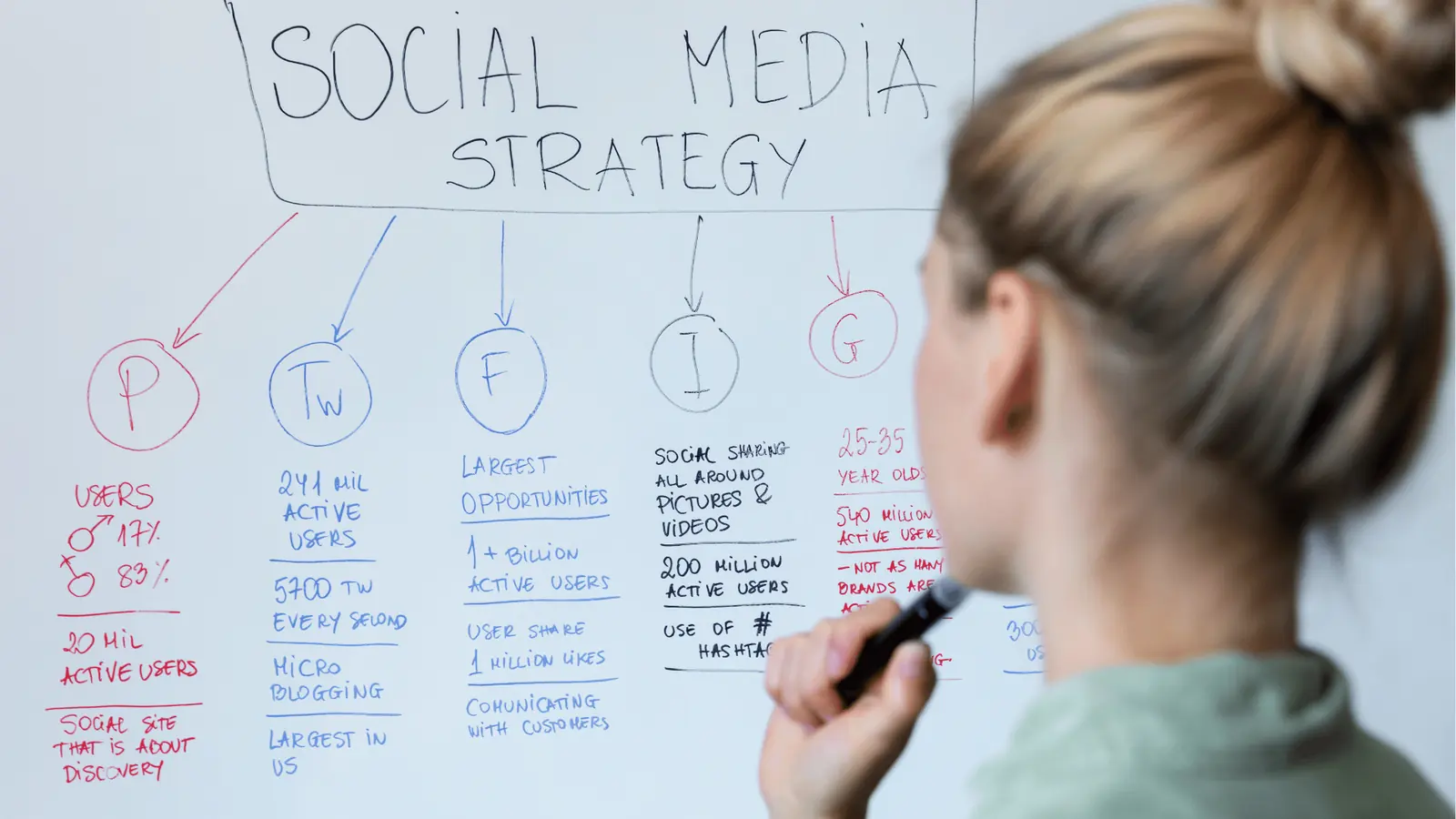
If you want to turn AI content into a profit center in 30 days, stop obsessing over the perfect prompt and start fixing your distribution pipe. The revenue isn't in the generation; it is in the execution. Most enterprise brands are sitting on a mountain of AI-generated drafts that will never see the light of day because the "last mile" of social publishing is broken. To move from "playing with AI" to "generating ROI," you have to stop treating LLMs like magic wands and start treating them like the first station on a factory floor.
There is a specific kind of anxiety that comes with watching your competitors out-publish you while your team is stuck in a loop of copy-pasting from a chatbot into a spreadsheet, then into Slack, and finally into a scheduler. The payoff of this 30-day roadmap isn't just a higher post count. It is the operational peace of mind that comes when you stop guessing if a post is brand-aligned and start knowing that every asset is vetted, scheduled, and tied to a revenue goal.
AI generates the draft; systems generate the revenue.
TLDR: The 30-Day Profit Path
- Week 1 (Audit): Kill the "Prompt Silo" and identify your highest-value content types.
- Week 2 (System Setup): Connect your assets and centralize team feedback inside the work.
- Week 3 (Scaling): Use AI to turn one approved campaign into 50 platform-specific posts.
- Week 4 (Optimization): Cut the "dead time" between draft and publish by 80%.
To get this right, you need three immediate filters for every AI task your team touches:
- The Context Rule: If the AI doesn't know your brand voice and past performance, the draft is a liability, not an asset.
- The 5-Minute Hand-off: If it takes more than five minutes to move a draft from the AI to a reviewer, the workflow is broken.
- The Multi-Platform Multiplier: Never use AI to write one post. Use it to build a core concept that can be sliced into ten platform-ready versions.
OPERATOR'S MANUAL
The real issue: Most teams suffer from "Draft Debt." This is the accumulation of hundreds of AI-generated ideas that stay stuck in a "conversations" tab because there is no clear path to get them into the social calendar without a manual struggle.
The real problem hiding under the surface

Here is where it gets messy. Most enterprise marketing leaders think their "AI problem" is that their team doesn't know how to write prompts. They hire expensive consultants to teach staff how to talk to a chatbot, but the needle doesn't move. The awkward truth is that you don't have a content problem. You have a coordination debt problem.
In a large marketing operation, content doesn't live in a vacuum. It has to survive the legal reviewer who is buried in emails, the brand manager who is protective of the visual identity, and the social lead who is trying to figure out why the Instagram thumbnail looks blurry. When you introduce AI into a fragmented environment, you don't just get more content; you get more "stuff" that needs to be managed, vetted, and approved.
If your team is using a standalone AI tool, they are working in a "Prompt Silo." The output stays with the person who generated it. To get feedback, they have to export the text, find the image in a separate Google Drive folder, and tag a teammate in a different project management tool. By the time the "baton" is passed, the cultural moment has passed, or the team is too exhausted to care about the quality.
| Feature | The Prompt Silo | The Integrated Workspace |
|---|---|---|
| Visibility | Content is hidden in private chat histories. | Entire team sees the AI session and the draft evolution. |
| Context | AI "guesses" what your brand sounds like. | AI uses workspace context and teammate feedback. |
| Collaboration | Feedback happens in Slack or email threads. | Feedback happens directly inside the post preview. |
| Speed-to-Live | 2-3 days for approval and scheduling. | 15 minutes from AI draft to scheduled post. |
This is why we focus on the C.A.S.H. Model. It is a simple framework to ensure your AI efforts actually result in published posts that drive sales.
Framework: The C.A.S.H. Model
- Context: Use a "Home" assistant that knows your workspace goals, not a generic bot.
- Assets: Import creative directly from Google Drive into the workflow so nobody is hunting for files.
- Socialization: Use "Conversations" to handle feedback and edits where the post lives.
- Hosting: Move the vetted draft into a multi-platform "Calendar" for final validation and scheduling.
The "dead time" between an AI draft and a published post is where your ROI goes to die. If your team is managing five different brands across four markets, that dead time isn't just an annoyance; it is a massive compliance risk. One unvetted AI post that uses a competitor's name or a hallucinated fact can cost more in reputation damage than any "efficiency gain" is worth.
Operator rule: Stop trying to save time on the writing. Start saving time on the "walking" of the content from person to person.
Real scale happens when the AI is a teammate sitting inside the workspace, not a tool sitting on a different browser tab. When your social team can ask a Home assistant for help, pull an approved image from a Drive import, and then tag a stakeholder for a quick "thumbs up" reaction in a thread-all without leaving the post composer-you aren't just using AI. You are building a revenue engine.
Why the old way breaks once volume rises

Most teams hit an invisible ceiling the moment they try to move from three posts a week to thirty. It is not because they ran out of ideas or because their AI prompts got stale. It is because their distribution pipe is too narrow for the volume they are trying to shove through it. When you are small, you can afford to be messy. You can copy a draft from ChatGPT, paste it into a Slack channel for feedback, wait for a thumbs up, download a graphic from a random Google Drive folder, and then manually upload everything into three different social networks. It is slow, but it works.
But once you scale, this manual "tab-switching tax" starts to eat your margins alive. The awkward truth is that the most expensive content you own is the post that stays stuck in your drafts because the workflow is too heavy. In an enterprise environment, every extra step is a point of failure. If your team is spending forty minutes of "dead time" just moving an AI draft from a chat window into a scheduler, you don't have an AI strategy. You have a data entry problem.
The real breakdown happens during the "Content Relay." Think of your content as a runner in a race. The AI starts the sprint by generating the first draft. That is the easy part. The hard part is passing the baton to the next runner: the designer who adds the media, the legal team that checks the compliance, and the social manager who formats it for LinkedIn, Instagram, and X. In most companies, the baton hits the floor because these people are all working in different tools. The context gets lost, the versioning gets messy, and the revenue-generating post never actually goes live.
Most teams underestimate: The cost of context switching. Every time a creator has to leave their workspace to find a brand guideline or check a teammate's feedback in a separate app, you lose about twenty minutes of deep focus. At scale, that is thousands of dollars in lost productivity every month.
To see how this looks in practice, we can compare the fragmented approach most brands use today versus the integrated model required for real ROI.
| Feature | The Prompt Silo | The Integrated Workspace |
|---|---|---|
| Brand Context | Manual copy-pasting | AI-native workspace memory |
| Team Feedback | Scattered Slack threads | Direct in-post Conversations |
| Asset Flow | Manual downloads/uploads | Direct Google Drive import |
| Platform Options | Generic one-size-fits-all | Native platform Composer |
| Review Speed | Hours of chasing people | Minutes of tagged replies |
Here is where it gets messy: when you use a generic AI tool, it doesn't know who you are. It doesn't know your brand voice, your past performance, or your internal goals. You have to teach it from scratch every single time you open a new tab. That is the "Blank Prompt Trap." It forces your smartest people to act like junior prompt engineers instead of strategic operators. You are paying for a factory floor, but everyone is still building their own tools by hand.
The simpler operating model

If you want to move from "using AI" to "generating revenue," you need to stop thinking about prompts and start thinking about orchestration. You don't need a more complex strategy; you need a single place for the baton to live. The goal is to create a closed loop where the AI draft, the creative assets, the team discussion, and the final schedule all exist in one shared workspace.
This is where we use the C.A.S.H. Model to bridge the gap. It is a simple way to look at your content operations to ensure nothing gets dropped during the relay.
- C - Context (Home): Stop starting from zero. Your AI assistant should live where your work lives. When you use Mydrop Home, the AI already has access to your workspace context. It knows your brand. You aren't just asking for a "post about coffee"; you are asking for a "LinkedIn post for our New York branch that follows our Q3 brand guidelines."
- A - Assets (Gallery): High-volume content needs high-speed media. If your team has to manually download approved creative from Google Drive just to upload it again, you are wasting hours. A direct Drive import means the approved "baton" is already in the workspace, ready to be attached to the post.
- S - Socialization (Conversations): This is the part people underestimate. Feedback shouldn't happen in a vacuum. By moving content decisions and teammate context directly into the workspace channels or the post previews themselves, you eliminate the "where did we land on this?" emails.
- H - Hosting (Calendar): The final step is distribution. A multi-platform composer lets you take that one campaign idea and turn it into platform-ready posts without losing the details. You verify the thumbnails, the first comments, and the platform-specific tags all in one view before it hits the schedule.
Quick takeaway: Revenue is a byproduct of velocity. The faster you can move an idea from a prompt to a published post without losing quality, the more "at-bats" you get with your audience.
Here is the 30-day timeline to transition your team from the old fragmented way to this new high-speed model:
- Week 1: The Audit. Identify every "tab-switch" in your current process. Where do people stop working to go find something?
- Week 2: System Setup. Connect your Google Drive to your Gallery and feed your brand guidelines into your Home assistant. This builds your "workspace memory."
- Week 3: The Scaling Sprint. Move all team feedback into workspace Conversations. Stop using email or Slack for post approvals.
- Week 4: Optimization. Use the Calendar to spot gaps in your publishing schedule. Now that the "dead time" is gone, fill those slots with high-intent AI content.
This shift changes the energy of the room. You move from the frantic anxiety of "keeping up with the algorithm" to the calm confidence of a machine that just works. You aren't wondering if the post for the London office has the right logo; you know it does because the asset came straight from the approved Drive folder and the AI was prompted using the London workspace context.
Operator rule: If a task requires more than three tools to complete, it will eventually fail. Consolidate your context or prepare for coordination debt.
The payoff isn't just saving a few minutes here and there. It is the operational peace of mind that comes from knowing your brand is protected, your team is aligned, and your content is actually making it out into the world. AI generates the draft, but it is your system that generates the revenue. When you fix the pipe, the volume stops being a burden and starts being your biggest competitive advantage.
Where AI and automation actually help

AI automation works best when it acts as the invisible janitor of your social media factory, quietly cleaning up the messes that usually stall a campaign. Most people think "AI" and immediately jump to generating long-form copy, but for an enterprise team, the real revenue-generating magic happens in the handoffs. It is the boring stuff--moving a file from a designer's folder to a post draft, or checking if a caption meets LinkedIn's character limit--that actually makes or breaks your 30-day ROI.
There is a specific kind of relief that comes when you stop chasing people for "the final-final version" of an asset. When your AI tools and your workspace are actually on speaking terms, you move from a state of constant firefighting to a state of flow. The goal is to get the "dead time" between an idea and a published post as close to zero as possible. This is where you stop being a prompt engineer and start being an operator.
Operator rule: AI generates the draft, but the system generates the revenue. If your AI output has to be manually massaged, copy-pasted, and emailed through four departments, the "time saved" by the AI is instantly eaten by the coordination debt of your team.
To bridge this gap, we use a simple operating principle called the C.A.S.H. Model. It ensures that every AI-generated asset has a clear, frictionless path to the finish line:
- Context (Home Assistant): Instead of starting every task with a blank screen, your AI teammate uses existing workspace context--previous successful posts, brand guidelines, and teammate feedback--to ensure the first draft isn't a total guess.
- Assets (Drive Import): Automation should pull approved creative directly into your workflow. If your team is still downloading from Google Drive to their desktops just to upload to a scheduler, you are leaking revenue through manual labor.
- Socialization (Conversations): Feedback needs to live where the work happens. When a legal reviewer can leave a comment directly on a post preview rather than in a separate Slack channel, you cut your approval time by half.
- Hosting (Calendar): The final step is automated validation. A system that catches a missing thumbnail or an incorrect tag before the post goes live is the difference between a professional brand and a chaotic one.
Framework: Idea -> AI Draft -> Asset Sync -> Team Review -> Multi-Platform Polish -> Scheduled
This isn't about removing humans from the loop; it is about removing the friction from the human loop. When your team uses a multi-platform composer that automatically adapts one campaign idea into platform-ready posts for TikTok, LinkedIn, and Instagram simultaneously, they aren't just "using AI." They are orchestrating a distribution engine that out-publishes the competition without increasing headcount.
Common mistake: The "Robot-in-the-Middle" trap. This happens when teams use AI to generate 100 posts but then realize they have no way to review, approve, or schedule them all. They end up with a massive backlog of content that dies in a spreadsheet because the "pipes" of the organization are too small for the volume.
The metrics that prove the system is working

If you cannot measure the speed of your handoffs, you are not scaling; you are just moving faster in a circle. In an enterprise environment, "engagement" is a lagging indicator. If you want to know if your AI content strategy will actually hit your revenue targets in 30 days, you have to look at your operational metrics. You need to see how much gravity your workflow is creating.
The most expensive piece of content is the one that stays in your drafts because the workflow is too clunky to get it out the door. High-performing teams focus on "Time-to-Publish" and "Revision Cycles." If it takes three days of back-and-forth messages to approve an AI-generated post, your system is broken. If it takes three minutes because the feedback is centralized in workspace conversations, you have a revenue engine.
KPI box:
- Content Utilization Rate: The percentage of AI-generated drafts that actually make it to "Scheduled" status. Aim for 80% or higher.
- Handoff Velocity: The average time it takes for a post to move from "Draft" to "Approved."
- Platform Adaptation Speed: How long it takes to turn one core asset into five platform-specific versions (e.g., Reels, Threads, X).
- Compliance Pass Rate: How often posts pass internal brand and legal checks on the first try.
This is the part people underestimate: the psychological shift from "creating" to "managing." When your metrics show that you are publishing 10x more content with the same number of "Revision Cycles" as before, you have achieved operational peace of mind. You are no longer wondering if the AI is "good enough"--you are seeing that the system is efficient enough to make the AI's quality irrelevant to the speed of your growth.
Here is a quick way to check if you are ready for the final sprint of your 30-day roadmap. If you can't check all of these boxes, your revenue engine has a leak.
Day 31 Readiness Checklist
- One-Click Media: Can your team pull approved creative from Google Drive into a post without a single manual download?
- Unified Feedback: Are all "change requests" living inside the post preview rather than in email or Slack?
- Platform Parity: Does every post have a unique caption and thumbnail optimized for its specific network (e.g., first comments for Instagram, specific tags for LinkedIn)?
- Context Awareness: Is your AI assistant using your specific brand history to suggest ideas, or is it just spitting out generic "AI-sounding" fluff?
- Validation Guardrails: Does your calendar automatically flag missing dates, media, or profile selections before you hit schedule?
- Team Visibility: Can a marketing leader see the entire month's multi-brand strategy in one view without opening ten different accounts?
Here is the awkward truth: volume is a prerequisite for revenue at scale, but volume without governance is just noise. The brands that win the next decade aren't the ones with the best prompts; they are the ones with the best pipes. They are the ones who realized that the most valuable part of AI isn't the "generation"--it is the ability to handle the 1,000 tiny decisions that used to require a human but now only require a well-oiled machine.
Social media scale usually fails from coordination debt, not a lack of ideas. When you solve the coordination problem, the revenue follows naturally because your brand finally has the "lung capacity" to speak to every customer, on every platform, every single day.
The operating habit that makes the change stick
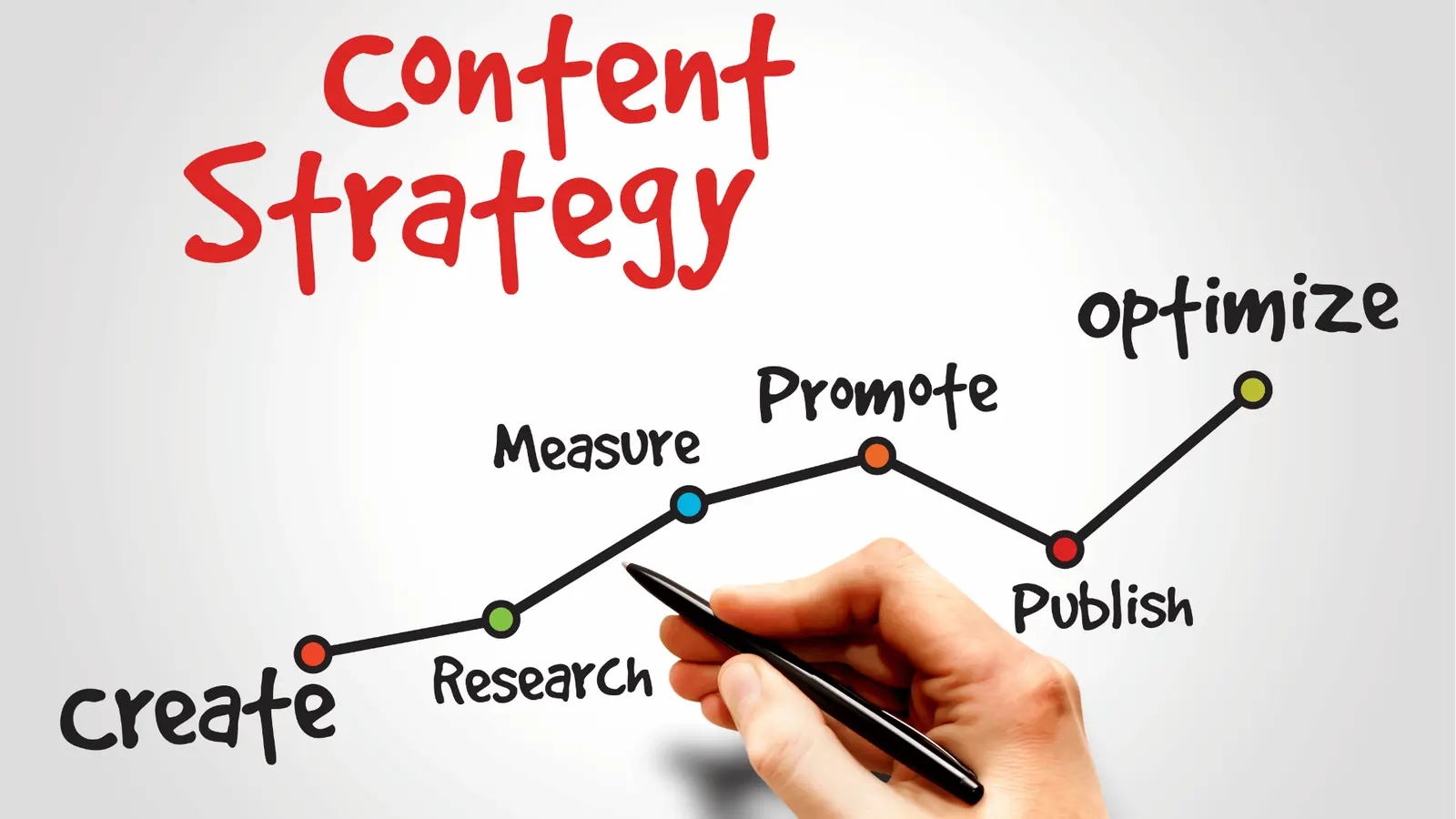
The shift from "testing AI" to "profiting from AI" usually dies in the handoff. If your team still spends Tuesday mornings hunting for the "final_v2" version of a caption in a Slack thread or a tangled email chain, the revenue hasn't arrived because the friction hasn't left. High-volume content operations do not fail because the AI is bad; they fail because the coordination debt is too high.
There is a specific kind of relief that comes when a social lead stops being a glorified traffic controller. Instead of asking "Where is that post?" or "Who approved this?", you look at a dashboard and see the factory humming. To make this 30-day roadmap stick, you must implement the "One Source of Truth" habit. This means every decision, from the initial AI brainstorm to the final platform-specific thumbnail, happens in one shared workspace.
Operator rule: The Coordination Tax
Action The Old Way (High Tax) The Operating Habit (Low Tax) Ideation Blank ChatGPT window, copy-paste to Doc. Home assistant using workspace context. Feedback Comments in Slack, email, and PDF. Conversations directly inside the post. Assets Personal Drive -> Download -> Upload. Google Drive import directly to Gallery. Approvals "Is this good?" text messages. Multi-profile Calendar status updates.
The hidden cost of AI content is the "context switch". Every time a teammate moves from ChatGPT to a spreadsheet to a scheduling tool, you lose five minutes of focus. Across a team of ten managing fifty accounts, that is not just a nuisance; it is a massive revenue leak. The "operating habit" is simple: if the work is not in the workspace, the work does not exist.
This habit creates a "Content Relay" where the baton is never dropped. Your AI assistant starts the sprint, your creative team polishes the finish, and your distribution engine handles the crowd. By centralizing feedback in Conversations, you ensure that the person scheduling the post on Friday knows exactly why the brand lead asked for a caption change on Wednesday.
Quick win: The "One-Tab" Rule
Challenge your team to run the entire social operation from exactly one browser tab for 48 hours. If they have to open a third-party chat app or a separate AI tool to get a post live, your workflow has a leak. Identify that leak and plug it by bringing that step into your centralized scheduler.
Here is where it gets messy: teams often fear that "centralizing" means "slowing down". They worry that adding a system will kill the "scrappy" energy of social media. The reality is the opposite. When the administrative drudgery of tracking down files and approvals is gone, your team actually has more time to be creative. They can spend their energy on the 20% of the work that drives 80% of the results, rather than fighting with a spreadsheet.
To get through the next week, follow this simple workflow to audit your current "handoff friction":
- Map the Handoffs: List every tool used between an idea and a published post.
- Kill the Downloads: Connect your Google Drive to your media gallery to stop the manual download/upload cycle.
- Silence the Pings: Move all post-specific feedback into Conversations so the context stays with the asset forever.
Conclusion

Building an AI-accelerated revenue engine is not about finding a magic prompt that writes perfect viral posts. It is about building a distribution pipe that can handle the volume your AI is now capable of producing. If you can generate thirty posts a day but your team can only approve and schedule three, your AI investment is sitting in a warehouse, not on the storefront.
The next 30 days are a transition from manual labor to orchestrated scale. You are moving from a world where social media is a "chore" to a world where it is a high-yield, predictable business function. The calm confidence of a scaled team comes from knowing that every post is brand-aligned, every teammate is in the loop, and every platform requirement is met before the "Publish" button is even an option.
The 30-Day Scorecard
- Week 1: Audit your "dead time" and connect your assets.
- Week 2: Move AI ideation from silos into a shared Home assistant.
- Week 3: Standardize approvals through centralized Conversations.
- Week 4: Scale your distribution via the multi-platform Calendar.
The most expensive content you own is the post that stays in your drafts because the workflow is too heavy to lift. AI generates the draft, but systems generate the revenue. Stop worrying about the "quality of the AI" and start obsessing over the "quality of the factory".
When your operations are as smart as your content, the ROI becomes inevitable. Mydrop provides the enterprise-grade workspace that bridges the gap between AI ideation and multi-brand distribution, giving your team the power to out-publish the competition without losing their soul.