
You are not losing reach because the algorithm suddenly turned against you; you are losing it because you are treating social media like a slot machine instead of a feedback loop. When engagement starts to dip, the instinct is often to panic-post more content, pivot your entire creative direction, or chase the latest trend. But that is just noise. Your reach isn't plummeting because the platform hates your content-it's dropping because your team is executing in a vacuum, disconnected from the performance data that actually explains why the last post worked or failed.
There is a quiet, specific kind of panic that sets in when you watch the engagement graphs head south while the pressure from stakeholders to "post more" hits an all-time high. It feels like you are losing control of the brand's identity, piece by piece. But there is real relief in realizing you don't actually need to reinvent the wheel. You just need to stop the content drift by replacing guesswork with a clear, diagnostic habit.
TLDR: Stop guessing at the algorithm. Use unified analytics to map engagement to content types, then enforce pre-publish validation in your calendar to ensure every post hits its target.
The truth is that most enterprise marketing teams spend 90 percent of their time on creation and only 10 percent on validation. They are obsessed with output, not outcome. To stabilize your reach, you need to shift that balance.
Operator rule: Treat every post as a hypothesis to be measured, not just a line item to be checked off your internal to-do list.
The real problem hiding under the surface

The "Volume Trap" is the most common reason for stalled reach. Large teams often equate output with impact, but at an enterprise scale, high-frequency posting without a diagnostic layer just accelerates your brand’s irrelevance. When you are managing dozens of channels across multiple markets, it is easy to lose the thread of what is actually performing. You end up with fragmented data-scattered platform reports that never seem to tell the same story.
Here is how to spot if you are stuck in this loop:
- You are checking three different platform dashboards just to understand last week's performance.
- Your team is manually flagging media format errors or broken links during the final hour before a launch.
- The content strategy is built on gut feelings rather than actual engagement trends from your own connected profiles.
When these cracks appear, they turn into systemic coordination debt. Enterprise teams fail not because they lack good ideas, but because they lack the visibility to coordinate them correctly. You need to pull your analytics into a single view where you can compare performance across brands, then link those insights directly to your upcoming calendar.
If you don't know exactly which variables to adjust, you are just throwing ideas at the wall to see what sticks. Instead, look for these three signals in your data to make a move:
- Format Drift: Check if your engagement is dropping specifically on video content versus static images; often, the platform hasn't changed, but your production quality or aspect ratio has slipped.
- Platform Saturation: Review if you are over-indexing on channels that aren't actually driving conversions for that specific brand.
- Governance Gaps: Verify if posts that fail to gain reach are missing basic hygiene-like missing tags or incorrect category mapping-which can hurt discoverability.
By centralizing these reports in Mydrop, you move away from that scattered, reactive state. You can open your analytics, select the exact profiles and date ranges that matter, and actually see the results across the board. Once you have that clarity, you can use the pre-publish validation steps in your calendar to catch errors before they go live, ensuring your team isn't just pushing content, but pushing the right content. This is the difference between blindly chasing the algorithm and actually managing your brand's presence with intention.
Why the old way breaks once volume rises

Scaling social media often feels like trying to keep a dozen spinning plates in the air while riding a unicycle. When you are managing one brand, you can get away with intuition. You know the audience, you feel the vibe, and you can course-correct with a quick email. But as soon as you scale to multiple brands, regions, or product lines, the overhead of "just winging it" hits a wall.
The breakdown starts in the coordination gap. When content teams, regional managers, and compliance officers are living in different tools-spreadsheets for planning, Slack for approvals, and native platform dashboards for reporting-the signal-to-noise ratio drops to near zero. You end up spending more time chasing down status updates than actually analyzing why reach is sliding.
Most teams underestimate: The hidden cost of "context switching" between five different platforms just to gather the basic performance numbers. That manual data gathering isn't just slow; it’s a tax on your team’s ability to think strategically.
When you operate in silos, you lose the ability to see the forest for the trees. You might see a dip on Instagram and panic, not realizing that your cross-channel campaign is actually performing well on LinkedIn. Without a unified view, you are making tactical changes to a systemic problem.
| Symptom | The "Old Way" Response | The Diagnostic Reality |
|---|---|---|
| Reach dip | Panic-post more content | Check historical category performance |
| Data gap | Manually export platform CSVs | Centralize reporting in one view |
| Publishing error | "Oops" email chain | Pre-publish validation checks |
| Strategy drift | Guess what works next | Review cross-profile success patterns |
The simpler operating model
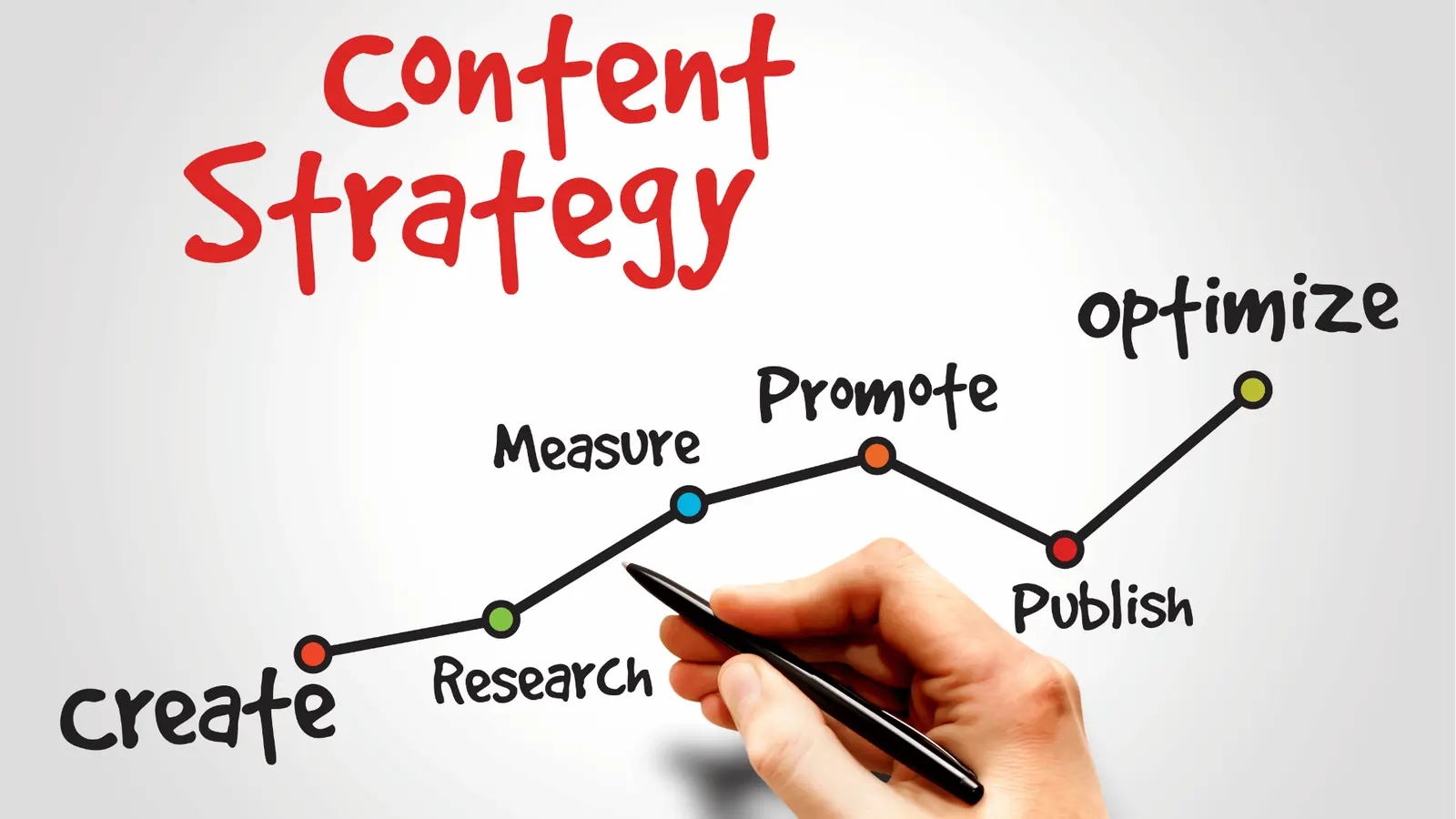
The secret to stabilizing reach isn't a new viral tactic; it is shifting to an operational feedback loop. You need to stop treating publishing as a final destination and start treating it as a hypothesis that you confirm (or reject) with data.
This model is built on three simple stages:
- Define: Set up your brand profiles and categories in one central home, ensuring every post has a clear intent before it touches the calendar.
- Validate: Use a rigid pre-publish check for every asset-thumbnails, links, and tags-to eliminate the "Oops" factor that kills professional momentum.
- Diagnose: Open your analytics view regularly to compare performance across your connected profiles, looking for the specific content gaps rather than just vanity metrics.
Instead of hunting for spreadsheets, you keep your context right where the work happens. Mydrop allows you to pin campaign notes directly to your calendar view, so the why behind a post is always visible to the team before they hit "schedule." It removes the friction of digging through external project management tools just to remember why you planned a specific theme.
Operator rule: Never push content live without knowing the "success criteria" for that specific post. If you cannot define what a "good" result looks like in your analytics dashboard, you aren't posting-you're just making noise.
This approach transforms the role of your team from "content factory" to "data-informed editors." It is much easier to keep a team energized when they can point to a dashboard and say, "We adjusted our video thumbnail strategy based on last month's data, and it stopped the reach decline." That is the kind of win that makes the job sustainable.
The goal is to reduce the operational tax so you can get back to the actual creative work. Once you stop guessing and start observing, the algorithm stops looking like a monster and starts looking like a predictable set of rules you can actually play by. It is the difference between constant, draining reactive cycles and the quiet, productive confidence of a team that knows exactly what levers to pull.
Where AI and automation actually help

Automation in enterprise social media usually gets a bad rap because it is often used to spray content across channels without a second thought. But when you are dealing with dozens of profiles and a constant stream of stakeholder feedback, the right kind of automation is the only thing standing between your team and complete operational gridlock. You aren't using tools to replace your creative judgment; you are using them to remove the friction that prevents that judgment from actually reaching the audience.
The goal is to stop the manual "cleanup" that happens minutes before a post goes live.
Operator rule: Automation should handle your compliance and technical sanity, not your voice. If a machine is writing your captions, you have already lost the thread. If a machine is validating your media specs and platform requirements, you are finally free to focus on the message.
Think of pre-publish validation as your final safety net. Before a post even leaves your calendar, Mydrop runs a background check against the specific rules of each connected profile. Are the aspect ratios correct for Instagram Reels vs. LinkedIn? Is the thumbnail going to get cropped awkwardly? Are the tagged accounts valid? Catching these issues during the drafting stage-not after the engagement analytics have already flatlined-is how you protect your brand's reach from preventable technical errors.
- Drafting: Your team maps out the campaign themes in shared notes to keep context aligned.
- Validation: Mydrop automatically flags missing platform requirements before you hit schedule.
- Review: Stakeholders see the content exactly as it will appear, eliminating last-minute "did that look right?" panic.
- Deployment: The post goes out only when every technical checkbox is green.
The metrics that prove the system is working

When you move to a diagnostic workflow, your definition of "success" changes. You stop looking at vanity metrics and start obsessing over the connection between your operational changes and performance stability. You want to see the gap between your best-performing and worst-performing content shrink because your team is finally learning from the data in real-time.
KPI box: Track these three signals to see if your new diagnostic cycle is actually moving the needle:
- Validation Failure Rate: The percentage of posts flagged by pre-publish checks. A dropping rate means your team is learning the platform constraints.
- Content Format Efficiency: The engagement-to-effort ratio for different media types. Stop producing formats that your audience consistently ignores.
- Response/Resolution Speed: How fast your team closes the loop on community conversations versus letting them pile up in the inbox.
Stop worrying about total follower count for a week and start looking at engagement decay. If a specific format or posting time is consistently resulting in lower reach, your analytics dashboard should be the first place you see it. With Mydrop, you aren't just scrolling through a feed of old posts; you are looking at cross-platform performance side-by-side to identify the "content drift" before it impacts your annual goals.
Common mistake: Treating reach drops as a signal to change your "creative direction" before checking your operational health. If your images are consistently being flagged for poor resolution or wrong aspect ratios by your pre-publish validation, your reach isn't down because of the algorithm. It is down because the platform is deprioritizing your poor-quality files.
If you are a lead managing multiple brands, you need to see the "Health" view. This is your high-level pulse check. It tells you which profiles are hitting their stride## Where AI and automation actually help
Automation is usually sold as a way to replace your team, but in an enterprise environment, the real value is in replacing the chaos of human error. You do not need a machine to write your jokes or design your visuals. You need a machine to ensure that when a post finally goes live, it isn't broken, off-brand, or invisible.
The most effective use of automation is at the pre-publish gate. Instead of wasting time on manual cross-referencing, you can offload the technical hygiene checks to a validation layer. This turns the final push before scheduling into a zero-anxiety moment.
Operator rule: Automation should catch errors that occur between your brain and the screen, not errors in your creative intent.
When you centralize your brand and profile settings, you stop the manual drift where different teams use different image ratios or forgotten hashtags. By the time a post hits the calendar, the system should have already verified that it meets the requirements for its specific channel. If a thumbnail is missing or the video format is incompatible with a specific platform’s current API, the system highlights it before it hits the production queue. This is the difference between a team that spends their day putting out fires and a team that spends their day refining their strategy.
- Verify profile selection against the brand identity group.
- Cross-check caption length against platform-specific character limits.
- Validate media assets for size, duration, and thumbnail requirements.
- Ensure all calendar notes have been reviewed for campaign context.
- Confirm link-in-bio routing is mapped to the correct traffic target.
Common mistake: Treating "publishing volume" as a KPI. High-frequency posting without a validation gate just builds a faster engine for distributing low-quality, broken content.
The metrics that prove the system is working

If you are still looking at total follower counts or vanity likes, you are looking at the wrong map. A system that works shows up in the efficiency of your insights-how quickly you can move from "reach dropped" to "the audience prefers video over carousel."
You are looking for data that tracks the performance of your process, not just the performance of your posts. When your analytics are unified, you stop spending hours stitching together platform-specific CSVs. You open a view, select your date range, and see how the segments you’ve tagged as "educational" perform compared to "promotional" across your entire brand portfolio.
KPI box:
- Content Efficiency: Ratio of high-engagement posts to total published volume.
- Validation Failure Rate: Number of posts corrected by the system before scheduling.
- Context Clarity: Time taken to identify the primary reason for a reach fluctuation.
- Approval Velocity: Speed of internal sign-off on new campaign content.
The goal is to see a shift in your diagnostic loop:
Operational Insight -> Content Hypothesis -> Validation -> Execution -> Performance Review
When the loop is tight, the "Why did our reach drop?" conversation changes. It stops being an argument about who is to blame and starts being a clinical discussion about content alignment. Maybe your primary persona is no longer engaging with static images, or maybe your posting cadence is off-sync with your audience's peak activity times. When the data is clean and centralized, those answers are right there in front of you.
The ultimate sign that you have fixed the system is that your team stops feeling the need to panic-post. You become boringly predictable in your execution, and oddly, that is exactly when the reach starts to climb back up. Stability is the quietest competitive advantage in enterprise social media. Stop guessing, start measuring, and let the data dictate your next move.
The operating habit that makes the change stick

The real secret to stopping the reach-drop panic isn't a new content strategy, but a new decision cadence. Most teams treat social media as an "always-on" beast that demands constant feeding, but if you don't build in a mandatory pause to review performance, you are effectively flying a plane with the windows taped over.
Operator rule: Never approve a new content calendar without first reviewing the performance data of the previous week. If you cannot explain why a post succeeded, you do not have a strategy; you have a lucky streak.
To break the cycle of guesswork, shift your team to this weekly Diagnostic Loop:
- Analyze (Monday): Instead of just looking at vanity metrics, review your top three and bottom three posts in Mydrop. Look for the specific variables that differ-is it the media format, the post time, or the specific category?
- Validate (Tuesday): Before the next week's content hits the calendar, run it through a formal check. Use pre-publish validation to ensure every post matches the technical requirements that your data proved actually work.
- Refine (Wednesday): Use calendar notes to attach your findings directly to the upcoming campaign. If the data showed "User-generated content" drives 20% more reach for a specific brand, leave a note for the creative team to prioritize that format for the next rollout.
This isn't about working harder. It’s about building a system where your team can clearly see the line between what they did and what the audience responded to. When you move from "we need to post more" to "we need to refine this specific content format," you stop fighting the platform and start playing the game on your own terms.
Quick win: Next week, don't change your creative direction. Simply identify one recurring content format that consistently underperforms and drop it from your calendar entirely for 14 days. Watch the impact on your average reach.
The goal is to stop the bleed of low-signal effort. When you remove the noise-the posts that provide no data, no engagement, and no value-your top-tier content finally has the room to breathe.
Teams often underestimate the emotional toll of operational opacity. There is a distinct, measurable relief in knowing exactly which variables to adjust instead of throwing ideas at the wall. You aren't lacking creative talent; you are lacking a high-fidelity feedback loop.
Conclusion

The most successful social operations don't have better algorithms; they have better coordination. They treat social profiles as critical infrastructure rather than side projects, and they hold their data as strictly as they hold their brand guidelines.
When your team stops guessing, the "algorithm" stops being an enemy and starts being a mirror. You stop reacting to every dip and start building repeatable, predictable growth. Because at the end of the day, scale isn't about hitting "publish" on more content. It is about hitting "publish" on the right content, consistently, across every brand in your portfolio.
Once you centralize your analytics and lock down your validation workflows in a platform like Mydrop, you stop being a frantic content factory and start being an engine for growth. The work is no longer about surviving the reach drop; it is about engineering your own performance.