By completing this tutorial, you will have a validated social post scheduled for automated publication across your chosen profiles. You will learn how to use the Mydrop calendar to manage content distribution and ensure your posts meet all platform requirements before they are set to go live.
Before you start
Before you begin scheduling your content, ensure your account is fully prepared to handle the publishing workflow. Complete the following checklist to avoid interruptions during the setup process:
- Verify that your social media profiles are correctly connected in the Profiles tab.
- Ensure that all profiles are organized into their respective brands or groups, which makes selecting multiple targets during scheduling much faster.
- Prepare your content assets, such as images or videos, in a local folder so they are ready for quick upload.
- Confirm your user time zone settings in your account preferences, as Mydrop uses this information to determine exactly when your posts will be published.
If you have not connected your profiles yet, navigate to the Profiles tab from the main menu. Follow the on-screen instructions to link your social accounts. Once the profiles appear in the list, you can proceed to the calendar. Organizing your profiles into groups here allows you to select entire brands at once when creating new posts, which significantly streamlines your daily operations.
Attempting to schedule posts without first connecting your social profiles will prevent the system from showing valid targets. Furthermore, verify that your media files meet the general size and format requirements for the platforms you intend to post to, as this will help prevent errors during the upload phase later in the tutorial.
Once your profiles are ready, you can move to the Calendar section. This area serves as the central hub for all your publishing activities and reminders. It provides a visual overview of your past and upcoming content, allowing you to identify gaps in your schedule or adjust existing plans. If you are working with a team, ensure that you have the necessary permissions to publish to the selected brand profiles. Access levels are managed within the profile settings.
The validation system within Mydrop is designed to catch common errors before you finalize a post. It checks for missing captions, invalid dates, unsupported media types, and platform-specific constraints, such as character limits. Understanding how to interpret these alerts is a core part of mastering the automation workflow. If a post fails the validation check, the system will highlight the specific field that requires attention. Do not attempt to bypass these alerts, as they ensure that your content adheres to the technical standards of the destination platform.
Finally, keep in mind that Mydrop handles the technical delivery of your posts at the selected date and time. Once you submit a post, the status will update in the calendar view, confirming that the task is queued. You can monitor the progress of all scheduled items directly from the calendar, providing you with a clear view of your publishing cadence. If you need to make changes, you can simply open the scheduled post, edit the details, and re-validate before saving your updates. This workflow provides a reliable way to maintain consistent activity across your social media presence without requiring manual intervention for every post.
Step 1: Open the feature
To begin automating your publication workflow, navigate to the main dashboard of the Mydrop application. Locate the navigation bar, which is typically positioned on the left side of your screen. From this menu, click on the Calendar icon.
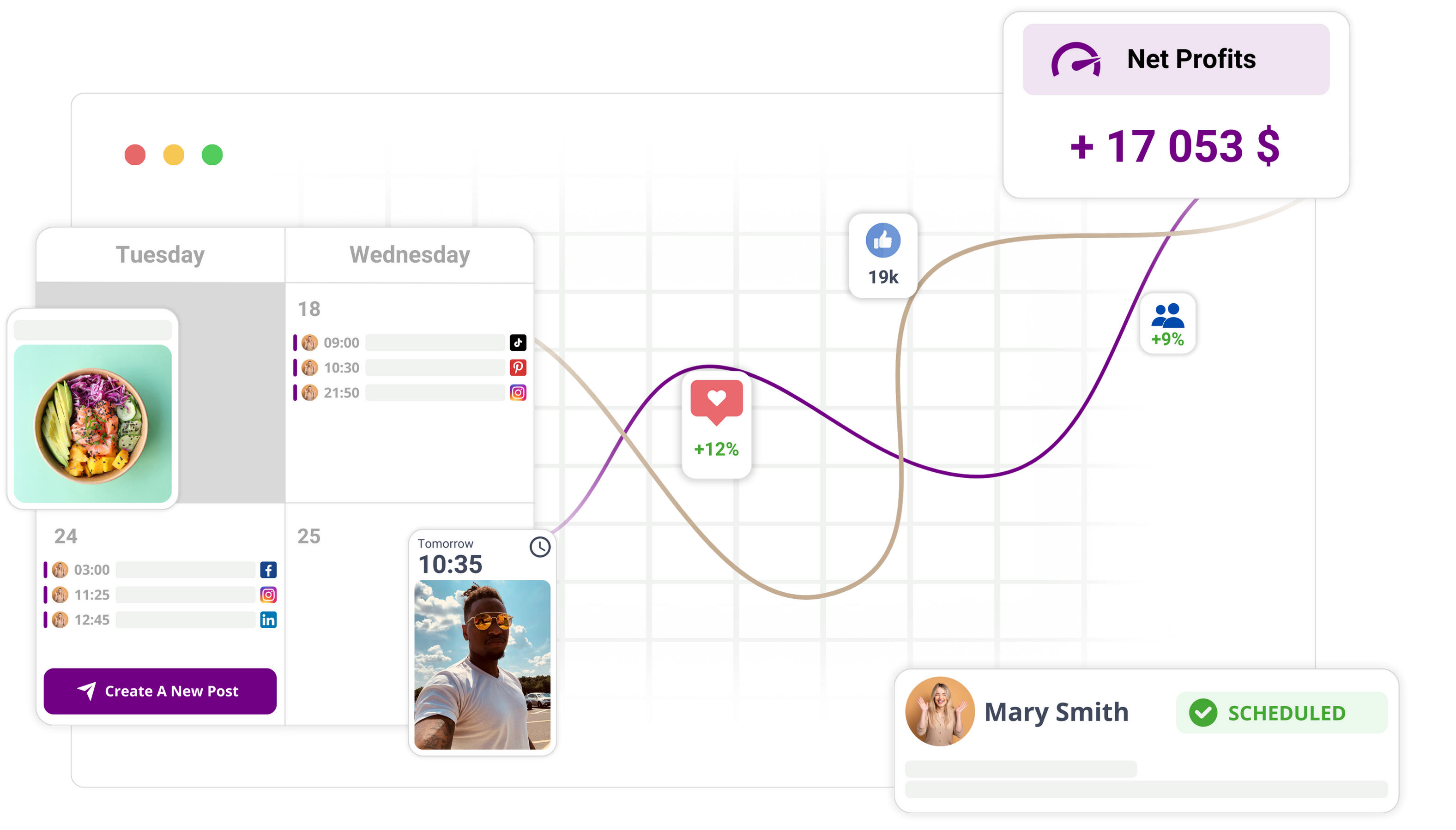
The Calendar interface serves as the primary hub for your content scheduling. Once the view loads, you will see a visual grid representation of your week or month. This area displays any existing posts you have already scheduled, as well as any pending calendar reminders you have created.
If you do not see your current date highlighted, use the navigation controls at the top of the calendar view to ensure you are looking at the correct timeframe. Confirm that the calendar is set to your preferred view mode, such as the monthly overview or the detailed daily list, to ensure you have enough visibility into your upcoming content schedule.
If you have connected multiple brands, check the brand filter at the top of the screen. Ensure the correct brand is selected, as this determines which set of social profiles will be available to you when you move to the next step of the setup. If no profiles are visible, you must return to the Profiles tab to ensure your social accounts are correctly linked and assigned to the intended brand group.
Step 2: Set up the basics
Once you have opened the calendar view and confirmed your brand selection, you are ready to initiate the post creation process.
- Locate the specific date on the calendar where you intend to publish your social media content.
- Click directly on that date. A dialog box or a side panel will appear, providing you with a New Post input area.
- Select the target social profiles for this specific post. You will see a list of all your connected accounts categorized by platform, such as Instagram, LinkedIn, or X.
- Click the checkbox next to each profile where you want this post to appear. Selecting multiple profiles allows you to streamline your distribution by creating a single piece of content that will be pushed to all selected destinations simultaneously.
- After selecting the profiles, verify the profile indicator icons to ensure you have chosen the correct accounts.
When you select profiles, Mydrop may update the input fields in the post creation window to reflect the specific requirements of those platforms. For example, if you select a profile that supports specific media types, you might notice new options for tagging or location data.
At this stage, do not worry about the content details such as captions or image files. Your immediate goal is to establish the foundation of the post by mapping it to the correct date and the correct set of social profiles. By finalizing these selections first, you ensure that the subsequent steps are tailored correctly to the platforms you have chosen. If you realize you selected the wrong date or account, you can click the clear or cancel buttons within the post window to reset your selection before proceeding. Confirm that the status of the new post remains as a draft or a pending item, which indicates that Mydrop has captured your initial parameters and is ready for the content data.
Step 3: Add the content or settings
With your profiles and schedule date established, you are ready to input the specific details that make up your post. The interface allows you to assemble the text and visual components directly within the post creation window. Start by typing your desired caption into the main text box. Mydrop tracks your character count in real time, which is helpful because different social platforms enforce different limits. If you exceed the maximum characters allowed by a selected profile, the interface will highlight the text or show an alert, allowing you to edit the caption immediately.
Once your caption is finalized, click the media upload icon located beneath the text field. This opens your local file explorer, allowing you to select your prepared images or videos. After you choose your files, Mydrop will process the uploads and display thumbnails in the post preview area. If you need to remove an item, simply click the small "x" on the thumbnail corner.
After attaching your media, verify the specific publication time. By default, the system selects the time you clicked on the calendar, but you can adjust this manually in the time picker field. Ensure that this time aligns with your intended engagement window. If you are managing profiles in different regions, double-check that your time zone settings in your account preferences match the local time of your target audience. Setting the wrong time zone is a common error that can cause posts to publish at unexpected hours.
To finalize these settings, review the preview window that updates dynamically as you input information. This view displays how the caption and media will appear on the selected social channels. Check for any formatting issues or truncated text. Because some platforms handle links or media crops differently, taking a moment to look at this preview ensures your post will look correct once it goes live. Once you are satisfied with the content and the timing, keep the post creation window open for the final verification step.
Step 4: Review the workflow
Before finalizing your post, use the Mydrop built-in validation system to confirm that all requirements are met. This step is critical to ensure that your scheduled content does not fail during the automated publication process. Look for the "Validate" button, which typically appears at the bottom of your post creation window after you have added your content. When you click this button, Mydrop automatically performs a comprehensive check of your configuration against the requirements of every social platform you selected in Step 2.
The system will confirm several key factors:
- Platform-specific character counts: The validator checks your caption length against the limits of every individual profile.
- Media compatibility: The tool ensures that your image file types and video durations are supported by the destination channels.
- Profile requirements: The system checks that all selected profiles are currently connected and active.
- Date and time availability: The tool verifies that your chosen slot is valid and not in the past.
If any issues exist, such as a missing caption for a required field, an unsupported image format, or a profile that has been disconnected, Mydrop will highlight the specific error in a notification box. Read these alerts carefully. Do not attempt to bypass these warnings, as they are designed to prevent publication errors. If an error appears, return to the relevant field, make the necessary correction, and click "Validate" again.
Only proceed to click the "Schedule" button once the validator displays a green success message. This message confirms that all data is correctly formatted and that the post is successfully queued for automated publication. Once scheduled, the post creation window will close, and you will be returned to the main calendar view. You should now see your post displayed on the calendar at the chosen date and time. This visual indicator serves as your final verification that the task was completed correctly and is ready for the system to handle the distribution at the specified moment. Check this calendar entry periodically to ensure that the status remains set to "Scheduled." If you ever need to make changes to your content or adjust the timing, you can return to the calendar at any time, click the scheduled post, and select the edit option to update your settings.
Troubleshooting and next steps
If you encounter issues during the scheduling process, start by verifying your account configuration. A common mistake is attempting to schedule content before profiles are properly connected or grouped within the Profiles tab. If you cannot see a specific social account when selecting targets, navigate to the Profiles menu to ensure the connection remains active and that the profile is assigned to a brand or group you have access to.
Another frequent error involves ignoring validation alerts. If the Mydrop validator flags your post, it is often due to platform-specific constraints. These include exceeding character limits, using unsupported media formats, or missing required metadata. Hover over any alert icons in the post editor to view specific instructions on how to resolve the conflict. Once you address these constraints, the validator icon will clear, allowing you to proceed with the scheduling.
Time zone accuracy is critical for ensuring content hits your audience at the intended moment. If you notice posts are not appearing when expected, verify your time zone settings in the global preferences menu. Ensure that the time zone configured for your workspace matches the local time of your primary audience. Discrepancies here can shift publication times significantly.
To manage your workflow beyond initial publication, use the calendar view to monitor the status of all upcoming posts. If you need to make changes, click directly on any scheduled post within the calendar to reopen the editor. You can update the caption, swap media assets, or adjust the scheduled time. Mydrop will re-validate the post whenever changes are saved, ensuring the updated content still meets platform requirements.
For content operations that require human effort, create reminders directly in the Calendar. Click the Reminder option while in the calendar interface to set up tasks such as asset collection, final review, or community engagement. You can assign these reminders to specific dates and include links to relevant templates or project files. This keeps your planning and execution phases in one interface, preventing tasks from slipping through the cracks.
Reviewing performance analytics after your post goes live is the final step in the automation loop. While Mydrop handles the publication, you should return to the Calendar regularly to verify that posts have successfully moved from a pending state to a published status. If you see a failed indicator, the system will typically provide a reason. Click the post to see the error message and take corrective action, such as reconnecting a profile or re-uploading an image file.
As you become more comfortable with basic scheduling, consider organizing your profiles into distinct brands or groups. This allows you to quickly filter your calendar view and select specific clusters of profiles, making it faster to deploy consistent campaigns across related social media channels. You can also explore the AI home assistant to draft initial content, which you can then copy and paste into your calendar posts to save time on the creative process.
Conclusion
Building a social media automation in Mydrop provides a centralized method for planning and distributing content. By using the Calendar to schedule posts, you eliminate the need to manually log into individual platforms. The combination of profile management, integrated media handling, and the real-time validator ensures that your content is ready for publication according to your defined schedule.
By following this walkthrough, you have established a workflow that allows for consistent content delivery. The ability to manage both automated publication and manual reminders within one environment streamlines your daily operations. You can now rely on the Mydrop calendar as the primary source of truth for your social media activity, allowing you to focus on strategy and content quality rather than the logistics of posting. Ensure that you periodically check the status of your scheduled items and keep your profile connections updated to maintain uninterrupted service. This structured approach to social media management scales with your needs, supporting multiple profiles and consistent engagement across all your digital channels.