When it comes to building your Instagram community, engagement plays a big role. But how do you increase Instagram engagement in 2026?
From memes to giveaways, this guide shares 10 practical tactics to help boost engagement, plus the best workflow for analyzing your post performance.
Here is How To Boost Instagram Engagement in 2026.
Why Instagram Engagement Matters
Instagram is still one of the strongest channels for businesses trying to connect with their audience. Strong engagement means your content resonates, and it also signals to the algorithm that your posts deserve more distribution.
Engagement includes likes, comments, shares, saves, and direct messages. When engagement rises, visibility usually rises too, which can support follower growth, lead generation, and sales.
That is why understanding engagement mechanics is essential for small business owners, community managers, social media managers, and creators.
Know Your Audience
The first step is audience clarity. When you understand people's interests, behavior patterns, and pain points, you can create content that feels relevant instead of generic.
Start with Instagram Insights to review demographics, activity windows, and high-performing topics. Then adapt your content pillars and tone to match what your audience actually responds to.

Create High-Quality Visuals
Instagram is visual first. Better images and videos attract attention faster and make your brand look more credible.
Use strong lighting, clean framing, and simple compositions. Avoid cluttered graphics or heavy text overlays that reduce clarity on mobile.

Make the Most of User-Generated Content
User-generated content builds credibility quickly because people trust other customers more than polished brand claims.
Create a branded hashtag and invite followers to share real usage moments. Reposting that content strengthens community identity and keeps your feed authentic.

Post Consistently
Consistency keeps your brand top of mind and stabilizes performance over time. A simple weekly cadence usually outperforms random bursts of activity.
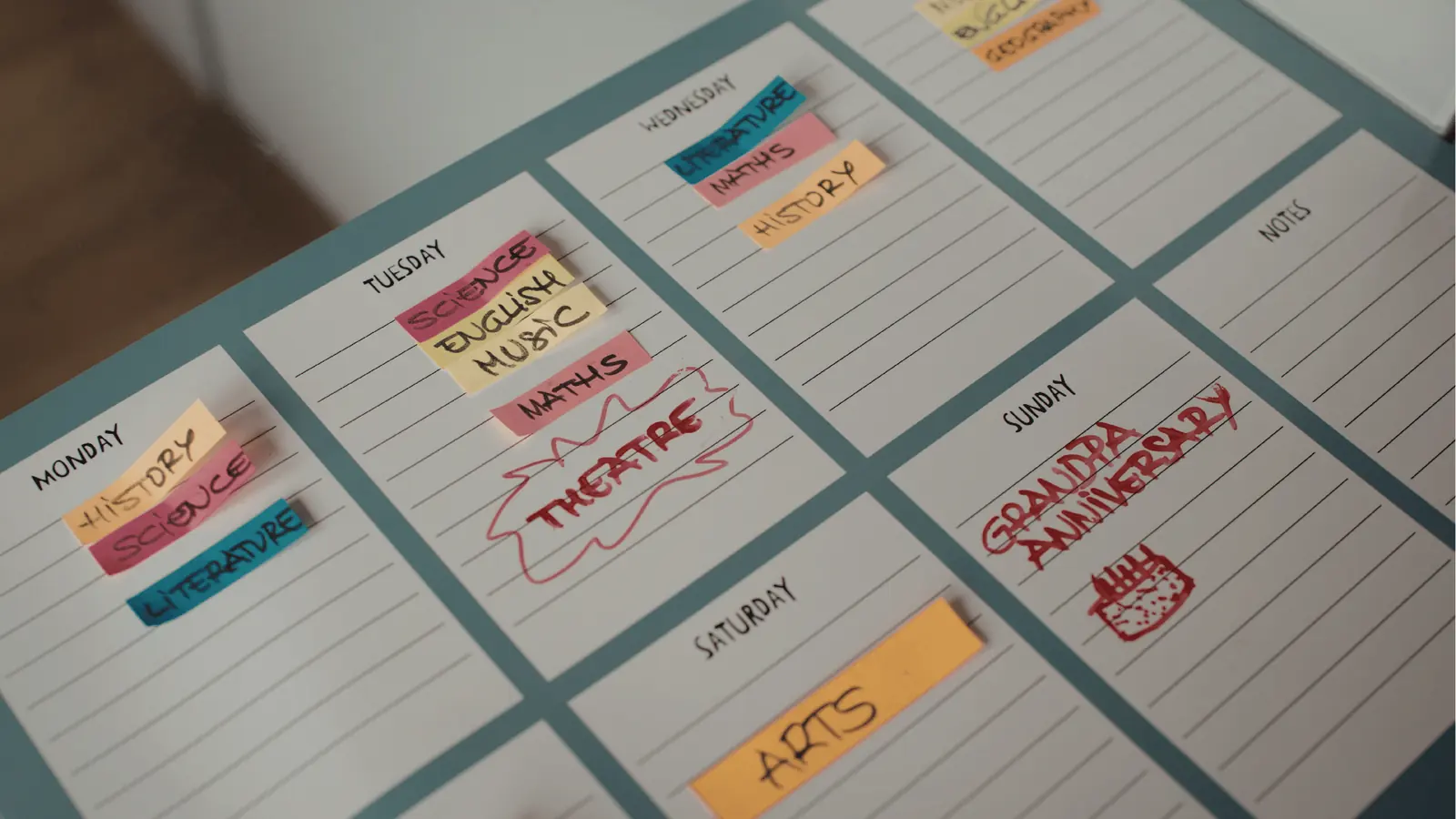
Use a content calendar to plan ahead and keep quality high while maintaining posting frequency.

Use Stories and Reels
Stories are ideal for quick updates, polls, and behind-the-scenes moments. Reels are powerful for discovery and can generate large spikes in reach when the format and hook are strong.
Test multiple formats, track completion rates, and iterate quickly around top-performing themes.

Engage with Your Followers
Engagement is a two-way relationship. Reply to comments, answer direct messages, and interact with community posts to reinforce connection.
Ask questions in captions and run live Q&A sessions to create more conversation loops.
Collaborate with Influencers
Influencer partnerships can accelerate trust and reach when audience overlap is real. Prioritize creator fit over follower count.
Co-create posts, giveaways, or takeovers, then track outcomes by campaign to improve partner selection over time.
Analyze Your Performance
You cannot improve what you do not measure. Track reach, impressions, saves, shares, watch time, and engagement rate by content type.
Review results weekly, keep what works, and remove what underperforms.

Host Giveaways
Giveaways can generate short-term engagement spikes when mechanics are simple and the reward is genuinely relevant to your audience.
Keep rules clear and optimize for meaningful actions like comments and shares, not empty vanity steps.

Use Hashtags Strategically
Hashtags still help with discovery when they are relevant and specific. Combine broader hashtags with niche tags to improve targeted visibility.
Build a tested hashtag library by topic so each post category has optimized tag groups.
Optimize Your Bio
Your bio is often the first conversion point. Keep it clear, specific, and keyword-aligned. Add a direct CTA and a relevant link destination.

Share Behind-the-Scenes Content
Behind-the-scenes content humanizes your brand and builds trust. Show process, team moments, and progress updates that make your work feel real and relatable.

Run Instagram Ads
Ads can expand reach to high-intent audiences beyond your current followers. Test multiple creative formats, monitor performance closely, and scale only winning ad sets.

Conclusion
Growing Instagram engagement in 2026 requires quality content, consistency, active community interaction, and regular analysis.
Combine organic tactics with data-informed iteration and selective paid support to build sustainable engagement growth.
Ready to level up your Instagram strategy? Sign up for Mydrop today and streamline how you plan, publish, and optimize social content.

Build an Instagram Engagement System Instead of Chasing Spikes
Sustained Instagram engagement comes from a system, not a lucky reel. Brands often treat engagement as a creative problem only, but the better way to think about it is as a loop: topic selection, creative packaging, publishing timing, audience response, and iteration. When one part of that loop is weak, results flatten quickly. The fix is usually not "post more". It is "tighten the system."
Start with your audience's repeat interests. What questions, frustrations, aspirations, or visual themes show up again and again in comments, DMs, and story replies? Those themes should drive your content pillars. A clean pillar structure makes content easier to plan and makes your audience's expectations clearer. If people know what they come to you for, engagement tends to become more consistent.
Then build format discipline. Do not use every format for every goal. Reels are strong for discovery. Carousels are strong for saves and educational depth. Stories are strong for conversation and lightweight daily touchpoints. Lives and collabs can deepen trust. When you match format to objective, engagement improves because the content makes sense in context.
The final piece is review. Each week, look at which posts earned saves, shares, comments, profile visits, and meaningful replies. The point is not to worship every metric equally. It is to learn which combinations of topic, hook, format, and CTA actually create interaction you want more of.
What High-Performing Instagram Teams Do Differently
High-performing teams treat Instagram like a publication, not a random posting surface. They know what their feed is trying to accomplish, what story their brand is telling, and what kind of action each post is meant to drive. That clarity shows up in the details: tighter hooks, stronger first frames, more obvious value, and clearer calls to engage.
They also design content for interaction without sounding desperate. Instead of adding weak prompts like "comment below" to every caption, they ask better questions, present sharper opinions, or create genuinely useful reference posts that deserve a save. The most effective engagement strategies usually feel like good editorial choices first and CTA tactics second.
Operationally, strong teams plan ahead enough to stay consistent, but leave room for timely content. They review comments, identify recurring themes, and feed those insights back into the content calendar. This matters because audience interaction is not just a result metric. It is also a topic research tool.
If you manage multiple channels, consistency gets easier when planning and publishing are centralized. A workflow tool helps protect cadence, asset organization, and approval speed. That structure does not replace good creative, but it keeps creative from collapsing under operational noise.
Common Reasons Instagram Engagement Stalls
A common reason is content sameness. If every post uses the same angle, the same design pattern, and the same level of specificity, your audience quickly knows what to expect and stops reacting. Engagement often falls before reach does, because the audience is signaling that the content is technically fine but no longer compelling.
Another issue is weak hooks. On Instagram, your first frame or first line has to earn attention fast. If the opening is generic, the value buried later will not matter for most viewers. Teams that improve engagement usually become much better at packaging, not just topic selection.
Poor audience targeting is another silent problem. Sometimes engagement is low because the content is reaching people who are not ideal fits, or because the account is publishing to several very different audiences with no clear hierarchy. A sharper point of view often beats a broader one.
Finally, many teams ignore conversation management. If comments go unanswered, stories never invite replies, and DMs are treated as an afterthought, Instagram becomes a broadcast channel instead of a relationship channel. That lowers the compounding effect of engagement over time.
Metrics That Actually Help You Improve Engagement
Not every metric deserves equal weight. Likes are useful, but they are usually one of the weaker signals because they require little effort. Saves often indicate educational or reference value. Shares suggest content resonance strong enough for someone to attach their name to it. Comments can be powerful, but quality matters more than raw count. Profile visits tell you whether the content created enough interest for someone to learn more.
Review these metrics in groups instead of isolation. A reel with strong reach but low comments and low shares may be useful for awareness but weak for community depth. A carousel with moderate reach but strong saves and profile visits may be more valuable if your brand relies on authority and conversion. The right interpretation depends on your goal.
Create a simple review cadence. Once a week, shortlist your top and bottom performers. Compare their hooks, visual pacing, topic specificity, caption style, and CTA. Then make one or two deliberate changes in the next batch of posts. Engagement optimization works better as a steady review habit than as a dramatic monthly reset.
Frequently Asked Questions About Instagram Engagement
How often should you post to improve Instagram engagement?
Consistency matters more than forcing a high volume you cannot sustain. For many brands, three to five quality feed posts per week combined with active stories is a strong baseline. The exact number matters less than whether your audience can rely on regular value and whether you have time to review performance and respond to engagement.
Do hashtags still matter for engagement?
They can help with discovery in specific contexts, but they are not a primary engagement lever on their own. Better topic relevance, stronger packaging, useful content, and consistent audience interaction have a much larger impact. Use hashtags to support categorization and discoverability, not as a substitute for strategy.
Are giveaways a good way to boost engagement?
They can create short-term spikes, but they often attract low-intent participants unless the prize and entry method are tightly aligned with your actual audience. If a giveaway does not reinforce your brand positioning or content direction, it may inflate superficial engagement without improving long-term account quality.
What type of Instagram content gets the most saves?
Educational carousels, checklists, frameworks, templates, and step-by-step posts often perform well on saves because they offer repeat reference value. If you want more saves, think about what your audience would want to revisit later, not only what they would enjoy in the moment.
How can a brand mention its product without hurting engagement?
Make the post useful first. Show the workflow, explain the problem, or provide the framework. Then mention the product naturally where it reduces friction or demonstrates the process. Subtle product relevance usually performs better than forcing a sales pitch into every caption.
30-Day Action Plan for Better Instagram engagement
If you want stronger results from Instagram engagement, build momentum in weekly stages instead of trying to change everything at once. In week one, document the current state. Capture the workflow, the weak points, the delays, the channels involved, and the metrics you already review. This gives you a baseline. Without that baseline, improvement feels subjective and the team falls back into opinion-driven decisions.
In week two, simplify the process around one clear priority. That might mean cleaning up your calendar, standardizing creator vetting, centralizing assets, sharpening your engagement process, or creating a platform-specific review checklist. The goal is not to build a perfect system immediately. The goal is to remove the most expensive repeated source of friction. Once that friction is reduced, the next improvements become easier to see.
In week three, create a lighter review loop. Review recent work, identify what created the strongest outcomes, and write down the patterns that seem to repeat. This review should include both performance and execution. Did the work perform? Did the team execute it without chaos? Those are separate questions, and both matter. Weak execution can hide good strategy. Weak strategy can waste good execution.
In week four, operationalize what you learned. Turn the best ideas into templates, checklists, content pillars, creator scorecards, approval rules, or reporting views that can be reused. This is the stage where Instagram engagement stops being a collection of tasks and starts becoming a repeatable operating system. Teams that invest in this last step improve much faster because they preserve learning instead of rediscovering it every month.
Practical Checklist for Teams Working on Instagram engagement
Use this checklist as a quality-control pass before you call the process ready. First, confirm that the objective is visible. A team should be able to explain what the activity is trying to achieve without reading a long brief. If the objective is vague, measurement and prioritization both get worse. Second, confirm ownership. Someone should know who is drafting, who is reviewing, who is approving, and who is accountable for final execution. Hidden ownership is one of the fastest ways for quality to slip.
Third, check whether the inputs are strong enough. In most workflows, bad inputs create most of the downstream problems. If the topic, asset, brief, CTA, or audience definition is weak, the later steps become expensive cleanup work. Fourth, confirm that the process includes a review step that is short but real. Even experienced teams miss issues when nobody pauses to check links, message fit, compliance details, or platform adaptation.
Fifth, make sure results will be captured somewhere useful. If the team cannot later see what happened, compare versions, or retrieve campaign learning, improvement stays shallow. Sixth, review whether the workflow is easy to repeat. The best systems are not the most complex ones. They are the ones a team can actually run every week without rebuilding the process from scratch.
Finally, ask whether the system supports scale. This does not mean overbuilding for enterprise complexity. It means asking a simple question: if volume doubled next month, would this workflow still function? If the answer is no, identify the fragile points now. Most often, those fragile points are approvals, asset organization, and the gap between planning and reporting.
How to Keep Improving Without Adding Filler Work
When engagement drops, most teams just add more posts, meetings, or dashboards. But that’s just more noise. The real way to boost Instagram engagement is to focus on what matters: clear goals, better content, a smart order of actions, and regular check-ins. These small changes add up fast.
One useful habit is to ask after every campaign or content cycle: what would make the next round 20 percent easier or 20 percent stronger? The answer is often smaller than teams expect. It may be a better template, a tighter scorecard, a stronger hook pattern, a more focused set of content pillars, or a simpler approval rule. Small operational improvements tend to matter more than occasional big overhauls.
It is also worth protecting the link between strategy and execution. When planning happens in one place, production in another, approvals in private chat, and performance review in a separate report, learning degrades quickly. This is why integrated workflow software becomes more valuable as volume grows. It preserves context. The exact tool matters less than whether the system gives the team one visible operating model instead of five fragmented ones.
The final discipline is editorial honesty. If something is not working, say so clearly. Do not keep publishing a weak format because it once performed well six months ago. Do not keep paying workflow complexity that no longer creates value. Teams that improve fastest are usually the ones willing to simplify aggressively once evidence is clear.
Frequently Asked Questions
How long does it usually take to see meaningful improvement?
Most teams can improve execution quality within a few weeks, but performance gains often take longer because the system needs enough cycles to produce clear evidence. The important thing is to create measurable progress early. If the workflow becomes more organized, deadlines become more reliable, and the team can explain decisions more clearly, you are moving in the right direction even before the biggest outcome metrics shift.
Should you prioritize process or creativity first?
They support each other. Creativity without process often leads to inconsistency and rushed execution. Process without creativity leads to efficient but forgettable output. In practice, start by making the process stable enough that creativity has room to improve. Once the workflow is less chaotic, stronger ideas and better packaging tend to emerge more consistently.
What should you document after each campaign or content cycle?
Document the objective, what actually shipped, what performed best, what underperformed, what operational issues appeared, and what should change next time. Keep it short but specific. A one-page debrief is usually enough. The value is not in writing a long report. It is in preserving the learning so future work starts from a better place.
How often should a team review its process?
Review the process lightly every week and more deeply every month or quarter. Weekly review is useful for small adjustments. Monthly or quarterly review is where you decide whether the structure itself still fits the workload. If the team waits too long, friction becomes normalized and harder to remove.
What makes a workflow actually scalable?
A scalable workflow is one that remains understandable when volume increases. The handoffs are clear, the source of truth is visible, the approval path is not fragile, and the reporting is useful enough to guide future decisions. Scalability is less about complexity and more about clarity. When the system is clear, growth creates pressure but not chaos.