


Social teams at large companies are drowning in output but starving for outcomes. Channels report impressions, posts, and likes in neat slides, yet the sales pipeline and retention numbers barely flinch. That gap shows up in frantic pre-launch scrambles, legal reviewers buried under last-minute changes, and regional teams running ad hoc promos that never connect back to demand. The Revenue Tree helps: roots are executive goals, trunk is your top-level OKR, branches are campaigns and channel plans, leaves are daily content and community replies, and the fruit is measurable pipeline or retention lift.
Before planting anything, leaders have to make a handful of choices that determine whether the tree will bear fruit or just grow leaves. These decisions set ownership, measurement, and time horizon:
- Who owns the trunk: a central growth team, a federation of brand leads, or campaign squads?
- What counts as fruit: pipeline touch, SQL, churn reduction, or revenue attribution?
- How often will branches report: weekly SLOs, biweekly sprint demos, or monthly business reviews? Pick these now. A simple rule helps: decide ownership first, measurement second, cadence third. Get those wrong and you will fight attribution and motivation for months.
Start with the real business problem

Most social programs fail not because creative is bad, but because the measurement system is built for vanity not value. Impressions stacked up during a product launch feel like progress until the launch review reveals zero uptick in lead volume. That moment is a hard truth: activity does not equal impact. In enterprise setups the failure modes multiply. Regional teams run localized campaigns that look great on channel dashboards but are not instrumented to feed CRM or marketing automation. Legal and compliance create bottlenecks. Creative gets duplicated because nobody trusts a single source of truth for assets. The result is a fractured purpose-to-measurement chain that hides whether social work actually moved intent.
Here is where the OKR framework repairs the chain. Rather than declaring "increase reach" as an objective, translate that into a trunk-level OKR such as "Increase product trial signups from social by 20 percent this quarter." That OKR forces the branches to design campaigns and channel strategies that map to a conversion funnel, not vanity. It changes approval conversations from subjective critiques to concrete questions: will this creative variant test for click-to-trial? What tracking parameters will route leads into the CRM? This is the part people underestimate: measurement is not a final step. It must be embedded into briefs, tag planning, and the legal review checklist. When teams use tools that centralize briefs, asset versions, and tracking plans, like Mydrop, the operational friction drops and attribution becomes possible.
Tradeoffs and politics matter more than you think. Centralized OKRs create clarity and make reporting easy, but they can flatten local insights that matter for market fit. Federated OKRs keep brand autonomy but introduce variance in how "intent" is measured. Campaign-first models are great for product launches, but they can create short-lived teams that forget to hand off learnings into evergreen playbooks. In practice, the failure modes look like this: central team sets a revenue target without consulting regional channels, so regions run unpaid activations that do not include UTM parameters; analytics then cannot connect engagement to pipeline. Or an agency standardizes KPIs across 12 brands but lacks a shared tagging taxonomy, so the central dashboard shows garbage when you try to roll up performance. These tensions are not abstract. They show up in wasted creative hours, duplicated asset libraries, and stakeholder shout-outs in Slack at midnight.
A realistic vignette: a global enterprise launched a new product and poured budget into social creative. Impressions doubled, engagement rose, and the comms team celebrated. But sales reported flat pipeline because the campaign used brand-level CTAs that pointed to a generic page with no trial gating or campaign code. Nobody had mapped campaign branches to the trunk OKR that required trial conversions. Fixing that mid-flight required reworking links, recreating 15 creatives with new CTAs, and two emergency legal reviews. The cost was weeks of lost momentum and creative burnout. An OKR-first approach would have avoided that by requiring a brief with destination URL, UTM spec, and lead routing plan before creative started.
Accountability is less about blame and more about wiring. A simple daily cadence can surface problems before they become crises. Campaign owners should provide a 5-minute standup every weekday in which they answer three questions: what did we publish yesterday, what signal did we see that matters for the objective, and what is blocking the campaign? Ops and analytics partners attend those standups to catch tracking issues and route leads. This ritual converts leaves into a steady drip of diagnostics up the branches. It also creates a feedback loop from community ops into pipeline generation. For example, during a product crisis a social ops team can tag high-intent community responses and push them into a rapid lead qualification queue. That kind of process turns community replies into fruit, not noise.
Measurement plumbing is a make-or-break detail. Define the minimal instrumentation you need at launch: campaign-level tracking parameters, a CRM routing rule for social-origin leads, and a dashboard widget that ties campaign IDs to pipeline value. Do not overengineer. Start with a basic path from a social click to a tracked conversion and iterate. Tools that centralize calendar, assets, and tracking specs allow teams to enforce the instrumentation step without manual policing. In many enterprises Mydrop is the system where briefs, creative variants, and tracking templates live together, which means fewer last-minute tag fixes and fewer lost attributions.
This problem-first framing shows why OKRs matter operationally. They turn vague targets into the trunk that carries branch decisions and leaf-level activity. They force choices about ownership, measurement, and cadence up front. And they change review conversations from "did this post get more likes" to "did this campaign move the pipeline." If you want a repeatable model, start by fixing the measurement plumbing, agree ownership, and standardize a short deployment checklist that every branch must pass before launch. That is how a Revenue Tree actually produces fruit.
Choose the model that fits your team

Pick the OKR topology that matches how your organization makes decisions and moves money. Three practical patterns work in large organizations: Centralized OKRs, where one trunk holds the top-level objectives and every brand or market grows branches under it; Federated OKRs, where each brand or region owns its own branch but reports back on shared KPIs; and Campaign-first OKRs, where temporary cross-functional teams form branches for launches or seasonal pushes and then hand off leaves to steady-state ops. Each model maps the Revenue Tree differently. Centralized gives you a single trunk to measure growth, Federated gives you many parallel branches that feed the trunk, and Campaign-first produces short, high-yield fruit that must be tied back into trunk metrics quickly or the fruit rots.
Tradeoffs matter and cause most failure modes. Centralized reduces duplicated work and simplifies attribution, but it can slow approvals and frustrate local markets that need agility. Federated gives markets room to adapt creative and language, but it requires strict KPI alignment and a reliable reporting pipeline to avoid blind spots at the trunk. Campaign-first is great for big launches where a product team needs a concentrated push, but if the campaign team fails to hand the content and insights back to operations, the next quarter repeats the same mistakes. A common failure is poor naming conventions for campaigns and assets - regional teams rename assets, legal reviewers stamp new filenames, and the analytics partner loses the trail back to the campaign branch. Naming and tagging are small governance leaves that keep the whole tree healthy.
A simple checklist helps pick a model that actually fits. Use this 5-item mapping to decide and to orient stakeholders before you rework any calendars:
- Team size and structure: centralized if governance teams exceed 8, federated if multiple market hubs have P&L responsibility.
- Brand count and similarity: centralized for 1-3 closely aligned brands, federated for 5+ brands with distinct audiences.
- Reporting cadence and SLA: pick centralized if monthly trunk reporting is mandatory, federated if weekly rollups are acceptable.
- Tech stack maturity: campaign-first needs real-time tooling for approvals, routing, and reporting; weaker stacks favor centralized.
- Stakeholder tolerance for change: choose federated if regional autonomy is non-negotiable; choose centralized if execs demand strict attribution.
Operational mapping examples make these choices concrete. For a global product launch, use Campaign-first to rapidly build the regional branches, then absorb the successful creative variants into the Federated model for ongoing local adaptation. For a multi-brand agency standardizing across 12 brands, a Federated model with a shared KPI taxonomy and a central analytics partner is usually best - the agency can create reusable branches and track fruit at the trunk. For a large social ops team that needs to turn community responses into qualified leads during a crisis, temporary centralized control over lead routing and enrichment reduces mistakes; the team can return to federated cadence once the crisis abates. Practical tooling is key here. Platforms like Mydrop do not solve strategy, but they make centralized metadata, approvals, and cross-market reporting easier so your branches actually report fruit up the trunk instead of disappearing into someone’s inbox.
Turn the idea into daily execution

OKRs are only useful if they translate into daily habits for the people who create content, route leads, and measure outcomes. The most effective teams translate each trunk-level OKR into a small set of weekly SLOs that live in the campaign briefs and content queue. Think of SLOs as watering schedules for the Revenue Tree - short, observable commitments that keep branches healthy and leaves productive. A demand-gen trunk OKR might decompose into weekly SLOs like "publish 3 regional ad variants tied to landing page X", "A/B test creative A vs B with 2k impressions per variant", and "route all product intent DMs to sales with 24 hour SLA". Those SLOs are written into briefs, attached to every asset, and tracked by the campaign owner so nothing is left to memory.
Roles and rituals bring the workflow to life. Assign a campaign owner who owns the branch end-to-end from brief to handoff, an ops lead who enforces naming, tagging, and approvals, and an analytics partner who maps daily signals back to intent metrics. This is the part people underestimate - you need a human responsible for the handoff who will not let assets slip into a dead folder. Daily rituals should be lightweight and drill into the SLOs: a 15 minute morning sync for the campaign owner and ops lead, an afternoon pass from analytics with a quick table of intent signals, and a weekly review where regional leads present two things that worked and one thing they will stop. Keep the rituals short, repeatable, and focused on the trunk metrics so teams stop celebrating vanity numbers and start solving for pipeline.
A sample daily checklist keeps leaves productive and prevents governance rot. The checklist below is designed for social operators on the ground:
- Morning: confirm queued posts include campaign tag, landing URL, and GCLID or UTM template.
- Midday: review creative variant performance; pause the worst performer and flag the winner for scale.
- Afternoon: triage community signals; convert high-intent replies to leads and push to CRM with enrichment notes.
- End of day: update the shared campaign dashboard with impressions, intent signals, and any legal blockers.
Sprints and handoffs should mimic software rhythms. Use short content sprints tied to SLOs, then a handoff sprint where successful creative, learnings, and lead lists are exported to the analytics partner and sales. For seasonal promotions, treat the build sprint as a concentrated branch growing fruit, and the post-promotion sprint as the harvest - analyze conversion lift, update the content SKU library, and fold high-performing creative into evergreen branches. When a crisis hits, accelerate the daily cadence: daily harvests of intent signals, immediate routing to the sales ops team, and a single comms owner to keep legal and PR aligned. In practice, teams that do this well lean on automation for mundane tasks - automated tagging, routing rules, and enrichment scripts - but keep manual checks where trust is low. Automate lead routing but not final qualification; automate tagging but spot-check for naming drift.
Measurement and documentation close the loop. Make it a habit that every SLO has one corresponding metric and one owner recorded in the campaign brief. The analytics partner should publish a minimal dashboard each morning that maps reach to intent signals and intent signals to pipeline movements. Over time, those daily readouts become the rings of the Revenue Tree trunk - visible history you can prune, replicate, or graft onto new branches. Tools like Mydrop can reduce noise by centralizing asset metadata, approvals, and cross-market reporting so the daily checklist drives consistent outputs instead of fragmented spreadsheets. The aim is simple: replace frantic, last-minute firefighting with a steady beat where content, campaigns, and community work feed measurable outcomes at the trunk and produce repeatable fruit quarter after quarter.
Use AI and automation where they actually help
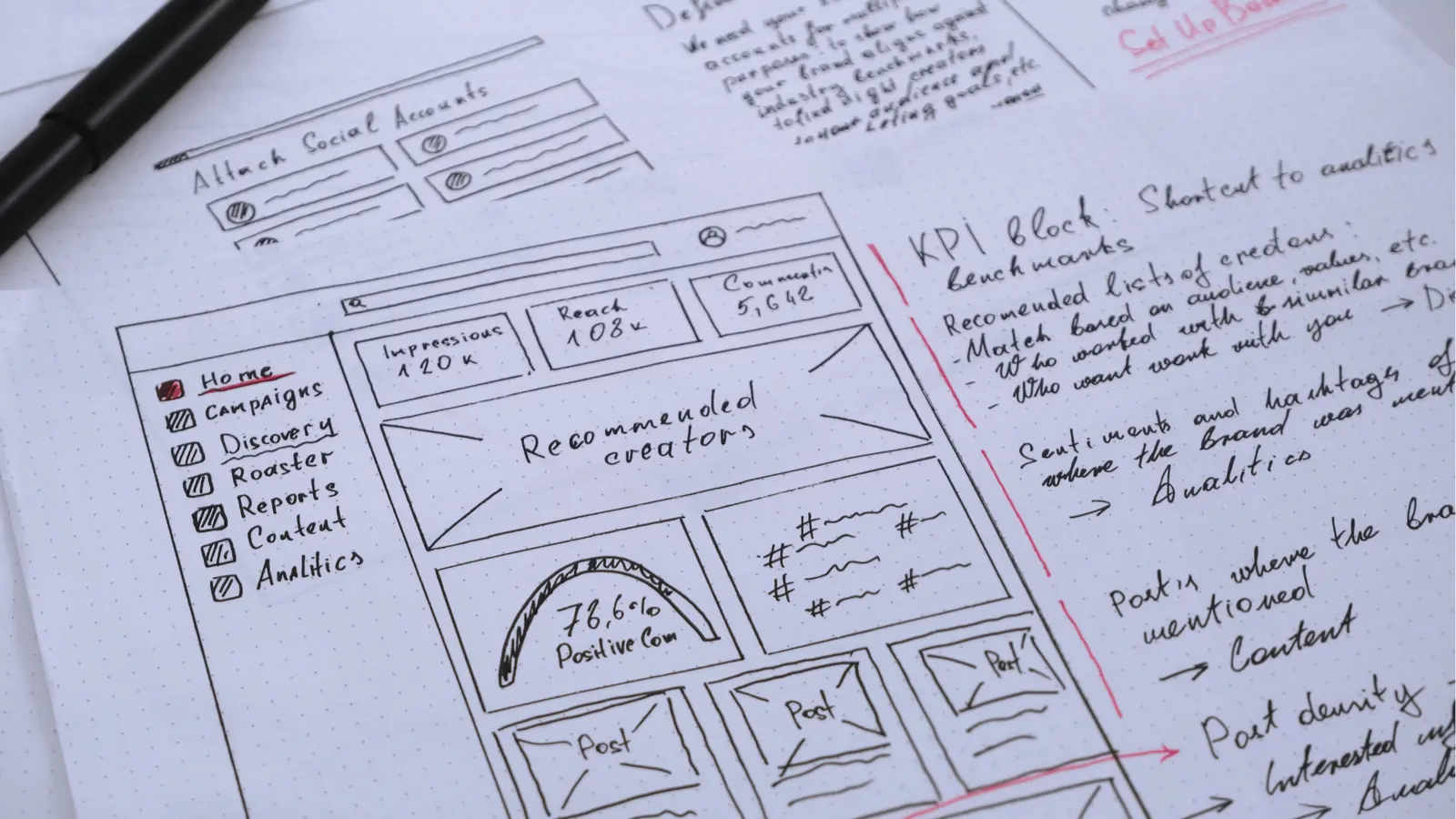
AI and automation are tools for pruning the Revenue Tree, not for growing it from seed. The simplest, highest-value uses are those that reduce friction around repeatable tasks: variant generation for creative tests, triage of incoming messages into lead or non-lead buckets, enrichment of short-form signals with CRM context, and automated routing of qualified leads to the right regional SDR queue. For a global product launch this means feeding one canonical creative brief into an automated variant engine that produces locale-appropriate hooks and image crops, then routing each variant into the regional approval queue. The branches still need human judgment; AI cuts the work under each leaf.
Here is where teams usually get stuck: they automate end points without preserving measurement or governance. If a bot writes 24 copy variants and nobody enforces naming conventions, the analytics team loses the ability to join variants to campaign UTMs and prove which leaf produced fruit. A simple rule helps: always attach a campaign-trunk tag and UTM at generation time, and require a human sign-off before any variant goes live. That rule keeps the trunk intact for reporting and stops "automation noise" from breaking the attribution chain. In practice large social ops teams use automation to speed approvals and to populate brief templates, but they keep final publish control in a campaign owner or regional comms lead.
Practical, low-friction automations to try now:
- Variant generation with required campaign and trunk tags, then push to review queue.
- DM triage that flags intent signals and creates a lead card with minimal enrichment (email, org, channel).
- Auto-enrichment that appends CRM lead score and tags so Ops can route to the correct SDR pool.
- Preflight checks that validate creative against policy rules, then surface exceptions to legal.
- Scheduled snapshot exports of channel funnels for the central analytics model.
Tradeoffs are real. Over-automating creative will flatten voice and make legal reviews a fire drill when a subtle compliance issue slips through. Giving AI access to CRM or PII requires governance: limit enrichment to hashed identifiers, log all model outputs, and keep a human in the loop for any lead routed to sales. During a crisis, automation should widen its filters, not narrow them; trust human moderators to handle nuance and use automation to surface likely escalation items quickly. Mydrop-like platforms help here by centralizing variant storage, approvals, and routing rules so automation acts inside a controlled perimeter rather than scattering outputs across spreadsheets.
Measure what proves progress

Measurement must follow the Revenue Tree from roots to fruit: start with the executive goal, map the trunk OKR, and then translate branch and leaf activity into a ladder of metrics. The ladder goes: reach and distribution, engagement and signal, intent proxies (signup clicks, demo requests, saved content), and finally pipeline contribution or retention lift. For a seasonal promotion, the chart looks different than for a product launch: the branches may volume-scale paid reach, but the leaves still need UTMed CTAs that produce measurable intent signals. The job of measurement is to show which leaves and branches actually produced fruit, and which just looked pretty on slides.
Proving causation means designing simple experiments and controls from the start. Use holdout markets, A/B creative tests, or time-based rollouts to establish lift. A multi-brand agency standardizing OKRs across 12 brands should insist on a minimal common measurement fabric: consistent UTM taxonomy, a shared event called social_intent, and a defined attribution window. Without that fabric, brand-level dashboards cannot roll up into a reliable trunk view. A concrete failure mode to avoid is the "vanity funnel" where every post claims attribution because someone applied an optimistic rule in a spreadsheet. Instead, require documented attribution logic and a weekly governance call where analytics and revenue owners reconcile the pipeline numbers against closed deals.
A minimal reporting dashboard that convinces finance and sales should include five widgets and nothing more:
- Trunk OKR progress gauge: pipeline attributed to social this quarter vs target.
- Channel funnel snapshot: impressions -> engaged -> intent -> leads by channel.
- Variant lift table: control vs treatment conversion for top creative tests.
- Regional routing accuracy: percent of routed DMs that become qualified leads within 7 days.
- Compliance and approvals heatmap: percent of posts published without last-minute legal edits.
Implementation details matter. Tagging discipline is the single most underrated task. Every campaign piece needs a campaign id, trunk id (OKR), creative id, and market id embedded in the publish metadata. For a global product launch, map trunk OKR to the demand-gen objective, assign a campaign id for the launch, and force regional teams to report back how many leads passed the regional qualification filter. If a large social ops team is turning community responses into qualified leads during a crisis, make the qualification rubric explicit and track time-to-route as a KPI. That shows operational improvement and creates a defensible path from social signal to pipeline entry.
Finally, be honest about attribution limits and communicate them to stakeholders. Social rarely claims 100 percent of a deal; instead it often nudges a buyer who later converts via another channel. Use multi-touch models and incremental lift tests to quantify contribution, then bake those assumptions into the trunk metrics so leadership understands the confidence band. Embed OKR updates into weekly standups and monthly revenue reviews so the Revenue Tree is visible at every level. Over time, this turns social from a noisy leaf pile into a orchard that reliably grows fruit.
Make the change stick across teams

Planting the Revenue Tree is the easy-looking part; keeping it alive across dozens of teams is the work that trips people up. Here is where teams usually get stuck: governance lives in a PDF, regional teams keep their own spreadsheets, and the weekly standup that should surface blockers becomes a status readout. Fix that with two small habits: make decisions visible, and make responsibilities unavoidable. Create a one-page governance sheet that sits beside every campaign brief: who owns the trunk OKR, which branch (campaign) maps to it, who signs off on creative and legal, and which data owner verifies pipeline credit. Publish it where people already go for work: the CMS, the asset library, or the platform your team uses to manage approvals, not a separate drive. For enterprise teams using Mydrop, putting that governance sheet into the same workspace where content, approvals, and reporting live closes the loop between creative decisions and attribution.
Turn training and incentives into daily rhythms, not annual events. A 90-day pilot works best: pick a single product launch or seasonal promotion, assign a campaign owner who reports weekly to the trunk lead, and lock a minimal dashboard that proves progress. The pilot should include a playbook with three things everyone practices: a 10-minute morning triage for community leads, a single shared content brief template, and a weekly metrics huddle with the analytics partner. This is the part people underestimate: you will need to trade some speed for discipline at the start. The tradeoff pays back quickly because the same governance and routines reduce duplicated creative, speed up legal reviews, and make regional variations measurable. Expect political friction: brand leads will guard creative control, legal will demand more samples, and local markets will want different KPIs. Name those frictions upfront and bake compromise into the RACI: central trunk sets the objective and measurement, branches own creative adaptation, and leaves (community teams) own immediate signals and routing.
Make the tooling real, not aspirational. A platform that ties approvals, assets, and reporting together will cut the handoffs that kill attribution. Practical implementation details matter: set up two dashboards per campaign. Dashboard A is the daily operational view for owners and reviewers: approvals pending, creative versions, top community signals, and leads routed in the last 24 hours. Dashboard B is the weekly causation view for the trunk lead: reach to intent ladder, conversion points that feed pipeline, and revenue-attributed events. Automate the simplest checks first: require every creative upload to include a campaign tag, a funnel stage, and a landing URL. Use automation to enforce the tag, not to guess it. In crisis scenarios, like a product issue that suddenly drives spikes in community messages, the ops team should have a "route to SDR" button in the same workspace so a community reply becomes a qualified lead without PDF ping-pong across teams. For multi-brand agencies standardizing across 12 brands, that single enforced metadata model is what turns twelve messy reports into one clean trunk-level truth.
- Pick a 90-day pilot that maps one launch or seasonal promo to a single trunk OKR and lock an owner.
- Publish a one-page governance sheet in the same workspace where content and approvals live.
- Build two dashboards: daily ops and weekly causation, and require campaign metadata at upload.
Conclusion

If the Revenue Tree is going to produce fruit, it needs three things: a shared map that ties daily leaves to the trunk, rituals that make responsibility visible, and tooling that makes the boring parts impossible to forget. The fastest wins come from removing friction: enforce campaign tags at upload, automate routing for clear lead signals, and make legal review steps part of the content timeline rather than a surprise checkpoint. Those small operational moves cut the busywork that kills focus and hand over predictable, measurable outcomes to marketing and sales.
Make the experiment manageable. Run a 90-day pilot, pick concrete SLOs that sit under the trunk OKR, and treat the pilot as a mini-change program: short training sessions, a living governance sheet, and clear incentives tied to the objective. Expect pushback and use it: let brand teams keep reasonable autonomy on creative, while central teams keep the measurement rules strict. When a platform like Mydrop holds the assets, approvals, and reporting in one place, that tension becomes a source of clarity instead of a source of noise. Do the hard work once, and the branches will grow in ways that actually deliver fruit.



 Google review
 Trustpilot review
 Product Hunt comment