


Most teams already treat Reels like a popularity contest: collect views, celebrate spikes, then shrug when nothing shows up on the P&L. That is where the work begins. For enterprise social teams, the problem is not that Reels do not work, it is that the pathway from a viewer to a buyer is full of friction you rarely see in influencer case studies: scattered briefs, inconsistent CTAs, legal reviewers on different timezones, and no single place that guarantees the creative that ran yesterday will be found and reused tomorrow. The outcome is predictable: high impressions, zero change in add-to-cart rate, and a bored CFO asking about CAC.
This guide assumes the team will ship, measure, and iterate every day for 30 days. Think of this as operational design, not inspiration hunting. The aim of the first two paragraphs is pragmatic: name the common failure modes, point to the KPIs that suffer, and give a concrete contrast so the team can recognize the symptoms. One brand will show a viral Reel and no purchases because the caption points to a gated landing page and the checkout link is wrong; another brand runs five modest Reels a week with a clear micro-journey, and those Reels produce a steady stream of add-to-cart events. Both teams spent similar budget on production. The difference was process and routing, not luck.
Start with the real business problem

Here is where teams usually get stuck: the cadence and the conversion are designed independently. Creative briefs ask for "brand feel" and "engagement", while commerce asks for "UTMs and product IDs". The result is that the creative unit that scored highest on views often lacks the scaffolding needed to send traffic into a measurable funnel. From a KPI perspective, you should be watching three things in tandem: (1) CTR from Reel to link, (2) click-to-add rate, and (3) 30-day revenue attributed to Reels. If impressions go up but CTR and click-to-add do not, that is where operations must intervene. A simple rule helps: if CTR is below baseline by day 7, stop scaling that hook and fix the routing.
Before you draft a 30-day calendar, make three decisions that will determine whether the program is an experiment or a repeatable channel:
- Primary conversion event - newsletter signup, add-to-cart, or direct inquiry.
- Ownership model - Centralized Factory (hub), Distributed Studios (brand teams), or Agency-as-Operator.
- Publishing cadence and resource commitments - posts per brand per week and who is on QA duty.
These choices matter because they create tradeoffs you cannot paper over later. Pick "add-to-cart" as your primary conversion and you need product feeds, accurate SKUs, and QA that includes an e-commerce engineer. Pick "newsletter signup" and you can move faster but your downstream attribution looks different and your revenue cadence is longer. Choose a Centralized Factory when you have strict compliance and shared assets across brands; choose Distributed Studios when each brand demands local creative voice and rapid market testing; choose Agency-as-Operator when the client wants a single accountable team and you need to compress approvals. A quick org check: if legal takes longer than two business days to approve a creative, centralization with a pre-approved template set is the safer bet.
Failure modes are organizational as much as they are creative. The legal reviewer gets buried under disparate requests because each brand files a different brief in a different place. The media planner duplicates hooks because no one can find the last high-performing creative. Social ops spends half a day reconciling UTM tags because scheduling and tagging are handled in three tools. Those are not small annoyances; they increase time-to-publish and drive up the effective CAC of organic efforts because the team needs paid boosts to hit internal targets when organic routing fails. For example, an enterprise CPG team with a three-brand portfolio discovered that centralizing thumbnail selection and CTA templates reduced review time by 40 percent and increased click-to-add by 18 percent in a 30-day trial. Mydrop naturally shows up here as the system where approvals, asset libraries, and prebuilt CTA templates live together, so you can stop chasing files and start tuning conversion steps.
Stakeholder tensions will surface fast. Brand leads want control over tone and local language; procurement wants a predictable vendor spend and evidence of attributed revenue; legal wants clear versioning and sign-offs; commerce wants product accuracy. You will be pressured to publish more than your QA process supports. This is the part people underestimate: the faster you try to scale creative output without tightening routing and tagging, the more post-publish fixes you generate. That creates a loop where teams pause campaigns, fix routing, republish, and lose the organic momentum that made the Reel interesting in the first place. The pragmatic fix is not to slow down creativity but to make publication predictable: a single asset registry, a stamp-of-approval workflow for CTAs, and automated UTM injection that cannot be bypassed. Those are operational controls, not creative restrictions.
Finally, tie the problem back to the numbers your execs care about. If your starting CAC for a paid channel is, say, 80 USD, and the organic program reduces the effective CAC for the same conversion event by replacing incremental ad spend, that is a board-level narrative you can carry forward. If you cannot show a reliable path from Reel view to revenue, you will keep getting asked to justify spend with paid media. A 30-day program that fixes routing, assigns ownership, and enforces a tagging standard turns Reels into a predictable funnel rather than a monthly surprise. That is the business problem to solve first: convert impressions into measurable touchpoints and close the loop on attribution, so the program can scale without adding chaos.
Choose the model that fits your team

There are three practical operating models that tend to work for enterprise-scale Reels programs. The Centralized Factory is a hub model: a small central team owns hooks, templates, approvals, and analytics while brand liaisons adapt creative and CTAs for local markets. Distributed Studios put brand teams in charge of end-to-end production, with a lightweight central governance layer for policy and measurement. Agency-as-Operator hands the day-to-day program to an external operator that runs the cadence, experiments, and reporting under your SLAs. Each model solves a different set of tensions: speed versus control, creative autonomy versus compliance, and scale versus specialization.
Pick by the predictable tradeoffs. If you run five weekly Reels per brand across three brands with strict legal review windows and shared assets, the Centralized Factory usually wins because it reduces duplicated work and enforces consistent CTAs and tagging. If brands need strong local voice and language nuance, Distributed Studios let local teams iterate faster, but you must invest in a shared asset library and clearer playbooks so assets are not remade every week. Agencies can sprint seasonal pushes fast, and are great when you need burst capacity and experimental rigor, but expect knowledge to live at the vendor unless governance and content ownership are nailed in the contract. A simple org chart helps teams visualise responsibilities: Head of Social > Hub Producer > Creative Lead > Compliance Reviewer > Brand Liaison for a Centralized Factory; Brand Head > Studio Producer > Editor > Local Legal for Distributed Studios; Account Director > Strategy Lead > Production Team for Agency-as-Operator.
A practical checklist clarifies the decision quickly. Use it when you map people and budgets:
- Team size: fewer than 10 social ops people suggests a hub; 10-30 signals hybrid; 30+ with multiple markets favors distributed.
- Content velocity: 3+ posts per brand per week pushes toward a central producer to avoid duplication.
- Compliance risk: heavy legal or regulated claims need central review gates and recorded approvals.
- Localization needs: many languages or region-specific CTAs favor distributed studios with a shared asset library.
- Procurement and vendor appetite: if procurement requires vendor SLAs and one invoice, consider Agency-as-Operator.
For teams that choose the hub, a tool that centralises briefs, assets, and approvals matters. Platforms like Mydrop become useful here because they keep one source of truth for UTM conventions, CTA variants, and approved legal lines. For distributed models, the platform role shifts to governance: enforce playbooks and provide templates so local teams never start from zero. Agencies need a clear handoff of asset ownership and a reporting contract that includes raw creative files, metadata, and a 30-day attribution feed so the client can measure downstream sales without running into a data black box. Whatever model you pick, name the single person accountable for conversion outcomes, not just content outputs. That person becomes the factory foreman.
Turn the idea into daily execution
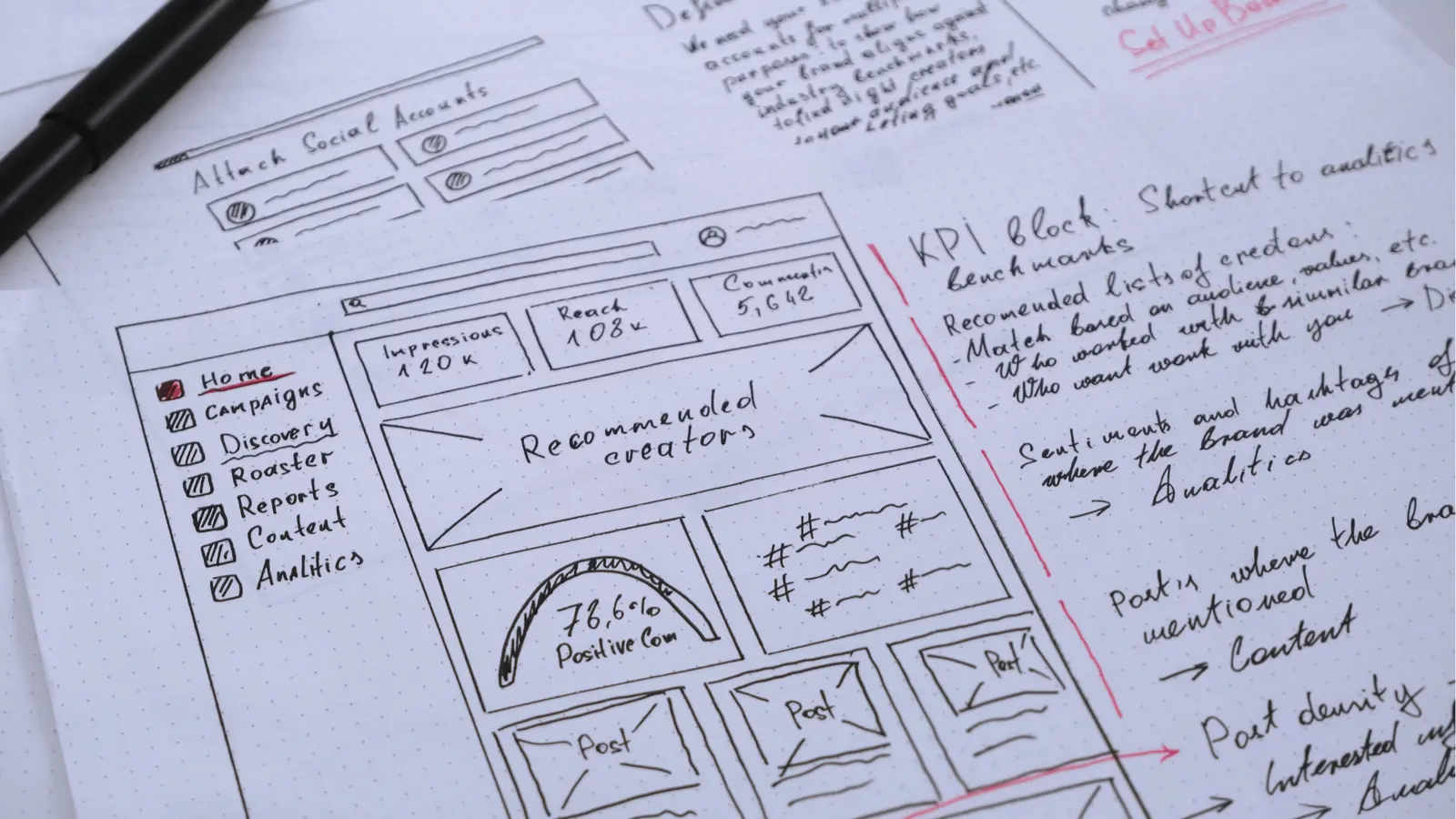
Thirty days is long enough to test a full funnel and short enough to force focus. Break the month into four weekly themes and assign one concrete tuning goal per week: Week 1 - Hook Discovery (test 10 hooks across formats); Week 2 - Route Building (create micro-journeys from Reel to first touchpoint); Week 3 - Conversion Pack (refine CTAs, landing experiences, and cart flows); Week 4 - Scale and Guardrails (double down on winners and lock QA). Each day of the week has a role: shooting days, edit days, caption and CTA days, and QA/scheduling days. For an enterprise CPG running 5 Reels per brand per week, that calendar becomes a machine: two hook-test shoots, three edit/variant days, daily QA checks, and a weekly analytics sync that feeds the next week’s creative brief.
Daily execution is granular and predictable. A sample day for a hub team looks like this: 09:00 creative brief sent with hook, target KPI, and reference clips; 10:30 producer checks the asset library for approved music, logos and localized overlays; 11:30 shoot or editor begins rough cut; 15:00 creative review with brand liaison and legal flags due; 16:30 caption and three CTA variants are written and annotated with UTM tags; 18:00 scheduling with A/B tag and reply macros applied; 20:00 automated upload confirmation and QA checklist updated. Roles are short, clear, and repeatable: the producer owns brief completeness, the creative lead owns the first two edit passes, the compliance reviewer has 4 hours to comment, and the scheduler applies tagging and publishing rules. The part people underestimate is the small finishing tasks that add up: captions, thumbnail choices, alt text, and UTM consistency. Make those non-negotiable steps, not optional extras.
Automation and systems make daily work lighter, but discipline keeps it honest. Use templates for briefs, caption skeletons, CTA variant rules, and a naming convention for files. Schedule a daily 15-minute standup to catch blockers: "Is legal buried? Do we have translations for the region? Are the CTAs matching the landing page test?" Capture every learning as metadata and push winners into the hook bank so creative reuse is fast. Practical measurement nudges execution: require a tracked link on every Reel and log click-to-add rates each day; if a creative has views but CTR under 0.5 percent after two days, route it to a remix brief instead of scaling. Also plan experiment days: reserve one production slot each week for localized language tests or a different CTA style. That is where distributed studios often shine, and where centralized teams can learn fast if they make the asset library accessible and the approval path short.
Quality assurance must be a short checklist, not a long meeting. Before any Reel is scheduled confirm: visual brand elements match the approved frame, legal-approved language is present, UTM parameters are correct, thumbnail exists and passes the one-line message test, and reply macros are loaded for the first 72 hours. Use automation to enforce the checklist at scheduling time and to surface exceptions in a single task queue so the legal reviewer or brand liaison can act in one place. If your governance causes five-hour delays every time, shorten the loop: let compliance pre-approve language packs and only request post-publish review for borderline claims.
End the day with one small habit that compounds: a single line entry in the shared experiment log that says what was tested, the high-level result, and the recommended next step. Over 30 days that becomes the dataset you use to prove revenue lift to procurement or the C-suite. For example, an agency running a seasonal push used the log to show that 14 hooks repurposed across 16 creatives produced a 22 percent add-to-cart lift versus baseline; the client then moved that program from a pilot budget to a permanent runway. The factory works only if the belts are tuned daily: creative hook tests, route reliability, and packing conversions. Daily discipline makes the three belts move in sync.
Use AI and automation where they actually help

Most teams treat AI like a magical content factory: feed it a prompt and expect perfect creative. Here is where teams usually get stuck. AI is excellent at repeatable, low-risk tasks that map directly to single decisions: generate caption variants, suggest 6 hooks from a winning script, pick the best thumbnail from five frames. Those are the small, boring decisions that eat time at scale. In an enterprise Reels program you want AI to replace repetitive human work, not the human judgment that ties a hook to legal constraints, regional nuance, or brand voice.
Practical automation shines when you treat it as augmentation, not replacement. Use automated flows to apply UTM tags, generate caption variants for A B tests, and create templated metadata so every Reel drops into the correct campaign, product feed, and brand folder. Put the quality gate where it belongs: a human reviewer checks the top 2 AI suggestions, not every single variation. This reduces ops time without creating compliance risk. For example, a CPG central team can have AI propose localized CTAs and thumbnail crops, while regional liaisons run a 10 minute review and either approve or tweak before scheduling.
A simple rule helps: automate the boring, human the judgement. Short list of practical uses to try first:
- Auto-generate 4 caption variants with different CTAs and lengths, then tag them for A B testing.
- Extract 3 short hook lines from a 30 second script and score them by estimated retention based on past winners.
- Auto-apply campaign UTM and brand taxonomy, then push the asset into the central library for reuse.
- Create reply macro suggestions for common DM inquiries and surface the top 2 to a community manager.
There are real tradeoffs. Over-automation flattens creative voice and trains teams to accept the first AI output that looks fine. You will see copy that sounds generic, or thumbnails that "optimize" for clicks while misrepresenting the product. To avoid that, bake a human feedback loop into every automated step. Track which AI outputs were accepted, which were edited, and why. That metadata becomes the training signal for your prompts and your playbooks. Agents and agencies will love the speed, but procurement and legal will sleep better if the approval workflow is explicit and auditable. Tools like Mydrop are useful here for the things enterprises care about: central audit trails, single source asset libraries, and approval states that attach to every automated change.
Finally, use automation to free creative bandwidth for experiments. Instead of automating the whole creative process, automate the repeatable scaffolding so teams can run more experiments: more hooks, more CTA variants, regional language tests. The operations leader gets less busywork, the creative director gets more hypotheses to test, and the reporting team gets cleaner data to attribute outcomes. This is the part people underestimate: making it cheap to run an experiment at enterprise scale often increases your conversion signal faster than tuning a single Reel.
Measure what proves progress

Measurement has to be simple enough to operate at scale but precise enough to prove revenue movement. For Reels as a revenue channel, focus on three tiers of metrics: upstream attention measures that show attraction, mid funnel signals that show intent, and downstream conversions that hit finance. Upstream is not the goal; it is the thermometer that tells you a hook works. Mid funnel is where Reels either build a buyer path or waste attention. Downstream is what procurement and finance will ask for at the end of 30 days. Make those tiers explicit in every report and in every weekly sync.
Start with a compact dashboard that your stakeholders actually use. Essential fields to include: Reel id and creative variant, views and reach, CTR from the Reel to the product link or landing page, click to add to cart rate, and sales or inquiry conversions attributed in 30 days. For enterprise attribution, capture at least two attribution windows: immediate last click within 24 hours and a 30 day assisted path. Social ops leaders know that single-touch attribution undercounts Reels value. Tag every link with UTM parameters at the point of scheduling, log creative variant ids, and keep a mapping of campaign to product SKU. That wiring is the difference between "looks popular" and "proven lift".
There are predictable failure modes to guard against. If CTR is high but click-to-add is low, investigate the funnel after the Reel: is the landing page mismatched, is checkout faster on mobile, or is the CTA misleading? If add-to-cart rises but sales do not, look at basket abandonment, coupon errors, and cross-domain attribution gaps. If reporting shows lots of "unknown" traffic, tighten UTM discipline and check server side tagging. A social ops leader at a marketplace can often resolve these within a week by centralizing UTM templates and requiring local teams to use the same naming conventions. That single governance move often turns noisy metrics into actionable signals.
Make the dashboard work for different stakeholders. Finance wants attributed revenue and margins. Product teams want which SKUs showed lift. Brand managers want creative performance by hook. The production team wants fast feedback on which edits caused retention improvements. Build a simple crosswalk so one data point can be sliced multiple ways. In practice this means capturing a handful of consistent data keys at publish: creative_id, hook_id, region, SKU, UTM campaign. That lets you answer the question "which hook drove add-to-cart for SKU 123 in region X" without reprocessing the whole dataset.
Finally, use the 30 day program as a learning loop, not a binary pass fail. At the end of each 30 day run, do three things: quantify revenue impact and ops time saved, document the top performing hooks and why they worked, and update the playbook so the next run starts smarter. Social ops leaders can prove the program to procurement by showing three numbers: incremental revenue attributed to Reels, reduction in average production hours per Reel thanks to automation, and the conversion rate improvement on the linked landing page. Those three metrics make boards and procurement teams uncomfortable in a good way. They prefer numbers they can budget around, not fuzzy influence claims.
Make the change stick across teams

The part people underestimate is the human wiring, not the tech. You can standardize hooks, CTAs, and UTM rules, but if the legal reviewer gets buried, or the regional brand manager treats Reels as an afterthought, the program collapses. Start by naming the process owners and their handoffs. Who signs off on a caption? Who localizes CTAs? Who owns the add-to-cart experiment and the post-click journey? Make those roles simple, public, and impossible to sidestep. For a three-brand CPG portfolio, that looks like: a central Reels ops lead who curates the hook bank, a brand liaison who approves creative adaptations, and a commerce analyst who validates uplift. When procurement asks for ROI, the social ops lead can show a single 30-day dashboard instead of a folder of screenshots. That clarity alone cuts days off cycle time.
Governance needs to be practical, not punitive. An asset library with enforced metadata and a single source of truth solves more problems than a hundred style guides. Require every Reel to attach three fields at upload: approved hook ID, target micro-journey (email, product page, CTA flow), and legal stamp or reviewer deadline. Use short, enforced SLAs: 24 hours for brand review, 48 hours for legal on standard templates, and an expedited lane for time-sensitive seasonal pushes. Expect tension: brand teams will want creative freedom, legal will push for conservative language, and the central team will push for consistent measurement. Solve for those tensions with templates that are flexible at the edges and strict where it matters. For example, give brands three editable caption slots tied to permitted CP copy, while central control keeps UTM schema and link destinations locked. That tradeoff preserves brand voice and preserves attribution.
Processes fail without muscle memory. Bake the system into recurring rituals and simple training sprints. Weekly syncs should be 20 minutes and outcome focused: what hooks moved, what micro-journeys improved, and two next experiments. Quarterly playbooks and one-hour training sprints get new brand managers up to speed; they are cheaper than endless ad hoc calls. This is where Mydrop can quietly help: a shared asset library, approval flows that show reviewer latency, and cross-brand reporting that auto-populates the 30-day revenue view. But the platform is only helpful if you adopt two nerves: a single naming convention everyone follows, and a weekly QA window where one person runs five random Reels through the checklist. A simple rule helps: if a Reel breaks any required field or CTA link, it must not publish until fixed. Yes, this slows one post; it prevents fifty untraceable ones.
Short, actionable steps to make change stick
- Assign named owners for review, localization, and attribution, and publish them in the team hub.
- Implement a three-field upload contract (hook ID, micro-journey, legal stamp) and enforce it for every Reel.
- Run a 60-minute training sprint and a weekly 20-minute results sync for the next 90 days.
Conclusion

Moving Reels from vanity to revenue is mostly organizational work. The creative hooks, micro-journeys, and automations are all learnable. The harder work is knitting those pieces into predictable handoffs and small rituals that survive vacations, launches, and procurement reviews. If the central team treats Reels like a factory line with clear belts to tune and a foreman checking quality each day, you get reliable output. If you treat it as a patchwork of one-off campaigns, you get spikes and arguments about attribution.
Practical final note: pick one measurable outcome and defend it for 30 days. It can be click-to-add rate for e-commerce, or qualified inquiries per region for a marketplace. Build the dashboard, publish the SLA for reviews, and iterate weekly. Expect tradeoffs: speed for compliance, central control for local relevance, and experiment volume for signal clarity. Manage those tradeoffs consciously, and you will get a 30-day program that scales across brands, keeps legal and procurement happy, and-most important-turns Reels into a repeatable revenue channel without buying ads.


 Google review
 Trustpilot review
 Product Hunt comment