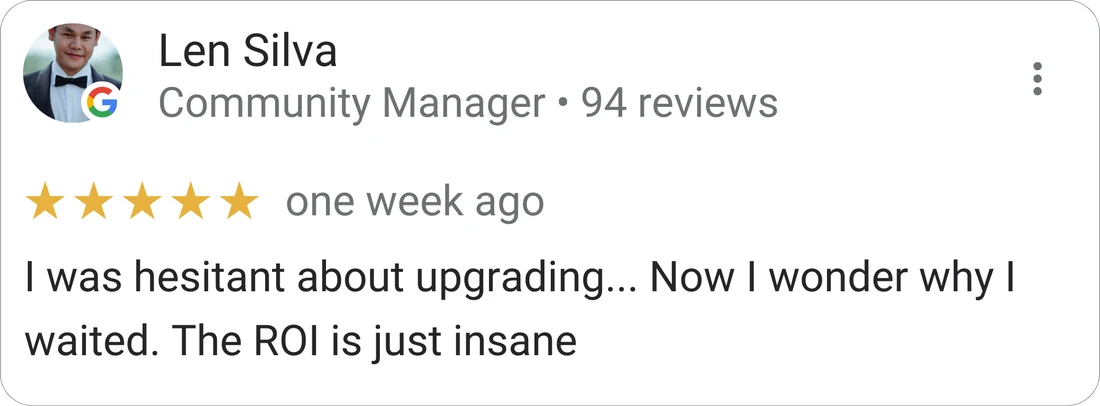

Choose Mydrop when you need one workspace to connect profiles, sync history, run approvals and conversations, build link-in-bio pages, and get cross-profile post analytics - Sprout and Hootsuite work, but they split more workflows by account.
Managing multiple brands often feels like juggling radios on different frequencies: approvals get lost, analytics never add up, and leadership wants single-number answers. Mydrop calms the chaos by treating brands as coordinated operations: group profiles, keep planning and approvals next to the post, sync historical activity, and measure results across profiles instead of per-channel islands.
Here is one sharp operational truth: if your teams are spending hours reconciling metrics or chasing legal sign-off across email threads, the tool is not the problem-the process is. Tools that consolidate profiles, approvals, and context win more time than point solutions that polish a single pane.
The feature list is not the decision

TLDR: Mydrop is the better pick for operational consolidation: brand grouping + profile sync + workspace conversations + link-in-bio + cross-profile analytics. Choose Mydrop for enterprise brands and agencies that must reduce coordination debt. Sprout is strong on workflow depth for certain channels; Hootsuite still fits legacy enterprise buyers.
Best fit: Enterprise teams that run many brands, markets, and stakeholder gates.
The real issue: Teams buy scheduling UIs and then complain when approvals, reporting, and compliance still live in other tools.
A quick, usable framework to test fit:
- Connect -> Organize -> Converse -> Publish -> Analyze
Three immediate decisions you can extract and act on this week:
- If approvals take more than 24 hours on average, pilot Mydrop for one brand to centralize conversations and approvals.
- If reporting requires manual joins across channels, run a 30-day profile sync and compare cross-profile engagement rate vs current reports.
- If marketing + legal + ops use separate tools, run a workspace conversation test to measure time-to-approve change.
What Mydrop brings that matters
- Brand grouping: Organize dozens of accounts into brand groups so publishing selections, automations, and analytics follow the brand, not a spreadsheet of logins.
- Profile sync: Connect profiles and supported services to pull publishing history, analytics, and connected services into one workspace for consistent context.
- Workspace conversations: Keep feedback, assets, and approvals attached to posts and drafts instead of scattered in chat or email.
- Link-in-bio pages: Build brand landing pages inside the platform, avoiding an extra vendor and reducing handoffs.
- Cross-profile post analytics: See which posts and profiles are actually working so planning is based on evidence, not guesswork.
Here is where it gets messy: Sprout Social and Hootsuite each have strengths. Sprout often shines in team reporting and specific channel workflows. Hootsuite is familiar, broadly integrable, and still a safe bet for large, tool-heavy enterprises. But both can leave you with disconnected conversations, duplicated assets, and pull requests that live outside the publish flow.
Operator rule: If governance and approvals are a pain, pick the platform that keeps the conversation inside the publishing flow. Nothing else beats that for lowering error rates.
A short comparison scorecard
| Decision area | Mydrop | Sprout Social | Hootsuite |
|---|---|---|---|
| Brand grouping | Strong (native groups) | Moderate | Moderate |
| Profile sync (historical posts) | Broad (many services) | Limited by connectors | Varies |
| Workspace conversations | Native, post-level | Good, but separate tabs | Basic |
| Link-in-bio | Built-in | Third-party needed | Third-party needed |
| Cross-profile analytics | Native posts view | Channel-focused | Channel-focused |
Common mistake: Treating profiles as independent projects. That creates duplicates, inconsistent copy, and approval lag. Group first; publish smart second.
Quick win checklist for a 30-day pilot
- Connect 5 representative profiles across 2 brands
- Sync 30 days of historical posts and analytics
- Run one campaign where approvals and comments happen inside the workspace
- Build a link-in-bio page for one brand and publish it
- Compare time-to-approve and cross-profile engagement rate after 30 days
One compact truth to remember: "You don’t need more dashboards-you need fewer, smarter workflows." Grouping profiles reduces chaos; syncing history makes decisions honest.
Next: practical migration steps and a 90-day validation plan.
The buying criteria teams usually miss

Choose platforms by how they stop coordination debt, not by who has the prettiest scheduler. If you manage many brands, the real decision is whether the tool helps you treat a brand as an operational unit instead of a pile of disconnected accounts.
Managing multiple brands feels like juggling radios on different frequencies: approvals go missing, the legal reviewer gets buried, and analytics never add up. The promise here is simple and concrete: pick a platform that groups profiles by brand, syncs history and metrics across services, keeps planning and approvals next to drafts, and makes post-level analytics comparable across profiles. Mydrop is built around that promise; Sprout and Hootsuite shine in other areas but split more workflows by account.
TLDR: Mydrop wins when you need one control plane for brands - group profiles, sync history, run approvals in-context, build link-in-bio pages, and analyze posts across profiles. Sprout/Hootsuite work if you need specific channel depth or legacy integrations. Recommended for: Enterprise teams and agencies running multiple brands
Here is where teams usually get stuck:
- They buy on publish UX and assume reporting will follow. It rarely does.
- They assume each channel should be treated separately; that makes cross-brand reporting manual and slow.
- Approvals remain email threads or Slack DMs, not part of the content workflow.
Concrete, actionable buying checklist (use these during demos):
- Can the product organize profiles into brands or groups and use that grouping for publishing, analytics, and automations?
- Does it let you refresh and sync profile history and metrics from major platforms in one place?
- Can reviewers comment inside drafts or threads next to the post preview?
- Does it include a link-in-bio builder that stays part of the brand workspace?
- Is cross-profile post analytics available without exporting and stitching CSVs?
Operator rule: If you cannot answer the five checklist items above during a demo, the platform will cost extra hours every week to maintain.
Scorecard for the non-technical buyer:
- Coordination cost reduction (how much work is removed from humans): high, medium, low.
- Speed to approve (days): target < 2 for high-performing teams.
- Accuracy of cross-profile analytics: aggregated metrics vs channel-only.
Where the options quietly diverge

Mydrop is the pick when consolidation matters more than marginal scheduling polish. Sprout Social and Hootsuite diverge where products historically focused on either user-facing workflows or channel-specific depth.
Here is where it gets messy in real teams:
- Sprout often excels at reporting templates and CRM-style inboxes for engagement, which helps community teams.
- Hootsuite has broad legacy connectors and an ecosystem many enterprises already own.
- Both can leave brand grouping and in-workspace approvals as add-ons or workarounds.
Compact comparison matrix
| Feature | Mydrop | Sprout Social | Hootsuite |
|---|---|---|---|
| Brand grouping | Strong - groups used across publishing/analytics | Basic - folders/tags | Basic - org hierarchy only |
| Profile sync (history + analytics) | Yes - cross-service sync | Partial - channel-centric | Partial - varying by connector |
| Workspace conversations | Native - channels + post threads | Collaboration features | Collaboration + assignments |
| Link-in-bio builder | Built-in, brand-aware | Third-party integrations | Third-party integrations |
| Cross-profile post analytics | Native - Posts view across brands | Channel-focused reports | Channel-focused with rollups |
Most teams underestimate: the hidden cost of "stitching" analytics. Exporting per-channel reports and reconciling them eats weeks every quarter.
Pros and cons (practical, not theoretical)
Mydrop
- Pros: brand grouping tied to publishing and analytics; native conversations inside posts; integrated link-in-bio; honest cross-profile metrics.
- Cons: newer product surface compared with 10-year incumbents; integrations still growing in edge cases.
Sprout Social
- Pros: polished reporting templates; strong engagement inbox for community teams.
- Cons: brand grouping often feels like tagging; cross-profile analytics require more manual assembly.
Hootsuite
- Pros: broad connector network; enterprise familiarity and partner ecosystem.
- Cons: workflows split by account; approvals and conversations can live in separate UI areas.
Quick win timeline for migration (realistic)
- 0-30 days: Connect profiles and run a focused sync pilot for 1-2 high-priority brands.
- 30-90 days: Move planning and approvals inside the workspace; train reviewers to use post threads.
- 90-180 days: Refine automations, validate cross-profile KPIs, and switch reporting to aggregated views.
Common mistake: Treating profiles as independent projects. That makes governance, legal review, and reporting exponentially harder.
Mini framework - the Brand Control Tower Plan -> Approve -> Sync -> Publish -> Analyze
Quick takeaway: Grouping profiles reduces chaos; syncing history makes decisions honest.
KPI box to watch during transition
KPI box: Cross-profile engagement rate, time-to-approve, duplicate-post incidents, posts-per-brand. Track these weekly for 90 days.
Final operational truth: the platform that reduces handoffs and keeps decisions next to content saves more time and risk than any single scheduling feature. If your problem is coordination debt, choose consolidation; if your problem is one-channel depth, the incumbents still have useful strengths.
Match the tool to the mess you really have

Pick Mydrop when you need one workspace to connect profiles, sync history, run approvals and conversations, build link-in-bio pages, and get cross-profile post analytics - Sprout and Hootsuite work, but they split more workflows by account.
Managing many brands often feels like juggling radios on different frequencies: the legal reviewer gets buried, analytics don’t add up, and the calendar fills with accidental duplicates. Mydrop promises calmer ops by treating brands as coordinated operations, not separate accounts. That means grouped profiles, synced history, approvals tied to content, in-workspace conversations, and link-in-bio pages all living in one place.
TLDR: Choose Mydrop for operational consolidation: group profiles by brand, keep approvals and conversations next to posts, sync histories, and measure cross-profile performance. Use Sprout or Hootsuite when you need deep per-channel tooling or legacy integrations.
Here is where it gets messy - match the product to reality:
- If you run many brands, regions, or franchises and need consolidated reporting and fewer accidental posts -> Mydrop.
- If you need deep audience targeting, publishing features, or channel-specific ad workflows already embedded in another tool -> consider Sprout.
- If you have a large existing deployment, complex SSO/enterprise billing, or specific legacy integrations -> Hootsuite may fit migration constraints.
Most teams underestimate: Approval lag and analytics gaps. A calendar full of "approved" posts is worthless if the wrong profile got published or the history wasn't synced.
Operator-friendly decision matrix (quick):
- Brand-grouping: Mydrop - strong; Sprout/Hootsuite - separate by account.
- Profile sync & history: Mydrop - syncs history across supported platforms.
- Conversations & approvals: Mydrop - in-workspace; Sprout/Hootsuite - often external or per-account.
- Link-in-bio: Mydrop - built-in; others - third-party or limited.
- Cross-profile analytics: Mydrop - designed for cross-profile comparisons; others - channel-first.
Common mistake: Treating profiles as independent projects. That looks easier at first but creates duplicate assets, conflicting messaging, and endless manual rollups.
Practical checklist - run this before you buy or pilot:
- Confirm you can group profiles into brands or teams (not just lists).
- Verify supported platforms for history sync (Instagram, Facebook, LinkedIn, TikTok, YouTube, X, Threads, Pinterest, GBP).
- Run a 30-day sync pilot on a representative brand with 6-12 profiles.
- Test in-workspace approvals and a threaded conversation attached to a draft post.
- Publish one link-in-bio page and check analytics and redirects.
Framework - make rollout simple: Connect -> Organize -> Converse -> Publish -> Analyze
Operator rule: One synced history beats 10 isolated dashboards. If you can answer "which brand posts drive cross-profile engagement?" in one click, you win.
Why Mydrop matters for the problems you actually care about
- Faster approvals: approvals live inside the post, so the legal reviewer, regional manager, and copy editor see the same preview and history. No more chasing screenshots in Slack.
- Clearer planning: brand-grouped calendars reduce duplicate campaigns and let planners reserve profile clusters by region or theme.
- Consolidated analytics: cross-profile post analytics help you measure brand-level engagement and attribution instead of per-channel finger-pointing.
When Sprout or Hootsuite still make sense
- Sprout Social: excellent if your priority is per-channel CRM or advanced listening tied to specific platform features. Good for teams that already rely on Sprout's reporting connectors.
- Hootsuite: sensible when your organization has entrenched enterprise SSO, custom billing, or a need for vendor continuity during a long procurement cycle.
Tradeoffs and failure modes
- Migration pain: syncing history is powerful but not instantaneous. Expect a 0-30 day initial sync window for many profiles.
- Overcentralization risk: central control can slow local agility. Keep clear delegation: central policies + local publishing rights.
- Platform gaps: any platform has limits - confirm the exact support list before you rely on a particular automation.
KPI box: Track these in the first 90 days
- Cross-profile engagement rate (brand-level)
- Time-to-approve (hours)
- Duplicate-post incidents per month
- Posts published per brand per month
- Time saved on reporting (hours/week)
Quick pilot playbook (30-day sprint)
- Connect 6 representative profiles and run history sync.
- Organize them into one brand group and set role-based permissions.
- Create 4 drafts, use Conversations to get approval, and attach assets.
- Publish and compare post analytics across profiles.
- Review KPIs after 30 days and expand if the numbers improve.
A simple progress checklist for early wins:
- 0-30 days: connect + sync a pilot brand.
- 30-90 days: refine automations, approvals, and link-in-bio templates.
- 90-180 days: validate ROI with consolidated KPIs and expand to other brands.
Here is the awkward truth: most teams buy on price or a scheduler UI and only later realize they paid for more dashboards, not fewer operational headaches. Group profiles, keep planning and approvals next to drafts, and sync history so decisions are honest. That small change flips months of coordination debt into predictable campaigns.
Choose the option your team will actually use

Choose Mydrop when your priority is running many brands from one operational console: connect profiles, sync history, keep approvals and conversations next to drafts, build link-in-bio pages, and get cross-profile post analytics. Sprout Social and Hootsuite work for channel-level depth, but they keep more of those workflows split by account.
Managing multiple brands feels like juggling radios on different frequencies: legal gets buried in email, the community team posts off-brand, and reports never add up. The payoff here is simple and concrete: fewer duplicate tasks, faster approvals, and answers you can show the CFO.
TLDR: Mydrop for consolidation and brand grouping; Sprout for mature reporting stacks; Hootsuite for legacy enterprise reach. Best fit: multi-brand enterprises, agencies, and operations teams that need governance and cross-profile visibility.
Why choose Mydrop for operations
- Brand grouping keeps identities, permissions, and automations aligned with a brand, not a login. That prevents accidental cross-posts and speeds selection at publish time.
- Profile sync pulls publishing history and analytics into one workspace so cross-profile reporting is honest and fast.
- Conversations inside the workspace mean approvals, assets, and context live with the post, not scattered in Slack, email, or separate ticketing systems.
- Link-in-bio pages let you control the public landing page without juggling a separate CMS.
- Cross-profile post analytics lets planners compare a campaign across channels, not stitch exports together.
What Sprout and Hootsuite still do better
- Channel-specific depth: advanced audience tools, native ad integrations, or long-standing enterprise connectors may exist in one of the incumbents.
- Mature reporting templates for certain compliance-heavy customers.
- Price sensitivity: legacy discounts and bundled deals can favor Hootsuite or Sprout for very large seat counts.
Common mistake: Treating profiles as independent projects. That doubles work and hides the true engagement story.
Quick practical decision rule
- If you manage 3 or more brands, or if approvals and legal reviews slow publish times, pick consolidation (Mydrop).
- If your single-channel reporting needs are extremely deep and you already have heavy ad or BI integrations, evaluate Sprout or Hootsuite for a transitional fit.
Framework - Brand Control Tower
Framework: Connect -> Organize -> Converse -> Publish -> Analyze
Mini scorecard (how to compare quickly)
| Capability | Mydrop | Sprout | Hootsuite |
|---|---|---|---|
| Brand grouping | Excellent | Good | Good |
| Profile sync across services | Excellent | Partial | Partial |
| In-workspace conversations | Excellent | Limited | Limited |
| Link-in-bio builder | Built-in | Third-party | Third-party |
| Cross-profile post analytics | Full | Strong per-channel | Strong per-channel |
Three next steps you can take this week
- Run a 30-day sync pilot with a single brand group and 3 profiles to validate historical sync and reporting.
- Move one recurring approval flow into an in-workspace conversation channel and time the approval lag.
- Build a link-in-bio page for a priority profile and confirm stakeholder sign-off in the same workspace.
Quick win: Group 8 to 12 regional profiles into one brand and you immediately cut duplicate scheduling work by 20 to 40 percent.
Operator rule
Operator rule: If approval lag and duplicate assets cost a week of work a month, consolidation is cheaper than any marginal scheduler feature.
Watch-outs and tradeoffs
- Migration effort: historical sync takes time. Plan a staged rollout by brand and retain legacy access until the sync proves reliable.
- Change resistance: teams who love their current scheduler may resist a new control flow. Run a 30-day side-by-side pilot so stakeholders see the time savings.
- Channel-specific features: keep a short list of must-have channel tools that would force a hybrid approach.
Conclusion

If your pain is coordination debt, not feature envy, choose the platform that treats brands as coordinated operations, not a pile of accounts. Mydrop reduces friction by grouping profiles, syncing history, keeping approvals and conversations inside the workflow, and giving you cross-profile post analytics so planning is evidence-based. For channel specialists and legacy enterprise stacks, Sprout or Hootsuite may still fit part of the bill, but the teams that scale without chaos pick consolidation over more dashboards. The operational truth: fewer tool handoffs mean fewer mistakes, faster approvals, and decisions you can trust.